Microcirculation Failure in Shock States: What Every Nurse Must Know for NCLEX and the ICU

microcirculation failure shock states

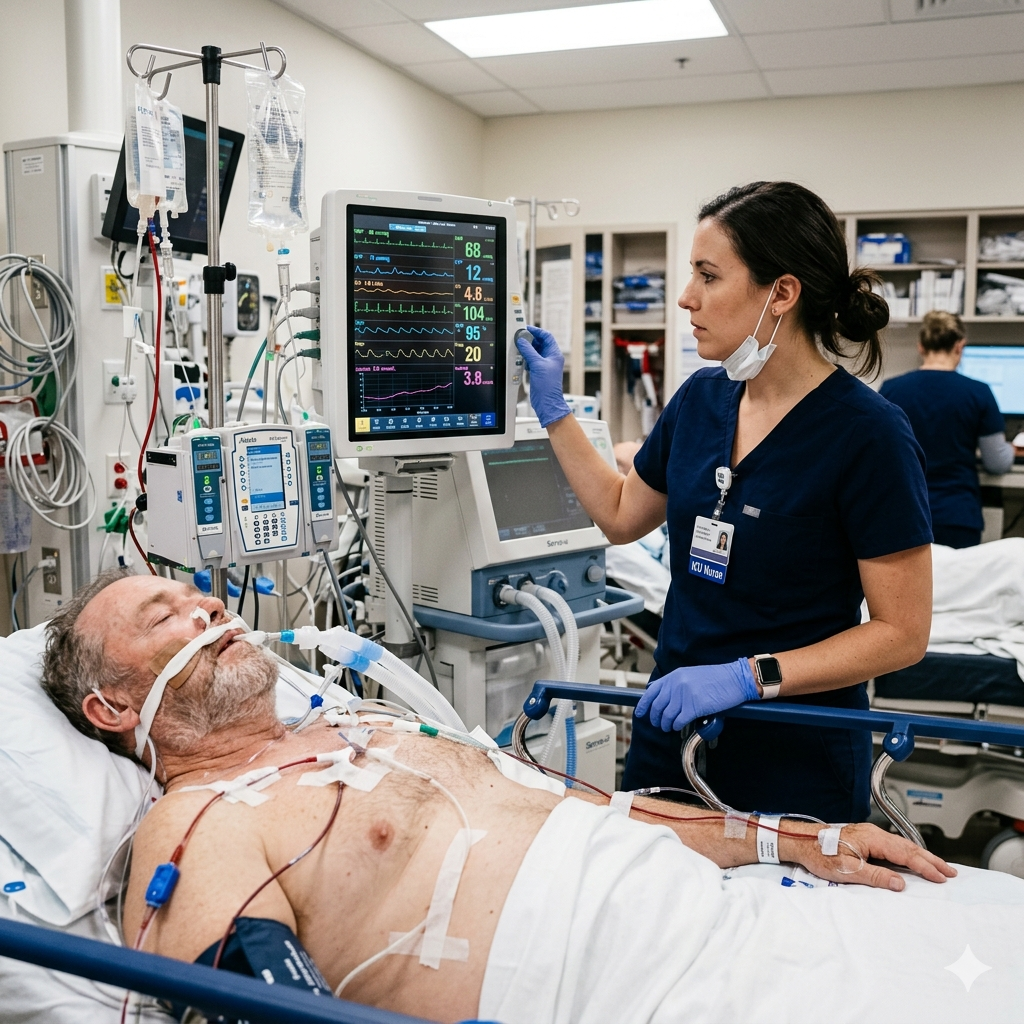
Shock is never just about blood pressure. Beneath the numbers on the monitor lies a microscopic catastrophe — microcirculation failure — that determines whether a patient survives or deteriorates despite aggressive resuscitation. For the registered nurse working in a critical care environment, understanding what happens at the capillary level in shock states is not optional. … Read more

Cardiorenal Syndrome: Heart–Kidney Interaction Nursing Management in the ICU

cardiorenal syndrome nursing management

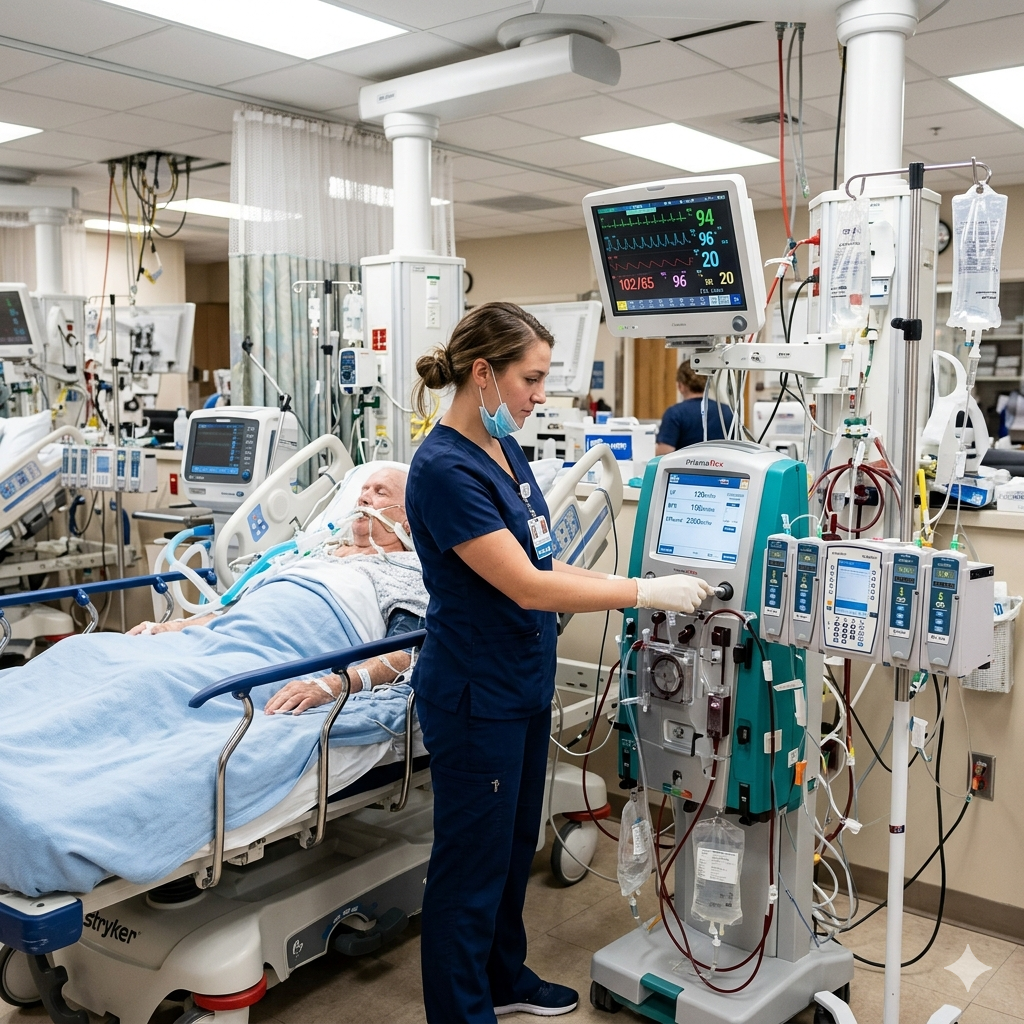
When the heart fails, the kidneys suffer — and when the kidneys fail, the heart deteriorates further. This vicious bidirectional cycle defines cardiorenal syndrome (CRS), one of the most complex and life-threatening conditions managed in the intensive care unit. For any registered nurse working in critical care, understanding this syndrome is not optional. It shapes … Read more

Cytokine Storm in Severe Infections: Nursing Implications for the RN Nurse

cytokine storm nursing implications

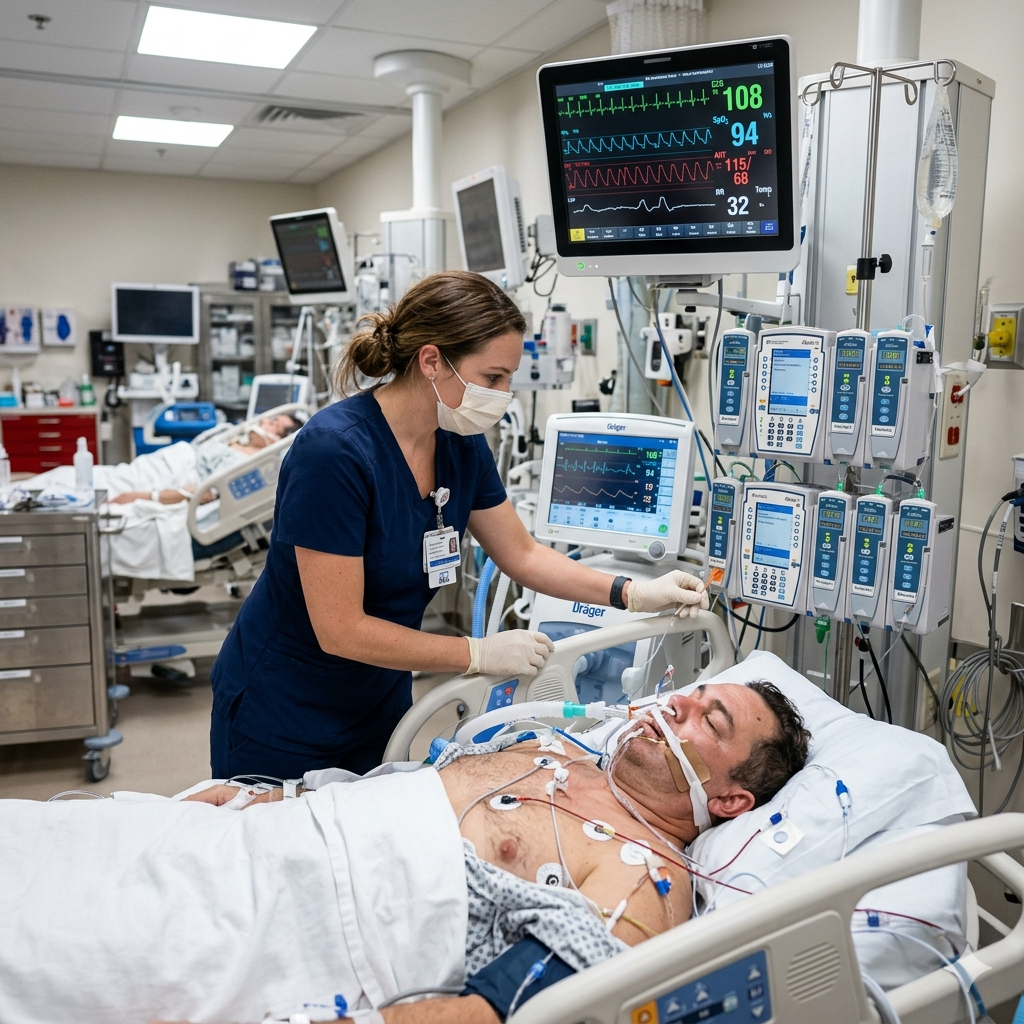
When the immune system turns on itself, the consequences can be catastrophic. Cytokine storm — a life-threatening hyperinflammatory response triggered by severe infections — demands rapid clinical recognition and decisive nursing action. For the registered nurse working in critical care or any acute setting, understanding this syndrome is not optional. It is a high-yield topic … Read more

High-Flow Nasal Cannula vs Non-Invasive Ventilation: A Nursing Guide for NCLEX and the ICU

HFNC vs non-invasive ventilation nursing

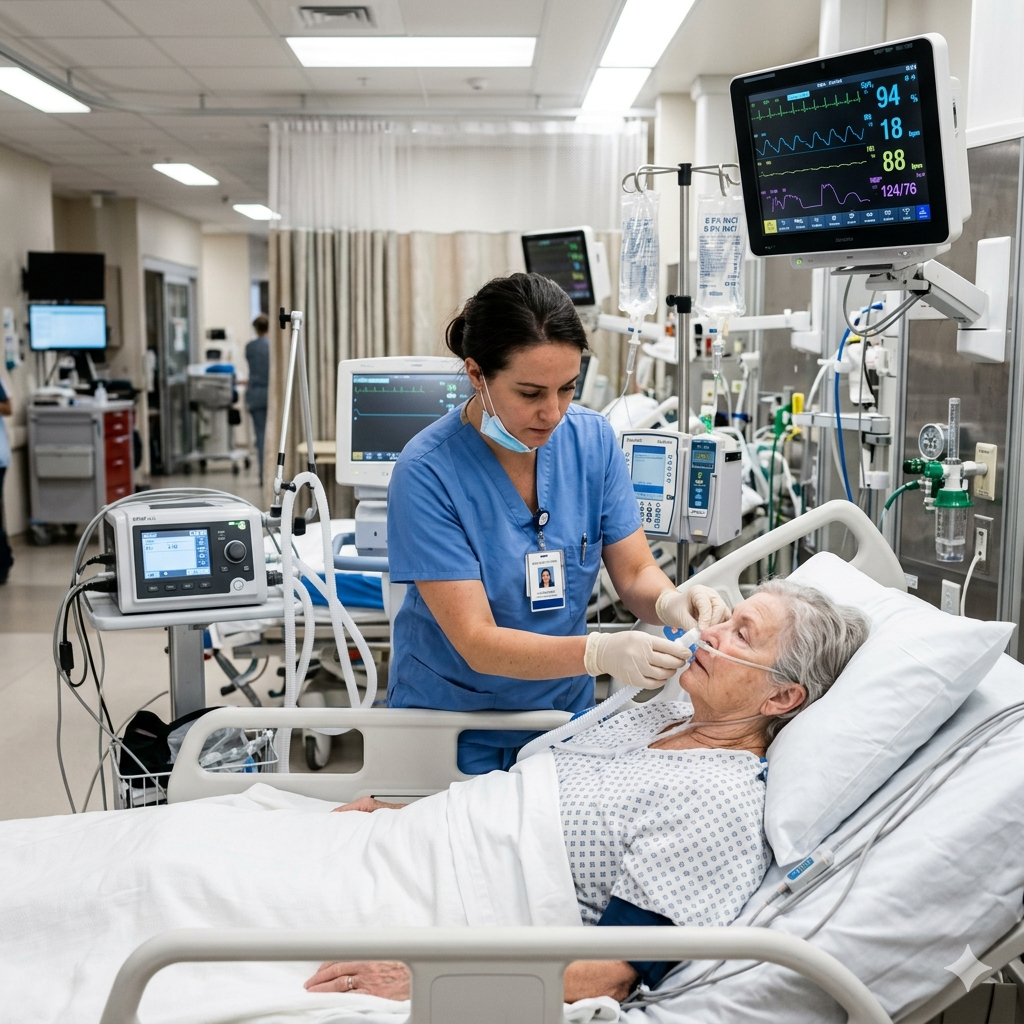
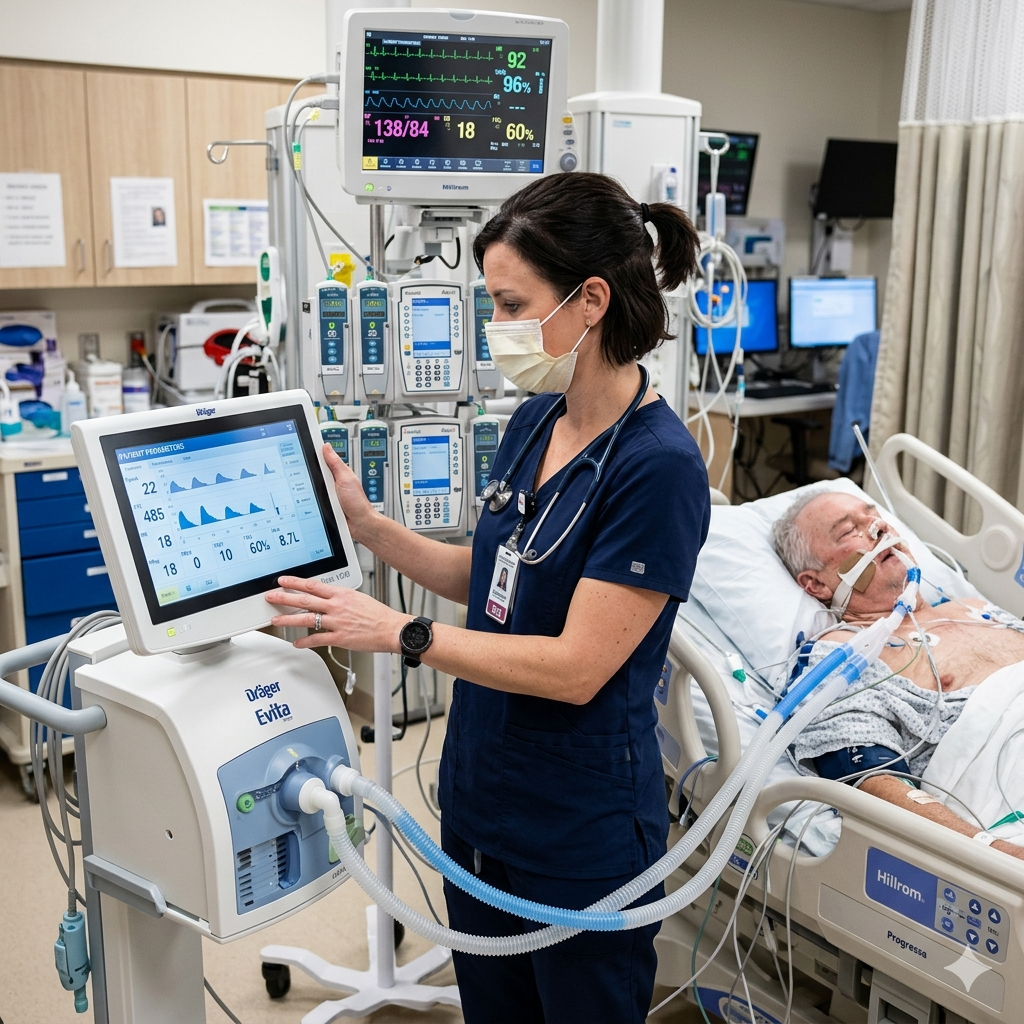
Respiratory failure is one of the most urgent clinical scenarios a registered nurse will encounter, and the choice between High-Flow Nasal Cannula (HFNC) and Non-Invasive Ventilation (NIV) — including BiPAP and CPAP — can directly influence patient outcomes. For nursing students preparing for the NCLEX and practicing RN nurses working in critical care or medical-surgical … Read more

Ventilator Weaning Failure: What Every Nursing Student and RN Nurse Must Know

ventilator weaning failure nursing

Mechanical ventilation is one of the most critical interventions in the ICU — but getting a patient off the ventilator is just as demanding as managing them on it. Ventilator weaning failure is a complex clinical challenge that every registered nurse working in critical care will encounter. For nursing students preparing for the NCLEX, understanding … Read more

Capnography EtCO₂ ICU Nursing: Beyond Ventilation Monitoring

capnography EtCO₂ ICU nursing

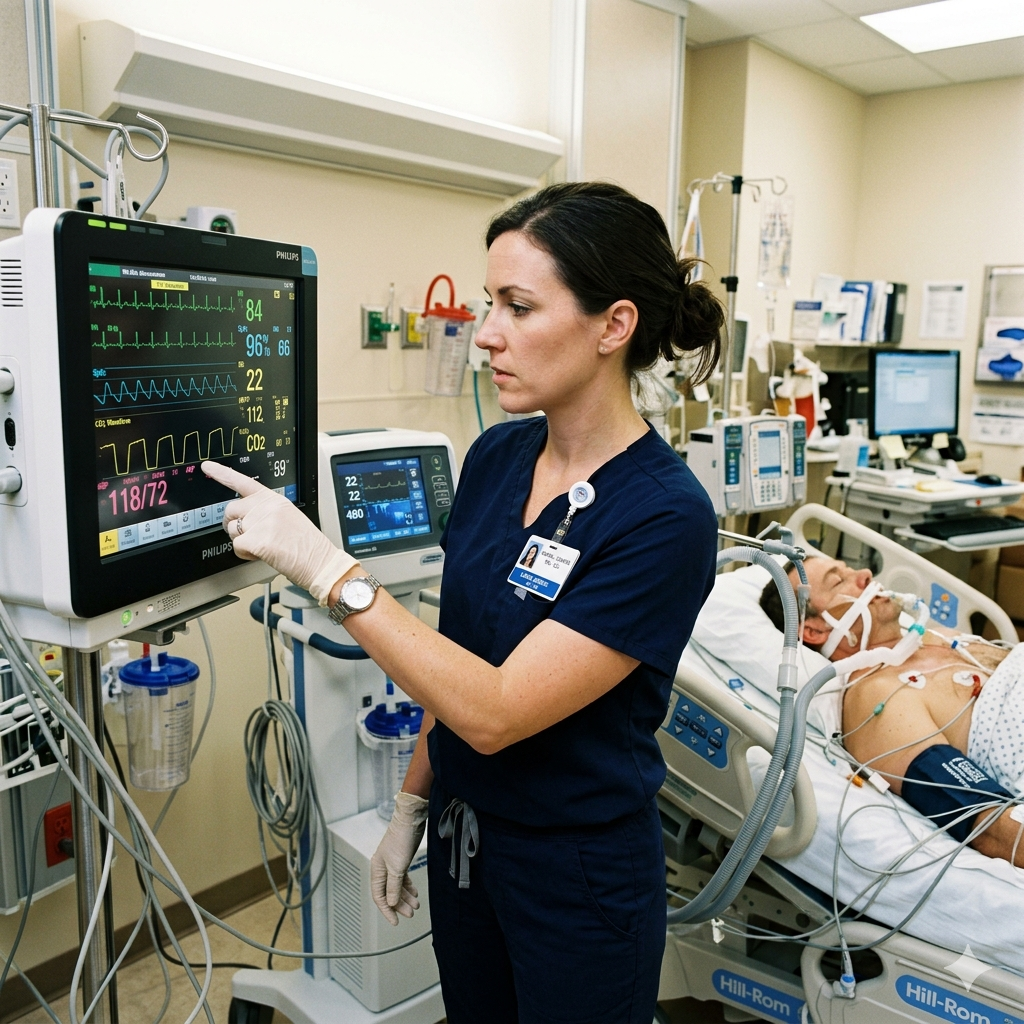
Capnography is one of the most clinically dense monitoring tools available in the ICU — and one of the most underutilized. For the registered nurse working in a critical care environment, understanding end-tidal carbon dioxide (EtCO₂) monitoring goes far beyond confirming endotracheal tube placement. It provides real-time insight into a patient’s ventilation, perfusion, metabolism, and … Read more

Passive Leg Raise Test: Predicting Fluid Responsiveness in Nursing Practice

passive leg raise test nursing

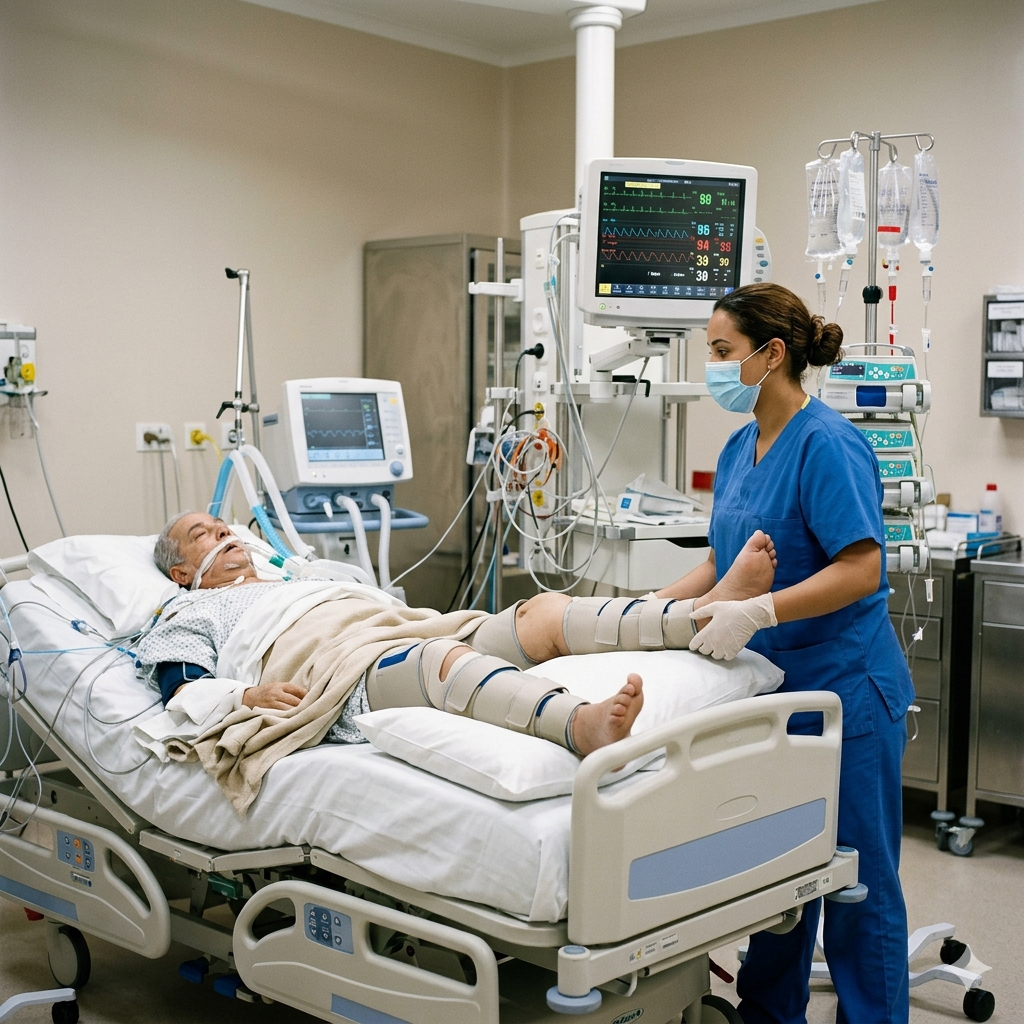
When a critically ill patient’s blood pressure drops, the instinct is to reach for a fluid bolus. But unnecessary fluids can harm patients. The passive leg raise (PLR) test gives nurses a powerful, reversible, and cost-free way to predict fluid responsiveness — without giving a single drop of IV fluid. Every registered nurse in an … Read more

Early Mobility Programs in ICU Patients

Early Mobility Programs in ICU

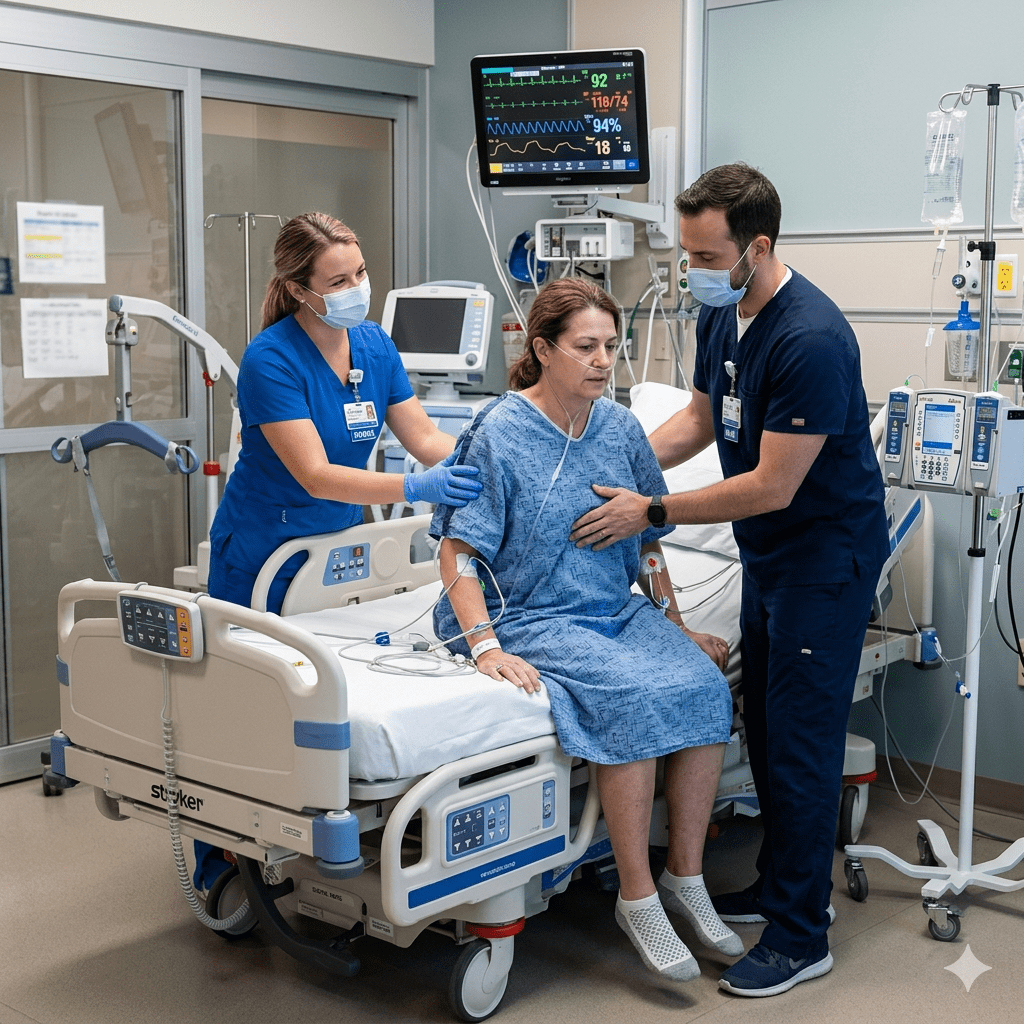
Early mobility programs are becoming an essential part of modern critical care. Traditionally, patients in the intensive care unit (ICU) were kept on prolonged bed rest. However, research now shows that early movement and physical activity can significantly improve recovery outcomes. Therefore, every nurse and registered nurse (RN nurse) working in critical care should understand … Read more

Fluid Resuscitation Strategies in Septic Shock

Fluid Resuscitation Strategies

Septic shock is a life-threatening medical emergency that requires rapid intervention to restore circulation and prevent organ failure. One of the most important treatments is fluid resuscitation, which helps improve blood pressure, tissue perfusion, and oxygen delivery. Because this condition progresses quickly, every nurse and registered nurse (RN nurse) working in emergency or intensive care … Read more

Bedside Ultrasound for Nurses in Critical Care

Bedside Ultrasound

Technology has rapidly transformed modern healthcare, and one of the most powerful tools used in critical care today is bedside ultrasound. This imaging technique allows healthcare professionals to quickly assess patients directly at the bedside without moving them to another department. For the nurse working in intensive care settings, understanding how bedside ultrasound supports clinical … Read more