Dynamic vs Static Hemodynamic Indicators for Fluid Responsiveness

Dynamic vs Static Hemodynamic Indicators

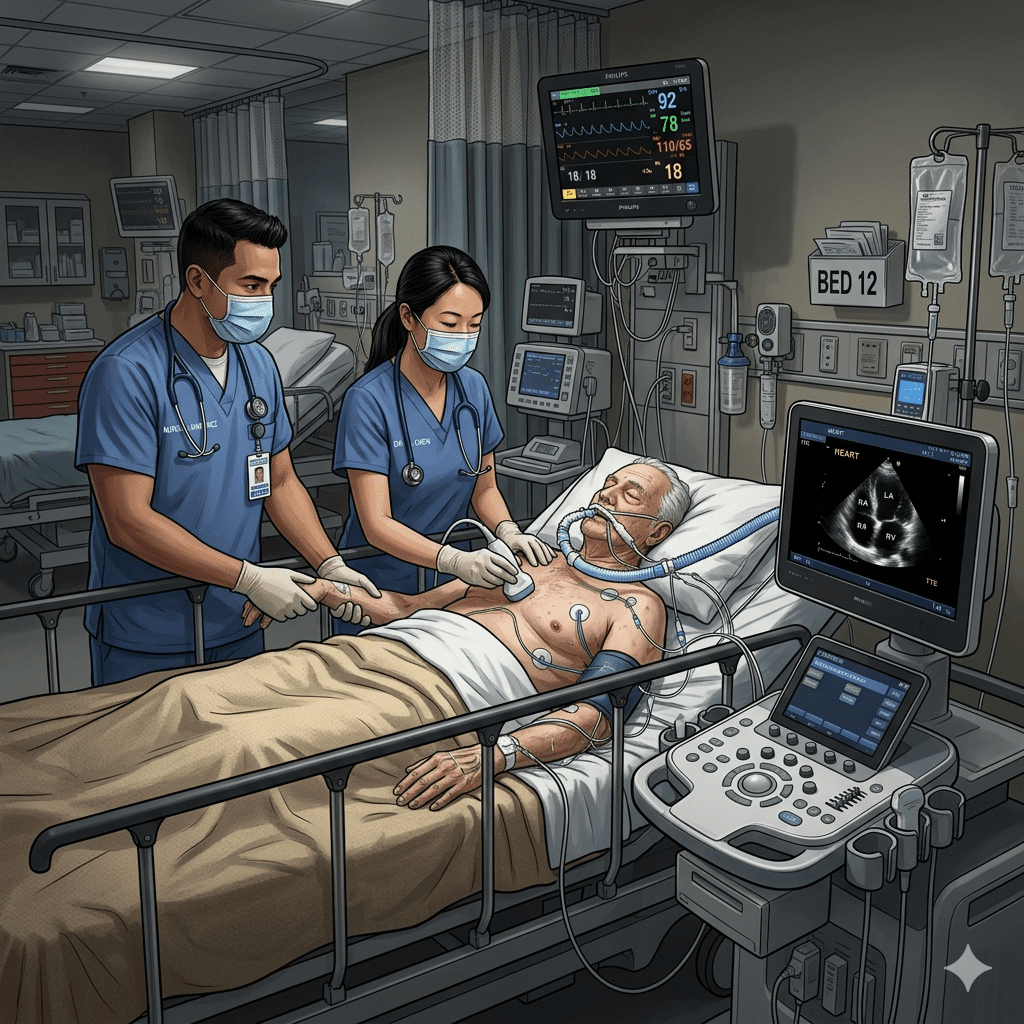
Managing fluid therapy is one of the most important aspects of care for critically ill patients. In emergency and intensive care settings, healthcare providers must determine whether a patient will benefit from additional intravenous fluids. Therefore, understanding hemodynamic indicators that predict fluid responsiveness is essential for every nurse and registered nurse (RN nurse) involved in … Read more

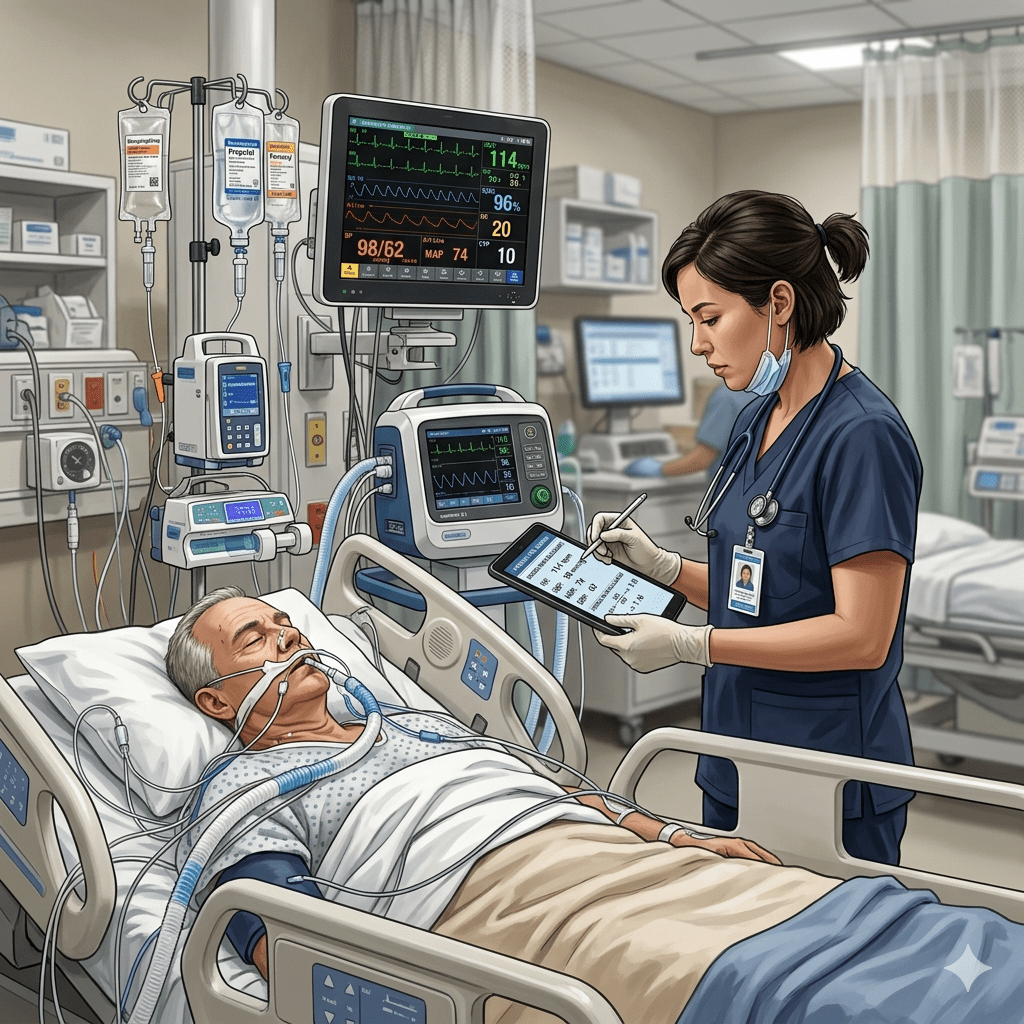
Ventilator-Associated Pneumonia Prevention Bundles

Ventilator-Associated Pneumonia

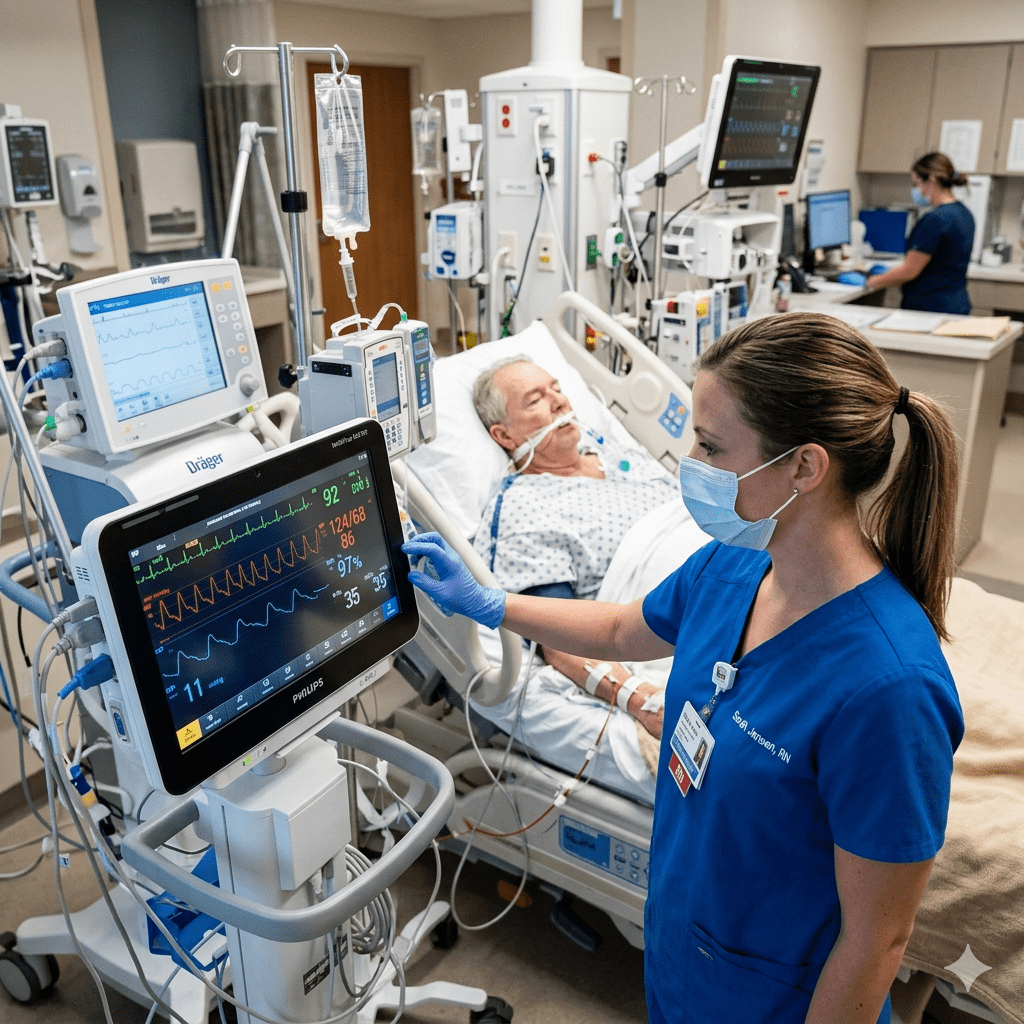
Ventilator-Associated Pneumonia (VAP) is one of the most common infections that can occur in critically ill patients who require mechanical ventilation. Because this infection can increase hospital stays, complications, and mortality rates, prevention is a major priority in intensive care units. Therefore, every nurse and registered nurse (RN nurse) must understand the strategies used to … Read more

Sedation Interruption (Daily Awakening Trials) in ICU Patients

Sedation Interruption

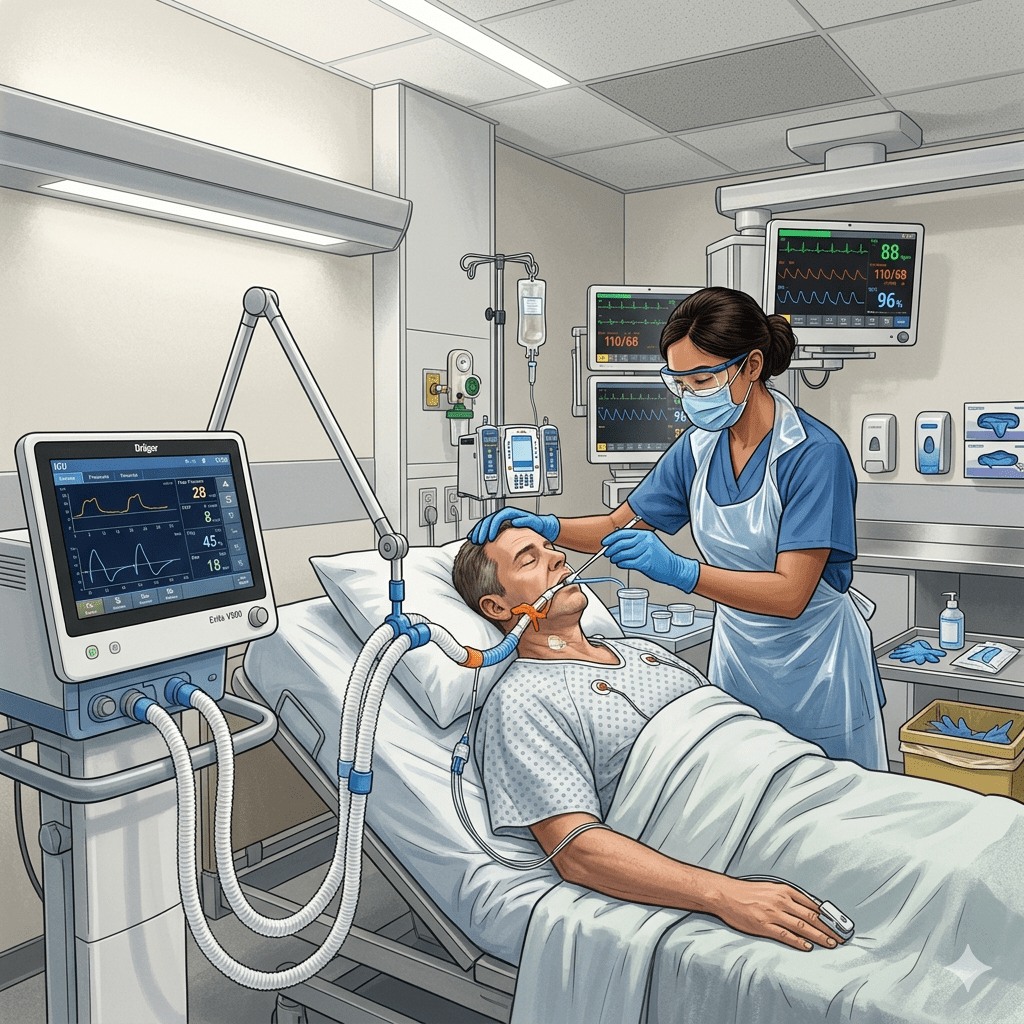
Sedation is commonly used in intensive care units (ICUs) to help critically ill patients tolerate mechanical ventilation, reduce anxiety, and prevent discomfort. However, prolonged sedation can lead to complications such as delirium, longer ventilator dependence, and extended ICU stays. Therefore, healthcare providers often use a strategy known as sedation interruption, also called Daily Awakening Trials … Read more

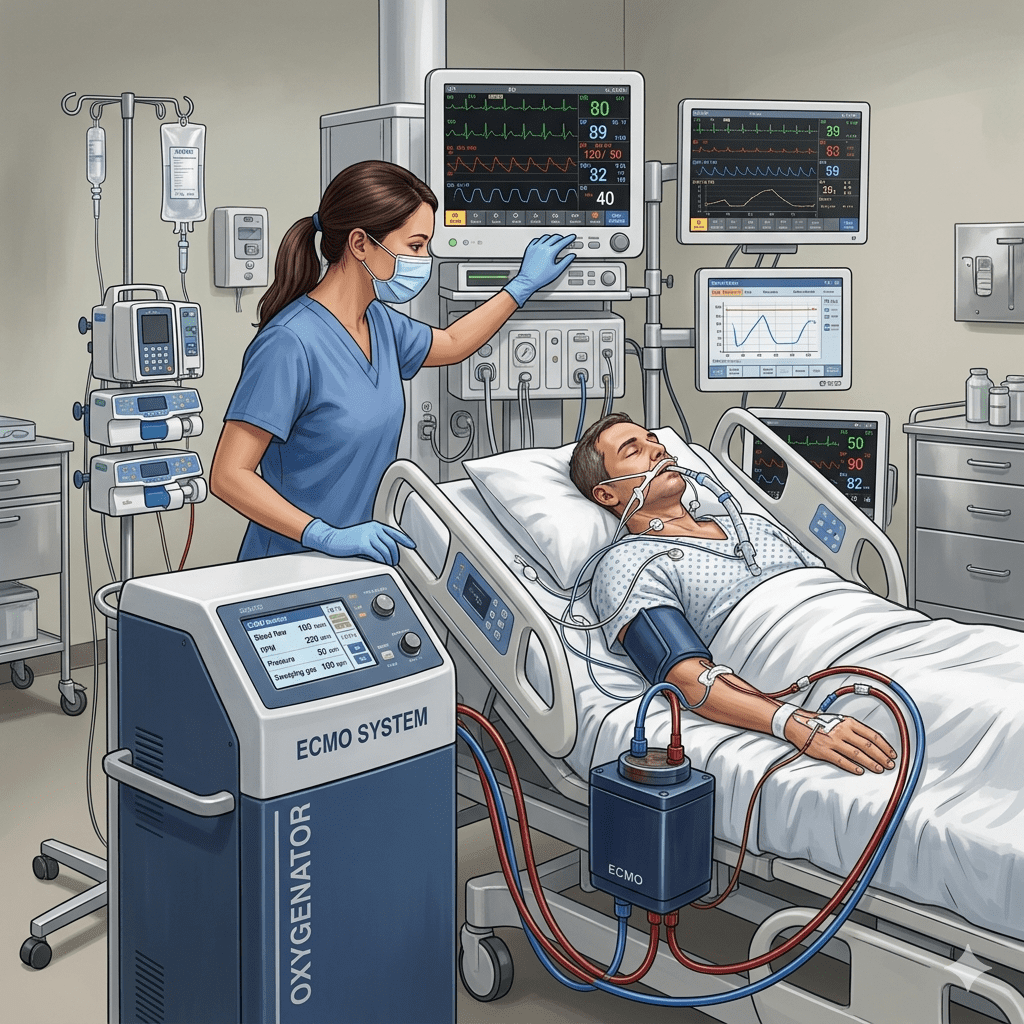
Extracorporeal Membrane Oxygenation (ECMO): Nursing Overview

ECMO

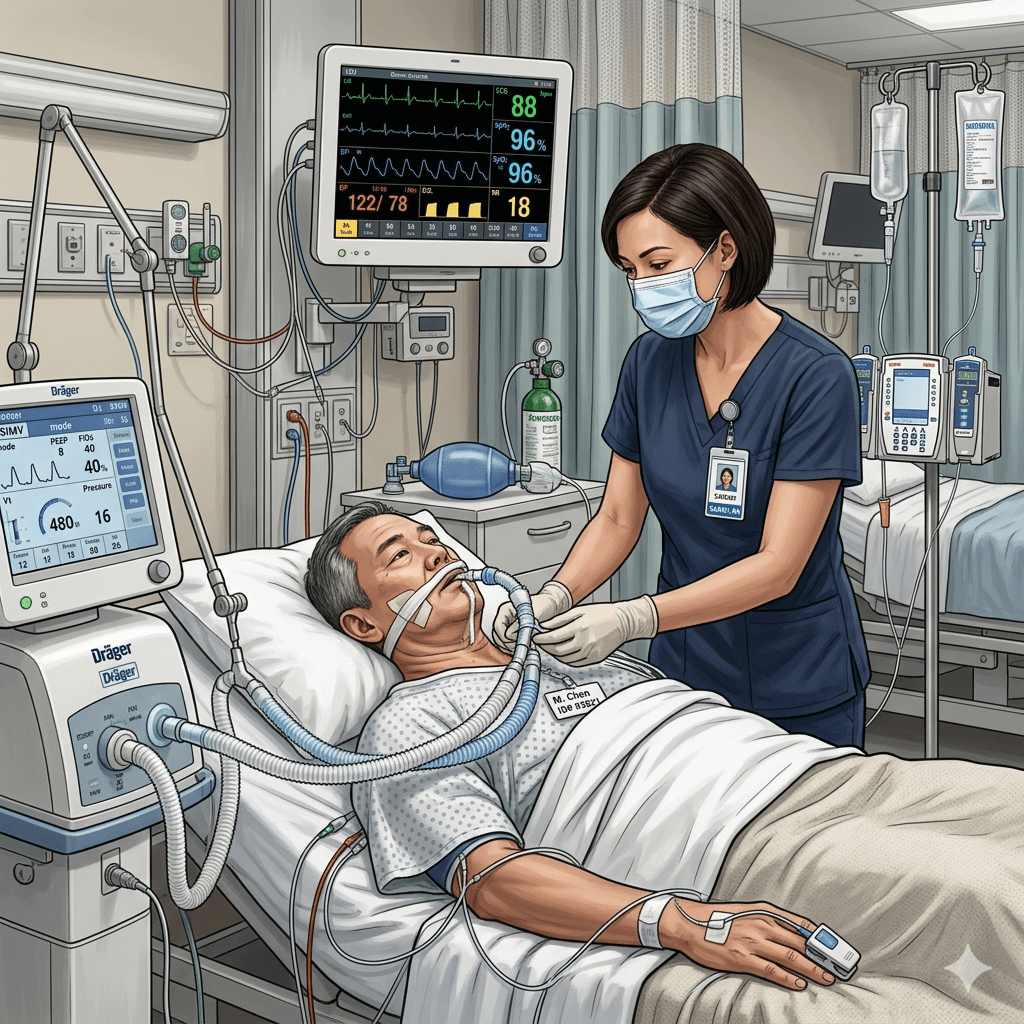
Extracorporeal Membrane Oxygenation (ECMO) is an advanced life-support technology used for patients with severe heart or lung failure. When conventional treatments such as mechanical ventilation or medications are not enough, ECMO can temporarily take over the function of the heart and lungs. Therefore, understanding the basics of ECMO is important for every nurse and registered … Read more

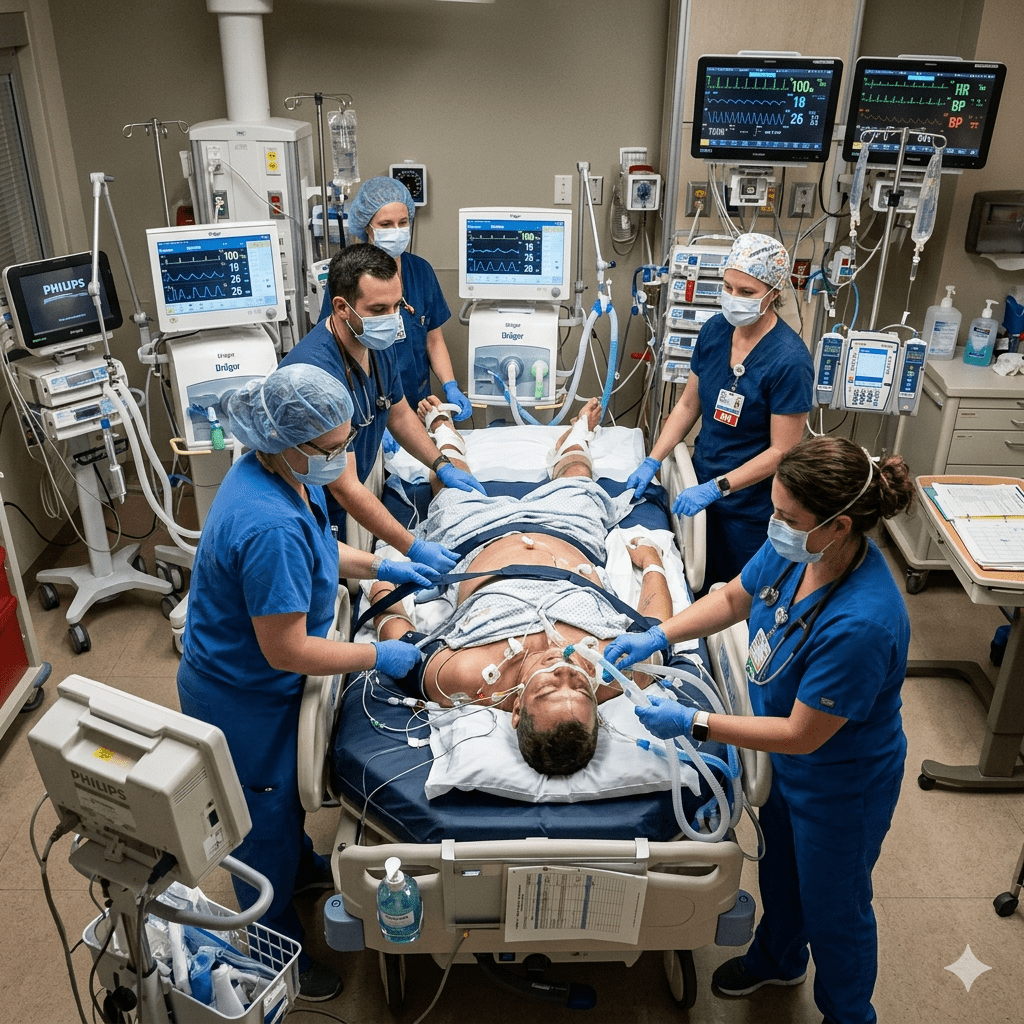
Prone Positioning in ARDS Patients: Nursing Safety Protocols

Prone Positioning in ARDS

Acute Respiratory Distress Syndrome (ARDS) is a severe lung condition that causes significant breathing difficulties and low oxygen levels. In critical care settings, one effective intervention used to improve oxygenation is prone positioning, which involves placing the patient face down instead of on their back. Therefore, understanding how to safely perform this procedure is essential … Read more

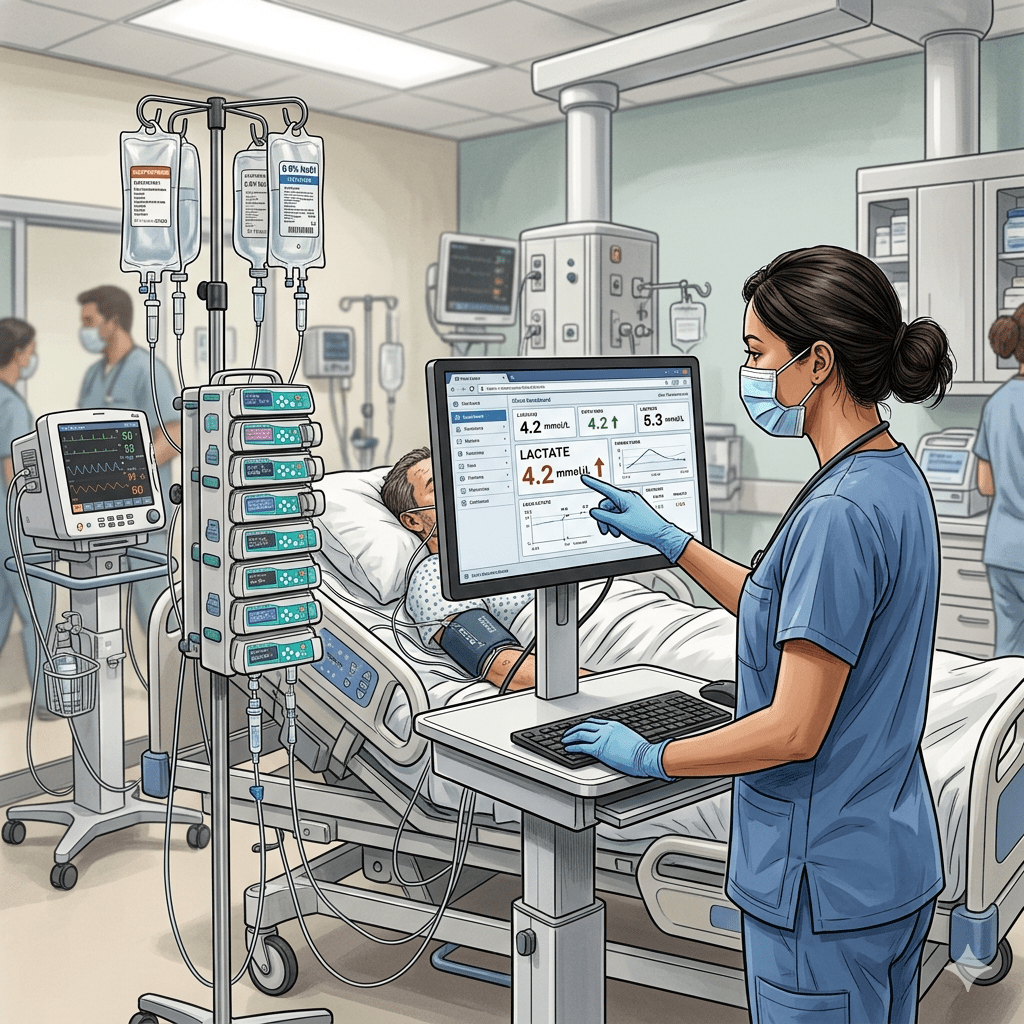
Lactate Monitoring in Septic Patients: What Rising Levels Mean

Lactate Monitoring in Sepsis Nurses

Sepsis is a life-threatening condition that requires rapid recognition and treatment. In critical care and emergency settings, one important laboratory value helps healthcare teams detect worsening circulation problems: lactate levels. Monitoring lactate is essential for evaluating tissue oxygenation and identifying patients at risk of septic shock. Therefore, every nurse and registered nurse (RN nurse) should … Read more

Shock Index in Critical Care: Early Detection of Hemodynamic Collapse

Shock Index in Critical Care

Early recognition of patient deterioration is one of the most important responsibilities in nursing. In critical care environments, subtle changes in vital signs can signal serious underlying problems. Therefore, tools that help detect early hemodynamic instability are extremely valuable for every nurse and registered nurse (RN nurse). One such tool is the Shock Index (SI). … Read more

Recognizing and Managing ICU Delirium Using CAM-ICU

Recognizing and Managing ICU Delirium

ICU delirium is a common yet often underrecognized complication in critically ill patients. For every nurse, especially the ICU registered nurse (RN nurse), early recognition and management of delirium are essential to improving outcomes. Because cognitive changes, neurological assessment, and prioritization are heavily tested on the NCLEX, understanding the Confusion Assessment Method for the ICU … Read more

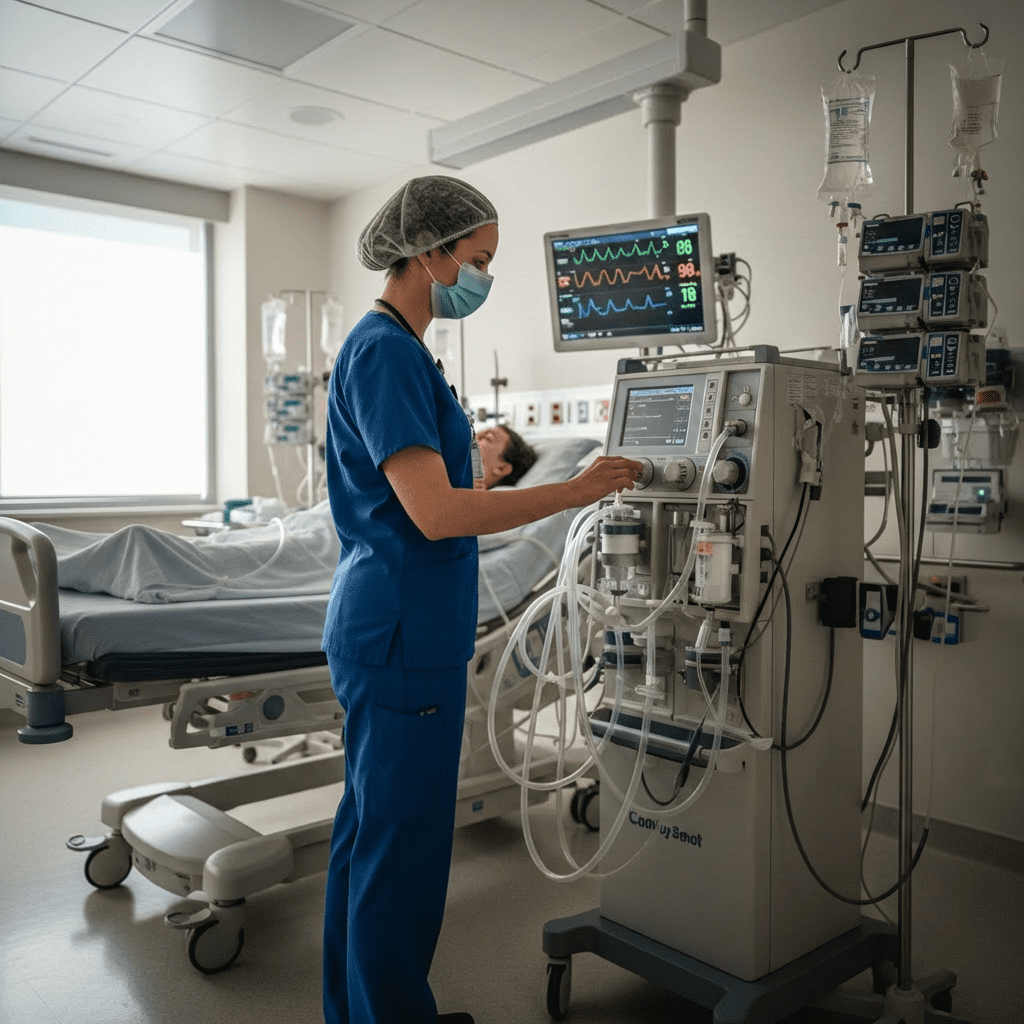
Continuous Renal Replacement Therapy (CRRT) Nursing Monitoring

Continuous Renal Replacement Therapy

Continuous Renal Replacement Therapy (CRRT) is a life-saving intervention used in critically ill patients with acute kidney injury (AKI) who are hemodynamically unstable. For every nurse, especially the ICU registered nurse (RN nurse), understanding CRRT monitoring is essential for patient safety and optimal outcomes. Because fluid balance, electrolyte management, and renal failure are heavily tested … Read more

Massive Transfusion Protocol (MTP) and Coagulopathy Management

Massive Transfusion Protocol

Massive hemorrhage is a life-threatening emergency requiring rapid, coordinated intervention. For every nurse, especially the critical care registered nurse (RN nurse), understanding the Massive Transfusion Protocol (MTP) is essential for saving lives. Because hemorrhage management and shock are high-yield topics on the NCLEX, mastering MTP and coagulopathy management strengthens both exam preparation and real-world nursing … Read more