Ethical Challenges in Critical Care

Ethical challenges in critical care

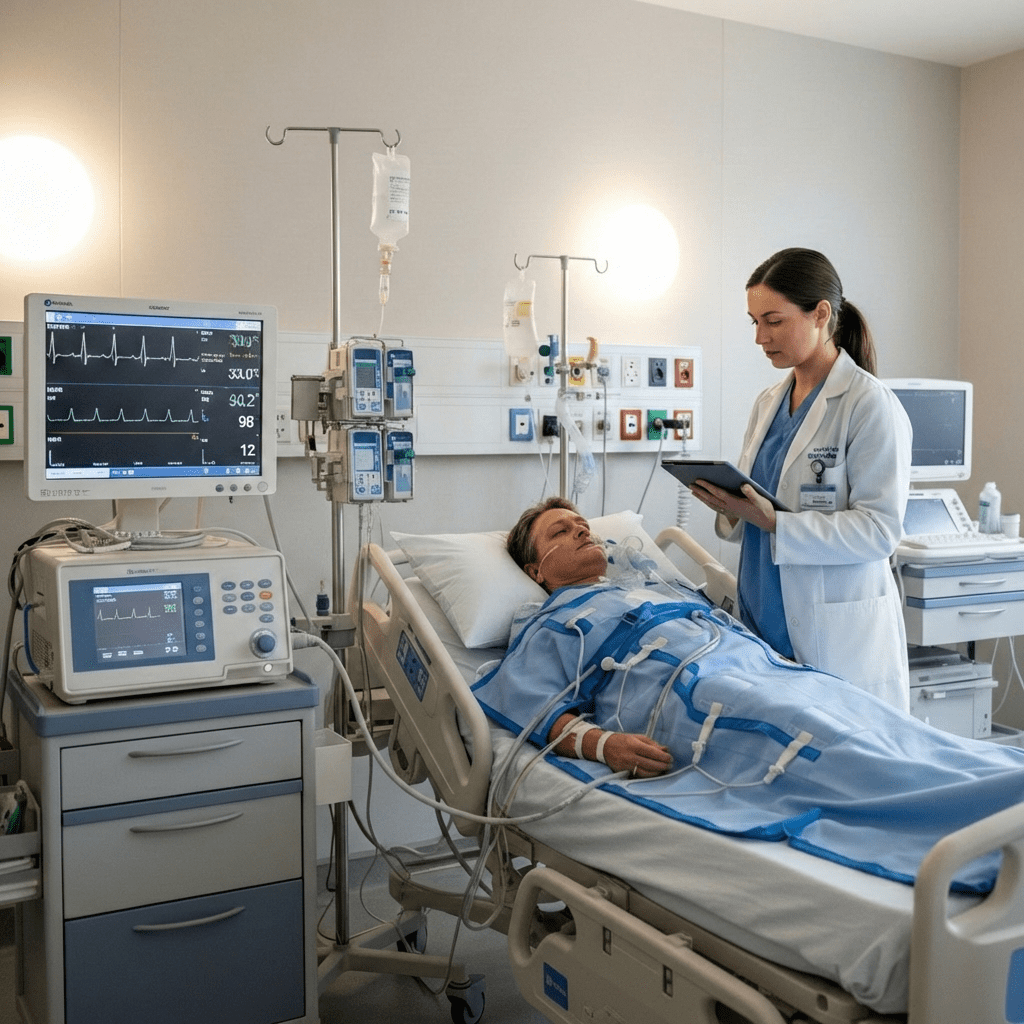
Critical care units are fast-paced, high-stakes environments where life-saving decisions are made every day. In these settings, ethical challenges are common and often complex. Because nurses are at the bedside continuously, the nurse plays a central role in identifying, addressing, and advocating through ethical dilemmas. For this reason, ethical challenges in critical care are frequently … Read more

Preventing ICU-Acquired Weakness

Preventing ICU-acquired weakness

ICU-acquired weakness (ICU-AW) is a common but often underrecognized complication in critically ill patients. It leads to muscle loss, delayed recovery, prolonged mechanical ventilation, and extended hospital stays. Because nurses spend the most time at the bedside, the nurse plays a key role in prevention, early recognition, and daily interventions. For this reason, ICU-acquired weakness … Read more

ICU Nutrition: Enteral vs Parenteral Feeding

ICU nutrition enteral vs parenteral feeding

Nutrition support is a critical part of care in the Intensive Care Unit (ICU). Critically ill patients often cannot meet their nutritional needs orally due to mechanical ventilation, altered consciousness, or severe illness. For this reason, nurses play a central role in managing enteral and parenteral feeding, monitoring for complications, and ensuring safe delivery of … Read more

Recognizing Deteriorating Patients Early: A Nursing & NCLEX Guide

Recognizing deteriorating patients early

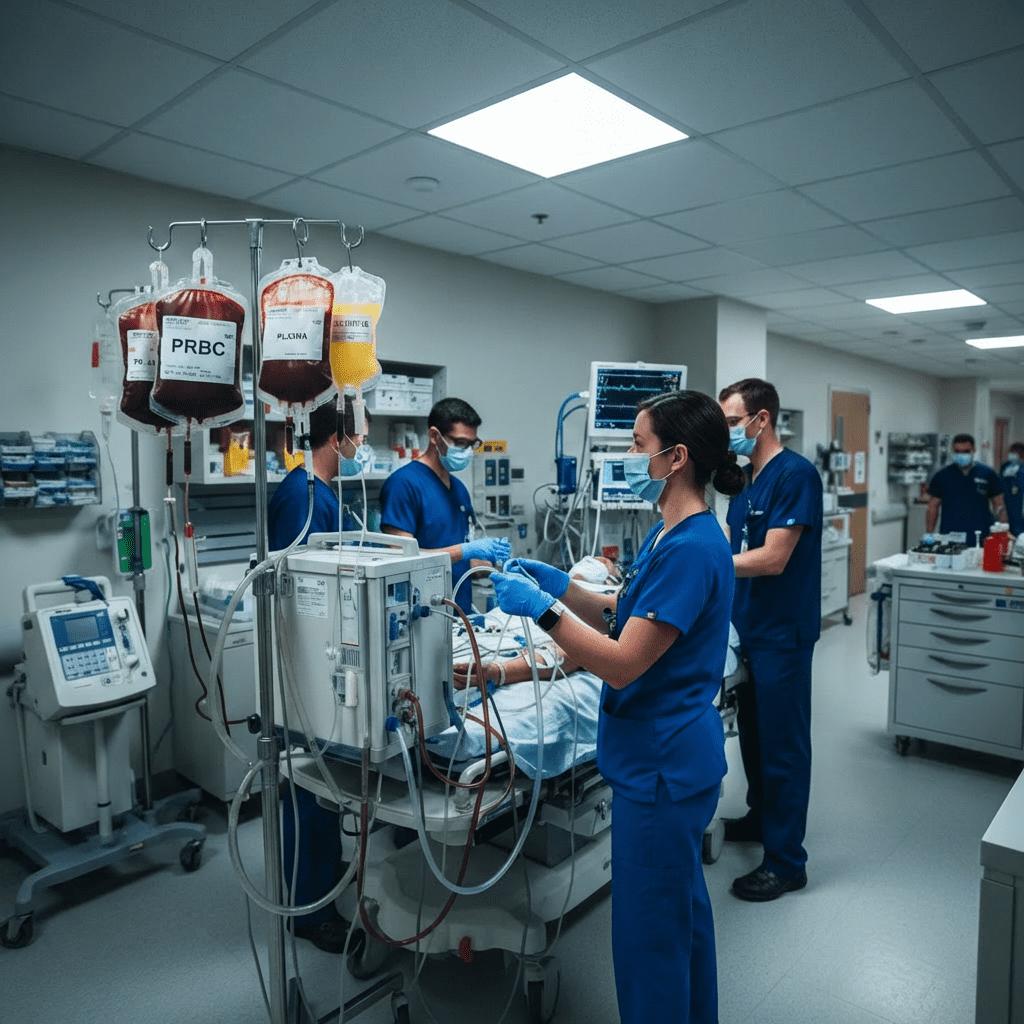
Recognizing deteriorating patients early is a critical nursing responsibility that directly saves lives. Every nurse and registered nurse (RN nurse) must be able to identify subtle changes in a patient’s condition before a medical emergency occurs. Because early deterioration often presents with mild or nonspecific signs, prompt recognition and intervention are essential. Therefore, this topic … Read more

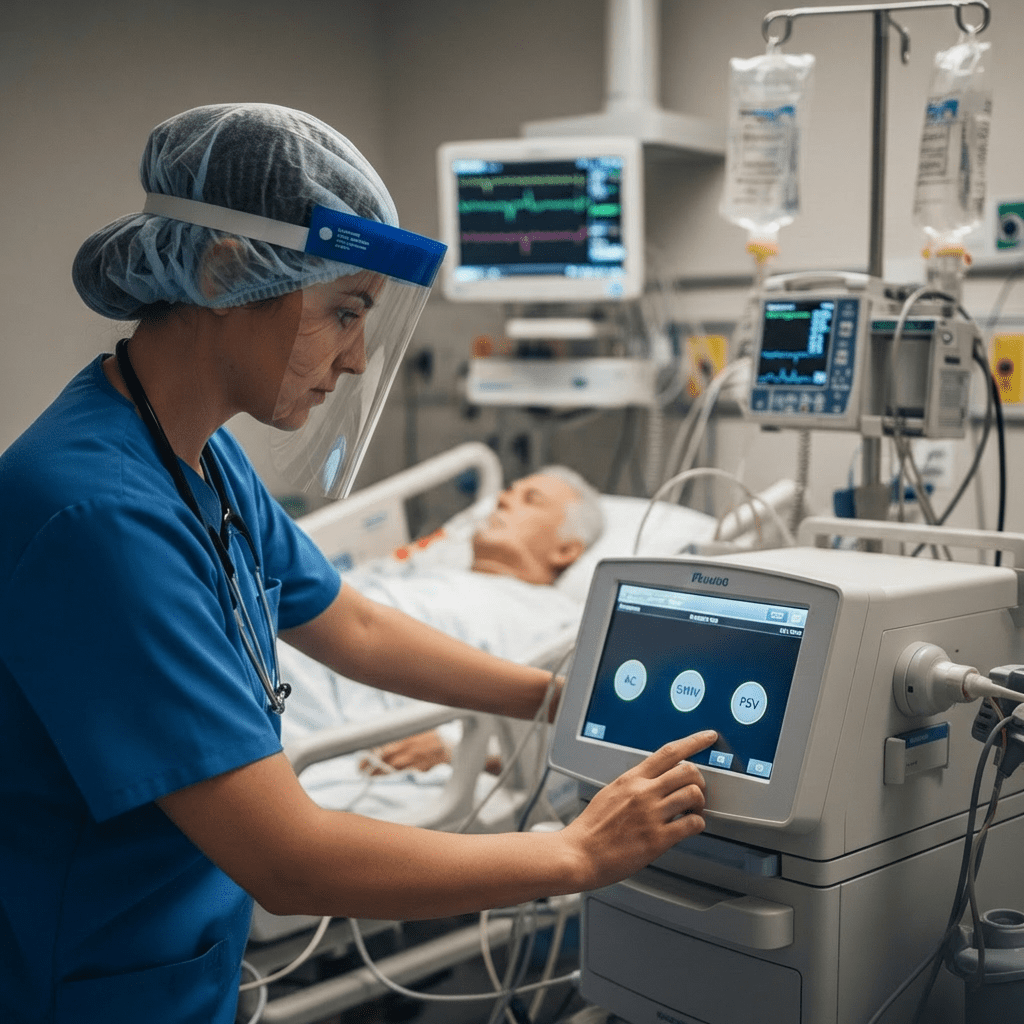
Caring for Patients with ARDS: A Nursing Guide for Safe and Effective Care

Caring for patients with ARDS

Acute Respiratory Distress Syndrome (ARDS) is a life-threatening condition that requires rapid assessment, close monitoring, and skilled nursing care. For every nurse working in ICU, emergency, or step-down units—and for every registered nurse (RN nurse) preparing for the NCLEX—understanding ARDS is essential. This article simplifies ARDS pathophysiology, treatment, and nursing responsibilities to help nurses provide … Read more

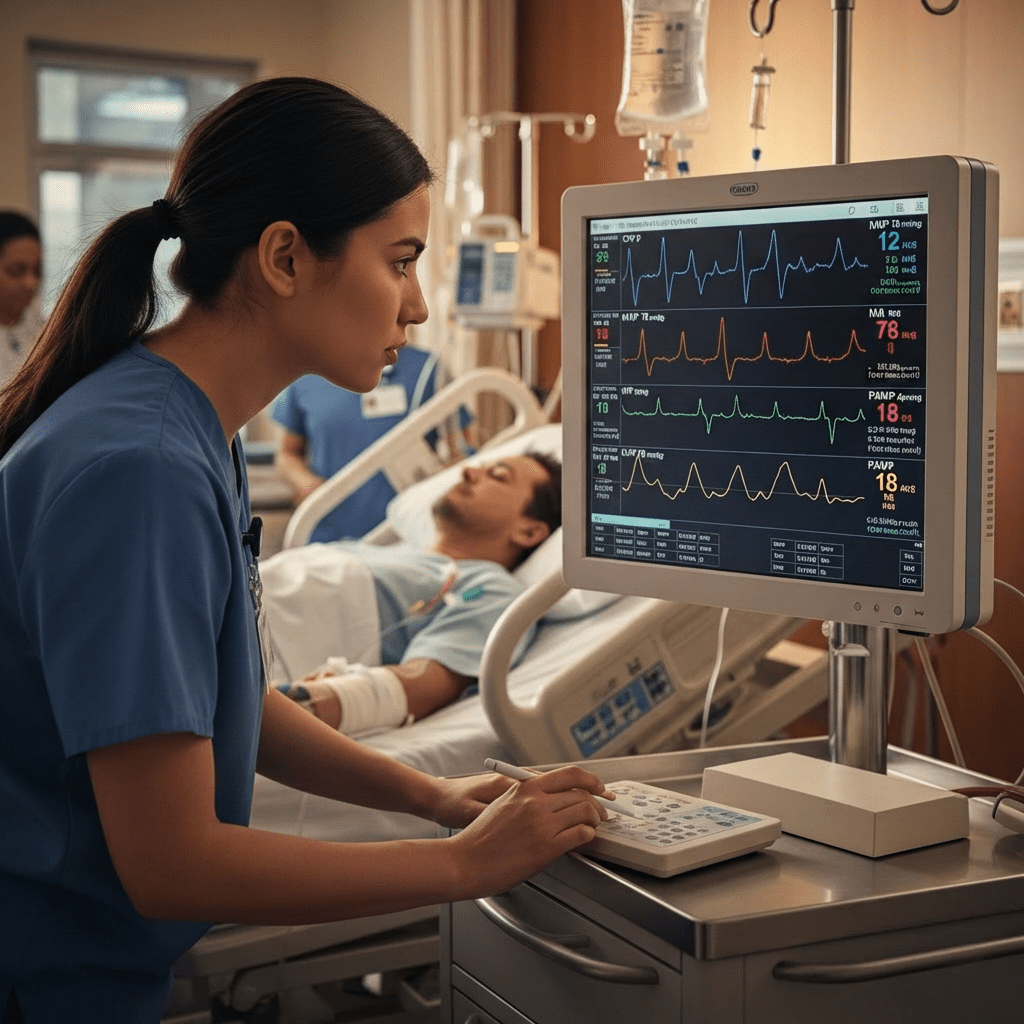
Hemodynamic Monitoring: Line Types and Meanings (Made Simple for Nurses)

Hemodynamic Monitoring

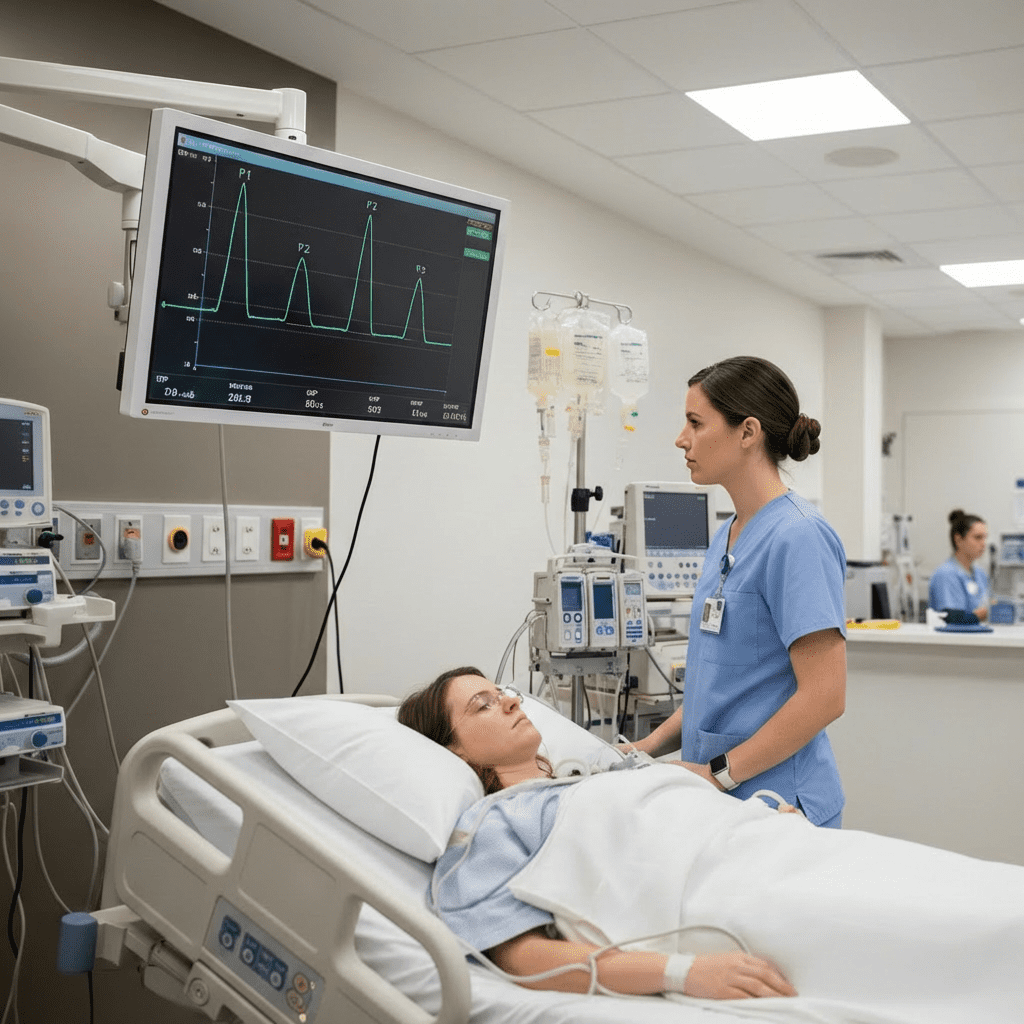
Hemodynamic monitoring is a critical skill every nurse working in ICU, ER, or step-down units must understand. For the registered nurse (RN nurse) preparing for the NCLEX, knowing line types, waveforms, and what they measure can make a big difference in patient outcomes. This guide breaks down hemodynamic monitoring in a simple, practical way for … Read more

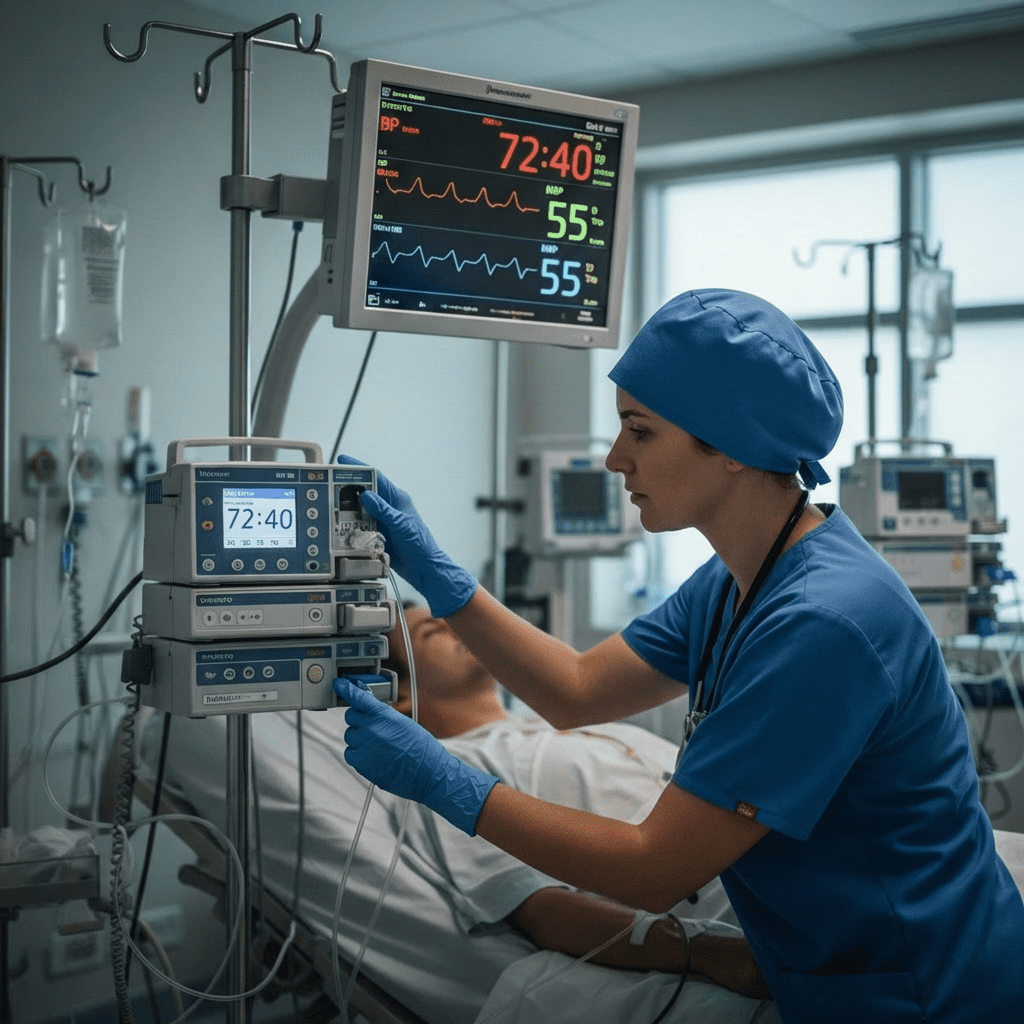
Managing Patients on Vasopressors

Managing patients on vasopressors

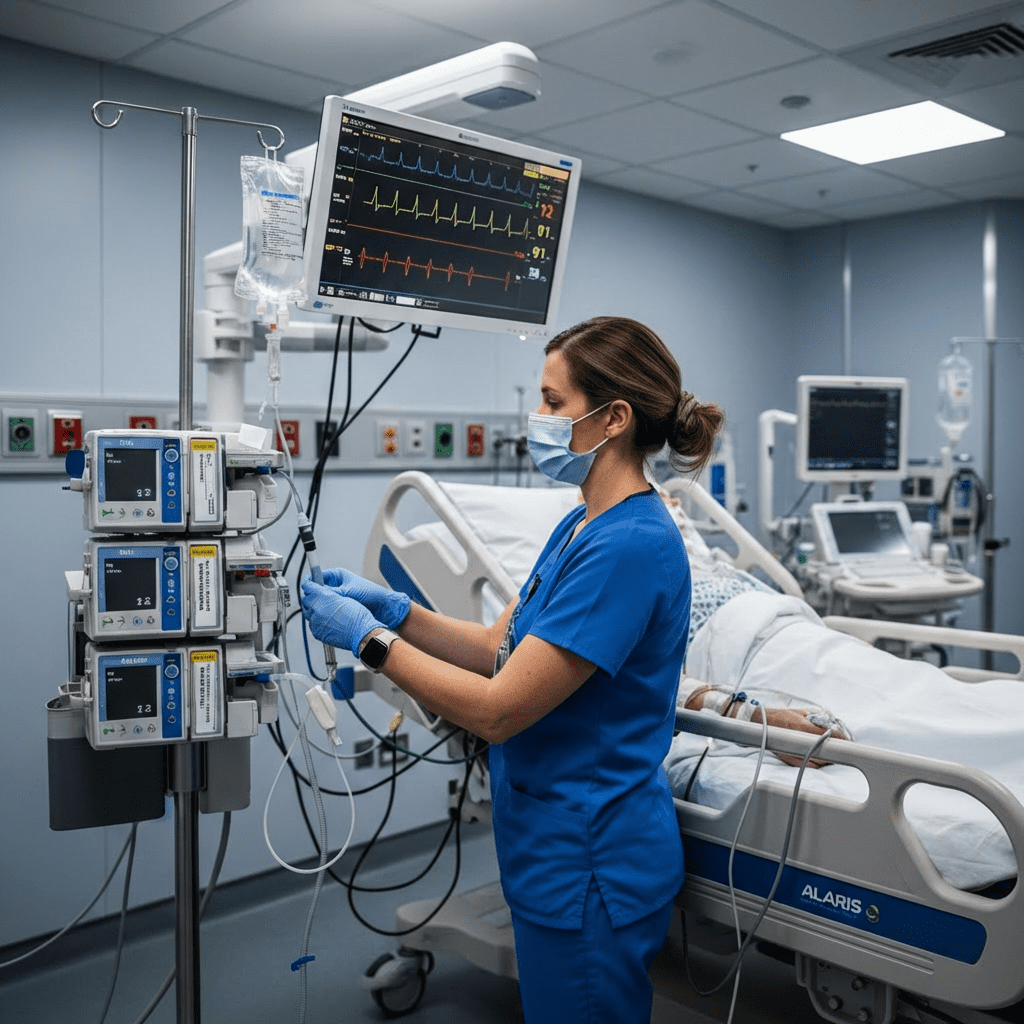
Vasopressors are powerful medications used to support blood pressure and maintain organ perfusion in critically ill patients. Managing patients on vasopressors is a high-priority nursing responsibility and a common topic on the NCLEX. Every nurse, especially a registered nurse or RN nurse working in acute or critical care, must understand how these medications work and … Read more