
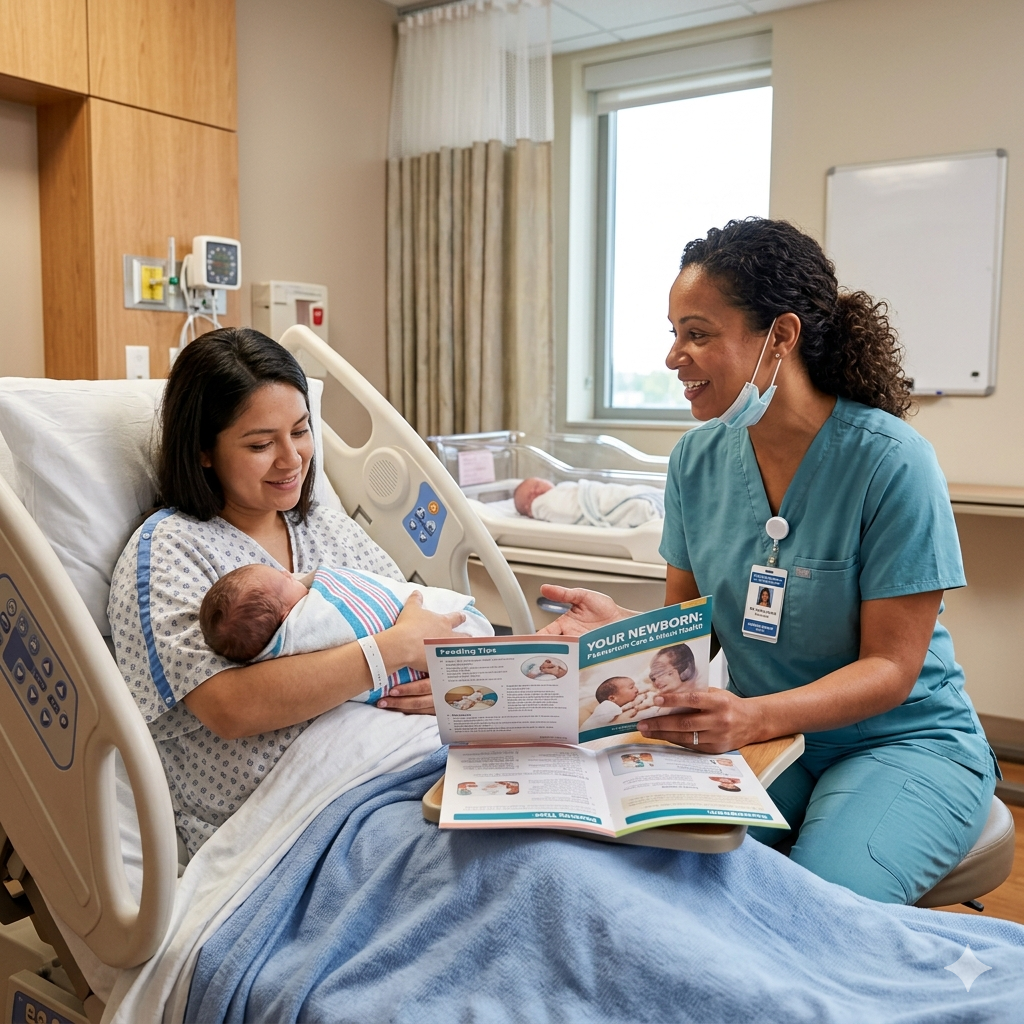
Dyspareunia — painful sexual intercourse — is one of the most underreported yet clinically significant complications of the postpartum period. Nursing students preparing for the NCLEX and practicing RN nurses alike must recognize that this condition affects a substantial proportion of postpartum patients and carries consequences for physical health, relationship well-being, and psychological recovery. Dyspareunia after childbirth nursing care centers on thorough assessment, evidence-based education, and compassionate communication. A strong understanding of its causes, risk factors, and management strategies is essential for any nurse entering maternity or women’s health practice.
What Is Postpartum Dyspareunia?
Postpartum dyspareunia refers to persistent genital or pelvic pain experienced during or after sexual intercourse following childbirth. It may occur at vaginal entry (introital dyspareunia), deeper within the pelvis (deep dyspareunia), or as a combination of both.
Studies suggest that up to 85% of postpartum women experience some form of sexual pain in the weeks following delivery, and a significant subset — particularly those with perineal trauma — report symptoms persisting beyond six months. Despite its prevalence, many patients do not voluntarily disclose discomfort to their healthcare providers, making proactive nursing assessment critical.
For NCLEX preparation, registered nurse candidates should be able to distinguish dyspareunia from other postpartum complications, identify contributing physiological causes, and apply appropriate nursing interventions within the scope of postpartum care.
Primary Causes of Dyspareunia After Childbirth
Understanding the etiology of postpartum dyspareunia allows the nurse to tailor education and referrals appropriately. Several overlapping causes are commonly identified:
Perineal Trauma and Repair
Perineal lacerations (first through fourth degree) and episiotomies are leading contributors to dyspareunia. Scar tissue formation, suture site sensitivity, and inadequate healing can result in pain upon penetration. Fourth-degree lacerations, which extend through the anal sphincter and rectal mucosa, carry the highest risk for chronic pelvic pain and sexual dysfunction.
Hormonal Changes
Postpartum estrogen levels drop significantly, especially in breastfeeding patients. Hypoestrogenism leads to vaginal atrophy, thinning of vaginal mucosa, and markedly reduced lubrication — creating friction and pain during intercourse. This hormonal shift is one of the most common reversible causes of dyspareunia after childbirth.
Pelvic Floor Dysfunction
Childbirth places extreme mechanical stress on the levator ani muscle group and surrounding pelvic floor structures. Hypertonic pelvic floor dysfunction — in which muscles are chronically contracted rather than relaxed — is a frequent postpartum finding that directly causes introital and deep dyspareunia.
Psychological and Psychosocial Factors
Fear of pain, body image changes, fatigue, and postpartum depression all interact with physical healing to amplify pain perception. The nurse must assess these dimensions as part of a comprehensive postpartum evaluation.
BUBBLE-HE Framework and Perineal Assessment
The BUBBLE-HE postpartum assessment framework provides a structured approach to evaluating new mothers. The letters stand for: Breasts, Uterus, Bowel, Bladder, Lochia, Episiotomy/laceration, Homan’s sign (now largely replaced by DVT screening), and Emotional status.
For dyspareunia after childbirth nursing assessment, the “E” component — episiotomy and laceration evaluation — and the emotional component are particularly relevant. The nurse should:
- Inspect the perineum for signs of infection, dehiscence, hematoma, or excessive scarring
- Ask open-ended, non-judgmental questions about sexual health concerns
- Use validated tools such as the Female Sexual Function Index (FSFI) or direct intake questions to screen for dyspareunia
- Document findings thoroughly and refer to the provider or pelvic floor physical therapist as appropriate
Nurses should avoid assuming that postpartum patients are not yet thinking about sexual activity. Many couples resume intercourse within six to eight weeks of delivery, making anticipatory guidance essential before discharge.
Nursing Interventions for Postpartum Dyspareunia
The RN nurse plays a central role in both direct care and patient education. Evidence-based nursing interventions include the following:
Pain and Wound Care:
- Encourage sitz baths two to three times daily during early recovery to promote perineal healing
- Advise cool packs or witch hazel pads for localized swelling and discomfort
- Teach proper perineal hygiene — front-to-back cleansing and gentle patting dry
Lubricant Education:
- Counsel patients on the use of water-based lubricants prior to resuming intercourse, especially in breastfeeding individuals with low estrogen levels
- Clarify that lubricant use is medically appropriate and reduces friction-related trauma
Pelvic Floor Rehabilitation:
- Reinforce the importance of pelvic floor exercises (Kegel exercises) to restore muscle tone and reduce hypertonic tension
- Refer patients experiencing persistent pelvic floor dysfunction to a pelvic floor physical therapist, a highly effective intervention for chronic dyspareunia
Pharmacological Considerations:
- The registered nurse should be familiar with topical low-dose vaginal estrogen, which providers may prescribe for breastfeeding patients with significant vaginal atrophy — it carries minimal systemic absorption and is considered safe during lactation
- Ensure patients understand how and when to apply prescribed topical agents
Psychosocial Support:
- Screen for postpartum depression using the Edinburgh Postnatal Depression Scale (EPDS), as untreated depression intensifies pain perception
- Normalize the experience of dyspareunia — reassure patients that it is common, treatable, and not a permanent condition
- Encourage open communication with partners and, when indicated, suggest couples counseling or sexual health therapy
Patient Education: What Every Postpartum Nurse Should Teach
Patient education is a cornerstone of dyspareunia after childbirth nursing management. The following key teaching points should be delivered before hospital discharge and reinforced at the postpartum follow-up visit:
| Teaching Topic | Key Message |
|---|---|
| Timeline for resuming intercourse | Most providers recommend waiting 6 weeks; individualize based on healing |
| Hormonal changes and dryness | Breastfeeding lowers estrogen; vaginal dryness is expected and manageable |
| Lubricant use | Water-based lubricants reduce friction and improve comfort |
| Pelvic floor exercises | Kegels improve muscle tone; avoid if pelvic floor is hypertonic |
| When to call the provider | Persistent pain beyond 3 months, signs of infection, or worsening symptoms |
| Mental health | Anxiety and depression worsen pain; support resources are available |
Nurses working in postpartum settings should document the delivery of sexual health education and the patient’s demonstrated understanding before discharge, consistent with nursing standards of practice.
💡 NCLEX Tips for Dyspareunia After Childbirth
- Breastfeeding = low estrogen = vaginal dryness: Expect NCLEX questions linking lactation to hypoestrogenism and vaginal atrophy.
- Fourth-degree lacerations carry the highest risk for long-term pelvic pain and sexual dysfunction — know the classification of perineal tears.
- Pelvic floor physical therapy is a first-line, evidence-based nursing referral for persistent postpartum dyspareunia.
- When a postpartum patient reports pain with intercourse, the nursing priority is assessment and validation — never dismiss the complaint.
- Water-based lubricants are safe during breastfeeding; avoid oil-based products with latex barrier contraceptives.
Special Considerations: Cesarean Birth and Dyspareunia
Dyspareunia after childbirth is not exclusive to vaginal deliveries. Patients who delivered by cesarean section (C-section) may experience:
- Incisional adhesions that cause deep pelvic pain during intercourse
- Altered pelvic floor dynamics due to disruption of abdominal musculature
- Psychological distress related to body image or unexpected surgical delivery
The nursing assessment for C-section patients should include evaluation of the incision site for adhesion formation and therapeutic communication addressing any emotional concerns related to the birth experience. Referral to a pelvic floor specialist remains appropriate regardless of delivery mode.
Conclusion
Dyspareunia after childbirth is a prevalent, multifactorial condition that demands attentive nursing assessment and thorough patient education. From perineal lacerations and hypoestrogenism to pelvic floor dysfunction and psychosocial stress, the causes are interconnected — and the nursing response must be equally comprehensive. Every RN nurse caring for postpartum patients has both the opportunity and the responsibility to open these conversations, normalize the experience, and connect patients to the resources they need.
For nursing students building their clinical knowledge base, reviewing postpartum care through a structured nursing bundle ensures no aspect of the BUBBLE-HE assessment is overlooked. Strengthen your understanding and test your readiness with NCLEX-style practice questions at rn-nurse.com/nclex-qcm/, or explore comprehensive postpartum nursing modules at rn-nurse.com/nursing-courses/.