Electroconvulsive Therapy (ECT): The Nursing Role Every RN Nurse Must Master

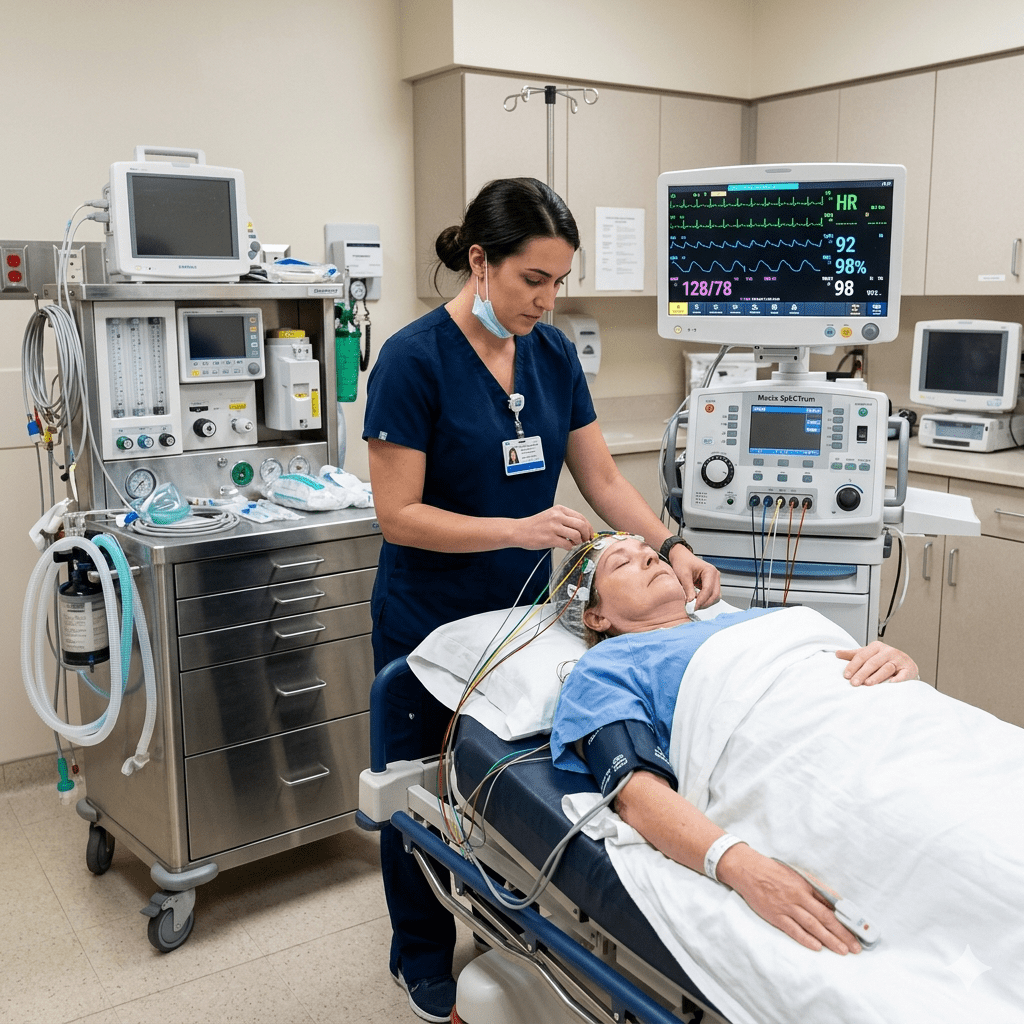
ECT nursing role

Electroconvulsive therapy (ECT) remains one of the most effective treatments for severe, treatment-resistant psychiatric conditions — yet it is also one of the most misunderstood procedures in mental health nursing. For the registered nurse working in psychiatric settings, understanding the full scope of the ECT nursing role is not optional. It is a clinical responsibility, … Read more

Psychiatric Emergency Triage Nursing in ER Settings

psychiatric emergency triage nursing

When a patient in acute psychological crisis walks through the emergency department doors, the registered nurse at triage is the first line of response. Psychiatric emergency triage nursing demands a unique blend of rapid clinical judgment, de-escalation skill, and structured safety assessment — competencies that are both NCLEX-tested and life-saving in practice. Mental health emergencies … Read more

Therapeutic Milieu in Psychiatric Nursing: What Every RN Nurse Must Know

therapeutic milieu psychiatric nursing

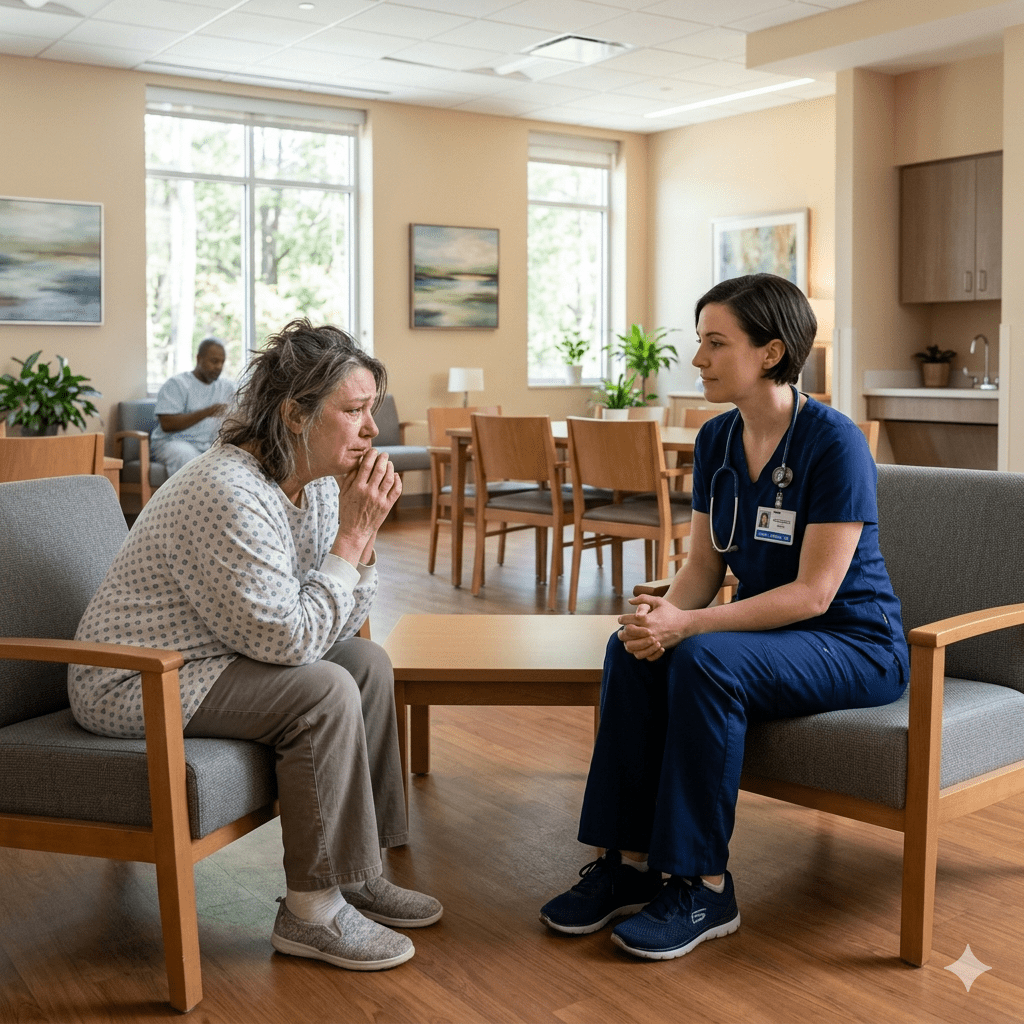
The environment itself is a treatment tool. In psychiatric nursing, the concept of therapeutic milieu refers to a carefully structured, safe, and healing environment designed to support a patient’s emotional, psychological, and social recovery. For any registered nurse working in a mental health setting — or preparing for the NCLEX — understanding how to create … Read more

Akathisia, Dystonia, and Tardive Dyskinesia: What Every Nursing Student Must Know for the NCLEX

akathisia dystonia tardive dyskinesia nursing

Antipsychotic medications rank among the most frequently prescribed drugs in psychiatric nursing — and with them comes a spectrum of extrapyramidal side effects (EPS) that every registered nurse must recognize and manage. Three of the most tested and clinically significant EPS reactions are akathisia, dystonia, and tardive dyskinesia. Confusing these conditions on the NCLEX — … Read more

Schizoaffective Disorder vs Schizophrenia: A Nursing Guide for the NCLEX

schizoaffective disorder vs schizophrenia

Two of the most commonly confused psychiatric diagnoses in both clinical practice and NCLEX preparation are schizoaffective disorder and schizophrenia. Both conditions involve psychotic features, yet they differ significantly in their mood components, diagnostic criteria, and nursing management. Understanding these distinctions is essential for any registered nurse working in mental health settings — and for … Read more

Managing Aggression in Psychiatric Units: A Nursing Guide for Safe, Therapeutic Care

managing aggression in psychiatric units

Aggression in psychiatric settings is one of the most challenging — and high-stakes — situations a registered nurse will face. Whether it manifests as verbal threats, physical combativeness, or escalating agitation, patient aggression demands rapid, skilled, and compassionate intervention. For nursing students preparing for the NCLEX and for RN nurses working in behavioral health, mastering … Read more

Cognitive Behavioral Therapy Principles Every Nurse Should Know

CBT principles for nurses

Mental health nursing demands more than medication administration and vital sign monitoring. A registered nurse who understands Cognitive Behavioral Therapy (CBT) principles holds a powerful clinical tool — one that shapes therapeutic communication, patient education, and individualized care planning. Whether caring for patients with depression, anxiety, substance use disorders, or chronic illness, CBT-informed nursing practice … Read more

Neurotransmitters in Psychiatric Disorders: What Every Nurse Must Know

neurotransmitters in psychiatric disorders

Understanding the neurochemical basis of mental illness is not just an academic exercise — it is a clinical necessity. Any registered nurse working in a mental health setting, as well as nursing students preparing for the NCLEX, must grasp how neurotransmitters in psychiatric disorders become disrupted. That understanding explains why patients behave and feel the … Read more

Legal & Ethical Considerations in Involuntary Admission: A Practical Guide for Nurses and NCLEX Success

Involuntary Admission

Involuntary admission is one of the most complex areas in psychiatric and emergency nursing. For every nurse, registered nurse, and RN nurse, understanding the legal and ethical framework behind involuntary hospitalization is essential for safe and lawful practice. This topic is frequently tested on the NCLEX, especially under mental health, patient rights, prioritization, and legal-ethical … Read more

Substance Withdrawal Protocols in Hospital Settings: A Complete Guide for Nurses and NCLEX Success

Substance Withdrawal Protocols

Substance withdrawal can rapidly become life-threatening in hospital settings. For every nurse, registered nurse, and RN nurse, understanding structured withdrawal protocols is essential for patient safety. Withdrawal management is heavily tested on the NCLEX, particularly in psychiatric, emergency, and medical-surgical nursing sections. A strong pharmacology and psychiatric section in any comprehensive nursing bundle should thoroughly … Read more