Safe Use of PRN Medications

Safe Use of PRN Medications in Nursing

PRN medications are used daily in almost every healthcare setting. However, giving PRN medications safely requires strong clinical judgment, careful assessment, and accurate documentation. For NCLEX preparation and real-world nursing practice, every nurse and registered nurse must understand when, why, and how PRN medications should be administered. This article explains the safe use of PRN … Read more


Antihypertensive Drug Classes Simplified

Antihypertensive Drug Classes Nursing

Hypertension is one of the most common conditions nurses encounter in clinical practice. For NCLEX preparation and real-world nursing care, understanding antihypertensive drug classes is essential. Because many patients take more than one blood pressure medication, every nurse and registered nurse must know how these drugs work, their side effects, and key nursing considerations. This … Read more

Antiemetic Medications: Nursing Considerations

Antiemetic Medications Nursing Considerations

Antiemetic medications play a vital role in patient comfort, safety, and recovery. Nausea and vomiting can result from surgery, chemotherapy, pregnancy, gastrointestinal disorders, infections, and medication side effects. For nurses, understanding antiemetic medications and nursing considerations is essential for daily practice and NCLEX success. This article provides a comprehensive nursing guide to antiemetic medications, including … Read more

How Nurses Monitor for Adverse Drug Reactions

Adverse drug reactions nursing

Adverse drug reactions (ADRs) are a major cause of patient harm and hospital admissions worldwide. Early detection and prompt intervention can prevent serious complications. For this reason, monitoring for adverse drug reactions is a critical responsibility of every nurse. This topic is frequently tested on the NCLEX and is essential knowledge for all registered nurses … Read more

Look-Alike / Sound-Alike Medications: Nurse Safety Tips

Look-alike sound-alike medications

Medication errors remain one of the most common and preventable causes of patient harm. A significant contributor to these errors is look-alike/sound-alike (LASA) medications. Every nurse must understand how these errors occur and how to prevent them. Safe medication administration is a core responsibility in nursing, frequently tested on the NCLEX, and essential for every … Read more

Supporting Mothers with Cesarean Birth Anxiety: A Nursing Perspective

Cesarean birth anxiety nursing

Cesarean birth can be a life-saving procedure, yet it often triggers significant anxiety for expectant mothers. Fear of surgery, pain, recovery, and newborn outcomes can overwhelm patients before and after delivery. The nurse plays a central role in recognizing anxiety, providing emotional support, and promoting a positive birth experience. This topic is important for maternal … Read more

Nursing Care for Multiple Gestation Pregnancies

Nursing care for multiple gestation

Multiple gestation pregnancies, such as twins, triplets, or higher-order multiples, require specialized nursing care due to increased maternal and fetal risks. The nurse plays a vital role in early identification of complications, patient education, and ongoing monitoring throughout pregnancy. This topic is frequently tested on the NCLEX and is essential knowledge for every registered nurse … Read more

Assessing Lochia and Uterine Involution: A Nursing Guide

Assessing lochia

Postpartum assessment is a critical responsibility for every nurse involved in maternal care. One of the most important components of this assessment is evaluating lochia and uterine involution. Accurate nursing assessment helps detect complications early, prevent postpartum hemorrhage, and ensure safe recovery for the mother. This topic is highly tested on the NCLEX and essential … Read more

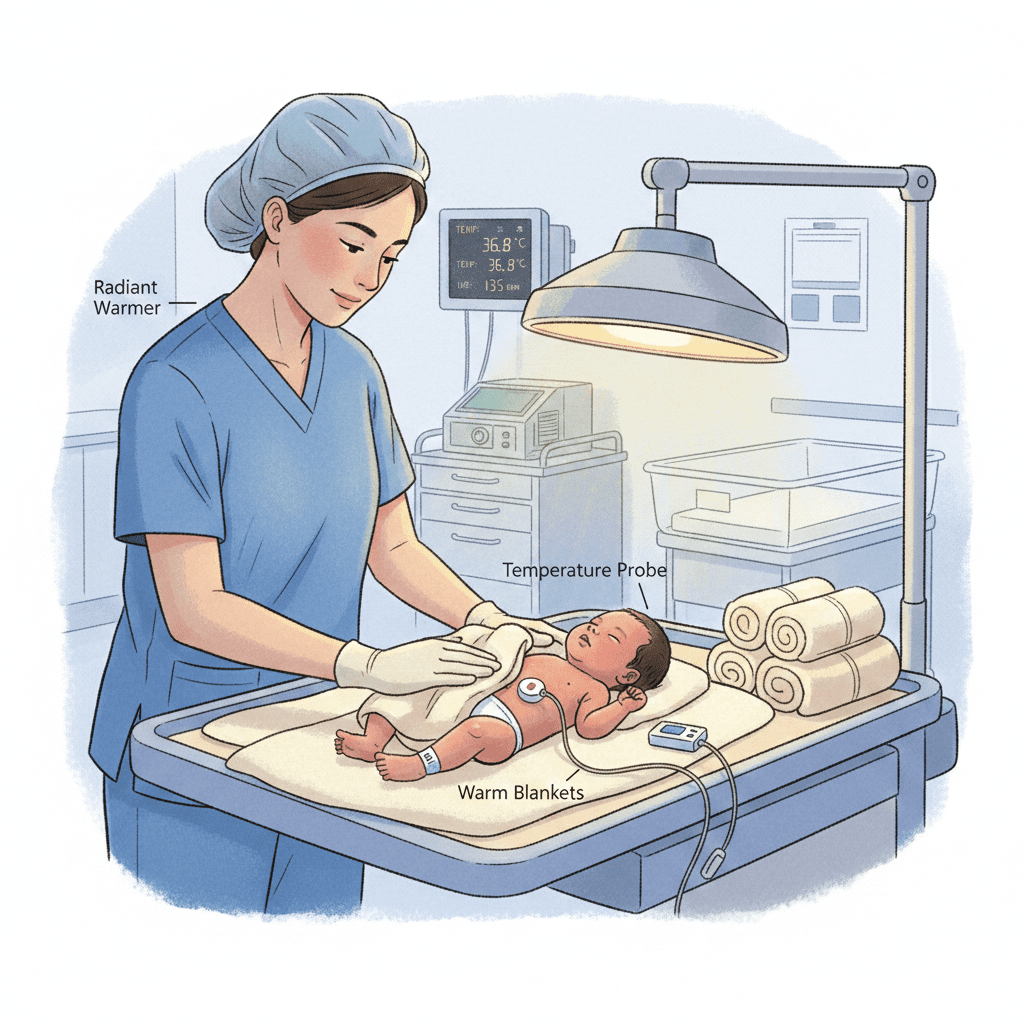
Newborn Thermoregulation: Nursing Interventions

Newborn thermoregulation nursing interventions

Maintaining a stable body temperature is one of the most critical needs of a newborn. Because infants have immature temperature control mechanisms, even small changes in the environment can lead to heat loss or overheating. The nurse plays a vital role in newborn thermoregulation through early assessment, preventive strategies, and ongoing monitoring. For nursing students, … Read more

Managing Postpartum Hypertension: A Nursing Guide

managing postpartum hypertension

Postpartum hypertension is a serious condition that can occur after delivery, even in patients with no prior history of high blood pressure. Early recognition and prompt nursing interventions are essential to prevent life-threatening complications such as stroke, seizure, or organ damage. For nursing students, registered nurses, and RN nurses, understanding postpartum hypertension management is critical … Read more