Pain Patches: Handling, Safety, and Patient Teaching

Pain Patches

Pain patches have become a powerful and convenient method for managing chronic and acute pain. They deliver medication slowly through the skin, offering long-lasting relief with fewer peaks and valleys compared to pills. Because they involve potent medications—especially opioids like fentanyl—every registered nurse must understand proper handling, safety precautions, and patient education. This topic appears … Read more


Drug Toxicity Signs Every Nurse Should Identify

Drug Toxicity Signs

Recognizing early signs of drug toxicity is one of the most essential responsibilities of a registered nurse. Patients in hospitals, long-term care facilities, and emergency departments often take multiple medications, which increases the risk of harmful drug levels. Because of that, every RN nurse must understand how toxicity develops and how to assess patients quickly … Read more

Common Emergency Room Medications Nurses Should Know

ER Medications

In the fast-paced world of emergency care, a registered nurse (RN nurse) must identify critical medications quickly and administer them safely. Because patients often arrive with unstable or life-threatening conditions, ER nurses rely on strong clinical judgment, rapid assessment skills, and a solid understanding of pharmacology. Therefore, any nurse preparing for the NCLEX or working … Read more

Corticosteroids: Nursing Considerations and Side Effects

Corticosteroids

Corticosteroids are powerful medications used to reduce inflammation, suppress the immune system, and stabilize many chronic and acute conditions. Every registered nurse, especially those preparing for the NCLEX, must understand how corticosteroids work, their potential risks, and the essential nursing considerations that keep patients safe. Whether you’re caring for hospitalized patients or reviewing a nursing … Read more

Antidepressants: Classes, Effects, and Nursing Monitoring

Antidepressants

Antidepressants are among the most commonly prescribed psychiatric medications, and understanding them is essential for every registered nurse, especially those preparing for the NCLEX. Nurses play a vital role in patient assessment, medication education, safety monitoring, and early recognition of side effects. This guide explains the major antidepressant classes, their effects, and the key nursing … Read more

Understanding Medication Titration in the Hospital: A Complete Nursing Guide

Medication Titration

Medication titration is one of the most critical responsibilities of a registered nurse in the hospital setting. Titration involves adjusting medication doses up or down based on a patient’s response, vital signs, lab values, and clinical condition. Because incorrect titration can cause severe harm, this topic appears frequently on the NCLEX and is included in … Read more

High-Alert Medications: Nurse Safety Checklist

high-alert medications

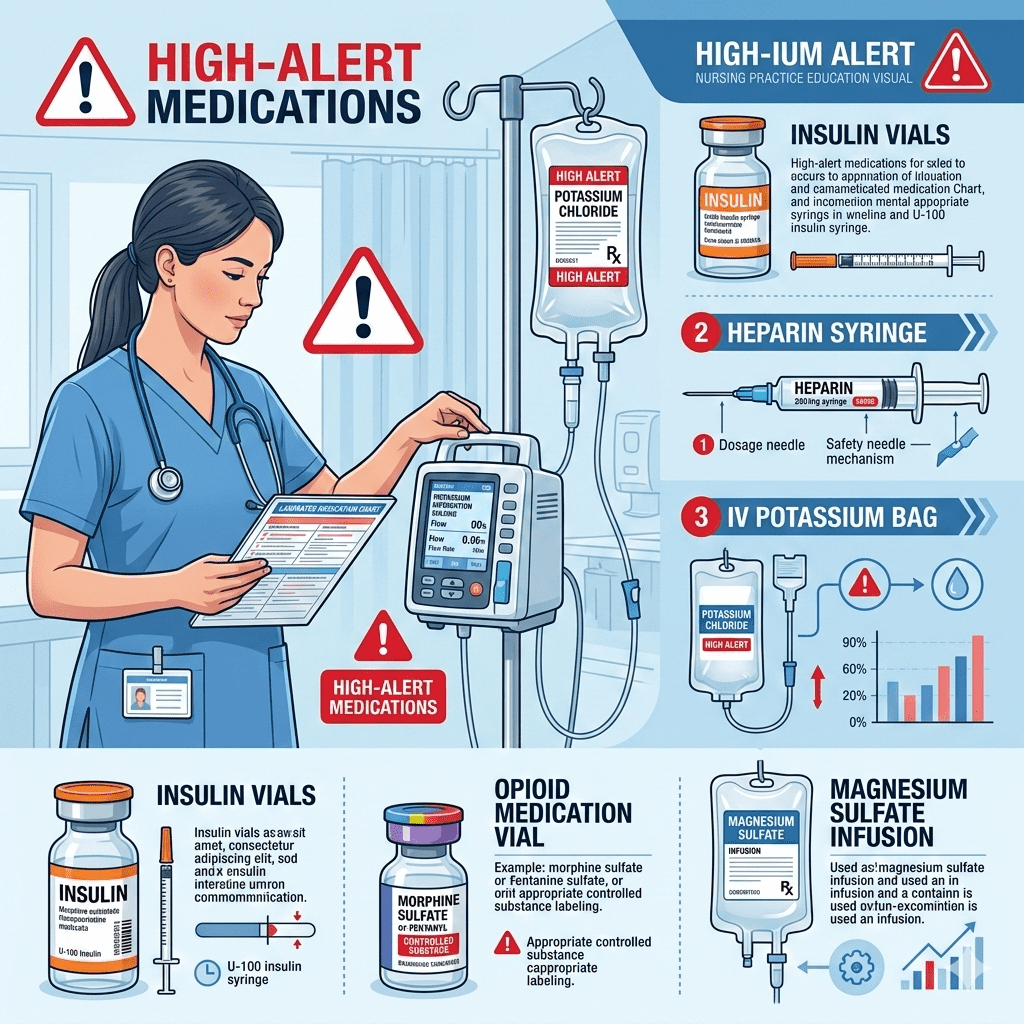
High-alert medications are drugs that carry a higher risk of causing serious patient harm if used incorrectly. For every registered nurse, understanding and safely administering these medications is essential. Because of their importance, high-alert medications appear frequently on the NCLEX, inside every nursing bundle, and in daily practice for any RN nurse working in hospitals … Read more

Infection Prevention During the Postpartum Period: A Complete Nursing Guide

Postpartum Infection

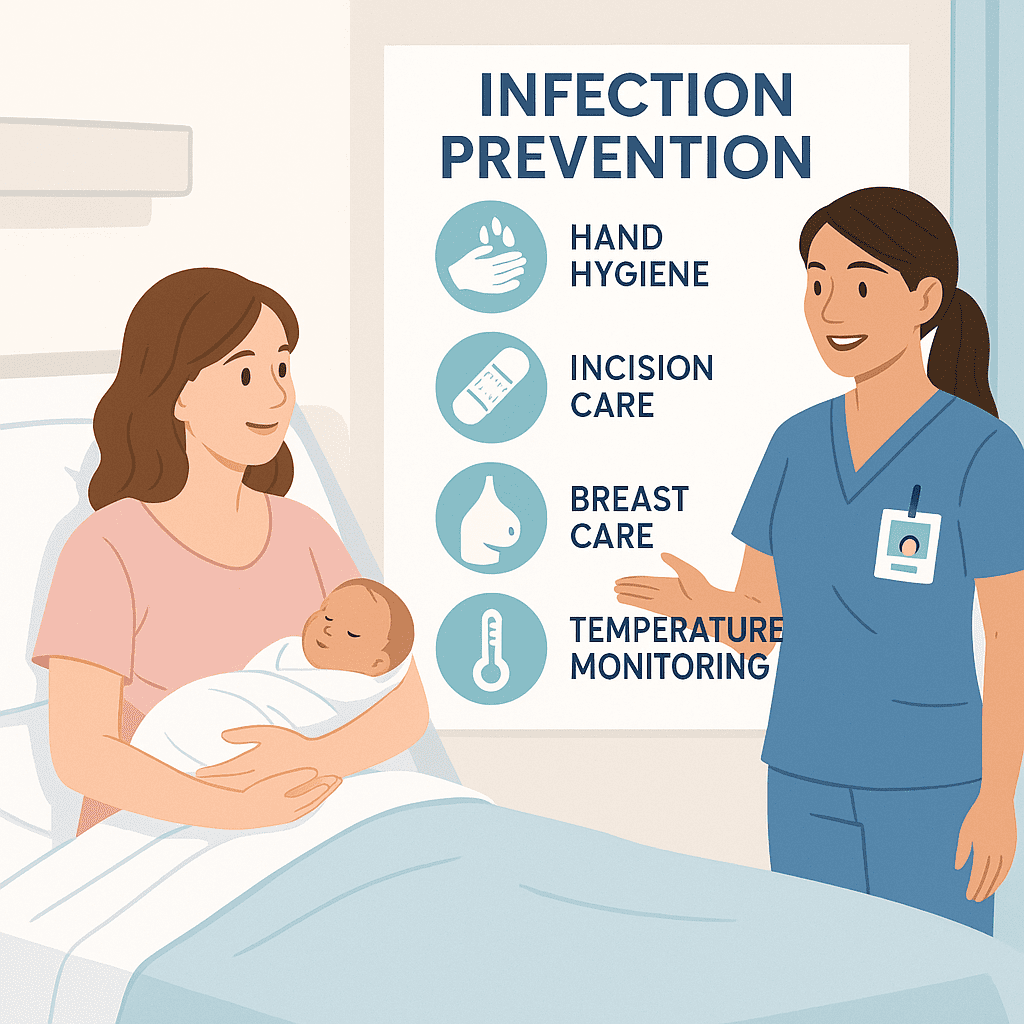
The postpartum period is a vulnerable time when new mothers face a higher risk of infection due to physiological changes, open wounds after childbirth, and exposure to hospital pathogens. For every registered nurse (RN nurse) and student preparing for the NCLEX, mastering postpartum infection prevention is essential for safe maternal care. This guide simplifies what … Read more

Rh Incompatibility: What Nurses Teach Parents

Rh Incompatibility

Rh incompatibility is an important topic in maternity and newborn nursing care. When an Rh-negative mother carries an Rh-positive baby, the mother’s immune system can begin producing antibodies that may affect future pregnancies. Because of this risk, a registered nurse (RN nurse) plays a key role in helping families understand the condition. Additionally, the topic … Read more

Caring for Patients After Vaginal Birth After C-Section (VBAC): A Complete Nursing Guide

VBAC

A Vaginal Birth After Cesarean (VBAC) offers many benefits for mothers who previously had a C-section, including faster recovery, less pain, and fewer surgical risks. However, VBAC also requires careful monitoring and skilled postpartum care. For any registered nurse (RN nurse), understanding how to care for patients after a successful VBAC is essential—especially for learners … Read more