
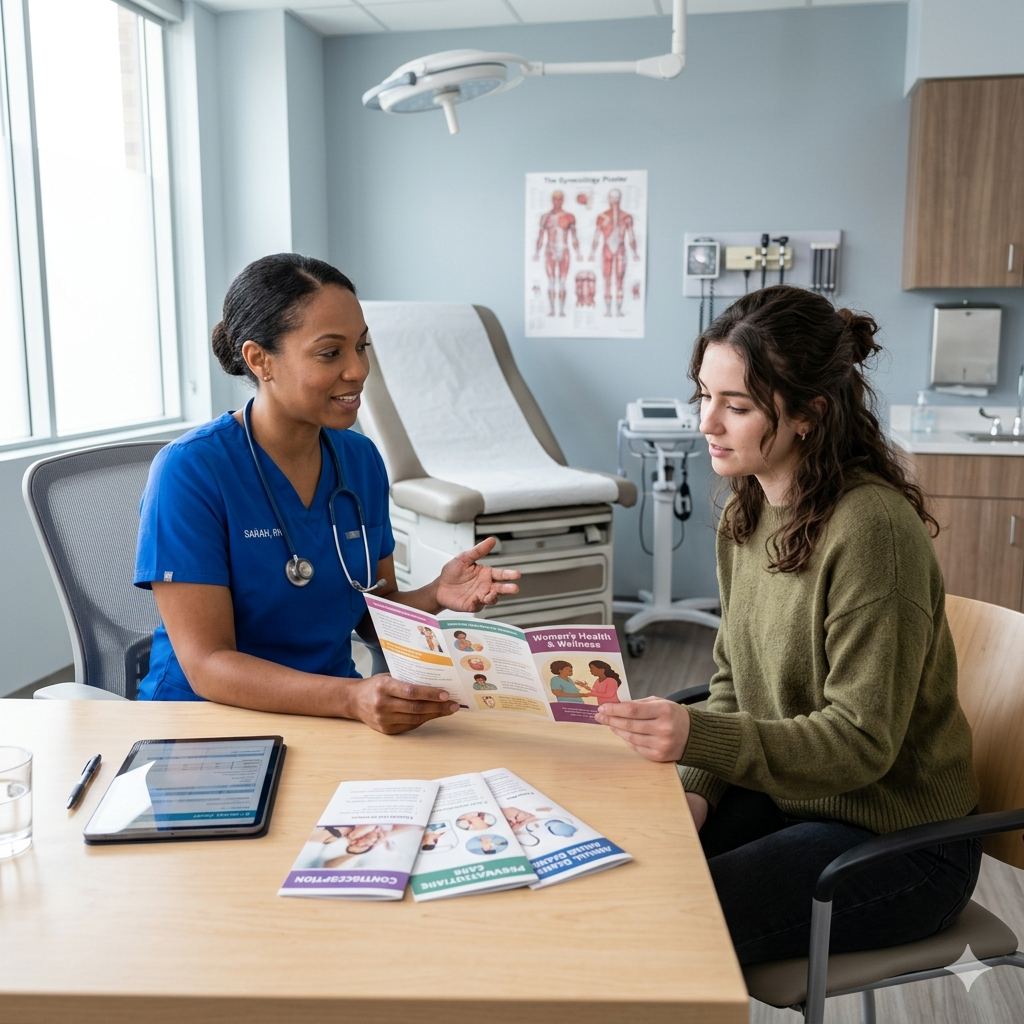
Sexually transmitted infections (STIs) represent one of the most underrecognized sources of long-term reproductive harm across all patient populations. For the registered nurse, understanding the trajectory from initial STI exposure to chronic sequelae is not just clinically essential — it is high-yield NCLEX content. When left untreated or poorly managed, infections such as chlamydia, gonorrhea, syphilis, and human papillomavirus (HPV) can permanently alter reproductive anatomy and function. Every RN nurse working in women’s health, med-surg, or primary care will encounter patients navigating these consequences, making STI reproductive complications nursing a foundational area of practice.
How Untreated STIs Trigger Reproductive Damage
The mechanism linking STIs to reproductive complications centers on ascending infection and the subsequent inflammatory response. Bacterial STIs — particularly Chlamydia trachomatis and Neisseria gonorrhoeae — can ascend from the cervix into the uterus, fallopian tubes, and ovaries. This upward migration triggers an intense immune response that, over time, generates scar tissue.
Scarring is the root cause of most long-term damage. In the fallopian tubes, scar tissue narrows or fully occludes the lumen. In the uterus, adhesions may form across the endometrial cavity. Both processes compromise fertility, threaten pregnancy viability, and increase the risk of chronic pelvic pain.
Key pathogens and their primary mechanisms of long-term harm:
- Chlamydia: Often asymptomatic; chronic low-grade inflammation drives tubal scarring
- Gonorrhea: Produces a robust purulent response; rapid tissue destruction
- Syphilis: Systemic infection that affects the placenta, causing congenital complications
- HPV: High-risk strains (16, 18) drive cervical dysplasia and malignancy
- Herpes simplex virus (HSV): Neonatal transmission risk during delivery; recurrent outbreaks
For nursing students preparing for the NCLEX, recognizing that asymptomatic infections cause as much long-term damage as symptomatic ones is a critical concept.
Pelvic Inflammatory Disease: The Pivotal Complication
Pelvic inflammatory disease (PID) is the most clinically significant short-term complication of untreated chlamydia and gonorrhea — and the gateway to lasting reproductive harm. PID develops when pathogens ascend into the upper reproductive tract, causing endometritis, salpingitis, oophoritis, and in severe cases, tubo-ovarian abscess (TOA).
Clinical Presentation of PID
A registered nurse assessing for PID should recognize the following:
- Lower abdominal or pelvic pain (most common symptom)
- Cervical motion tenderness (CMT) — also called the “chandelier sign”
- Uterine or adnexal tenderness on bimanual exam
- Mucopurulent cervical discharge
- Fever (not always present)
- Elevated WBC, ESR, and CRP
Nursing Interventions for PID
- Administer prescribed antibiotics promptly — typically dual coverage for both Chlamydia and Neisseria gonorrhoeae per CDC guidelines (e.g., ceftriaxone + doxycycline ± metronidazole)
- Monitor vital signs and pain levels
- Provide patient education on completing the full antibiotic course
- Ensure sexual partners are evaluated and treated
- Document assessment findings thoroughly per facility protocol
Each episode of PID increases the risk of subsequent tubal damage. After one episode, the infertility risk is approximately 15%; after three episodes, it rises to over 40%.
Infertility, Ectopic Pregnancy, and Chronic Pelvic Pain
Three long-term consequences demand particular attention from the RN nurse caring for reproductive-age patients.
Tubal Factor Infertility
Fallopian tube scarring from repeated PID episodes is a leading cause of tubal factor infertility. The ciliated epithelium responsible for moving the ovum toward the uterus is replaced by fibrous tissue. Even partial occlusion significantly impairs fertility. Nursing education for these patients should include referral to reproductive endocrinology and a compassionate discussion of assisted reproductive technologies (ART) such as IVF.
Ectopic Pregnancy
A partially obstructed fallopian tube does not always prevent fertilization — it may trap the fertilized ovum within the tube. Ectopic pregnancy is a life-threatening emergency and one of the leading causes of first-trimester maternal mortality. Classic signs include:
- Unilateral pelvic pain (sharp, sudden)
- Vaginal bleeding or spotting
- Positive serum beta-hCG with no intrauterine pregnancy on ultrasound
- Signs of internal hemorrhage: hypotension, tachycardia, referred shoulder pain (from diaphragmatic irritation)
Any patient with a prior STI or PID history presenting with these findings requires immediate nursing triage and emergency intervention.
Chronic Pelvic Pain
Adhesions and ongoing pelvic inflammation can produce chronic pelvic pain (CPP) — defined as non-cyclic pelvic pain lasting more than six months. CPP significantly impairs quality of life and is frequently underdiagnosed. The RN nurse should complete comprehensive pain assessments, coordinate with gynecology, and provide psychosocial support, as chronic pain is associated with depression and anxiety in this population.
Syphilis, HPV, and Systemic Reproductive Risks
Beyond chlamydia and gonorrhea, two additional pathogens carry profound reproductive implications.
Congenital Syphilis
Primary and secondary syphilis during pregnancy pose severe risks to the fetus. Treponema pallidum crosses the placental barrier, causing congenital syphilis — characterized by stillbirth, hydrops fetalis, hepatosplenomegaly, skin lesions, and neurodevelopmental impairment. Universal VDRL/RPR screening in the first trimester is standard of care. The registered nurse must ensure timely penicillin G treatment and confirm partner treatment.
HPV and Cervical Cancer
High-risk HPV strains — particularly types 16 and 18 — are responsible for nearly all cases of cervical cancer. The progression from HPV infection to invasive cancer may take 10–20 years and passes through identifiable stages: CIN I → CIN II → CIN III → carcinoma in situ → invasive cervical cancer. Nursing priorities include:
- Patient education on HPV vaccination (recommended through age 26; shared decision-making ages 27–45)
- Encouraging adherence to Pap smear and HPV co-testing guidelines
- Discussing colposcopy and LEEP procedure expectations for patients with abnormal results
Patient Education: The RN Nurse’s Most Powerful Tool
Patient education is the cornerstone of preventing STI-related reproductive complications. An effective nursing bundle for STI education includes:
- Transmission and prevention: correct and consistent condom use, mutual monogamy, vaccination (HPV, Hepatitis B)
- Screening recommendations: annual chlamydia/gonorrhea screening for sexually active women under 25; more frequent for high-risk populations
- Symptom recognition: emphasize that the absence of symptoms does not mean the absence of infection
- Treatment adherence: complete all prescribed antibiotic courses; avoid sexual activity until treatment is confirmed complete for both partners
- Follow-up: return-of-care testing 3 months after treatment for chlamydia/gonorrhea to detect reinfection
NCLEX questions frequently test the nurse’s ability to prioritize patient education and identify barriers to care. When building your nursing bundle study plan, dedicate focused time to reproductive health patient teaching scenarios.
💡 NCLEX Tips for STI Reproductive Complications
- Chandelier sign = cervical motion tenderness on bimanual exam → classic PID finding
- Ectopic pregnancy is a priority emergency — hypotension + positive hCG + unilateral pain = call the provider immediately
- Chlamydia is the most commonly reported STI in the U.S. and is frequently asymptomatic
- Penicillin G is the drug of choice for syphilis — including during pregnancy
- High-risk HPV types 16 and 18 account for approximately 70% of cervical cancers
Quick Reference: STIs and Their Reproductive Consequences
| STI | Primary Complication | Long-Term Risk | Key Nursing Action |
|---|---|---|---|
| Chlamydia | PID, salpingitis | Tubal infertility, ectopic pregnancy | Screen annually; educate on asymptomatic nature |
| Gonorrhea | PID, TOA | Infertility, chronic pelvic pain | Dual antibiotic therapy; partner treatment |
| Syphilis | Placentitis | Congenital syphilis, stillbirth | First-trimester VDRL/RPR; penicillin G |
| HPV (high-risk) | Cervical dysplasia | Cervical cancer | Pap/co-testing; vaccination education |
| HSV-2 | Genital lesions | Neonatal herpes (delivery risk) | C-section if active lesions at delivery |
Conclusion
STIs are not isolated, acute infections — they carry the potential to permanently reshape a patient’s reproductive future. From PID and tubal occlusion to ectopic pregnancy and cervical malignancy, the long-term consequences demand clinical vigilance, proactive screening, and skilled patient education from every RN nurse. Understanding these pathways is essential for both real-world practice and NCLEX success.
Use your nursing bundle to review STI pharmacology, patient teaching frameworks, and reproductive health assessment. Then put your knowledge to the test with NCLEX-style practice questions at rn-nurse.com/nclex-qcm/, or explore the full curriculum at rn-nurse.com/nursing-courses/ to build the clinical confidence every registered nurse needs.