Preparing Patients for Discharge Teaching: A Nursing & NCLEX Guide

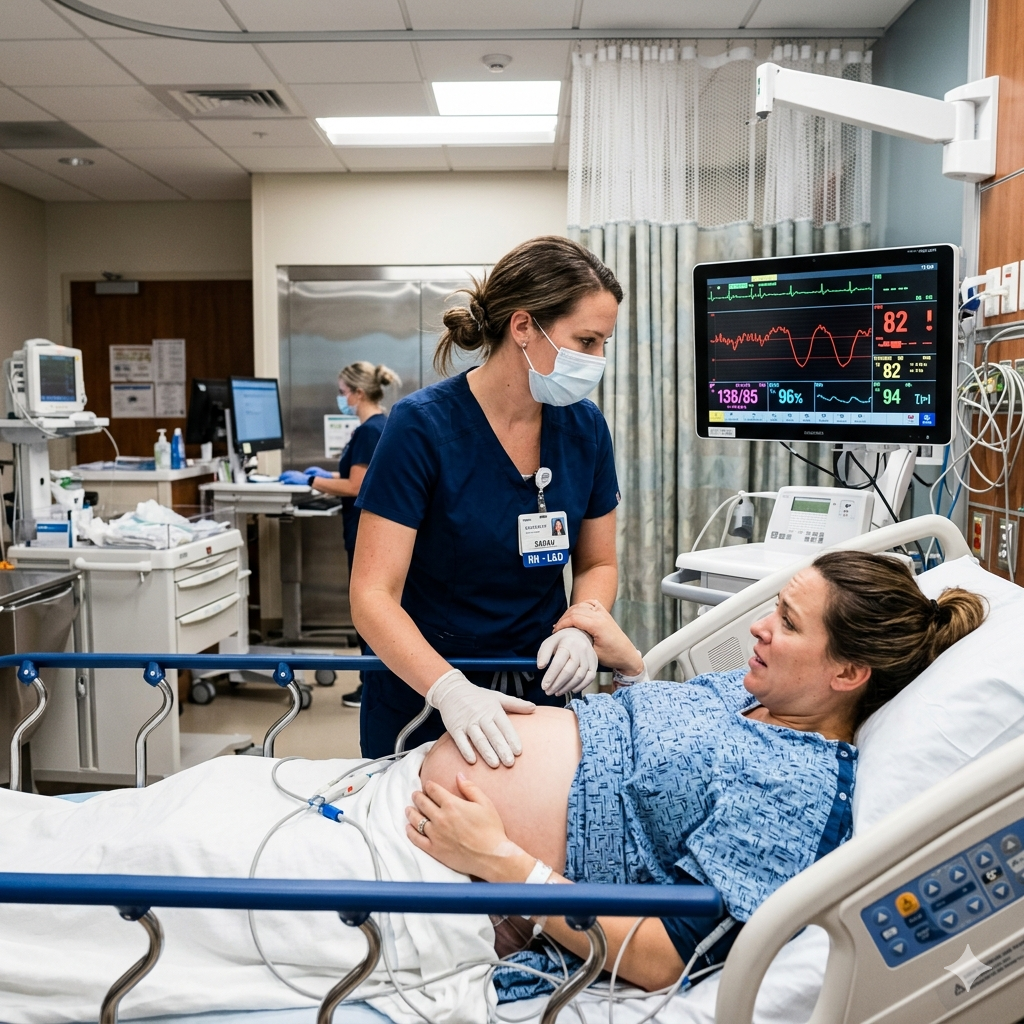
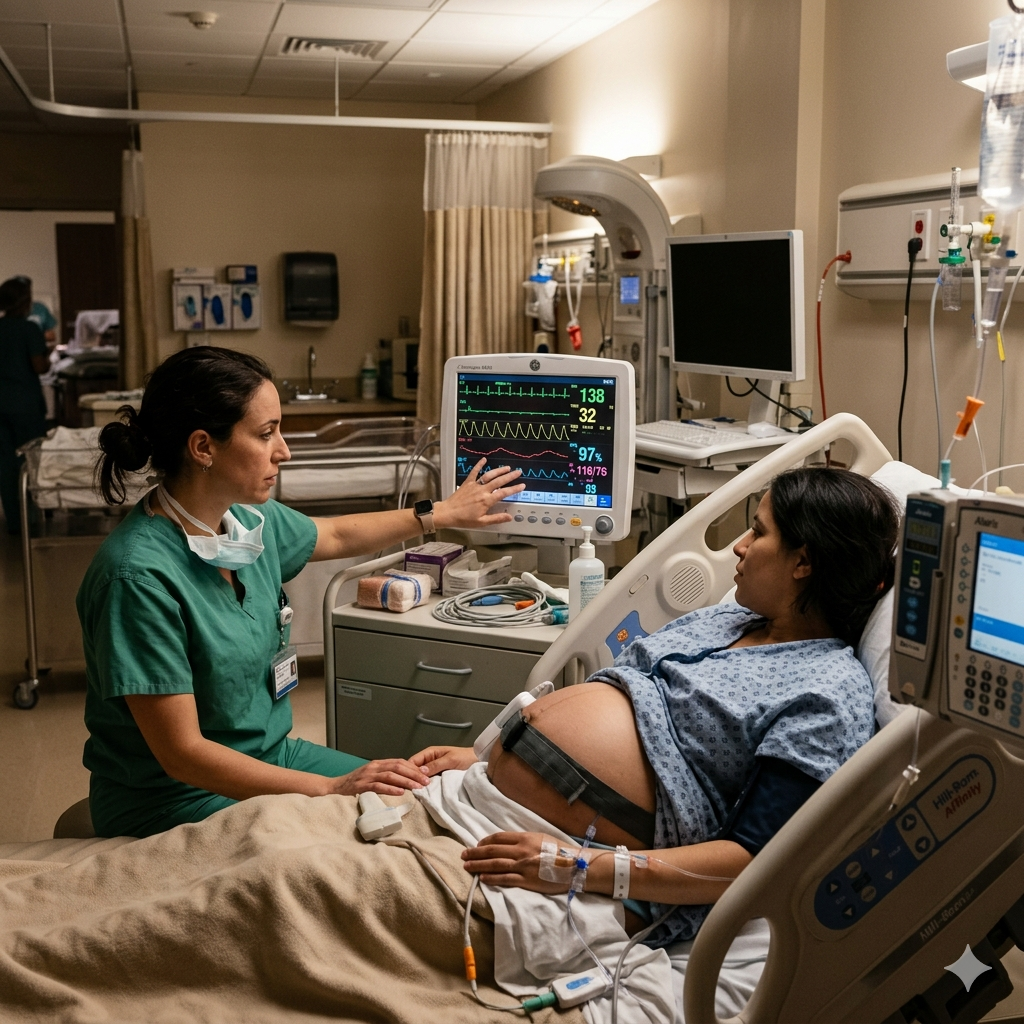
Discharge teaching in nursing

Preparing patients for discharge teaching is a core responsibility of every nurse and registered nurse (RN nurse). As healthcare settings continue to shorten hospital stays, effective discharge education becomes even more critical. Without proper teaching, patients are more likely to experience complications, medication errors, and readmissions. Therefore, discharge teaching is heavily emphasized in nursing education … Read more

Patient Identification and Medication Safety: A Nursing & NCLEX Guide

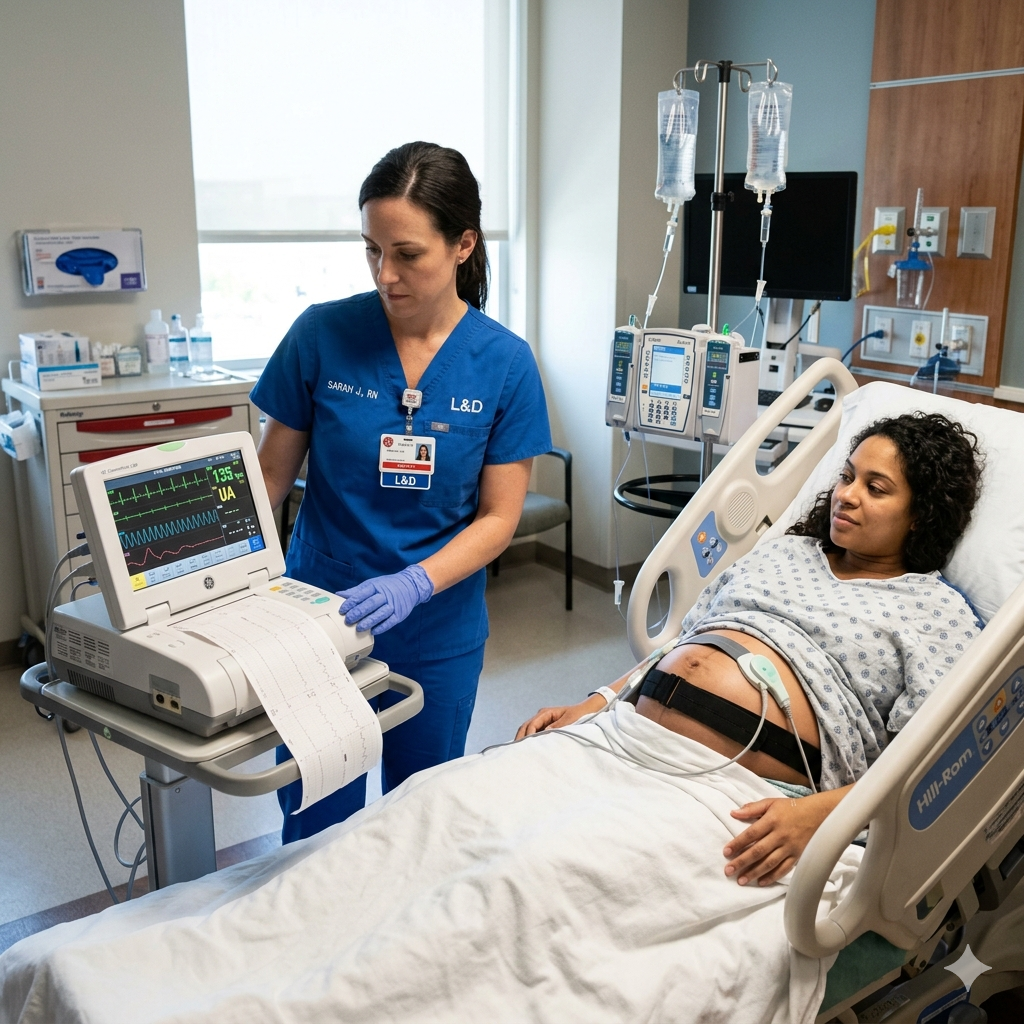
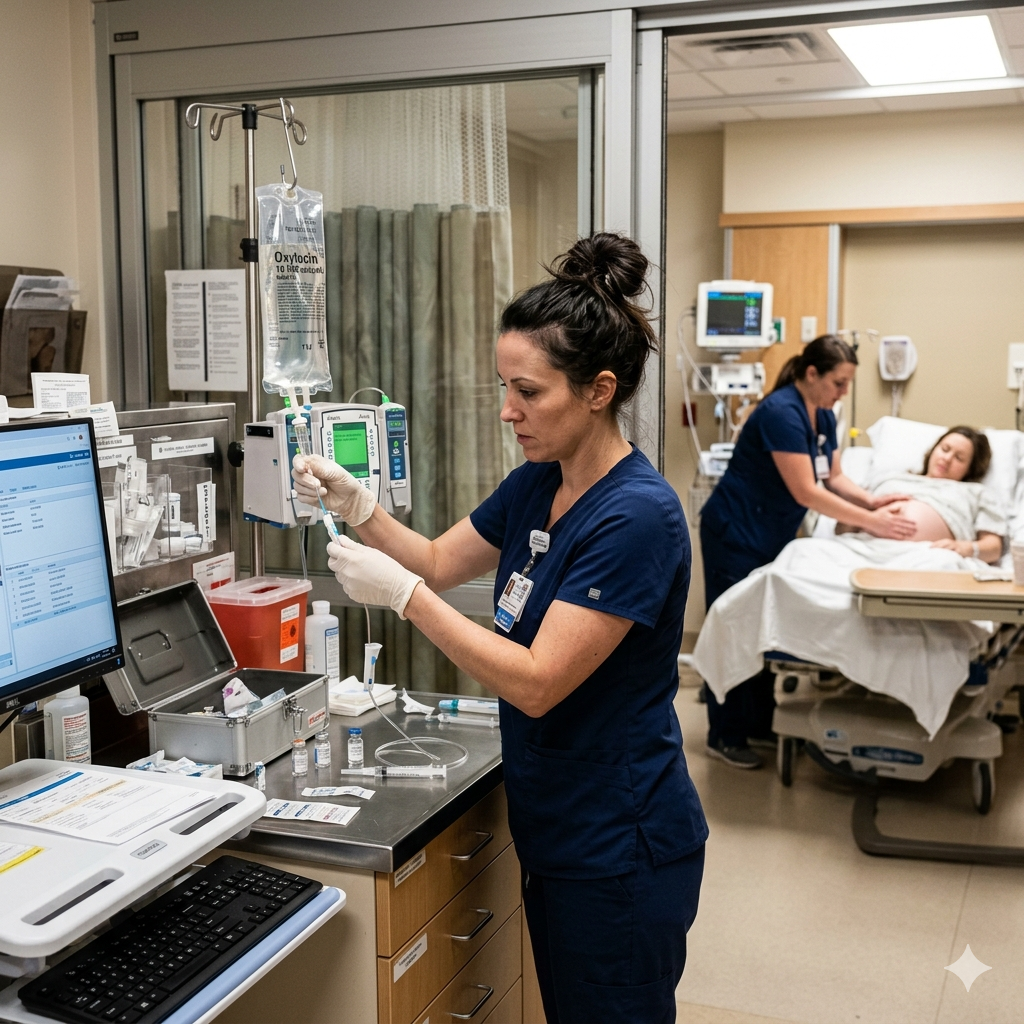
Patient identification and medication safety

Patient identification and medication safety are fundamental pillars of safe nursing practice. In modern clinical environments, every nurse and registered nurse (RN nurse) must correctly verify patient identity before administering medications, treatments, or procedures. When identification errors occur, the consequences can be serious and may include medication errors, adverse events, and patient harm. For this … Read more

Measuring and Managing Edema: A Nursing Guide for NCLEX Success

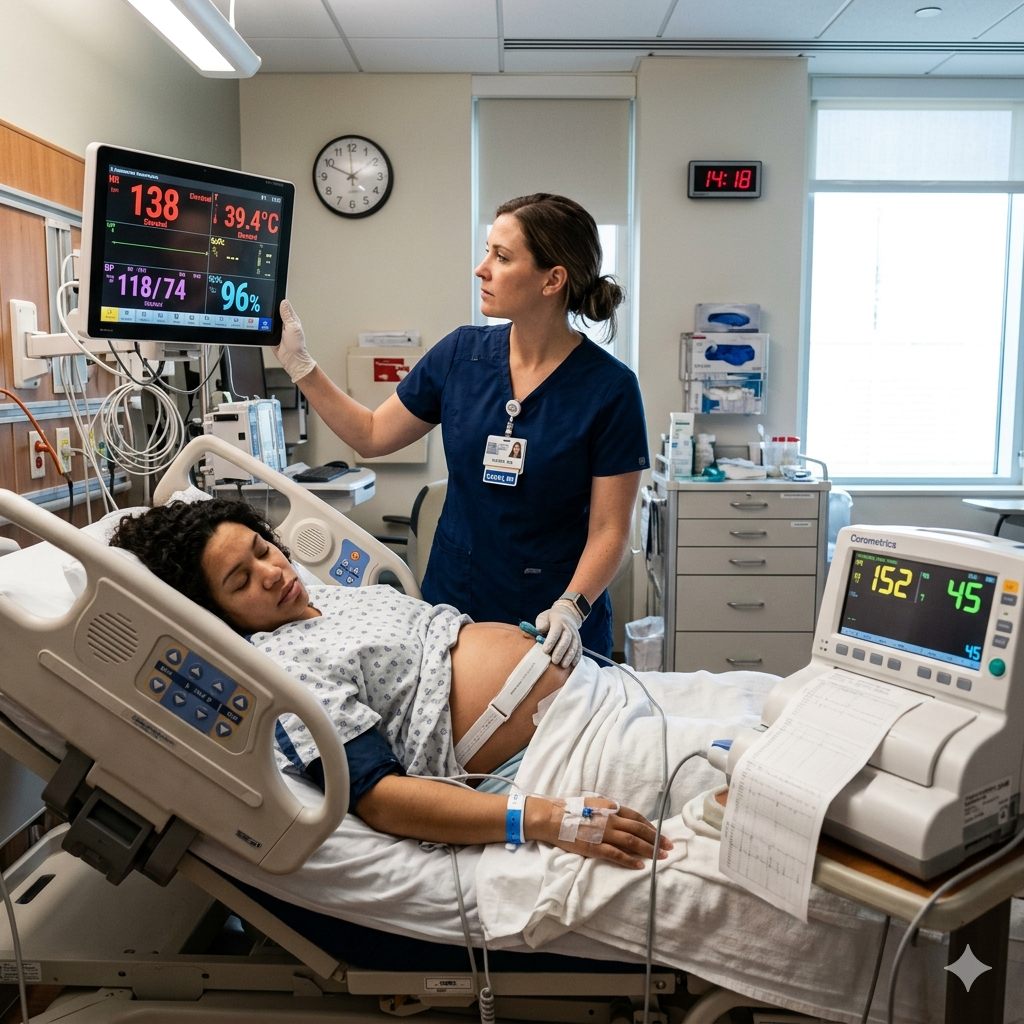
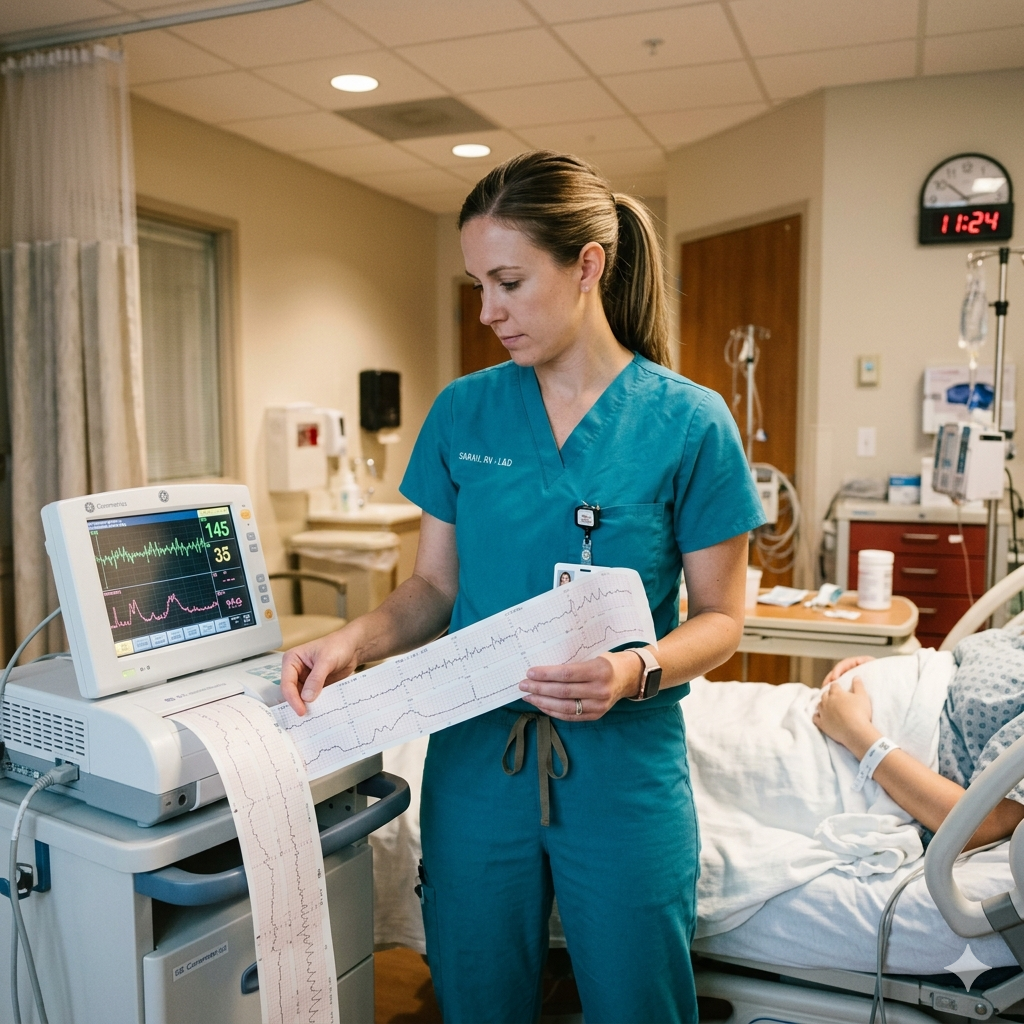
Measuring and Managing Edema

Edema is a common clinical finding that every nurse and registered nurse (RN nurse) must be able to assess, measure, and manage safely. It frequently appears in patients with heart failure, kidney disease, liver disorders, trauma, pregnancy, and post-surgical conditions. Because of its importance in patient assessment, edema is heavily tested on the NCLEX, making … Read more

Safe Patient Transfers and Positioning: A Nursing Guide

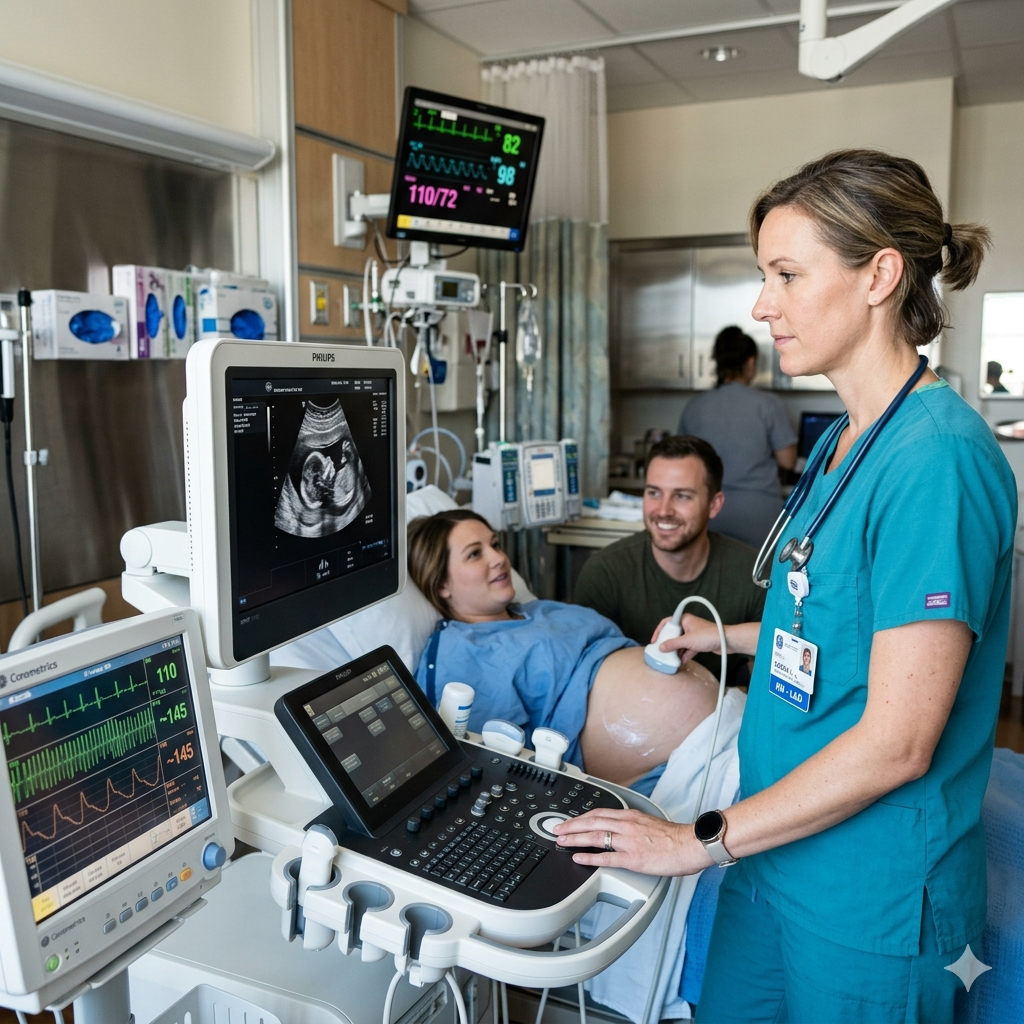
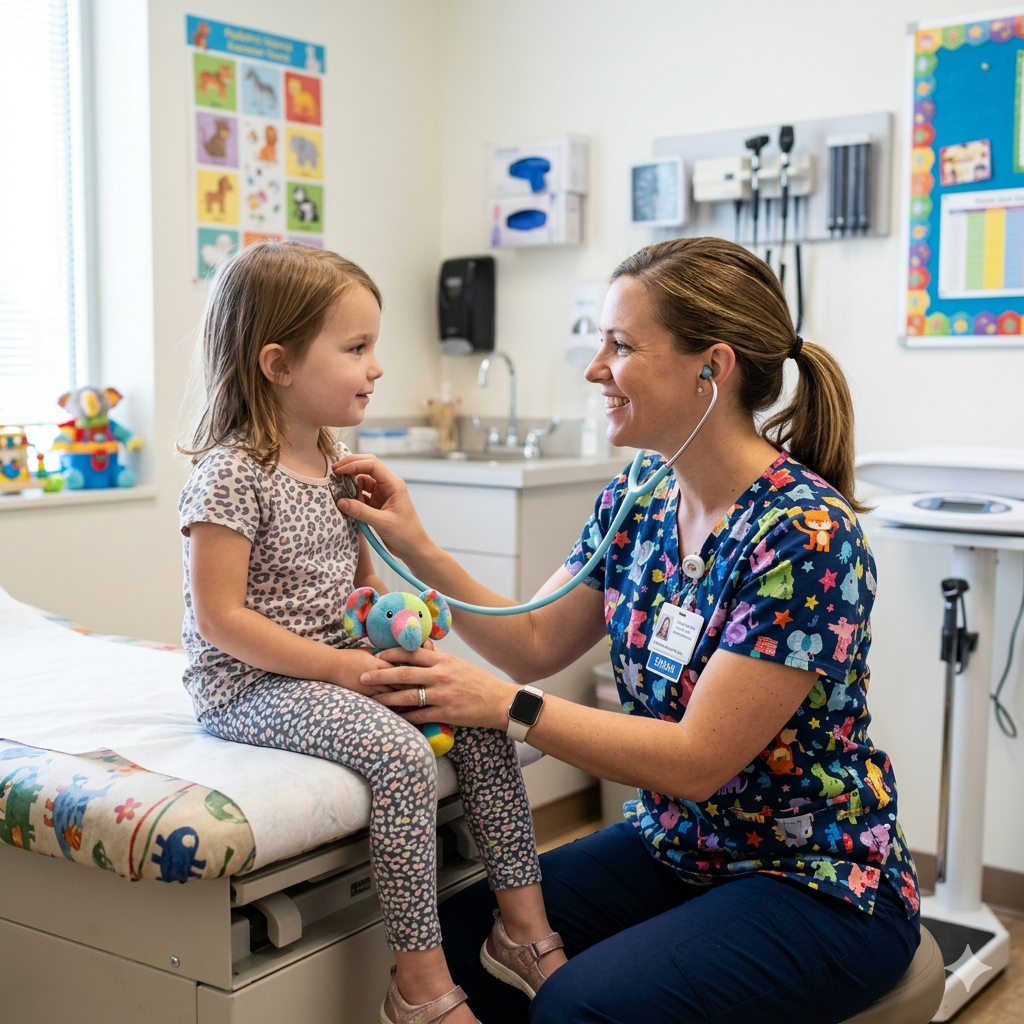
Safe patient transfers and positioning

Safe patient transfers and positioning are core responsibilities for every nurse. These skills protect patients from injury while also preventing musculoskeletal strain in the registered nurse. For the NCLEX, questions about transfers, body mechanics, and positioning appear often because they directly affect patient safety and nursing practice. This guide reviews essential nursing principles, common transfer … Read more

Bedside Safety Checks Every Shift: A Nurse’s Essential Guide

Bedside safety checks

Bedside safety checks remain one of the most important responsibilities of every nurse. At the start of each shift, these checks help protect patients, reduce errors, and support safe, high-quality nursing care. For the registered nurse (RN nurse), consistent bedside safety checks also play a major role in NCLEX preparation and real-world clinical success. In … Read more

Mental Health Nursing in Emergency Settings

Mental Health Nursing in Emergency Settings

Mental health crises frequently present in emergency departments, making mental health nursing a critical skill for every nurse. In these fast-paced environments, the registered nurse plays a key role in ensuring safety, stabilizing patients, and providing compassionate care. For nursing students preparing for the NCLEX, understanding emergency psychiatric nursing is essential. This article explores the … Read more

Supporting Families of Psychiatric Patients: A Nursing Guide

Supporting Families of Psychiatric Patients

Supporting families of psychiatric patients is a vital part of nursing care. Mental illness affects not only the patient but also parents, spouses, children, and caregivers. For the nurse and registered nurse (RN nurse), family support improves treatment adherence, reduces relapse, and strengthens long-term recovery. Because of this, the NCLEX frequently tests family-centered psychiatric nursing … Read more

Managing Hallucinations: What Nurses Say and Avoid

Managing Hallucinations Nursing

Hallucinations are a common and challenging symptom seen in many mental health and medical conditions. For a nurse, responding correctly to hallucinations is critical for patient safety, therapeutic communication, and NCLEX success. What a registered nurse says—or avoids saying—can either reduce anxiety or unintentionally worsen distress. This article explains how RN nurses manage hallucinations using … Read more

Therapeutic Groups: Nurse’s Role

therapeutic groups nursing

Therapeutic groups play a vital role in mental health care. In hospitals, clinics, and community settings, these groups help patients improve coping skills, communication, and emotional regulation. For the nurse and the registered nurse (RN nurse), understanding the nurse’s role in therapeutic groups is essential for safe practice and NCLEX success. This topic frequently appears … Read more