
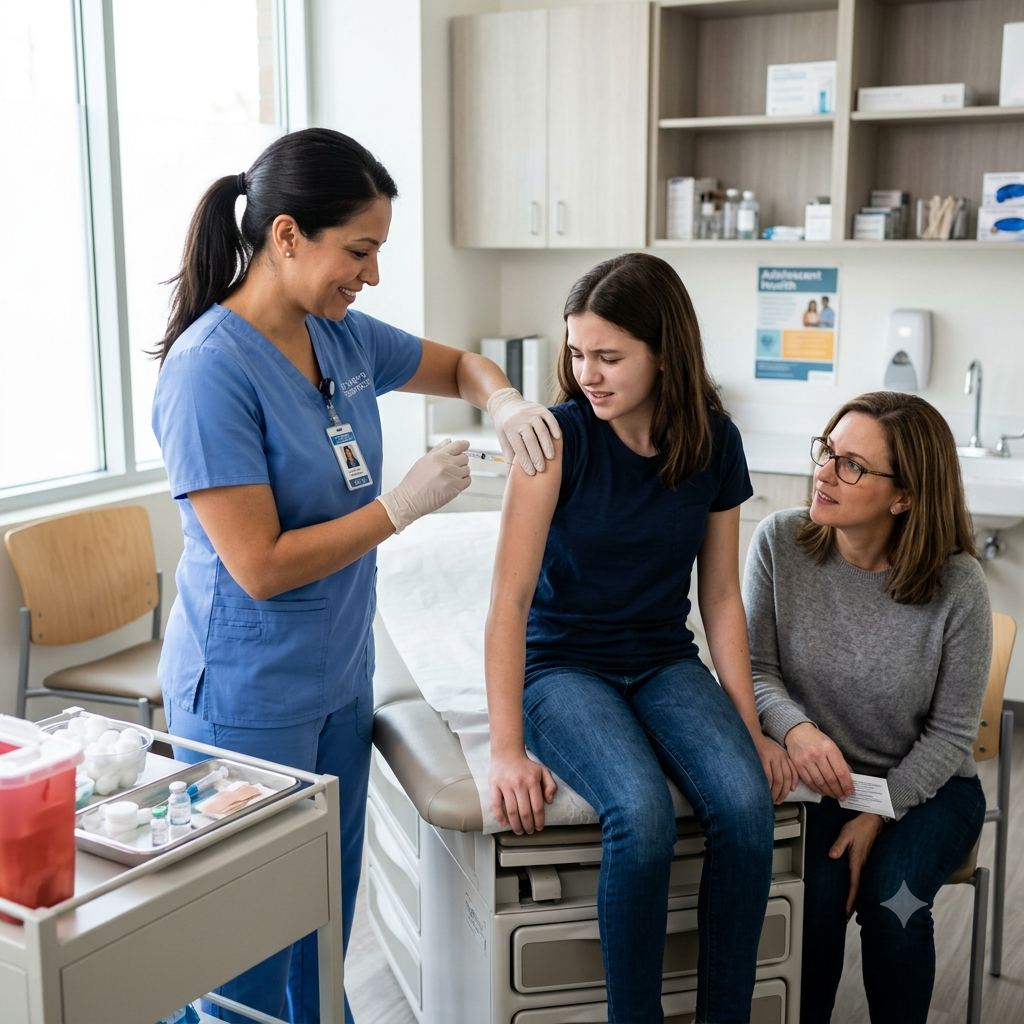
Every nurse who works with adolescents, young adults, or oncology patients will eventually field a question about the HPV vaccine — often from a worried parent or a skeptical patient. HPV vaccination cancer prevention ranks among the few areas of modern medicine where a routine immunization can meaningfully reduce a patient’s lifetime cancer risk, and that makes it a high-yield topic for both the NCLEX and everyday nursing practice. Human papillomavirus (HPV) causes the most common sexually transmitted infection in the United States, and persistent infection with high-risk strains leads to cervical, anal, oropharyngeal, vulvar, vaginal, and penile cancers. As a registered nurse, understanding the vaccine’s mechanism, dosing schedule, and patient education points forms the foundation of safe, evidence-based nursing care, and it directly shapes how confidently a nurse counsels patients at the bedside or in the clinic.
Understanding HPV and Its Link to Cancer
HPV comprises a group of more than 200 related viruses, and researchers classify about 14 of these as high-risk oncogenic strains. HPV types 16 and 18 alone cause roughly 70% of cervical cancer cases worldwide. The virus spreads through skin-to-skin and mucosal contact, most commonly during sexual activity, and most sexually active people will acquire at least one HPV infection during their lifetime.
Most infections clear spontaneously within one to two years through normal immune clearance. However, a persistent infection with a high-risk strain can trigger cellular changes that progress to dysplasia and, eventually, invasive cancer over a period of 10 to 20 years. This long latency period explains why primary prevention through vaccination works so well — it interrupts the disease process decades before cancer would otherwise develop.
The HPV Vaccine: Mechanism and Available Products
Providers in the United States currently use Gardasil 9, a recombinant, non-infectious vaccine that protects against nine HPV types (6, 11, 16, 18, 31, 33, 45, 52, and 58). The vaccine works by prompting the immune system to produce neutralizing antibodies against the viral capsid protein, so that if the patient later encounters HPV, the immune system can clear it before the virus establishes a persistent infection.
- The vaccine contains no live virus and cannot cause an HPV infection.
- It protects against strains that cause roughly 90% of HPV-related cancers.
- It also covers types 6 and 11, which cause the majority of genital warts.
Nurses administering the vaccine should give it as an intramuscular injection, typically in the deltoid muscle, and store it according to manufacturer refrigeration guidelines.
Recommended Vaccination Schedule
The Advisory Committee on Immunization Practices (ACIP) recommends the following schedule, and the NCLEX frequently tests it:
- Ages 9–14: Two-dose series; patients receive the second dose 6–12 months after the first
- Ages 15–26: Three-dose series (0, 1–2 months, and 6 months)
- Ages 27–45: Providers may consider vaccination based on shared clinical decision-making
ACIP recommends routine vaccination starting at age 11 or 12, though it can begin as early as age 9. Clinicians emphasize early administration because the vaccine produces a stronger antibody response in younger adolescents and works best before HPV exposure, meaning before the onset of sexual activity.
💡 NCLEX Tips for HPV Vaccination
- Know the age-based dosing schedule: 2 doses under age 15, 3 doses age 15 and older.
- Avoid giving the vaccine during pregnancy; delay remaining doses until after delivery.
- HPV vaccination does not eliminate the need for routine cervical cancer screening (Pap smear).
- Watch for injection site pain, syncope, and mild fever, and observe patients for 15 minutes post-injection.
- The vaccine covers all genders, not just female patients.
Nursing Considerations and Safe Administration
Safe administration goes beyond simply giving the injection. A well-prepared nurse should assess for contraindications, including a history of severe allergic reaction to yeast or a previous vaccine dose, and should screen for pregnancy in patients of reproductive age, since providers should avoid administering the vaccine during pregnancy.
Because adolescents commonly experience syncope after this injection, best practice calls for keeping the patient seated or lying down for at least 15 minutes afterward. Nurses should document the lot number, injection site, and any immediate reaction, following standard immunization charting protocols found in most nursing bundle resources used for clinical skills labs.
Nurses should also address common misconceptions directly. Many caregivers mistakenly believe the vaccine encourages early sexual activity — a claim research does not support — or assume that only female patients need it. Clear, nonjudgmental communication using therapeutic communication techniques helps build trust and improves vaccine uptake.
Patient and Family Education
Effective teaching forms one of the core responsibilities of the RN nurse working in pediatrics, primary care, or school health settings. Key teaching points include:
- Patients who complete HPV vaccination before their first sexual encounter gain the strongest protection.
- Patients must complete the full series to achieve full protective benefit; if a patient misses a dose, nurses should reschedule it rather than restart the series.
- Vaccination does not replace the need for ongoing cervical cancer screening in adult patients.
- Patients can expect mild side effects, such as soreness, redness, or low-grade fever, that typically resolve within 1–2 days.
- More than a decade of post-marketing surveillance supports the vaccine’s extensive safety record.
Framing the conversation around cancer prevention rather than sexual health alone often increases receptiveness among families, and nursing education increasingly emphasizes this approach.
Quick Reference: HPV Vaccine at a Glance
| Category | Key Information |
|---|---|
| Vaccine | Gardasil 9 (9-valent, recombinant) |
| Route | Intramuscular (deltoid) |
| Ages 9–14 | 2-dose series (0, 6–12 months) |
| Ages 15–45 | 3-dose series (0, 1–2, 6 months) |
| Contraindications | Severe yeast/vaccine component allergy, pregnancy |
| Common Side Effects | Injection site pain, syncope, low-grade fever |
| Cancers Prevented | Cervical, anal, oropharyngeal, vulvar, vaginal, penile |
| Screening Reminder | Does not replace Pap smear / cervical screening |
Conclusion
HPV vaccination remains one of the most effective tools nurses have for true primary cancer prevention, and mastering its schedule, contraindications, and patient education points prepares nurses for both safe clinical practice and NCLEX success. Whether working in pediatrics, school health, oncology, or primary care, every nursing professional should prepare to counsel patients confidently on this topic, since accurate, empathetic guidance can influence a family’s decision to protect a child for life. To reinforce these concepts and test your readiness for exam-style questions, practice with the NCLEX question bank at https://rn-nurse.com/nclex-qcm/ or explore structured review material through the nursing courses available at https://rn-nurse.com/nursing-courses/.