Supporting Mothers with Cesarean Birth Anxiety: A Nursing Perspective

Cesarean birth anxiety nursing

Cesarean birth can be a life-saving procedure, yet it often triggers significant anxiety for expectant mothers. Fear of surgery, pain, recovery, and newborn outcomes can overwhelm patients before and after delivery. The nurse plays a central role in recognizing anxiety, providing emotional support, and promoting a positive birth experience. This topic is important for maternal … Read more

Nursing Care for Multiple Gestation Pregnancies

Nursing care for multiple gestation

Multiple gestation pregnancies, such as twins, triplets, or higher-order multiples, require specialized nursing care due to increased maternal and fetal risks. The nurse plays a vital role in early identification of complications, patient education, and ongoing monitoring throughout pregnancy. This topic is frequently tested on the NCLEX and is essential knowledge for every registered nurse … Read more

Assessing Lochia and Uterine Involution: A Nursing Guide

Assessing lochia

Postpartum assessment is a critical responsibility for every nurse involved in maternal care. One of the most important components of this assessment is evaluating lochia and uterine involution. Accurate nursing assessment helps detect complications early, prevent postpartum hemorrhage, and ensure safe recovery for the mother. This topic is highly tested on the NCLEX and essential … Read more

Newborn Thermoregulation: Nursing Interventions

Newborn thermoregulation nursing interventions

Maintaining a stable body temperature is one of the most critical needs of a newborn. Because infants have immature temperature control mechanisms, even small changes in the environment can lead to heat loss or overheating. The nurse plays a vital role in newborn thermoregulation through early assessment, preventive strategies, and ongoing monitoring. For nursing students, … Read more

Managing Postpartum Hypertension: A Nursing Guide

managing postpartum hypertension

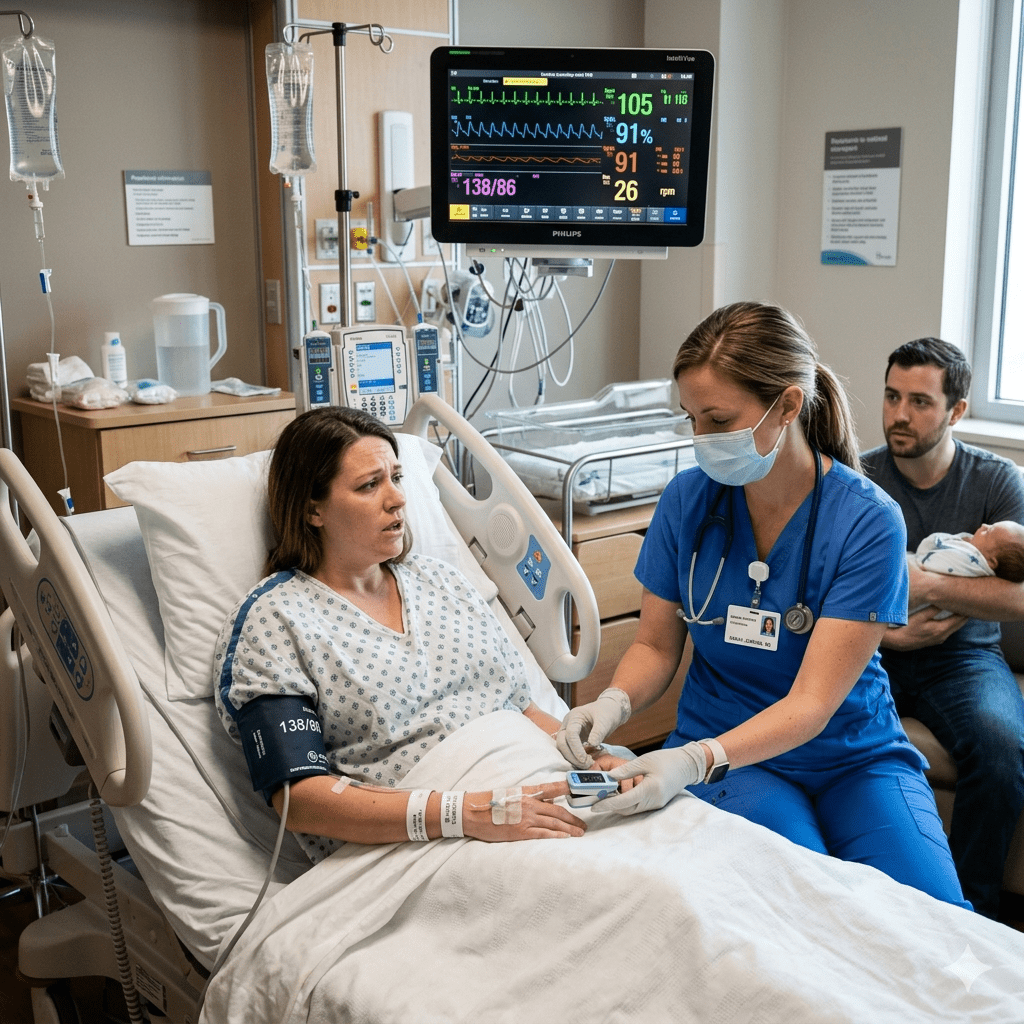
Postpartum hypertension is a serious condition that can occur after delivery, even in patients with no prior history of high blood pressure. Early recognition and prompt nursing interventions are essential to prevent life-threatening complications such as stroke, seizure, or organ damage. For nursing students, registered nurses, and RN nurses, understanding postpartum hypertension management is critical … Read more

Nursing Role in Induction of Labor

nursing role in induction of labor

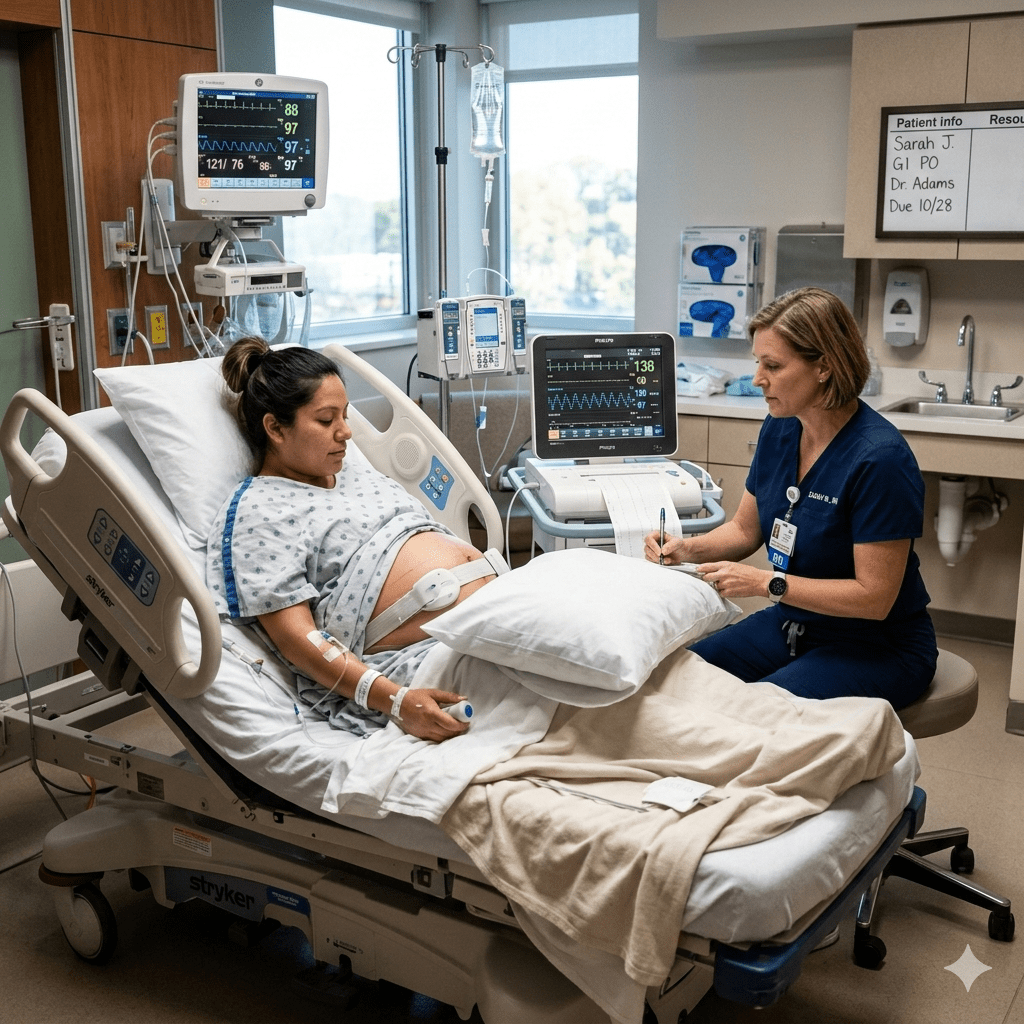
Induction of labor is a common obstetric procedure used when continuing pregnancy poses risks to the mother or baby. During induction, the nurse plays a critical role in patient preparation, medication administration, monitoring, and education. For nursing students, registered nurses, and RN nurses, understanding the nursing role in labor induction is essential for safe clinical … Read more

Teaching New Parents Safe Sleep Practices: A Nursing Guide

safe sleep practices nursing

Safe sleep education is a critical responsibility in nursing care for newborns. Teaching new parents how to create a safe sleep environment significantly reduces the risk of Sudden Infant Death Syndrome (SIDS) and other sleep-related infant deaths. For nursing students, registered nurses, and RN nurses, understanding how to teach safe sleep practices is essential for … Read more

Immediate Nursing Care After Delivery (First 2 Hours)

Immediate Nursing Care After Delivery

The first two hours after childbirth, often called the fourth stage of labor, are critical for both mother and newborn. During this time, the nurse plays a vital role in preventing complications, promoting bonding, and ensuring a safe transition after delivery. For nursing students, registered nurses, and RN nurses, mastering immediate post-delivery care is essential … Read more

Monitoring Mothers After Epidural Anesthesia: A Nursing Guide

Monitoring Mothers After Epidural Anesthesia

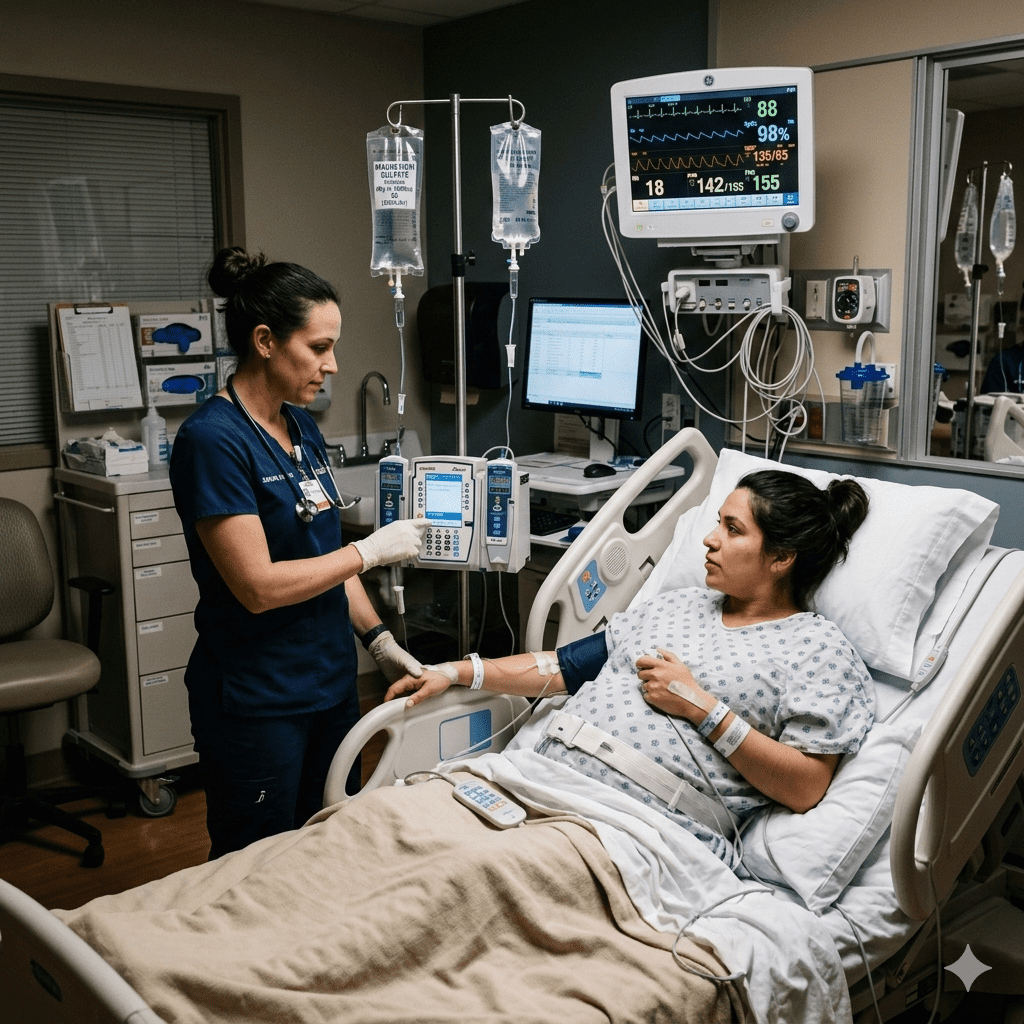
Epidural anesthesia is widely used during labor to provide effective pain relief. While it greatly improves maternal comfort, it also requires close monitoring by the nurse to prevent complications and ensure maternal and fetal safety. For nursing students, registered nurses, and RN nurses, understanding post-epidural care is essential for safe practice and NCLEX success. This … Read more

Nursing Care for Placenta Previa and Placental Abruption

Placenta Previa vs Abruption

Placenta previa and placental abruption are serious obstetric complications that require rapid assessment, close monitoring, and skilled nursing care. For every nurse and registered nurse, understanding the differences between these conditions is essential for safe maternal and fetal outcomes. These topics are also high-yield for NCLEX and frequently included in nursing bundles and maternity exams. … Read more