Preterm Premature Rupture of Membranes (PPROM): Nursing Assessment and Management

PPROM nursing management

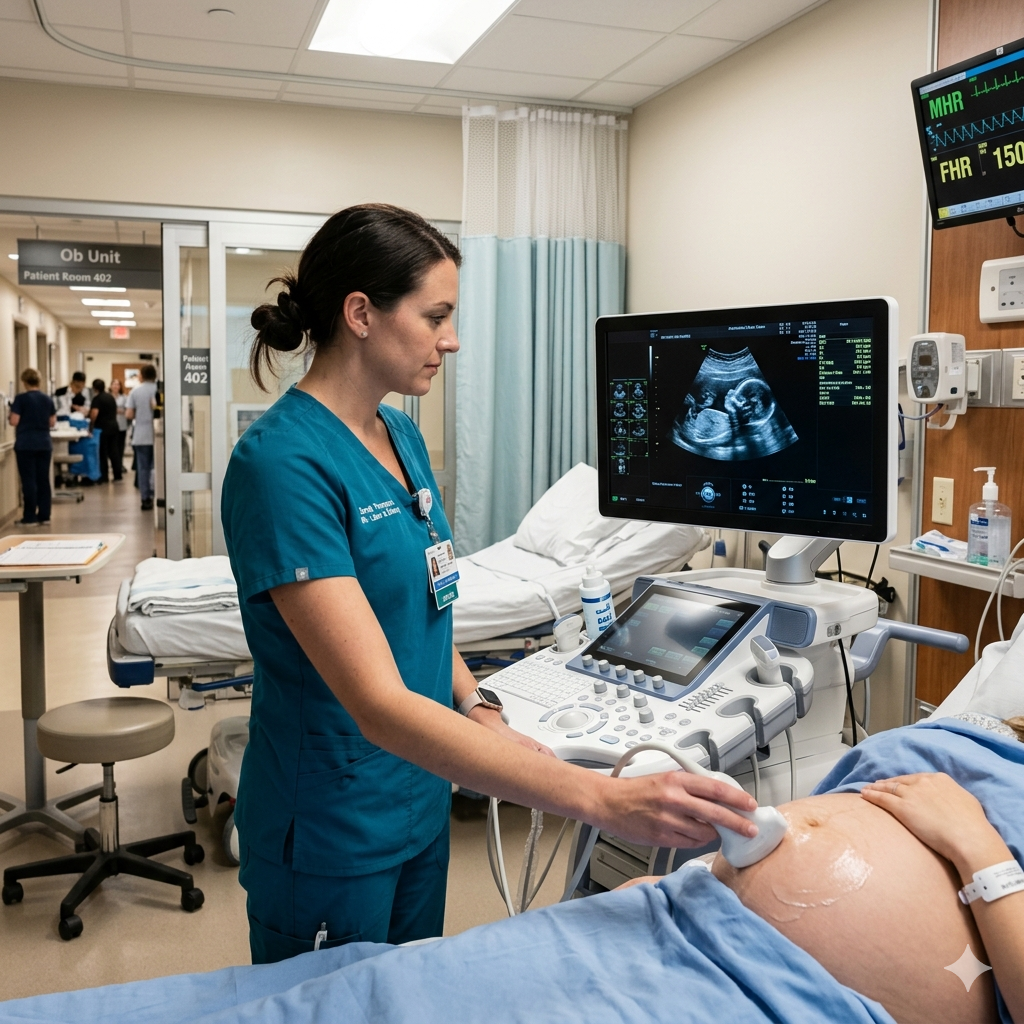
Preterm Premature Rupture of Membranes (PPROM) is a serious obstetric condition that occurs when the amniotic sac ruptures before 37 weeks of pregnancy and before the onset of labor. Because the protective membrane surrounding the fetus breaks early, both the mother and fetus are at increased risk for infection, preterm birth, and other complications. For … Read more

Magnesium Sulfate Toxicity Monitoring: A Nursing Safety Guide

Magnesium Sulfate Toxicity

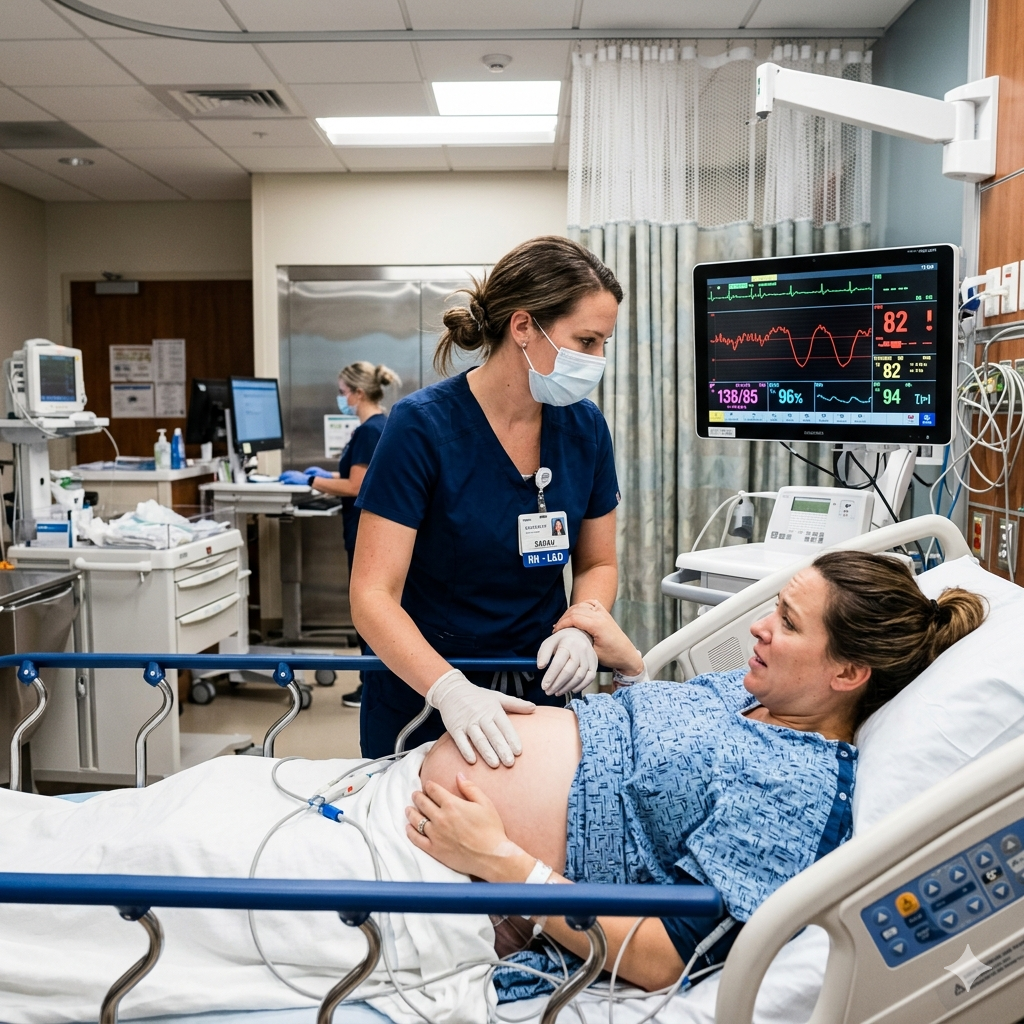
Magnesium sulfate is a commonly used medication in maternal and critical care nursing, especially for the treatment and prevention of seizures in patients with severe preeclampsia and eclampsia. While highly effective, magnesium sulfate has a narrow therapeutic range, meaning that careful monitoring is essential to prevent toxicity. For every registered nurse, understanding how to recognize … Read more

Amniotic Fluid Embolism Recognition: A Critical Guide for Nurses

Amniotic Fluid Embolism

Amniotic fluid embolism (AFE) is a rare but life-threatening obstetric emergency that requires rapid recognition and immediate intervention. Although uncommon, it can lead to sudden cardiovascular collapse, respiratory failure, and severe bleeding. Because these events occur quickly, the registered nurse plays a crucial role in early recognition and emergency response. For NCLEX preparation, amniotic fluid … Read more

Shoulder Dystocia: Emergency Nursing Actions

Shoulder Dystocia Emergency

Shoulder dystocia is a serious obstetric emergency that occurs during vaginal delivery when the baby’s shoulders become lodged behind the mother’s pelvic bone after the head has been delivered. This situation requires rapid recognition and immediate intervention to prevent injury to both the mother and newborn. For a registered nurse working in labor and delivery, … Read more

Fetal Heart Rate Variability: A Deep Analysis for Nurses

Fetal Heart Rate Variability

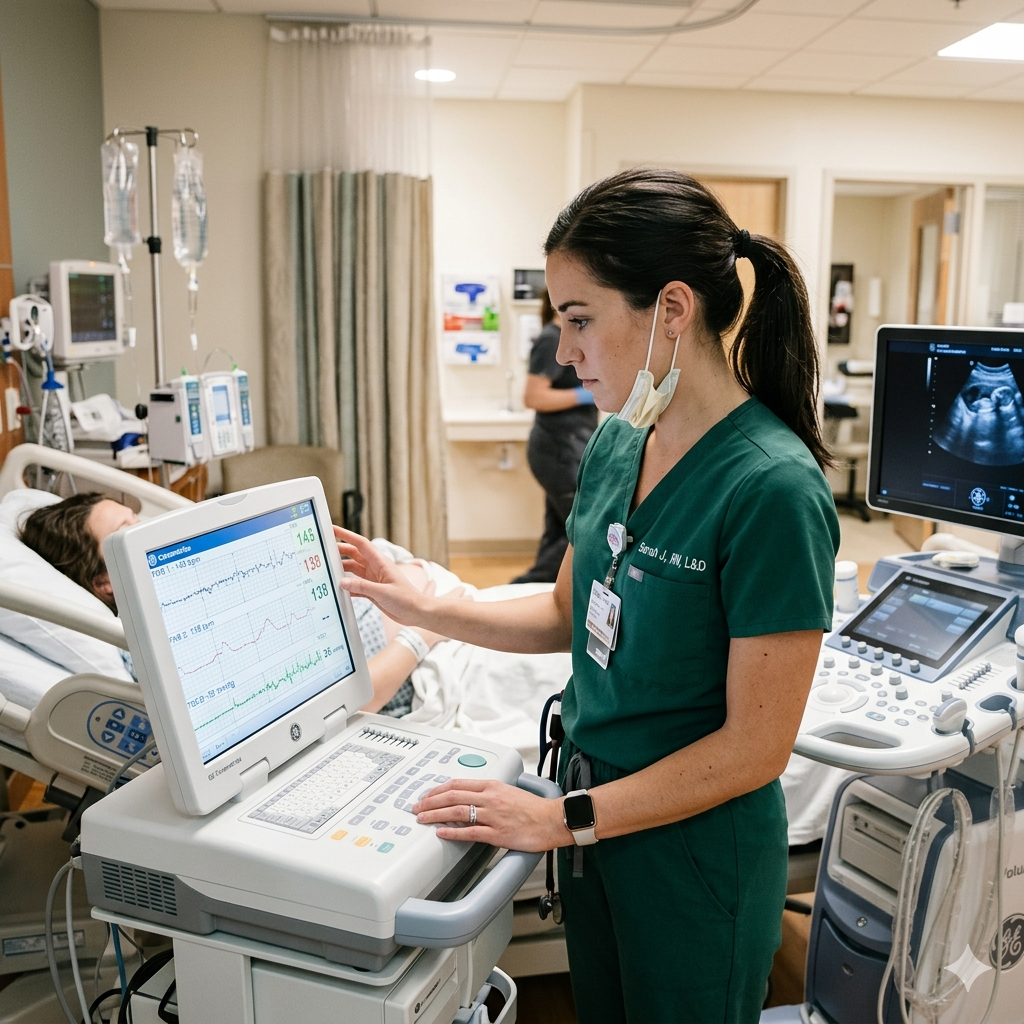
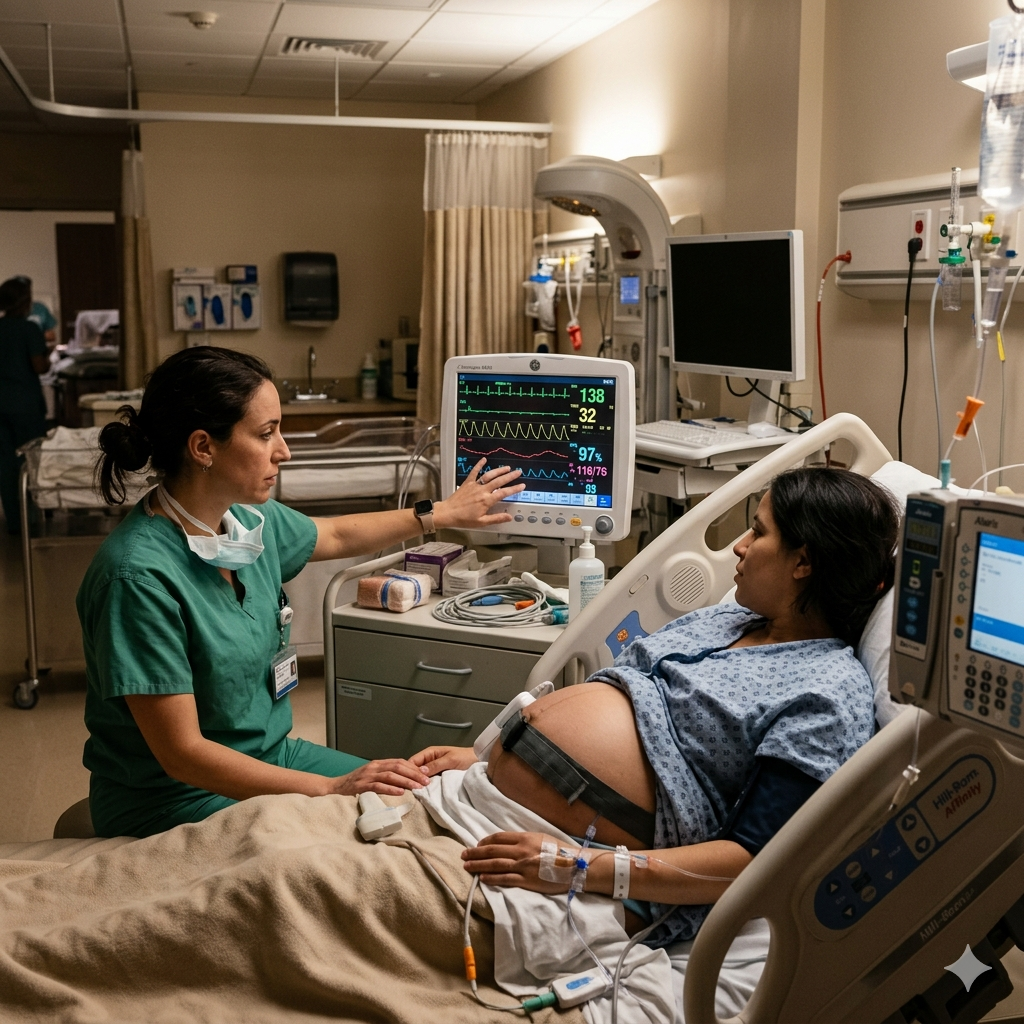
Fetal heart rate (FHR) monitoring is a cornerstone of intrapartum nursing care. Among the most important elements of fetal monitoring is fetal heart rate variability, which reflects the balance between the fetal sympathetic and parasympathetic nervous systems. Understanding variability allows a registered nurse to assess fetal well-being and recognize early signs of distress during labor. … Read more

Umbilical Cord Blood Gas Interpretation: A Nursing Guide for Newborn Assessment

Umbilical cord blood gas interpretation

Umbilical cord blood gas analysis is an important diagnostic tool used immediately after birth to evaluate a newborn’s oxygenation, ventilation, and acid–base status. Understanding how to interpret these values is essential for every registered nurse, especially those working in labor and delivery, neonatal intensive care units (NICU), and maternal-child health settings. For NCLEX preparation, umbilical … Read more

HELLP Syndrome Pathophysiology and Emergency Nursing Care

HELLP Syndrome Pathophysiology

HELLP syndrome is a severe and life-threatening complication of pregnancy that requires immediate medical attention. The condition is considered a variant of severe preeclampsia and can rapidly progress to serious maternal and fetal complications. For every nurse and registered nurse (RN nurse) working in obstetric, emergency, or critical care settings, recognizing HELLP syndrome early is … Read more

Supporting Mothers with Cesarean Birth Anxiety: A Nursing Perspective

Cesarean birth anxiety nursing

Cesarean birth can be a life-saving procedure, yet it often triggers significant anxiety for expectant mothers. Fear of surgery, pain, recovery, and newborn outcomes can overwhelm patients before and after delivery. The nurse plays a central role in recognizing anxiety, providing emotional support, and promoting a positive birth experience. This topic is important for maternal … Read more

Nursing Care for Multiple Gestation Pregnancies

Nursing care for multiple gestation

Multiple gestation pregnancies, such as twins, triplets, or higher-order multiples, require specialized nursing care due to increased maternal and fetal risks. The nurse plays a vital role in early identification of complications, patient education, and ongoing monitoring throughout pregnancy. This topic is frequently tested on the NCLEX and is essential knowledge for every registered nurse … Read more

Assessing Lochia and Uterine Involution: A Nursing Guide

Assessing lochia

Postpartum assessment is a critical responsibility for every nurse involved in maternal care. One of the most important components of this assessment is evaluating lochia and uterine involution. Accurate nursing assessment helps detect complications early, prevent postpartum hemorrhage, and ensure safe recovery for the mother. This topic is highly tested on the NCLEX and essential … Read more