High-Risk Pregnancy: Preeclampsia & Gestational Diabetes
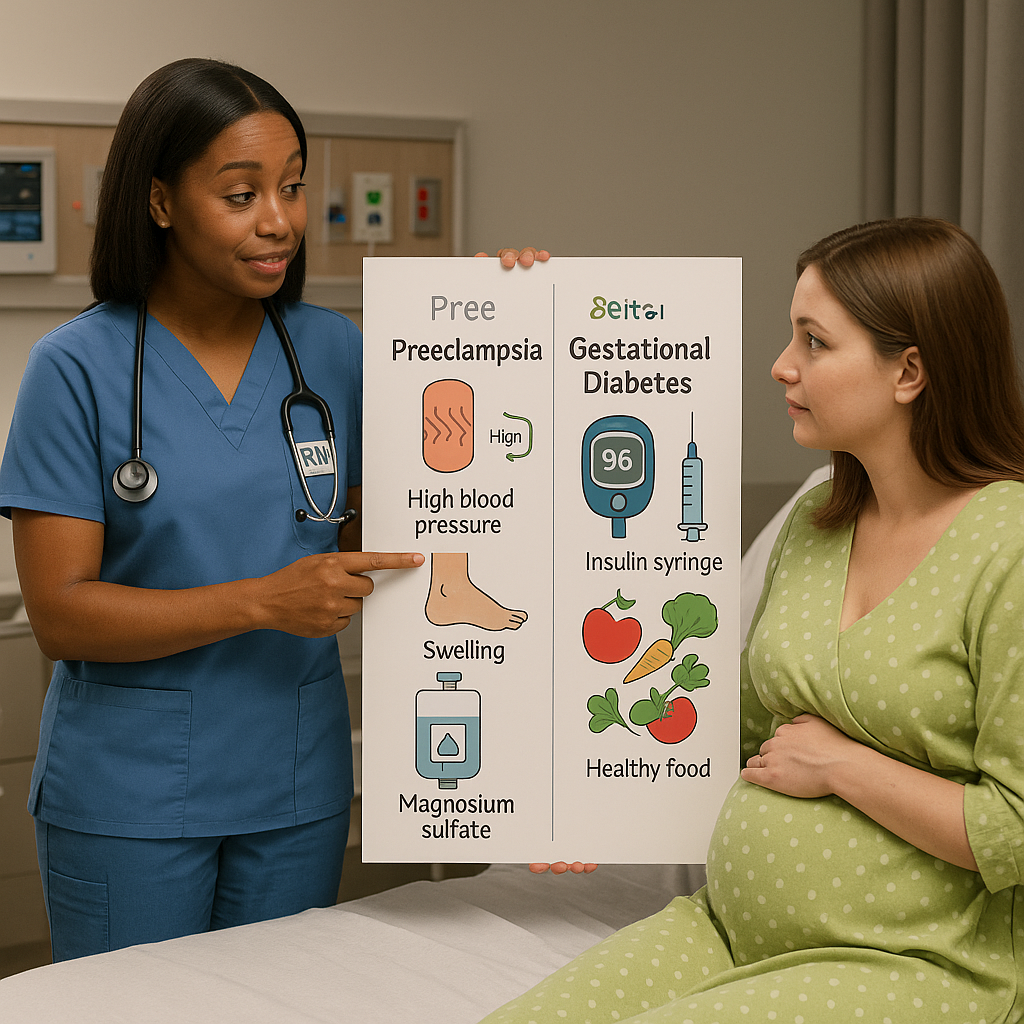
Learn high-risk pregnancy conditions like preeclampsia and gestational diabetes. A quick NCLEX nursing guide for RNs and nursing students.

Download nursing study guides & NCLEX prep bundles from RN-Nurse. Ideal for students & grads. Learn faster nursing courses for NCLEX prep.
Learn high-risk pregnancy conditions like preeclampsia and gestational diabetes. A quick NCLEX nursing guide for RNs and nursing students.
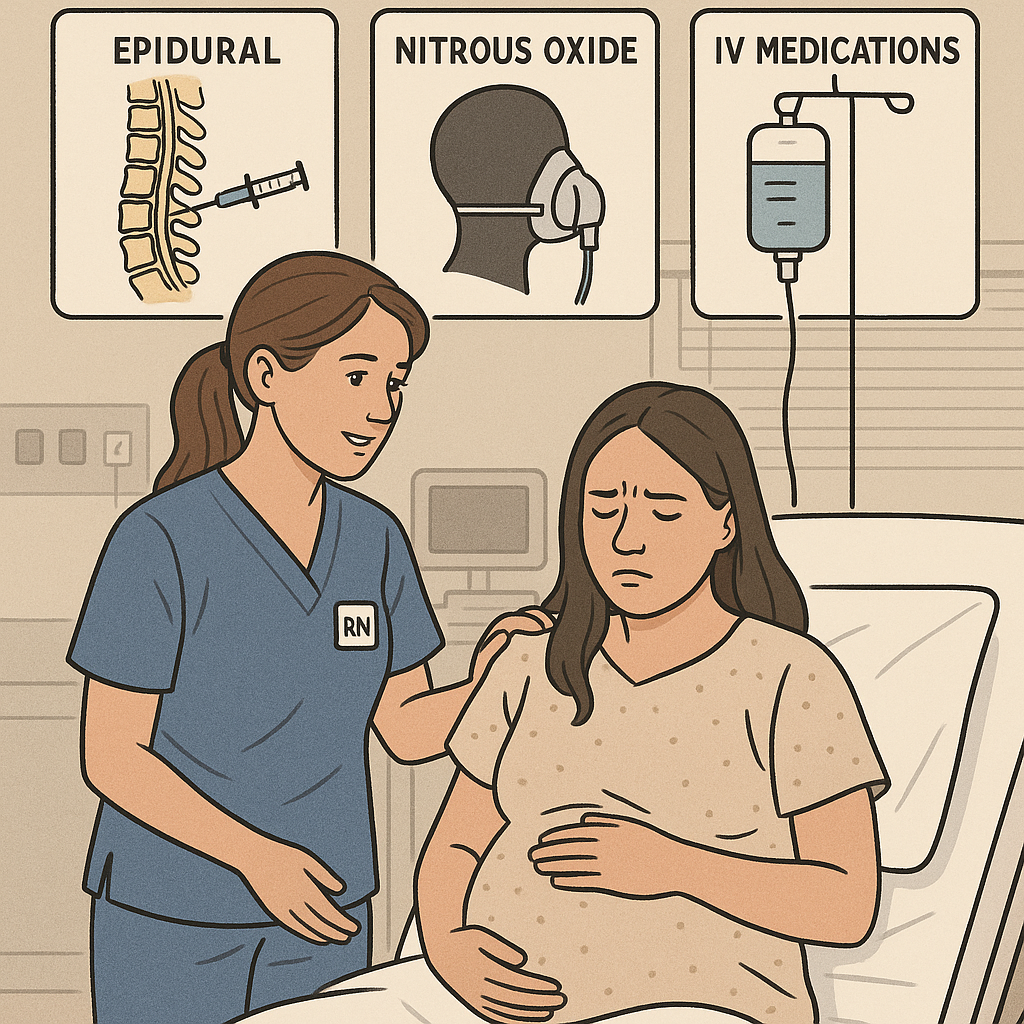
This guide simplifies pain relief options in labor, including epidurals, nitrous oxide, and IV opioids. Perfect for NCLEX prep, nurses, RN nurses, and nursing bundle users, it highlights benefits, risks, and nursing implications every registered nurse must know.
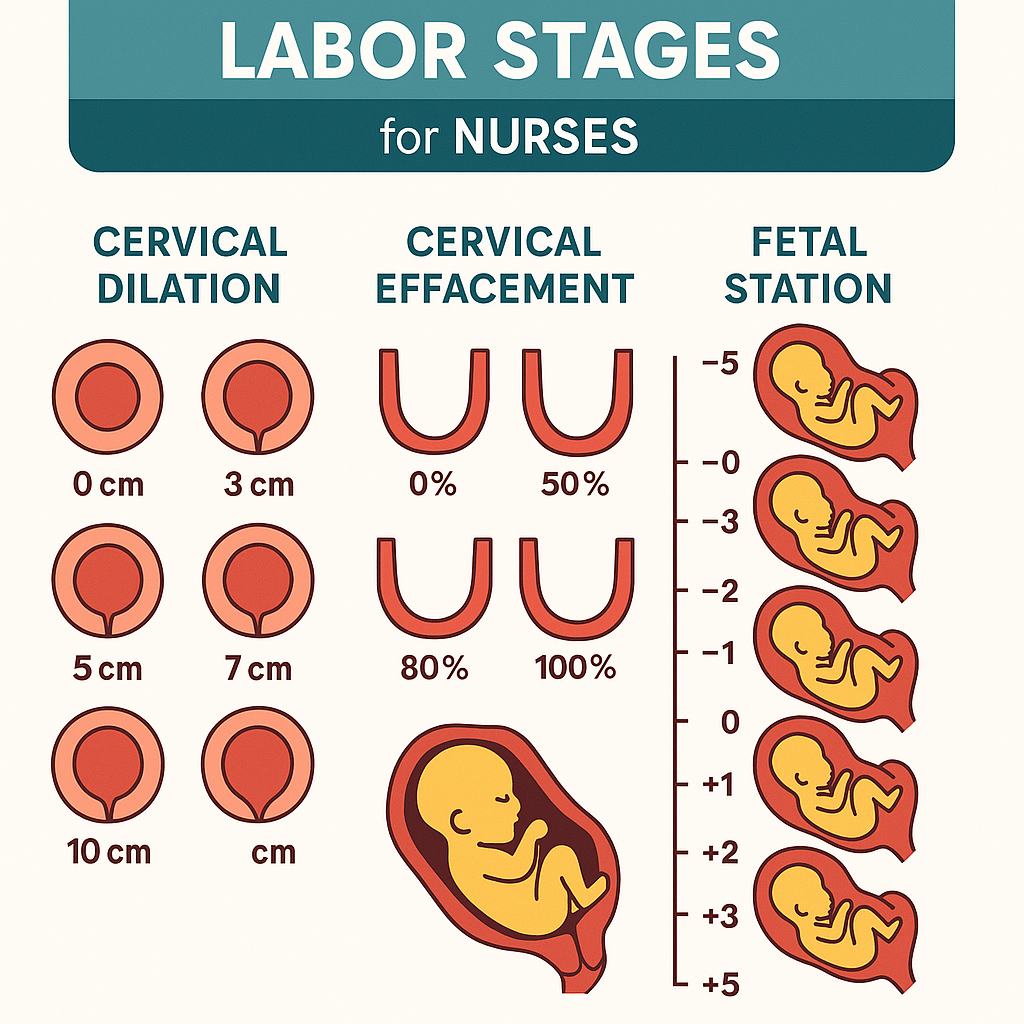
A simple nursing guide to the stages of labor with visuals on cervical dilation, effacement, and fetal station. Perfect for NCLEX prep and nursing practice.

Fetal heart monitoring strips made easy for NCLEX prep. Learn baseline FHR, variability, accelerations, decelerations, and nursing interventions step by step.

Prioritization is a critical NCLEX skill every nurse must master. Practice real “What would you do first?” scenarios and learn how RN nurses prioritize care.
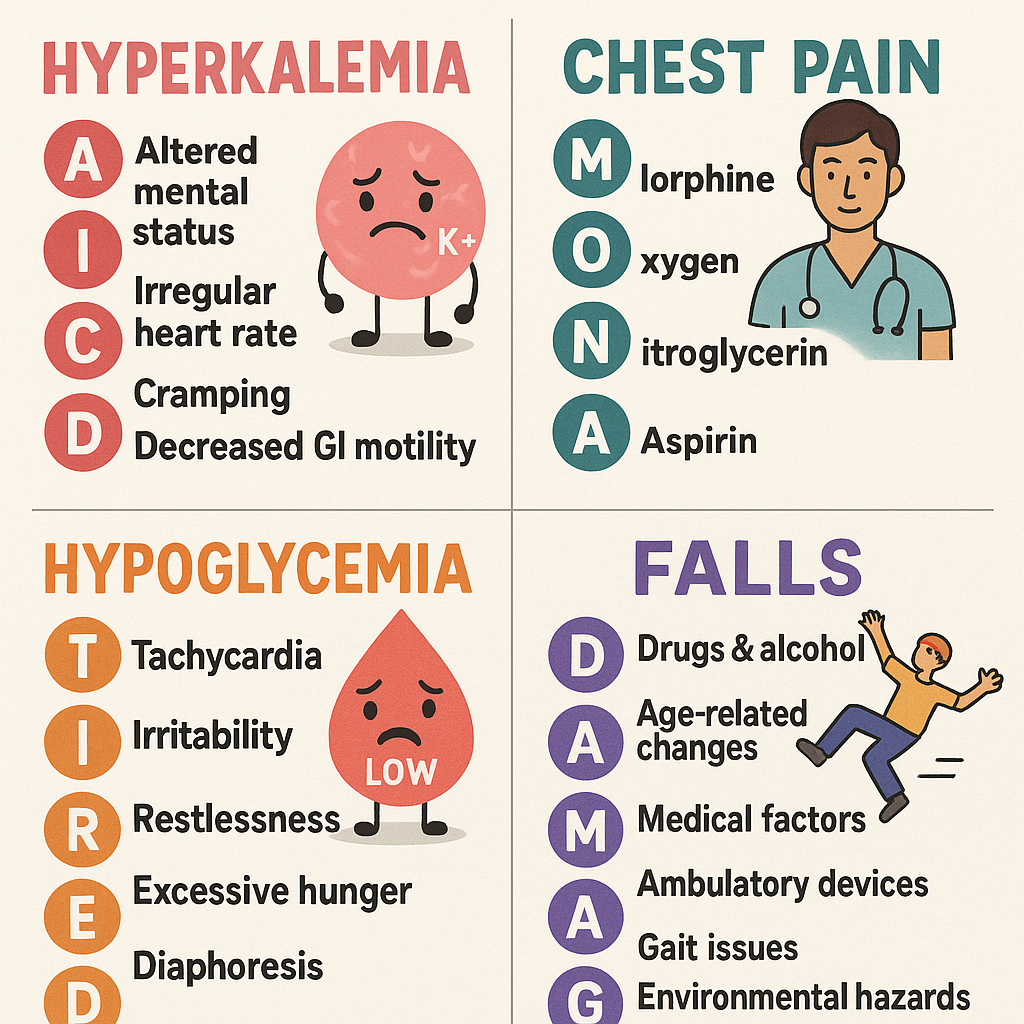
Struggling with Med-Surg? These simple mnemonics make NCLEX prep easier and help every nurse, nursing student, and RN recall critical care priorities.
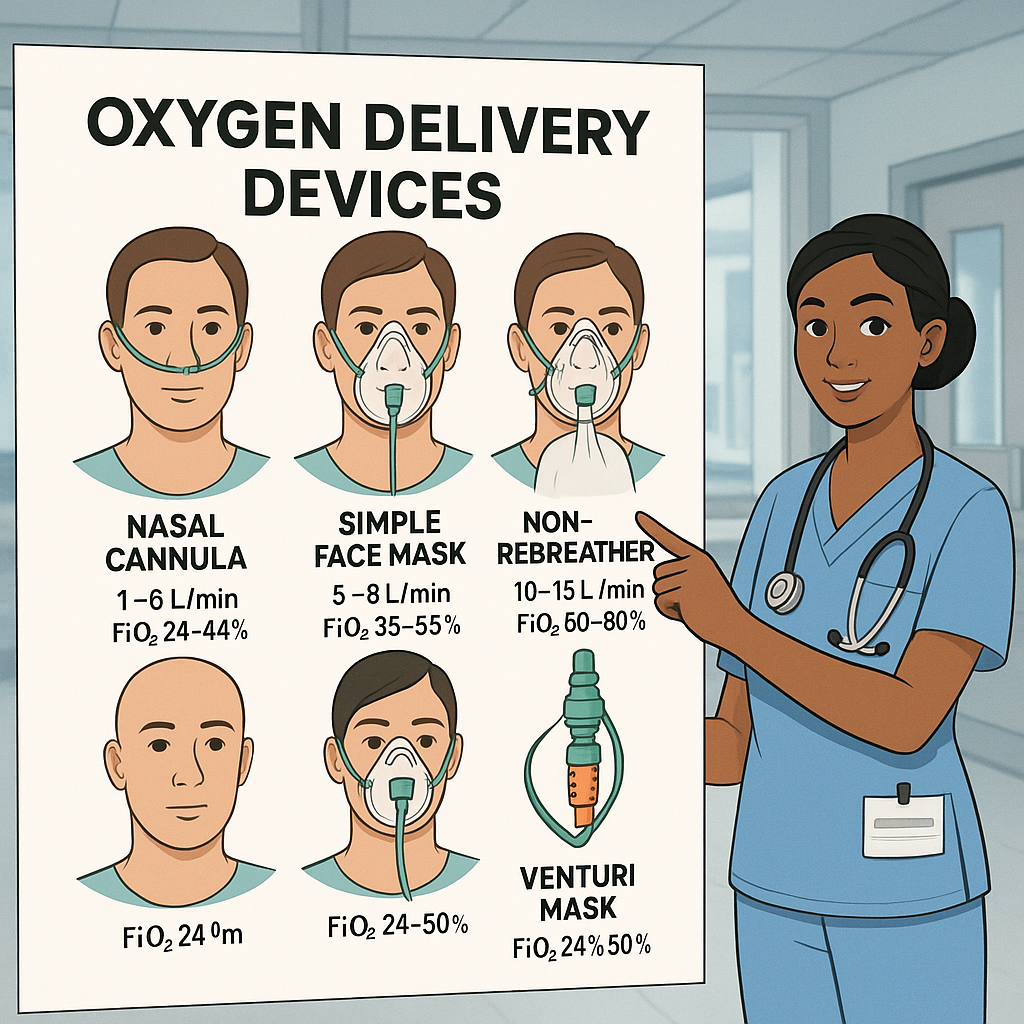
Understanding oxygen delivery devices is vital for every nurse. From nasal cannula to non-rebreather and Venturi masks, this quick guide breaks down flow rates, FiO₂, and nursing priorities to help registered nurses and NCLEX students master oxygen therapy.
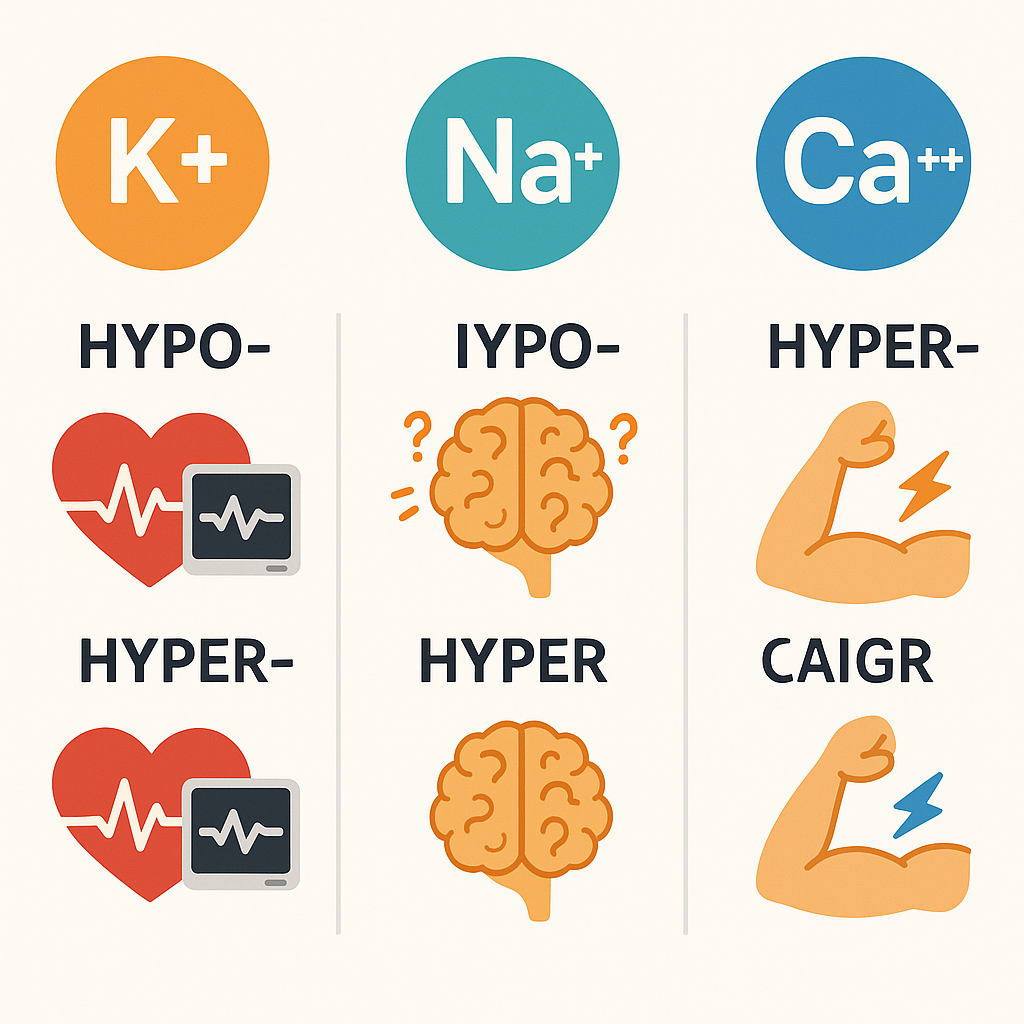
Electrolyte imbalances can be tricky but critical for NCLEX prep. This guide simplifies potassium, sodium, and calcium imbalances with key nursing tips for RN nurses and students.
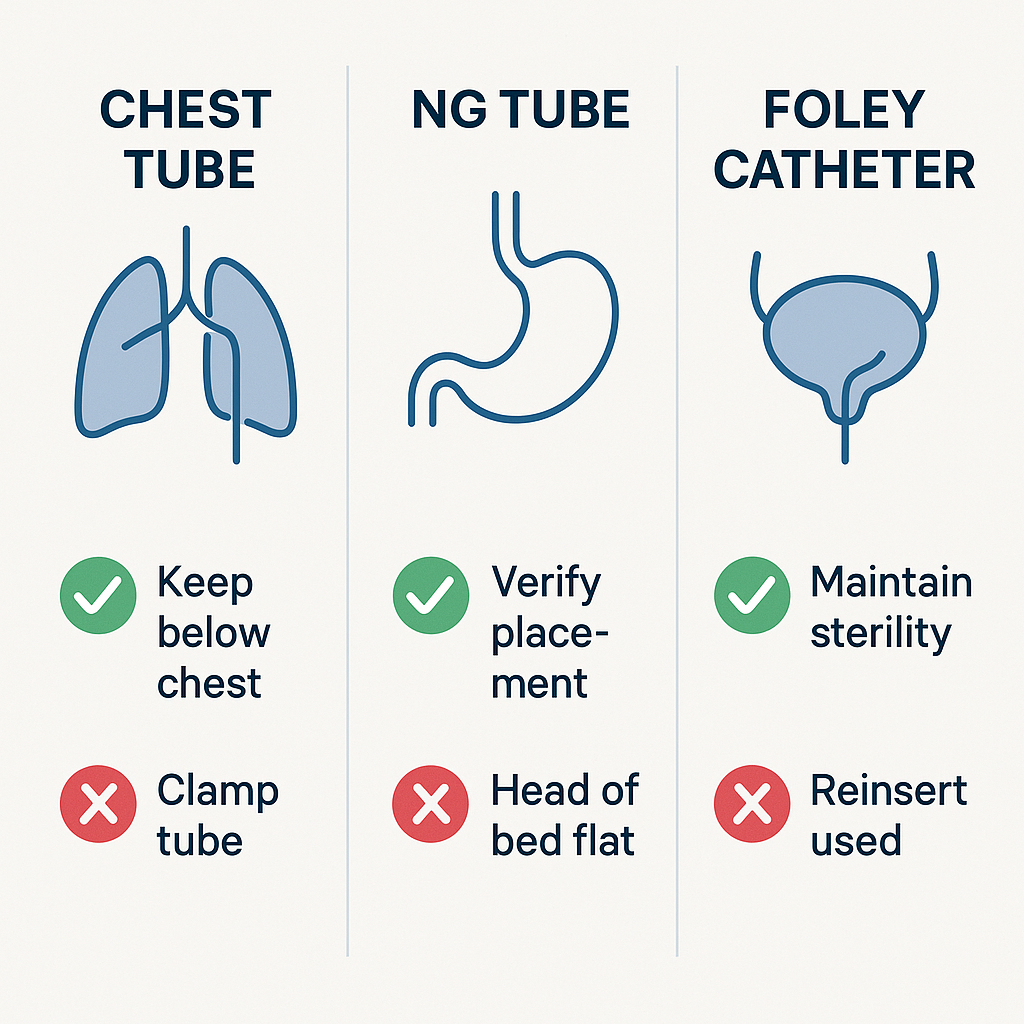
Chest tubes, NG tubes, and Foley catheters are essential in nursing care. This guide breaks down do’s, don’ts, and NCLEX must-knows for every RN nurse.
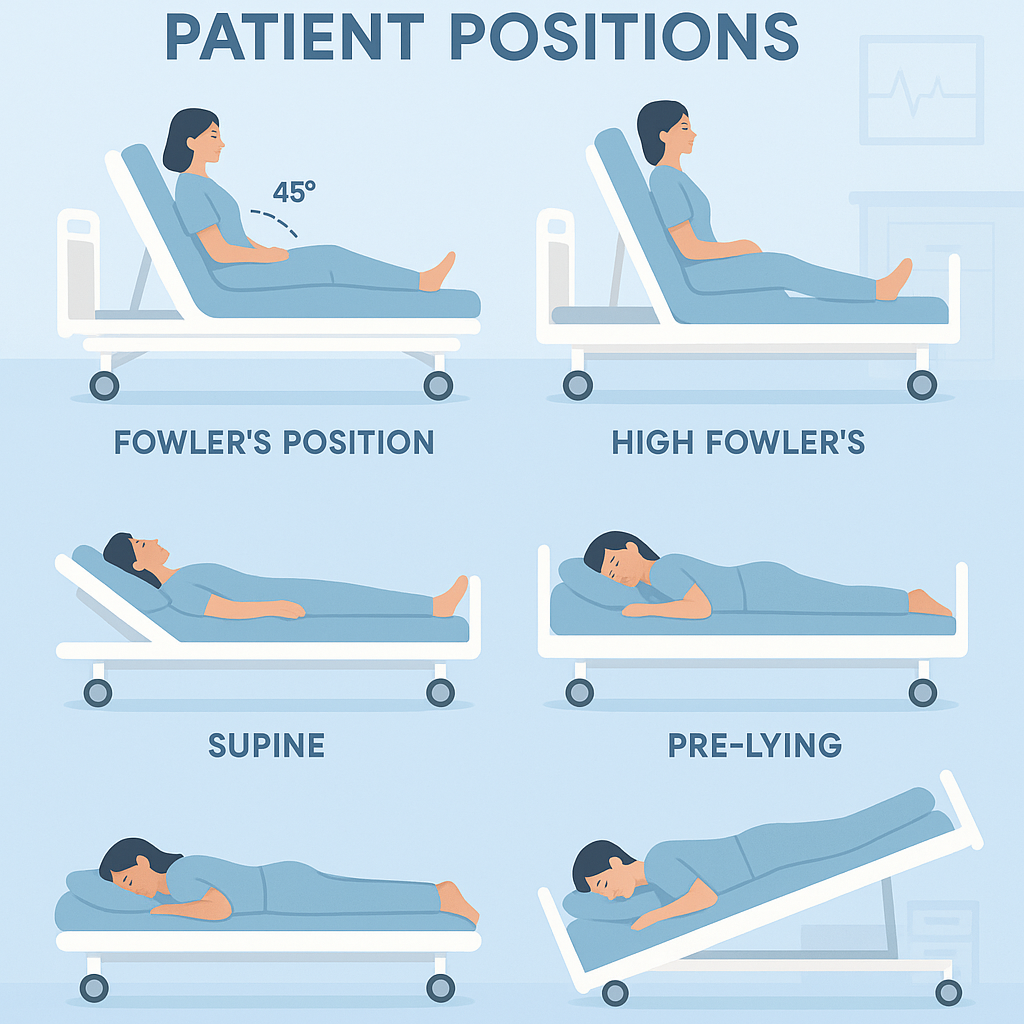
Correct patient positioning is a vital nursing skill. From Fowler’s to Trendelenburg, learn when and why to use each position—perfect for NCLEX prep and RN nurses in practice.