Mpox Clade I Strain: What Nurses and RNs Need to Know
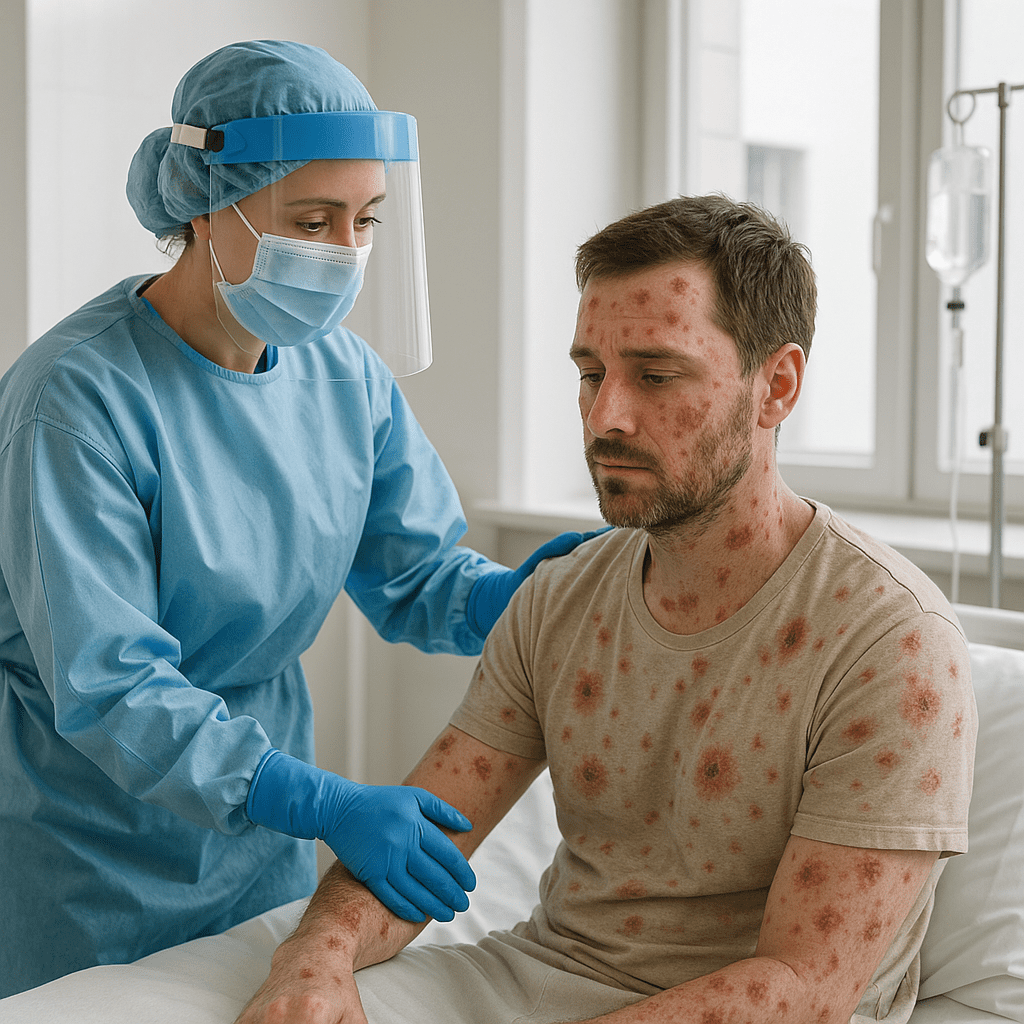
Mpox Clade

Health officials have confirmed a locally acquired case of mpox (formerly monkeypox) involving the clade I strain, known for causing more severe illness. This is the first time this more virulent variant has been detected without travel history to Africa, raising new questions for nurses, public health officials, and the wider medical community. As a … Read more
Nursing Care During Cesarean Birth: A Complete Guide

cesarean birth

Cesarean birth, commonly known as a C-section, is one of the most frequent surgical procedures in modern healthcare. For every registered nurse (RN), understanding the essential steps of nursing care during cesarean birth is crucial to ensure the safety, comfort, and recovery of both the mother and the newborn. Whether you’re a nursing student studying … Read more

How to Build Therapeutic Relationships With Psychiatric Patients

Therapeutic Relationships

Building a therapeutic relationship is one of the most important — and rewarding — skills in psychiatric nursing. It forms the foundation of trust, healing, and effective communication between a registered nurse (RN) and their patient. In mental health care, patients may struggle with fear, mistrust, or emotional instability. The nurse’s role is to create … Read more

How to Care for Patients With Chest Tubes

Care for Patients

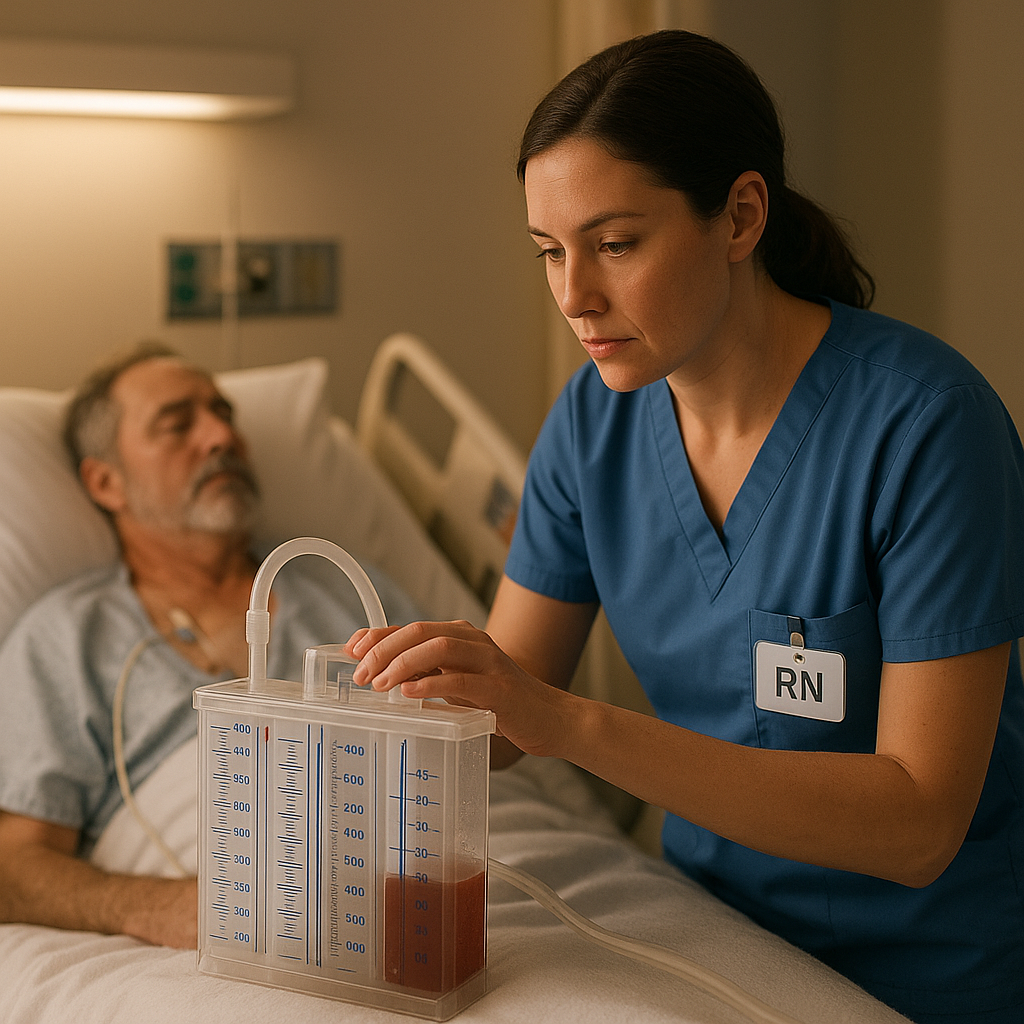
Caring for patients with chest tubes is a critical skill for every registered nurse (RN). Whether you’re working in med-surg, critical care, or emergency nursing, understanding chest tube management is essential for ensuring patient safety and effective treatment. If you’re preparing for the NCLEX, this is one of those high-yield nursing topics you must master. … Read more

How to Prepare Patients Emotionally for Surgery

Prepare Patients

Surgery can be one of the most stressful experiences a patient faces. While physical preparation is essential, emotional readiness plays a huge role in recovery and overall outcomes. As a registered nurse (RN), you’re not only responsible for clinical care—you’re also a source of comfort, trust, and emotional stability. This guide explores how every nurse … Read more

Protein Powders and Lead Contamination: What Every Nurse Should Know

protein powders

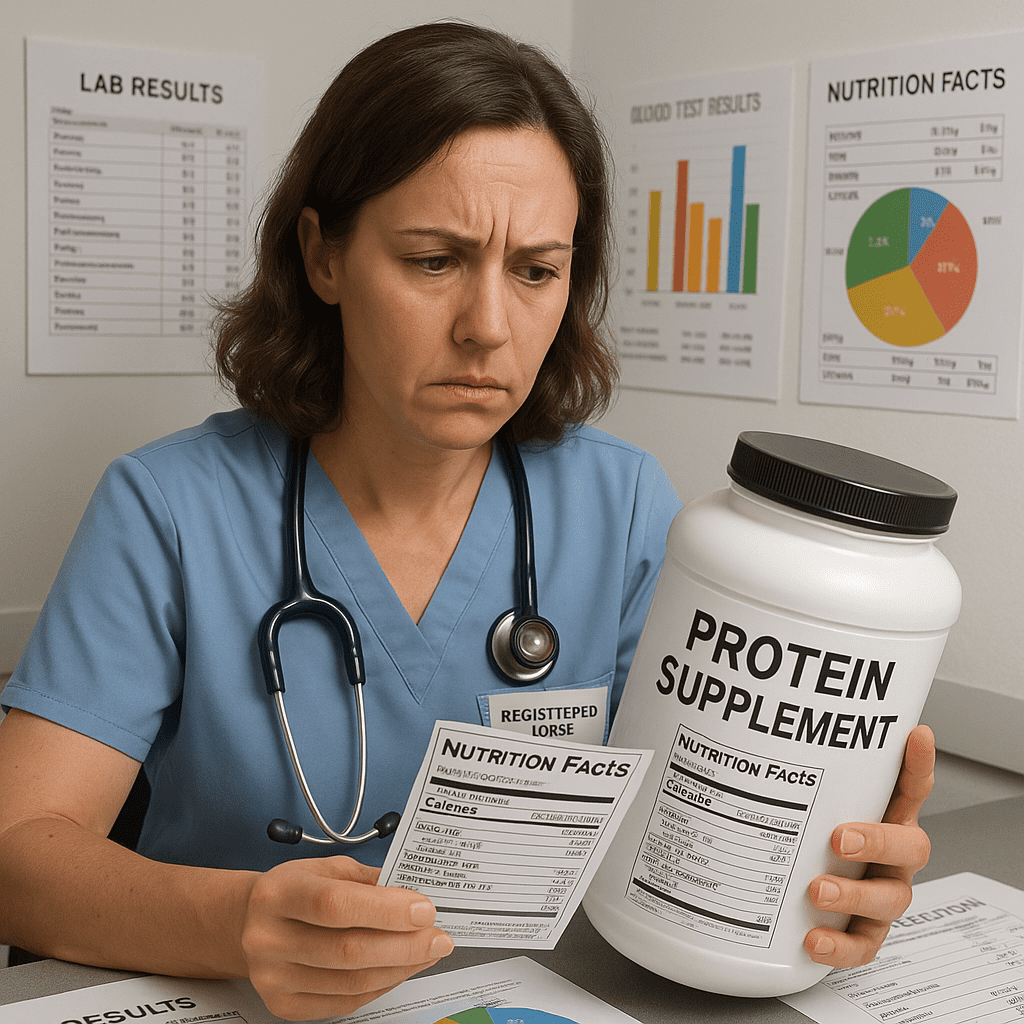
Understanding the Hidden Health Risks Behind Popular Supplements In today’s health-conscious world, many people — including nurses and nursing students — turn to protein powders and shakes to stay energized, maintain muscle, and manage busy shifts. But a recent Consumer Reports investigation uncovered a disturbing truth: many of these popular supplements contain dangerously high levels … Read more

Cultural Competence in Nursing: Caring for Diverse Patients

Cultural Competence

In today’s multicultural healthcare environment, being a registered nurse (RN) means caring for patients from diverse backgrounds with unique beliefs, languages, and values. Cultural competence in nursing is essential for providing safe, respectful, and individualized care — and it’s a major focus on the NCLEX exam and in clinical practice. 🌍 What Is Cultural Competence … Read more

Pain Management: Pharmacologic vs Non-Pharmacologic Approaches

Pain Management

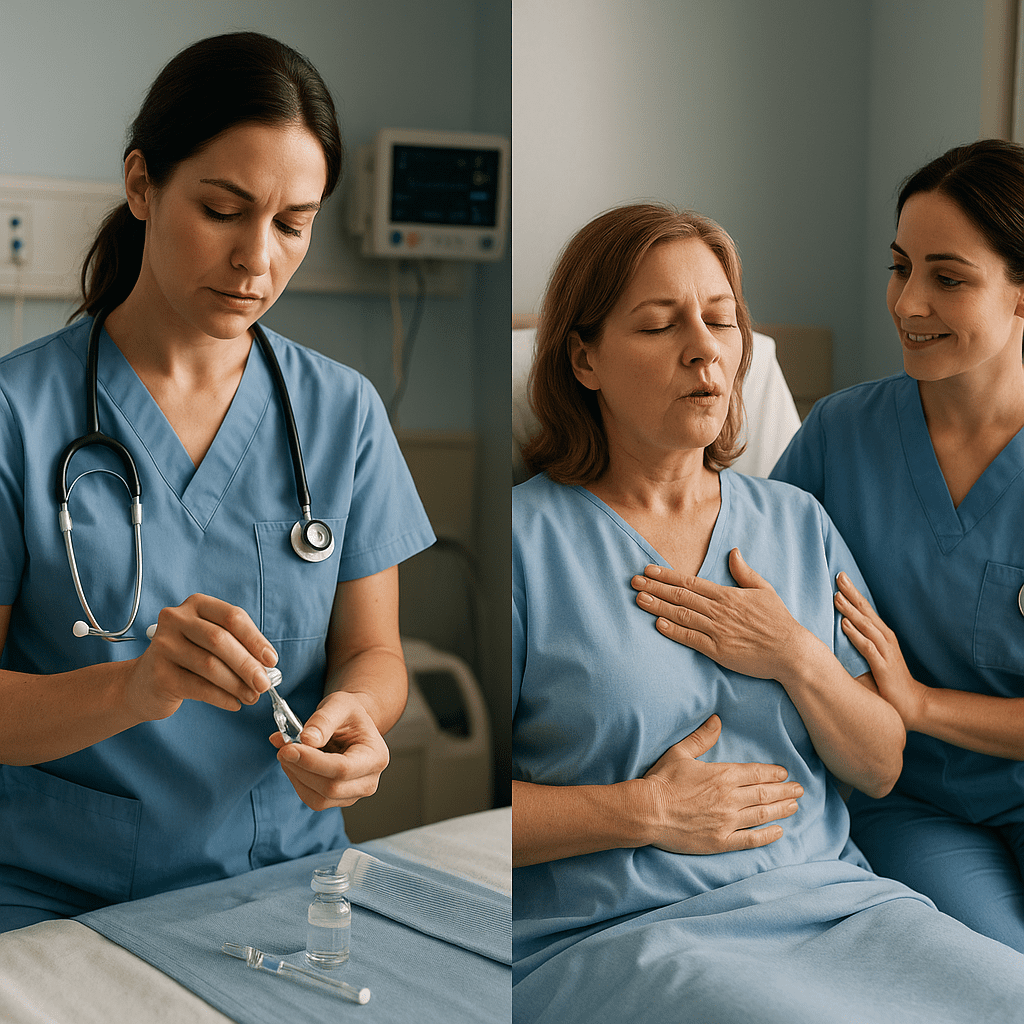
Pain is one of the most common reasons patients seek medical care. For every nurse and registered nurse (RN nurse), understanding how to manage pain effectively is a vital skill — both in clinical practice and on the NCLEX exam. Pain management combines pharmacologic (medication-based) and non-pharmacologic (non-drug) interventions to help patients achieve comfort and … Read more

Huntington’s Disease: Nursing Care, Symptoms, and NCLEX Review

Huntington’s disease

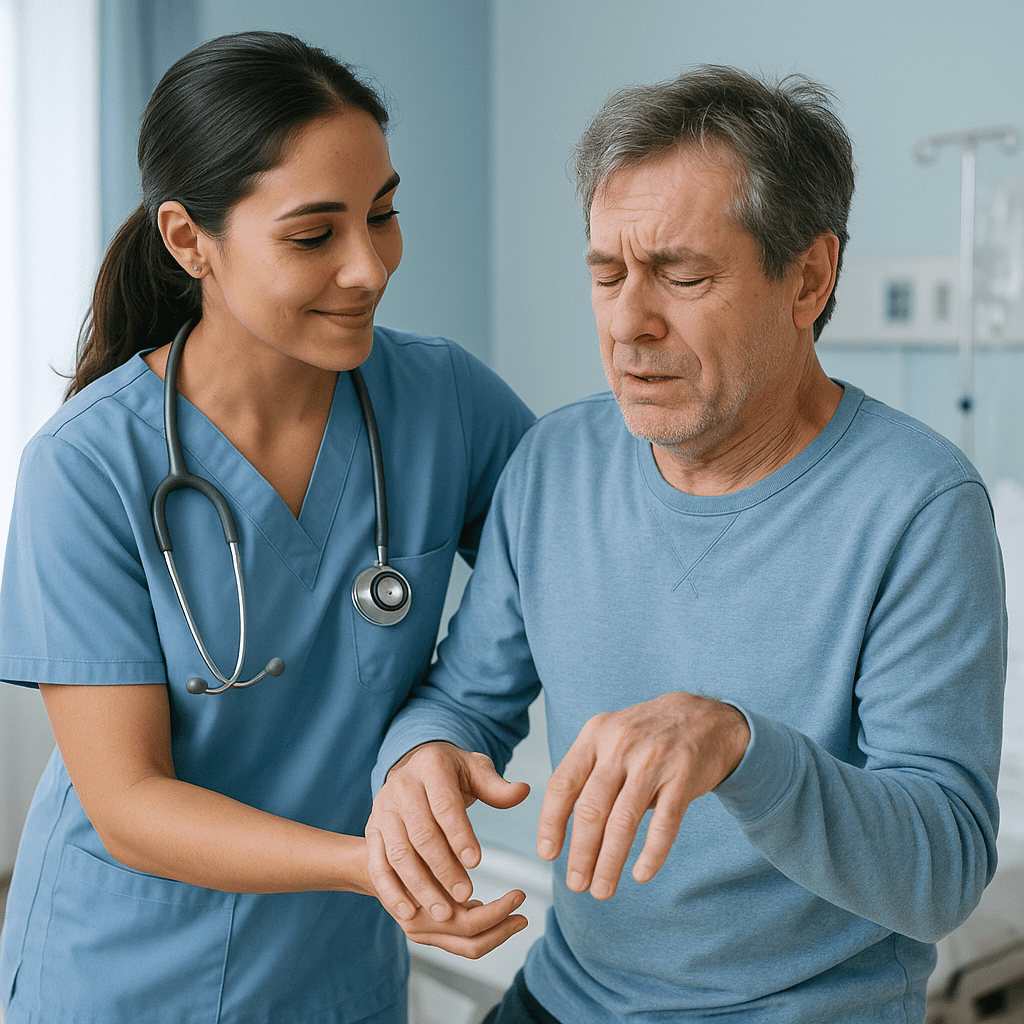
Huntington’s disease is a rare, inherited neurological disorder that affects the brain’s nerve cells, causing progressive loss of physical and mental abilities. For any nurse, understanding this condition is essential—especially for registered nurses (RN nurses) preparing for the NCLEX or caring for patients with neurodegenerative diseases. This guide simplifies the key concepts, nursing interventions, and … Read more

Documentation Do’s and Don’ts for Nurses

do’s and don’ts

Accurate and timely documentation is one of the most critical responsibilities of every nurse. It’s not just about writing notes — it’s a legal record, a communication tool, and a reflection of your nursing care quality. Whether you’re a registered nurse (RN) working at the bedside or studying for the NCLEX, mastering documentation is a … Read more