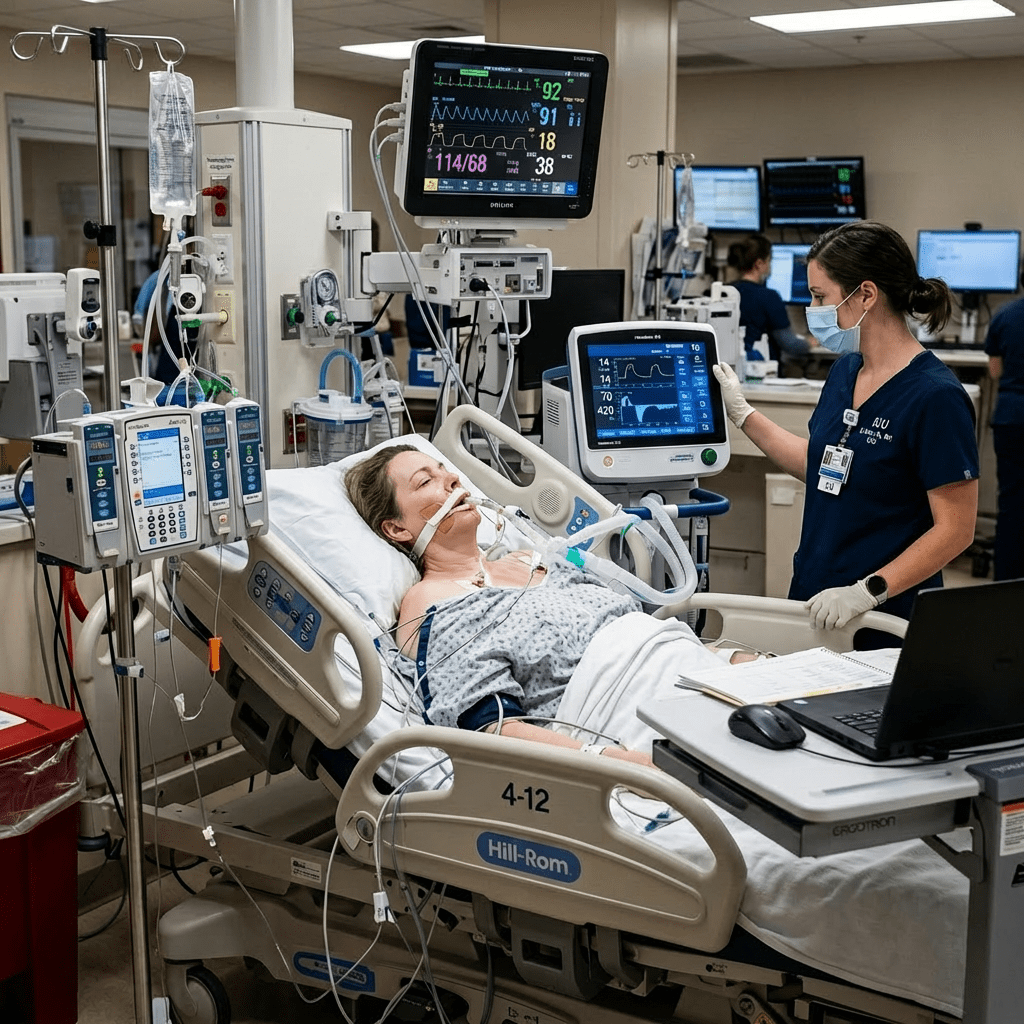
Heart Failure Hemodynamics and Nursing Interventions
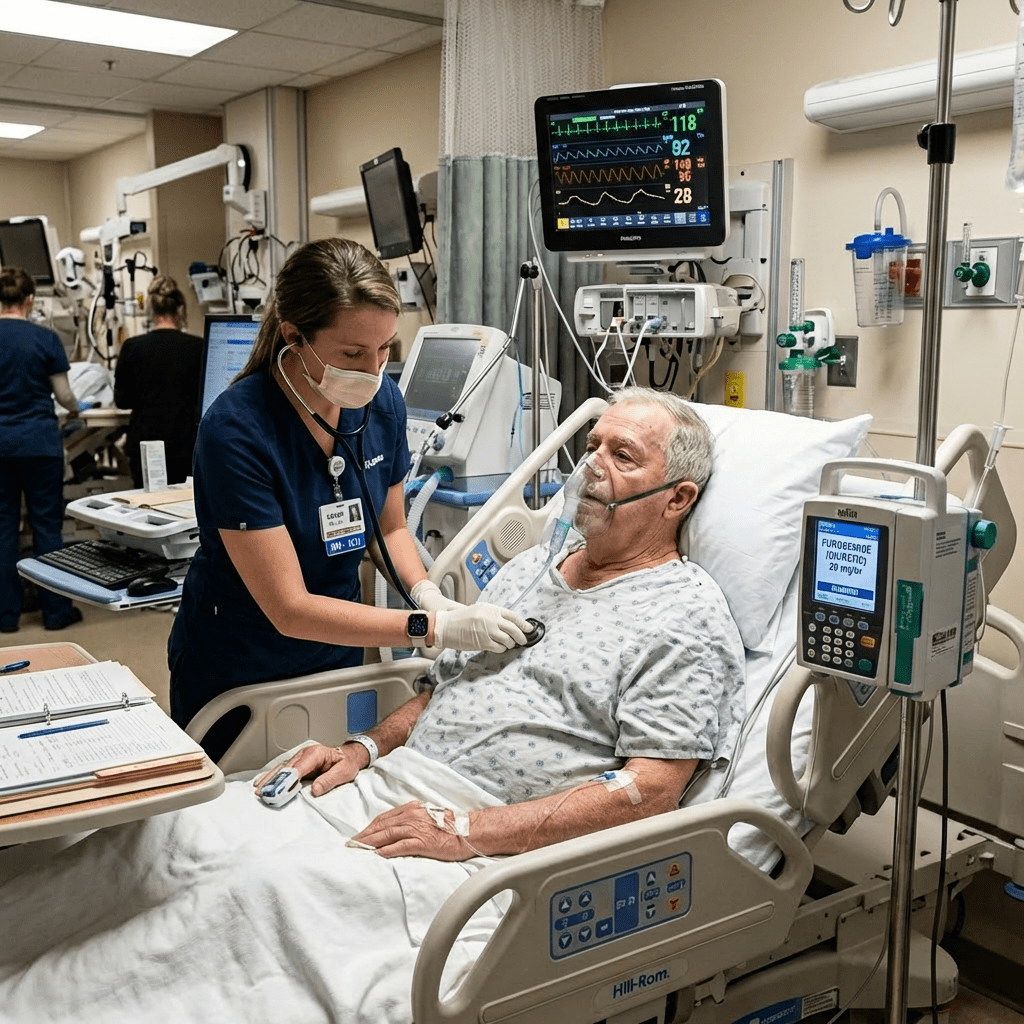
Heart failure hemodynamics

Heart failure is one of the most common conditions seen in hospitals and on the NCLEX. For every nurse, registered nurse (RN nurse), and nursing student, understanding heart failure hemodynamics and nursing interventions is essential for safe and effective patient care. When you understand the hemodynamics behind heart failure, nursing interventions become logical instead of … Read more
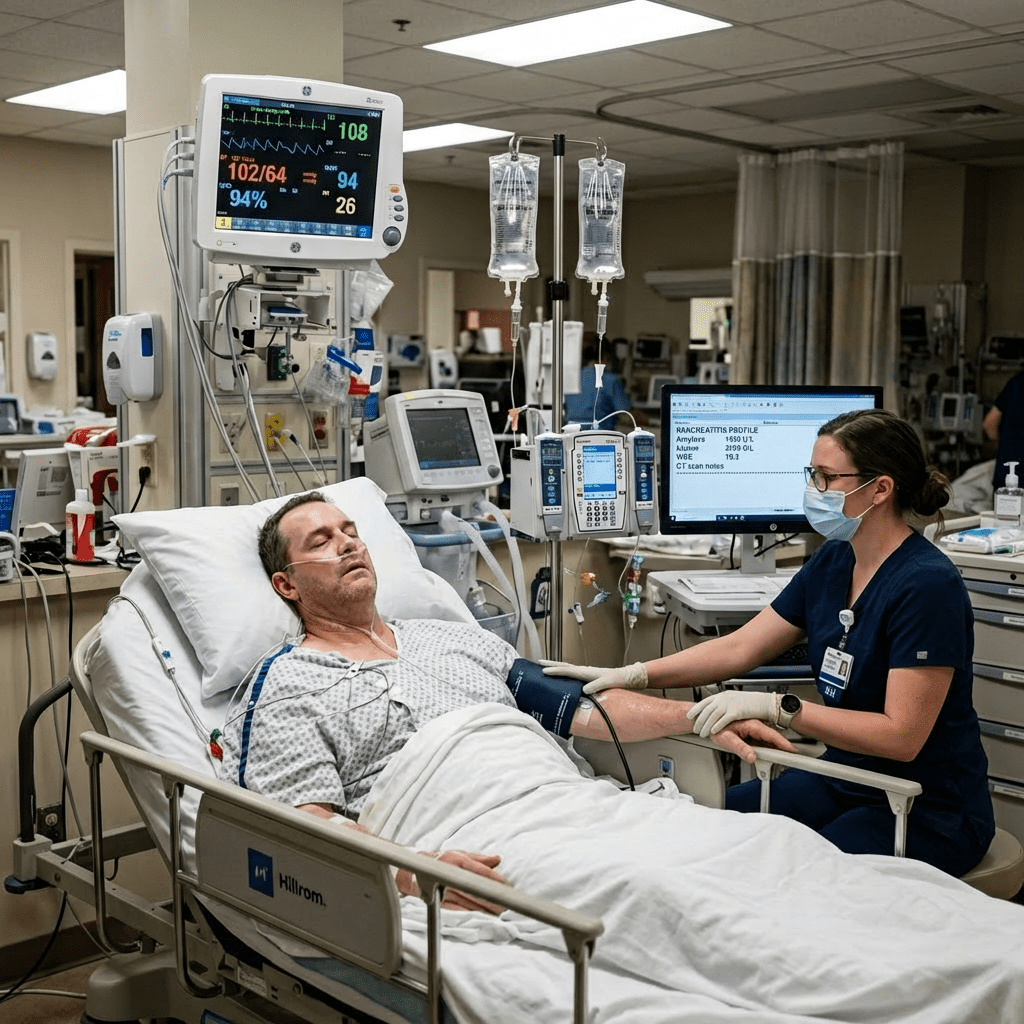
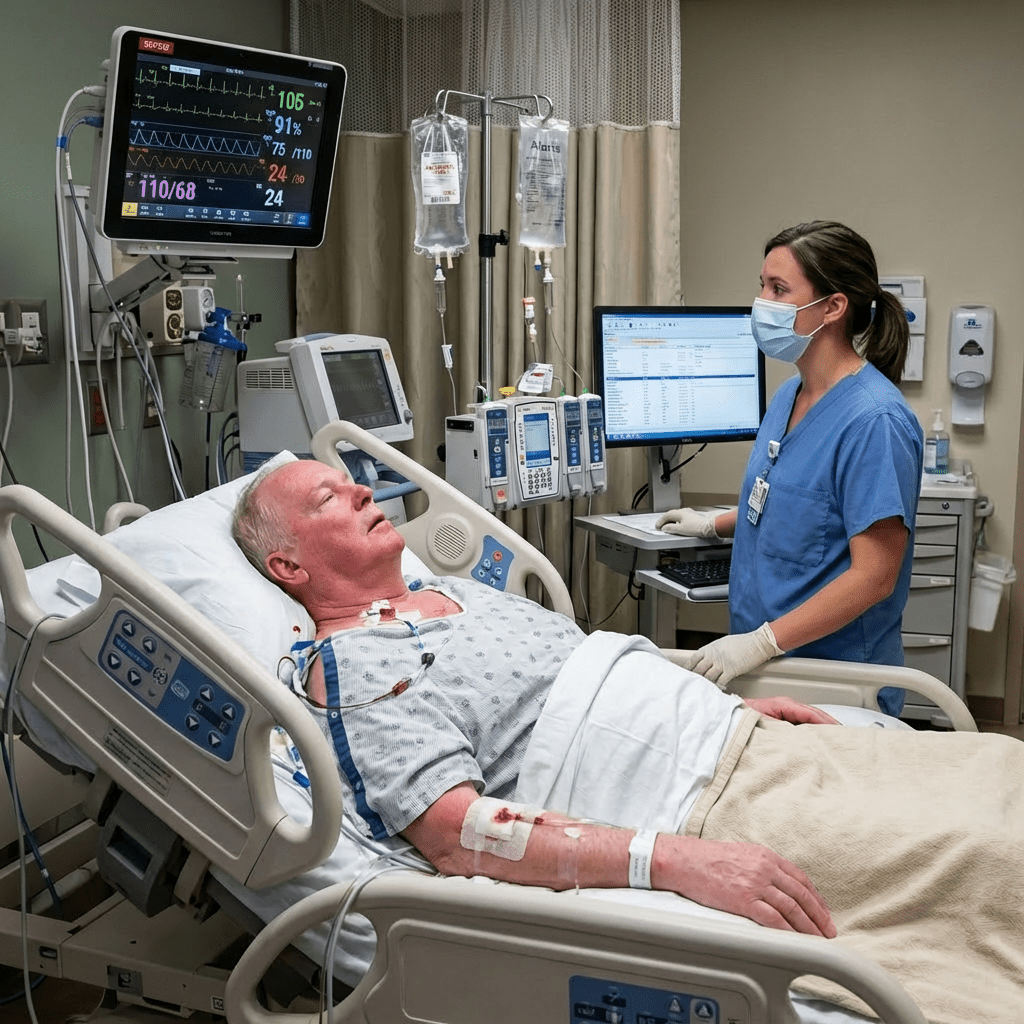
Pancreatitis Severity Scoring and Nursing Monitoring

Pancreatitis Severity

Acute pancreatitis can range from mild inflammation to life-threatening multi-organ failure. For every nurse, registered nurse (RN nurse), and nursing student preparing for the NCLEX, understanding pancreatitis severity scoring and proper nursing monitoring is essential. Early recognition of severe pancreatitis saves lives. Strong assessment skills and accurate interpretation of severity scores help guide safe nursing … Read more

Disseminated Intravascular Coagulation (DIC) Explained

DIC explained

Disseminated Intravascular Coagulation (DIC) is a life-threatening hematologic emergency every nurse, registered nurse (RN nurse), and nursing student must understand. It frequently appears on the NCLEX because it tests critical thinking, emergency prioritization, and understanding of pathophysiology. DIC is complex — but when broken down clearly, it becomes manageable and logical. What Is Disseminated Intravascular … Read more

Compartment Syndrome: Early Recognition Saves Limbs

Compartment Syndrome Nursing Care

Compartment syndrome is a limb-threatening emergency that every nurse, registered nurse (RN nurse), and nursing student must recognize early. Delayed treatment can result in permanent nerve damage, muscle death, amputation, or even systemic complications. For NCLEX preparation and real-world nursing practice, understanding the early warning signs of compartment syndrome can truly save limbs — and … Read more

Pathophysiology and Nursing Care of Acute Respiratory Distress Syndrome (ARDS)

ARDS Pathophysiology

Acute Respiratory Distress Syndrome (ARDS) is a life-threatening form of respiratory failure that every nurse, registered nurse, and RN nurse must recognize early. It is heavily tested on the NCLEX, particularly in critical care, prioritization, oxygenation, and ventilation management scenarios. Understanding ARDS pathophysiology allows the nursing professional to anticipate complications, implement timely interventions, and improve … Read more

Safe Mobility Strategies for High-Fall-Risk Patients

Safe mobility strategies

Patient falls are one of the most common and preventable safety events in healthcare settings. For high-fall-risk patients, safe mobility requires careful planning, teamwork, and continuous nursing assessment. Every nurse and registered nurse plays a critical role in reducing fall risk while promoting independence. This topic is frequently tested on the NCLEX, making it essential … Read more

Care of Patients with Nasogastric and PEG Tubes

NG and PEG Tube Care for Nurses

Enteral feeding tubes, including nasogastric (NG) tubes and percutaneous endoscopic gastrostomy (PEG) tubes, are commonly used to provide nutrition, hydration, and medications to patients who cannot eat orally. Proper tube care is a vital nursing responsibility and a frequently tested topic on the NCLEX. Every nurse and registered nurse must understand how to safely manage … Read more

Recognizing Sepsis in Post-Surgical Patients

Recognizing sepsis in post-surgical patients

Sepsis is a life-threatening medical emergency and a leading cause of morbidity and mortality in hospitalized patients. Post-surgical patients are at particularly high risk due to recent tissue trauma, invasive procedures, and potential exposure to pathogens. For every nurse and registered nurse, early recognition of sepsis after surgery is a critical nursing responsibility and a … Read more

Nursing Interventions for Acute Urinary Retention

interventions for acute urinary retention

Acute urinary retention (AUR) is a sudden and often painful inability to empty the bladder. It is considered a urologic emergency that requires prompt nursing assessment and intervention. For every nurse and registered nurse, understanding how to recognize and manage acute urinary retention is essential for patient safety and NCLEX success. This guide explains key … Read more