Deep Vein Thrombosis Pathophysiology and Nursing Prevention

DVT nursing prevention

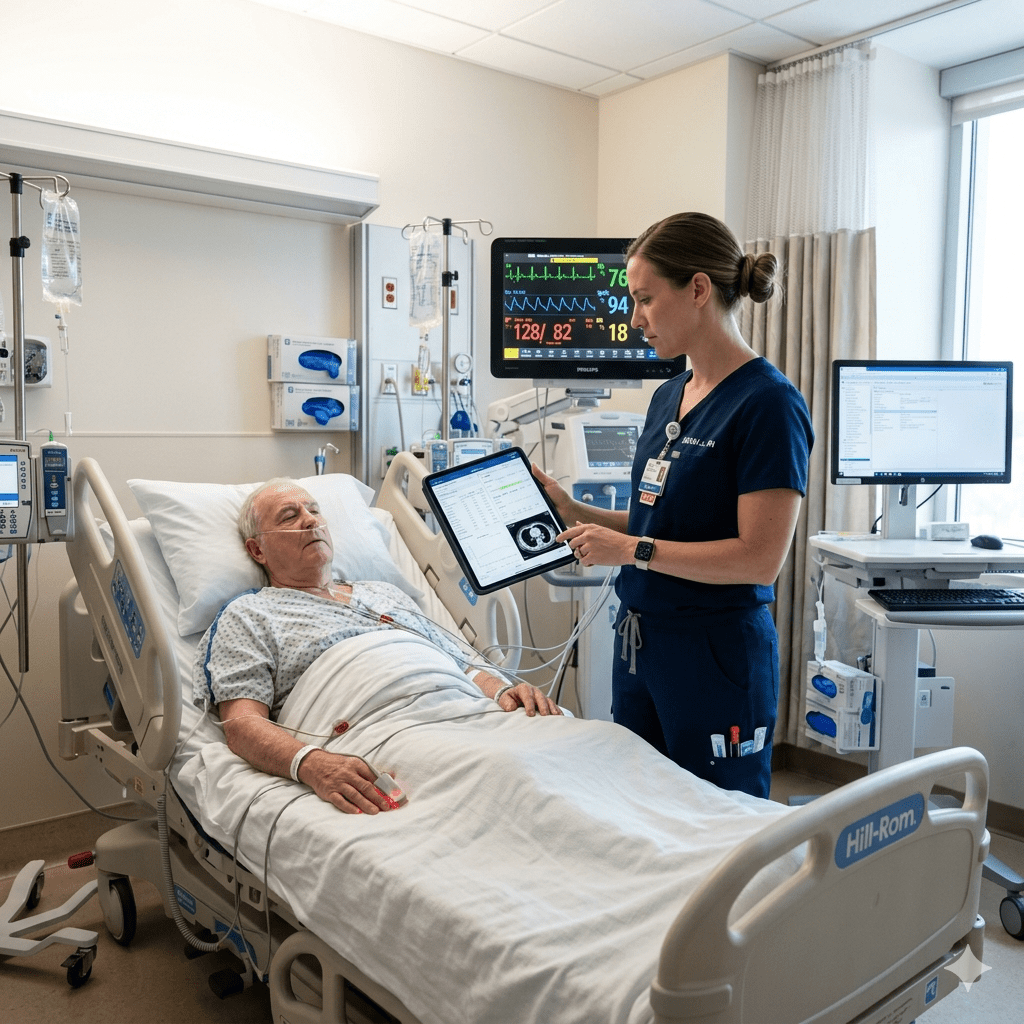
Deep vein thrombosis (DVT) is one of the most preventable yet potentially fatal conditions encountered in inpatient nursing. Every registered nurse must understand the mechanisms behind clot formation and the evidence-based interventions used to stop it — because DVT nursing prevention is not just a best practice, it is a patient safety imperative. On the … Read more
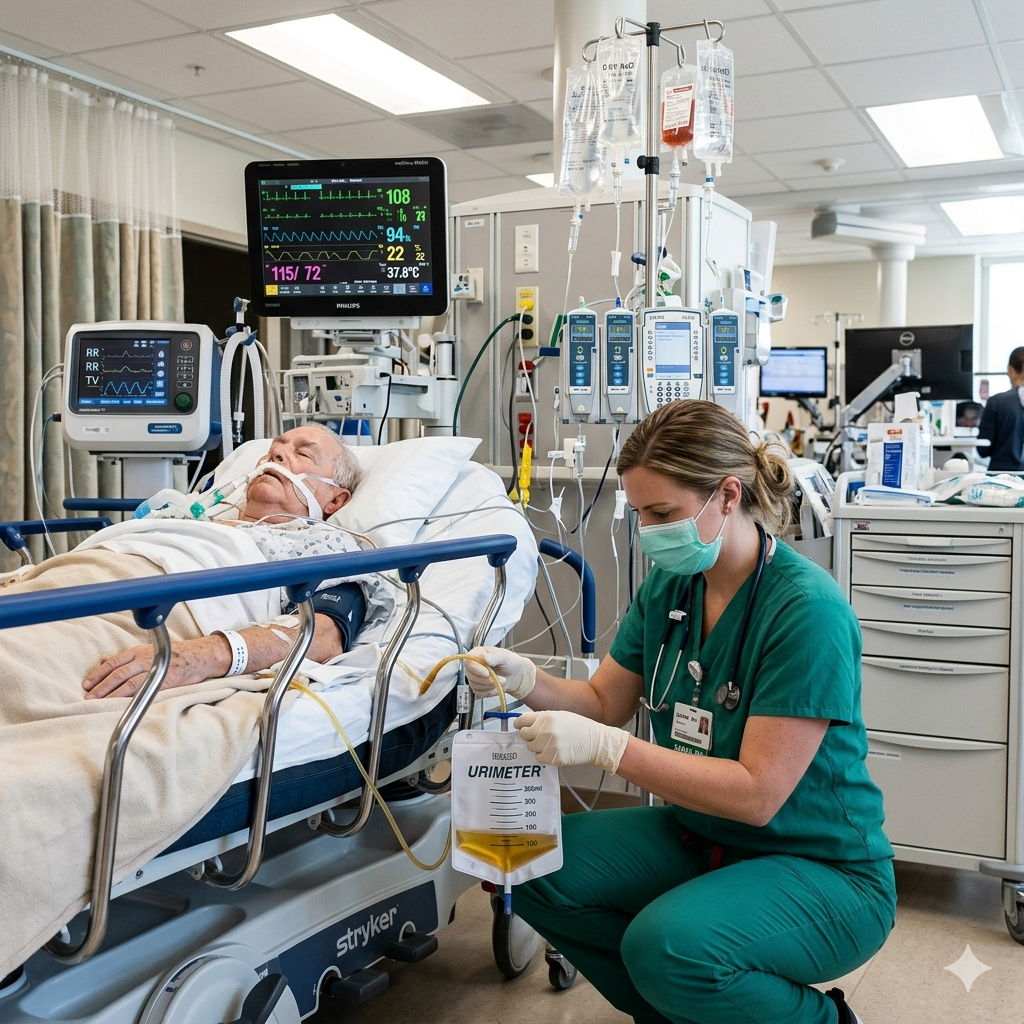
Rhabdomyolysis and Acute Kidney Injury Prevention: What Every Nurse Must Know

rhabdomyolysis acute kidney injury prevention

Rhabdomyolysis is a life-threatening breakdown of skeletal muscle tissue that releases toxic intracellular contents — most dangerously myoglobin — directly into the bloodstream. When myoglobin reaches the kidneys in high concentrations, it precipitates in the renal tubules and drives the cascade toward acute kidney injury (AKI). For the registered nurse working in the ICU, emergency … Read more

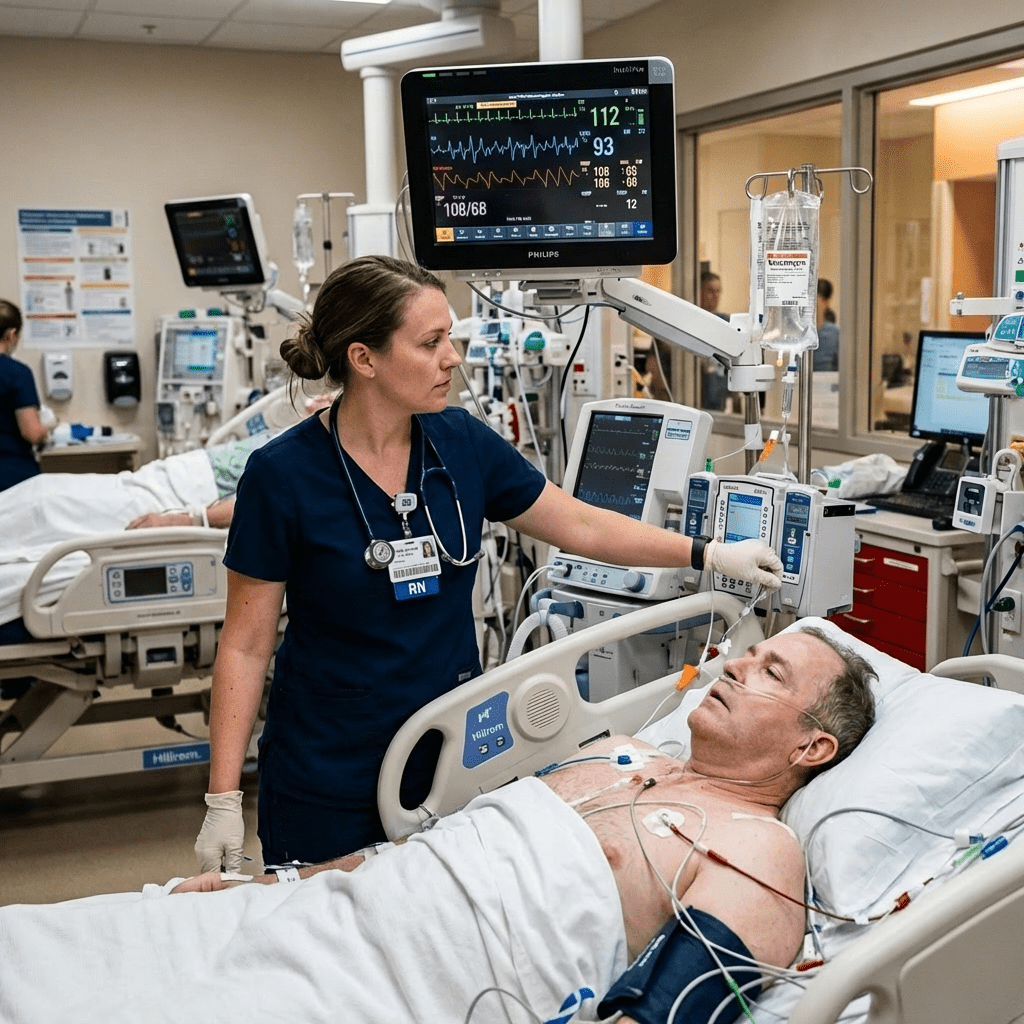
Beck’s Triad and Pericardial Tamponade: A Critical Nursing Guide for NCLEX

Beck's Triad pericardial tamponade

Pericardial tamponade is one of the most life-threatening emergencies a registered nurse will encounter in critical care. When fluid accumulates rapidly within the pericardial sac, it compresses the heart and dramatically reduces cardiac output — and without rapid recognition and intervention, the result can be fatal. At the center of every nursing assessment for this … Read more

Nursing Monitoring of Patients with Acute GI Bleeding: What Every Registered Nurse Must Know

acute GI bleeding nursing monitoring

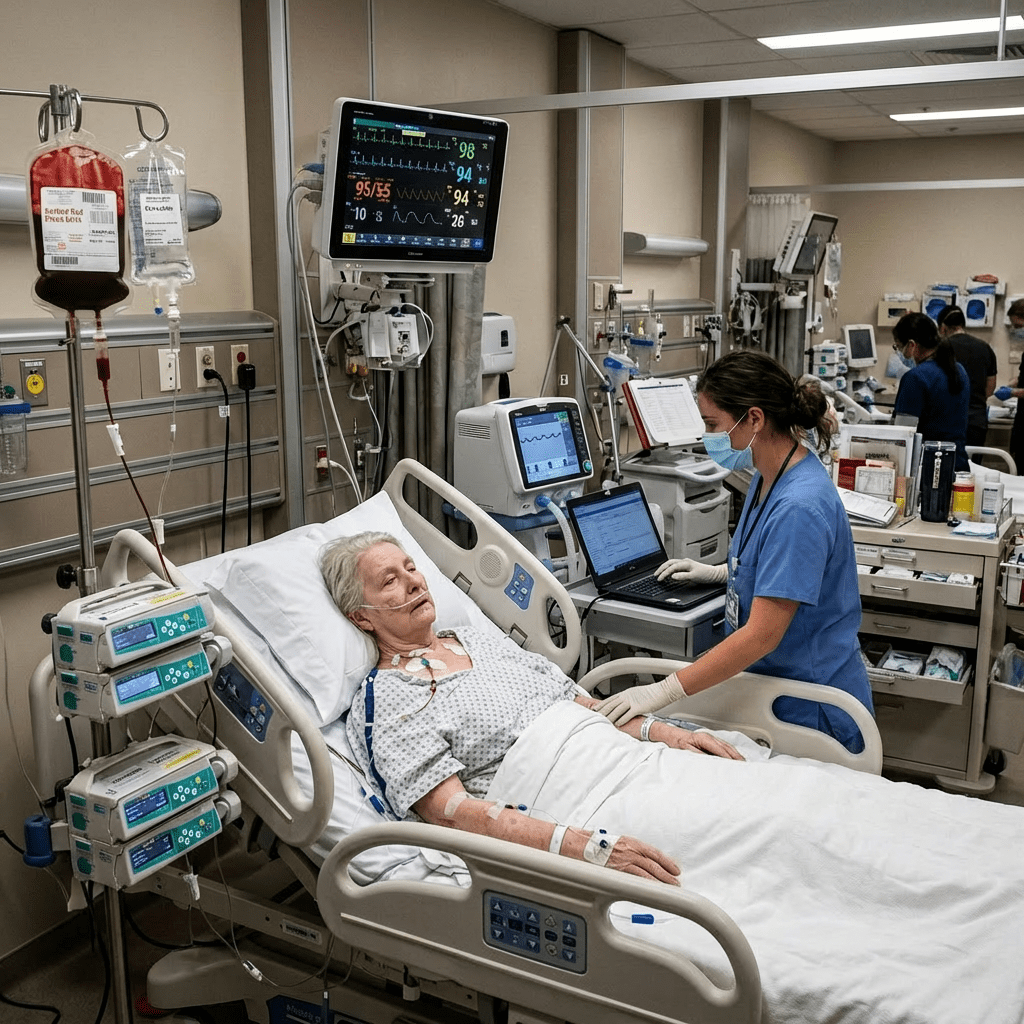
Acute gastrointestinal (GI) bleeding is one of the most time-sensitive emergencies a nurse will encounter in a medical-surgical or critical care setting. Whether the source is an upper GI bleed from a peptic ulcer or a lower GI bleed from diverticulosis, the registered nurse is the first line of detection and response. Recognizing the early … Read more

Pulmonary Embolism Risk Stratification: A Nursing Guide for NCLEX and Clinical Practice

pulmonary embolism risk stratification

Pulmonary embolism (PE) ranks among the most immediately life-threatening conditions a registered nurse will encounter in the hospital setting. Each year, PE causes tens of thousands of preventable deaths in hospitalized patients — many of whom displayed identifiable risk factors that went unaddressed. For the RN nurse working in medical-surgical, telemetry, or critical care units, … Read more

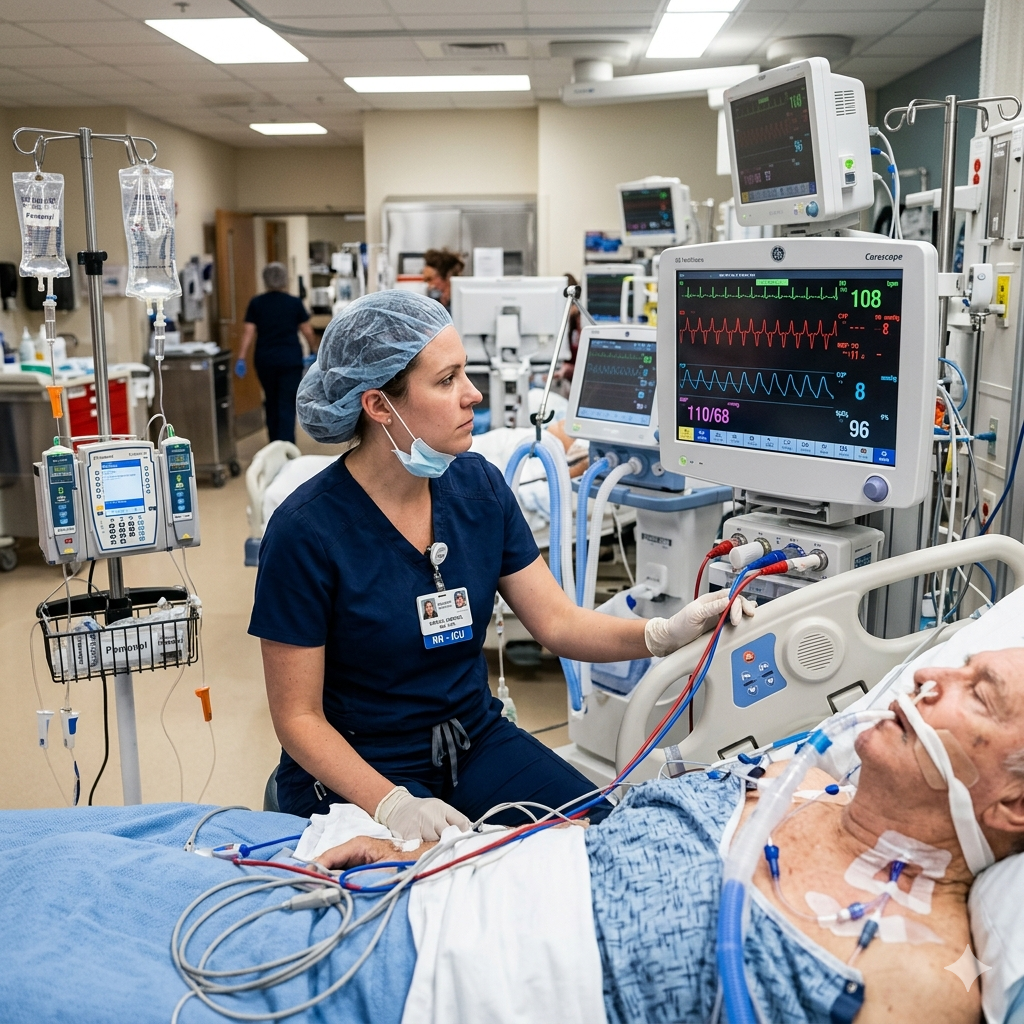
Postoperative Pulmonary Complications Prevention: A Nursing Guide

Postoperative Pulmonary Complications

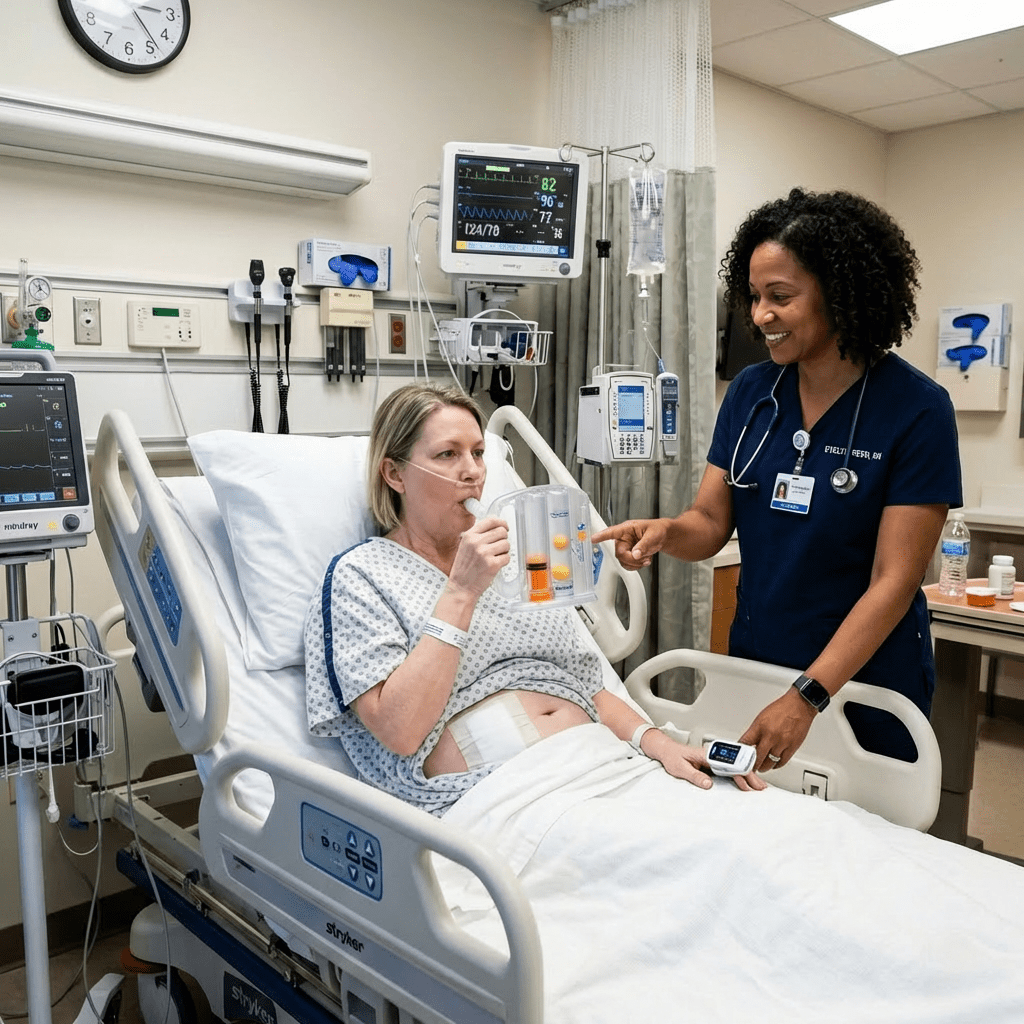
Postoperative pulmonary complications (PPCs) are among the most common and serious complications following surgery. These complications can increase hospital stays, raise healthcare costs, and significantly affect patient recovery. For every nurse and registered nurse (RN nurse) involved in postoperative care, preventing respiratory complications is a critical responsibility. For nursing students preparing for the NCLEX, understanding … Read more

Thyroid Storm vs Myxedema Coma: Nursing Recognition and Management

Thyroid Storm vs Myxedema Coma

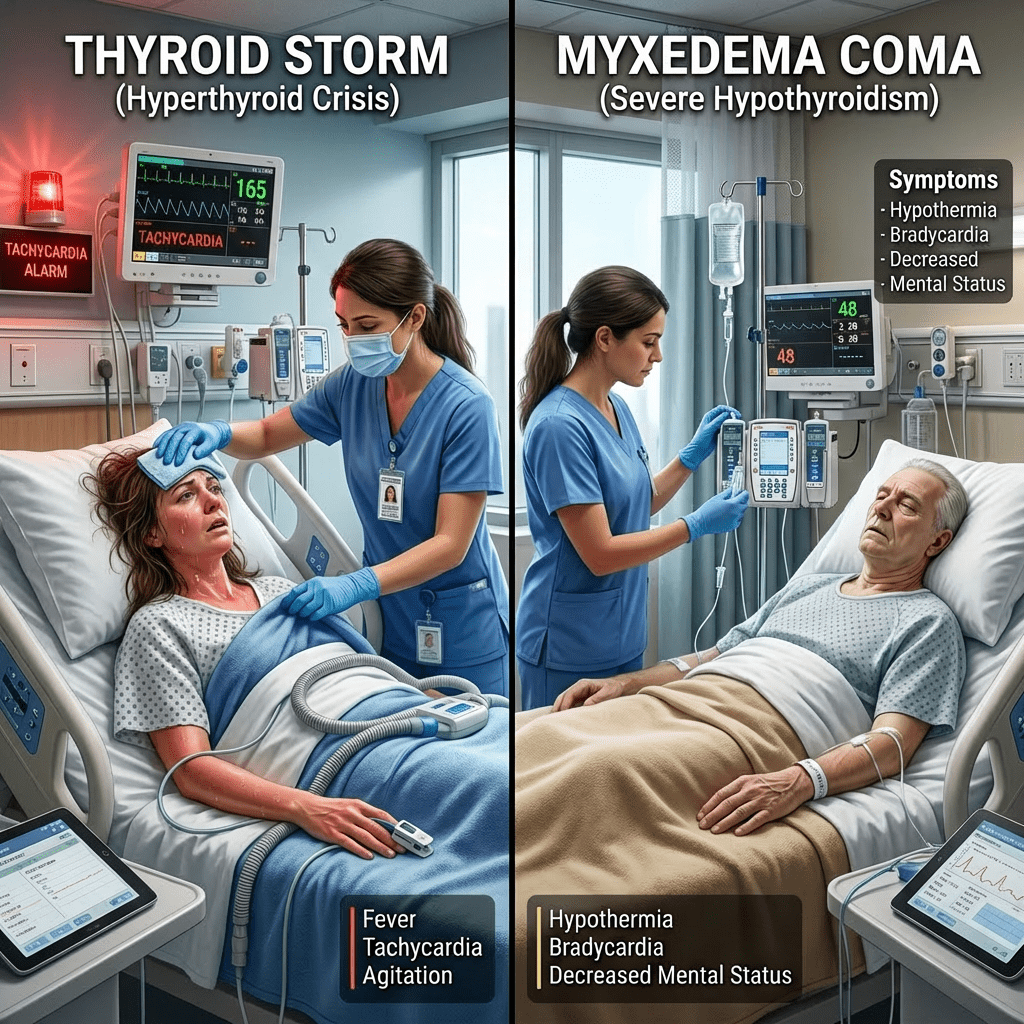
Thyroid emergencies are among the most dangerous endocrine conditions encountered in clinical practice. Two of the most critical are thyroid storm and myxedema coma, which represent opposite extremes of thyroid hormone imbalance. Thyroid storm occurs when thyroid hormone levels become dangerously high, while myxedema coma results from severe hypothyroidism. For every nurse, especially those preparing … Read more

GI Varices and Portal Hypertension Nursing Management

GI Varices and Portal Hypertension

Gastrointestinal (GI) varices are a life-threatening complication of portal hypertension, a condition most commonly associated with advanced liver disease such as cirrhosis. When pressure in the portal venous system rises, blood is redirected through smaller collateral veins in the esophagus, stomach, and intestines. These fragile veins enlarge and form varices, which can rupture and cause … Read more

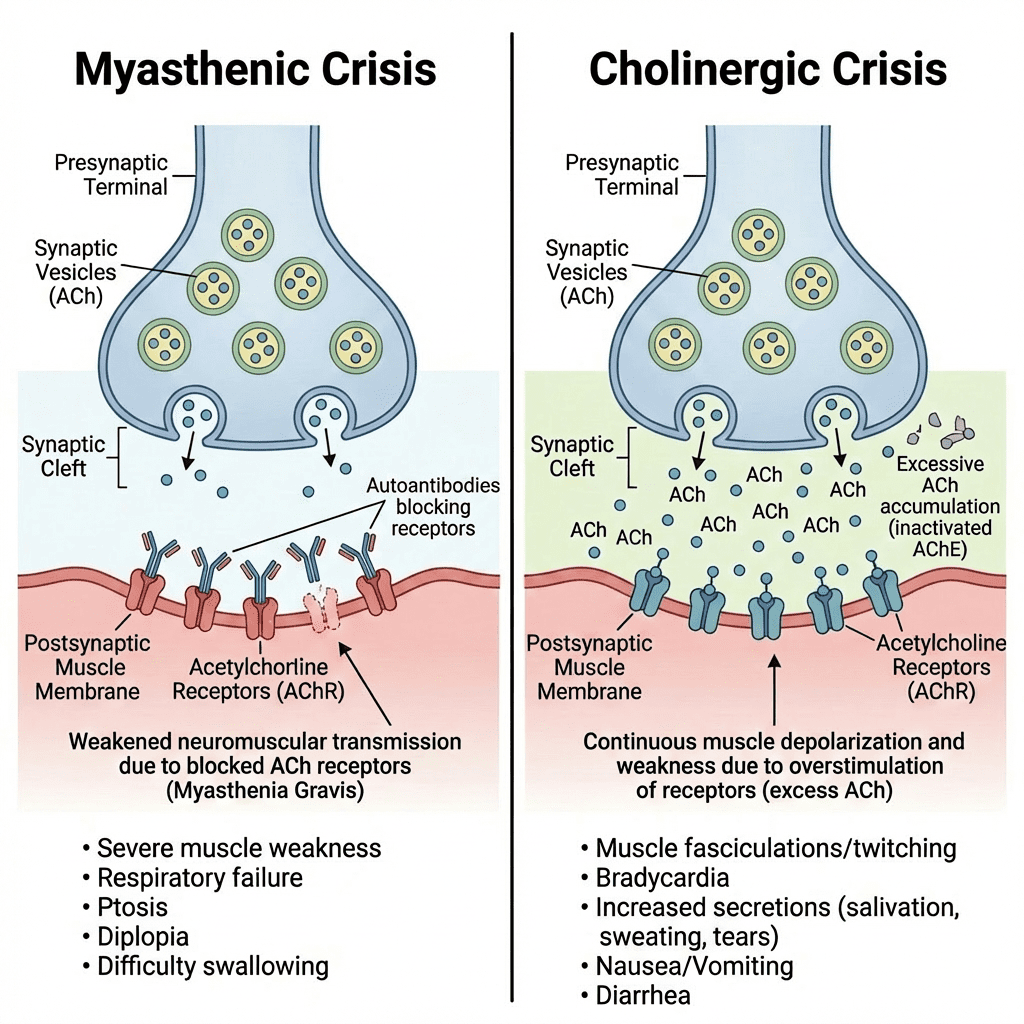
Myasthenia Gravis vs Cholinergic Crisis Differentiation

Myasthenic vs Cholinergic Crisis

Recognizing the difference between myasthenic crisis and cholinergic crisis is one of the most critical clinical skills for any nurse caring for neuromuscular patients. Both conditions can cause severe muscle weakness and respiratory distress, but their causes and treatments are completely different. For a registered nurse (RN nurse) or nursing student preparing for the NCLEX, … Read more

Endocarditis: Septic Emboli and Cardiac Complications

Endocarditis

Infective endocarditis is a serious heart infection that every nurse and registered nurse (RN nurse) must understand. This condition occurs when bacteria or other microorganisms infect the inner lining of the heart, particularly the heart valves. For nursing students preparing for the NCLEX, recognizing the complications of endocarditis—especially septic emboli and cardiac damage—is essential for … Read more