Step-by-Step Analysis of Complex Rhythms: A Complete Nurse’s Guide

Complex Rhythm

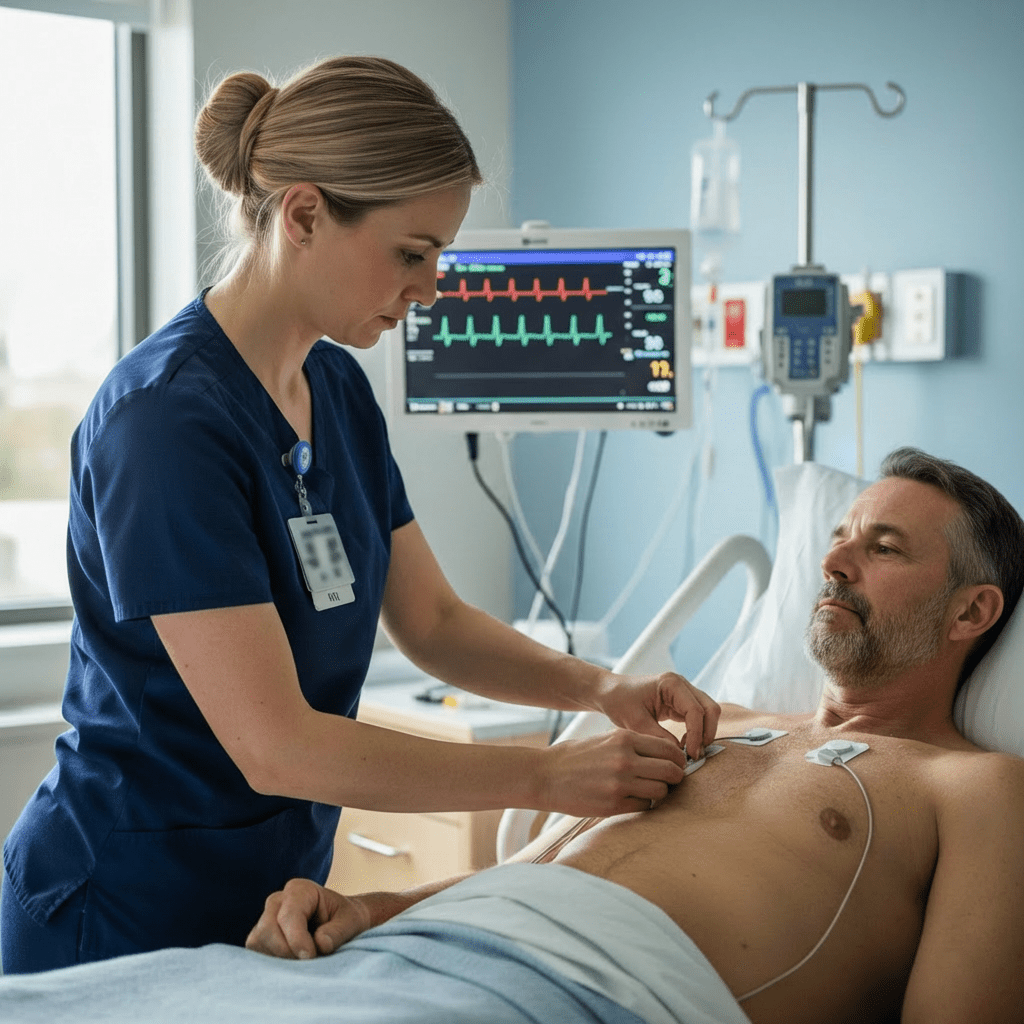
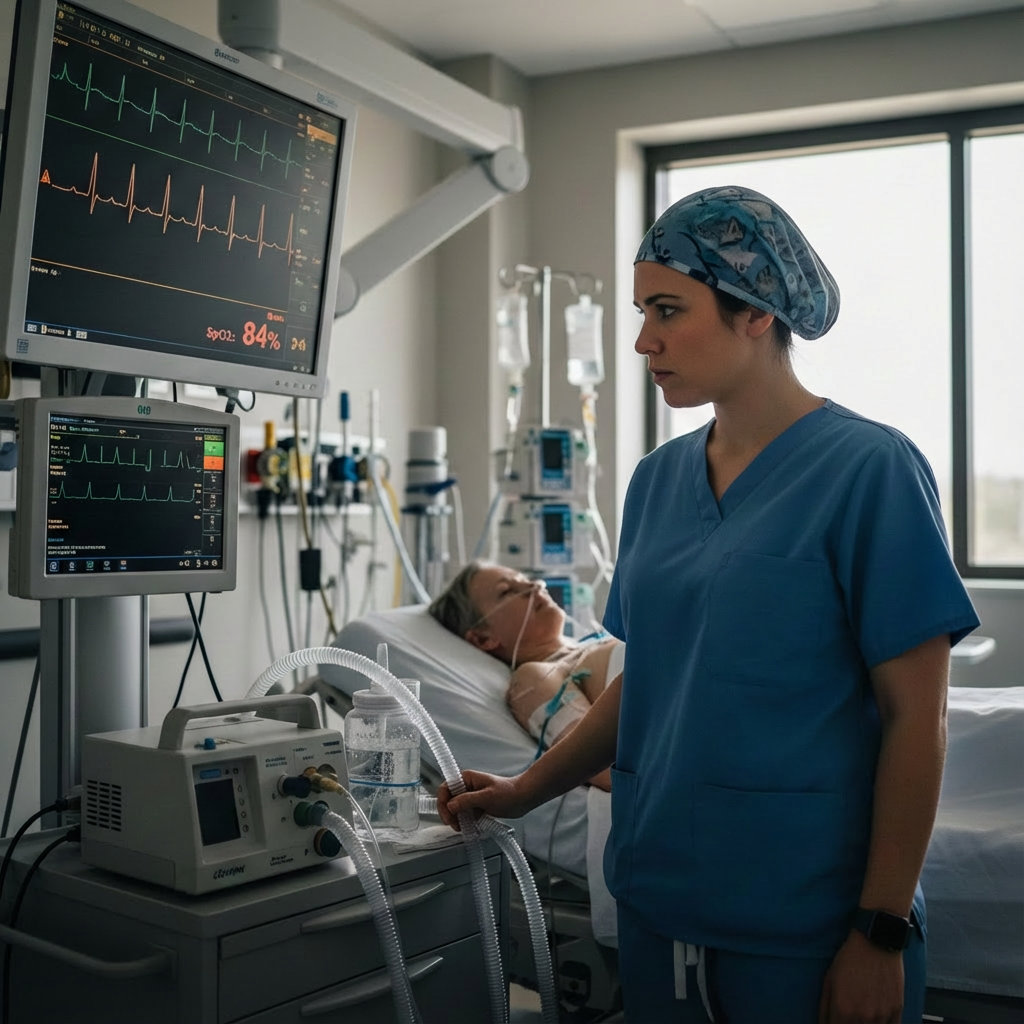
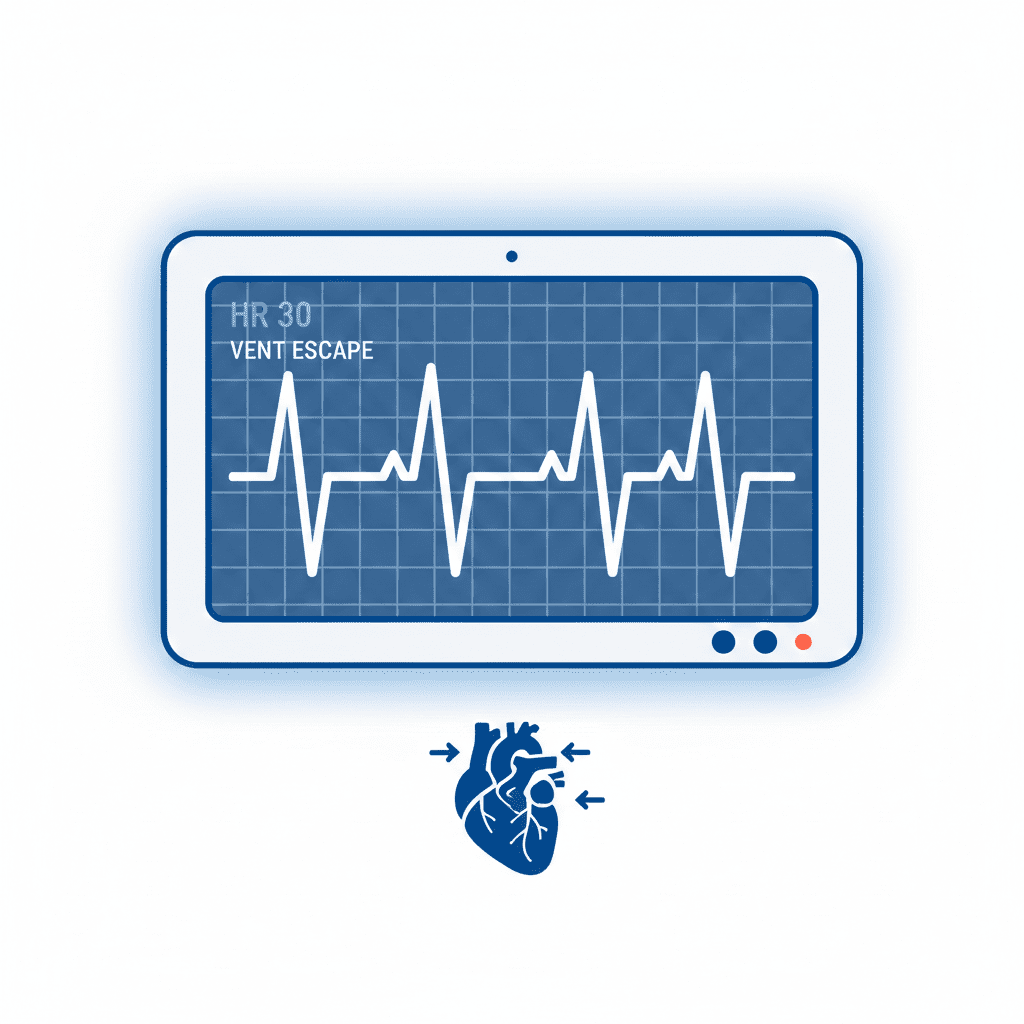
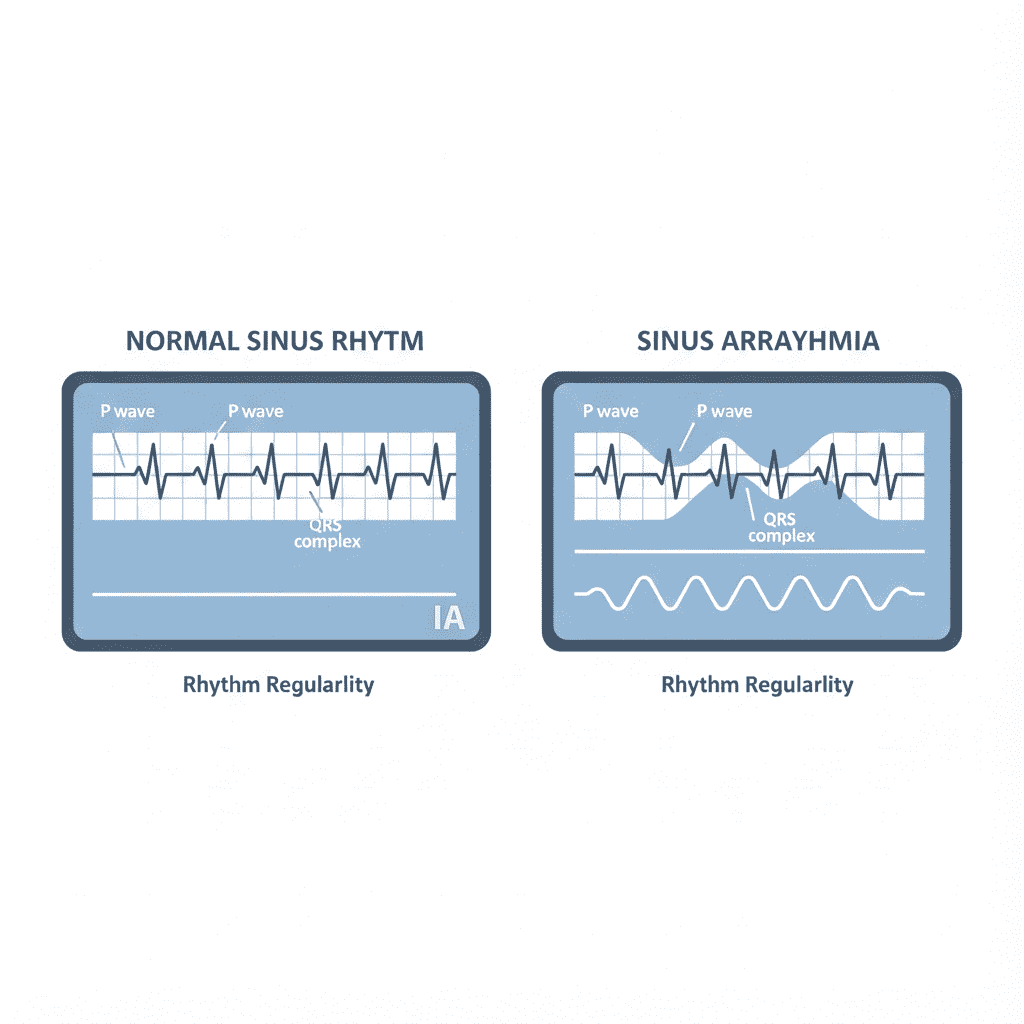
Cardiac rhythm interpretation is one of the most essential skills for any registered nurse, especially those working in emergency, telemetry, and critical care. Complex rhythms can seem intimidating at first, but with the right step-by-step approach, every RN nurse can confidently identify abnormalities and take fast, appropriate action. This breakdown is designed to support your … Read more

ST-Segment Monitoring for Ischemia: What Every Nurse Must Know

ST-Segment Monitoring

Early recognition of ischemia can save a patient’s life, and the ST segment is one of the most important parts of the EKG for identifying cardiac injury. For every registered nurse, especially those preparing for the NCLEX, understanding ST-segment monitoring is essential. Whether you work in critical care, telemetry, emergency medicine, or use a nursing … Read more

EKG Signs of Hyperkalemia and Hypokalemia: A Simple Guide for Nurses

Hyperkalemia vs Hypokalemia

Electrolyte imbalances—especially hyperkalemia and hypokalemia—are common and dangerous conditions every nurse must recognize quickly. For NCLEX success and safe practice, knowing the EKG changes linked to abnormal potassium levels is essential. Whether you are a registered nurse, an RN nurse student, or using a nursing bundle to study, this guide breaks everything down in simple … Read more

Tips for Memorizing EKG Intervals and Waveforms

Memorizing EKG Intervals

Mastering EKG interpretation is one of the most essential skills for every registered nurse (RN), especially those preparing for the NCLEX or working in fast-paced clinical settings. Whether you’re a new nurse, an experienced RN refreshing your knowledge, or using a nursing bundle to study cardiac rhythms, memorizing EKG intervals and waveforms can feel overwhelming … Read more

Pediatric vs. Adult EKG Interpretation: Key Differences Every Nurse Should Know

Pediatric vs. Adult EKG

For every registered nurse (RN), understanding how to interpret an EKG (electrocardiogram) is a fundamental skill — one that’s often tested on the NCLEX and applied daily in clinical practice. However, interpreting an EKG in a pediatric patient differs significantly from interpreting one in an adult. These differences are critical for any nurse working in … Read more

Identifying Ischemia and Myocardial Infarction Patterns: A Complete Nursing Guide for RNs and NCLEX Prep

Ischemia and Myocardial

Every registered nurse (RN) must be able to recognize the early signs of ischemia and myocardial infarction (MI) — both on the ECG and through clinical assessment. Prompt recognition can mean the difference between life and death. For NCLEX candidates, this topic is a frequent focus area in cardiovascular nursing questions. This comprehensive nursing guide … Read more

Post-Cardiac Catheterization Nursing Care: A Complete Guide for RNs

Cardiac Catheterization

Caring for patients after cardiac catheterization is one of the most essential responsibilities for a registered nurse (RN) in cardiovascular care. This procedure, commonly used for diagnosing and treating heart conditions, requires careful post-procedure monitoring to prevent complications. For those preparing for the NCLEX or reviewing cardiac care concepts within a nursing bundle, understanding post-cardiac … Read more

12-Lead EKG Simplified: Which Lead Sees Which Part of the Heart

12-lead EKG simplified

Electrocardiograms (EKGs) are one of the most tested skills on the NCLEX and a critical responsibility for every nurse and registered nurse (RN nurse) at the bedside. Understanding the 12-lead EKG and which lead corresponds to which part of the heart helps in recognizing ischemia, infarction, and arrhythmias early. For nursing students and graduates, this … Read more

Pacemaker Strips: Recognizing Spikes and Nursing Care

Pacemaker Strips

For nursing students preparing for the NCLEX and for every registered nurse (RN nurse) at the bedside, understanding pacemaker strips is a critical skill. Nurses often encounter patients with pacemakers in telemetry units, critical care, and even medical-surgical floors. Recognizing pacemaker spikes and providing the right nursing care ensures both patient safety and accurate documentation. … Read more