Family Teaching Guides – Explaining Conditions to Parents in Simple Words

Family Teaching Guides for Nurses

Effective nursing care is not just about treating patients; it’s also about guiding families through the health journey. Parents and caregivers often feel overwhelmed when their child or loved one is diagnosed with a condition. As an RN nurse or registered nurse, your ability to break down medical terms into simple, understandable language is essential … Read more
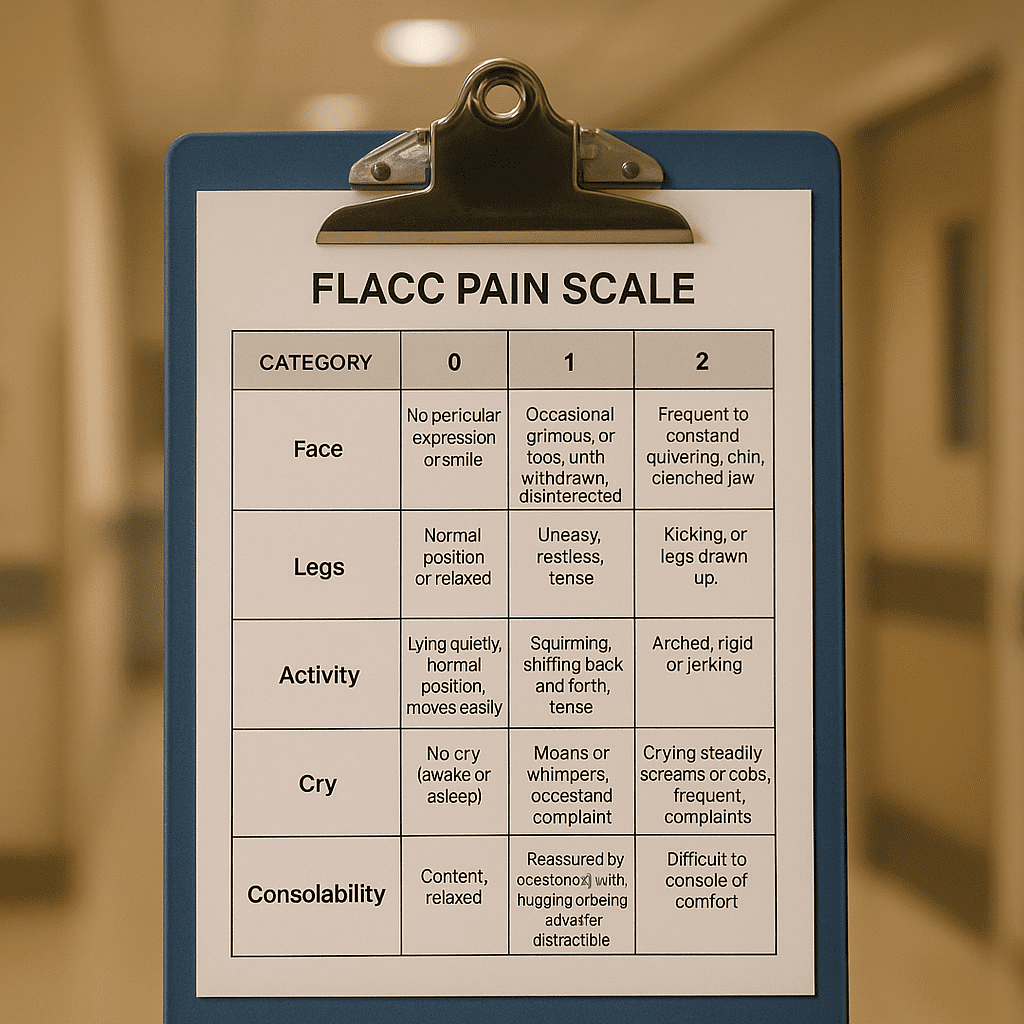
Pediatric Emergencies – Epiglottitis, Dehydration, Febrile Seizures

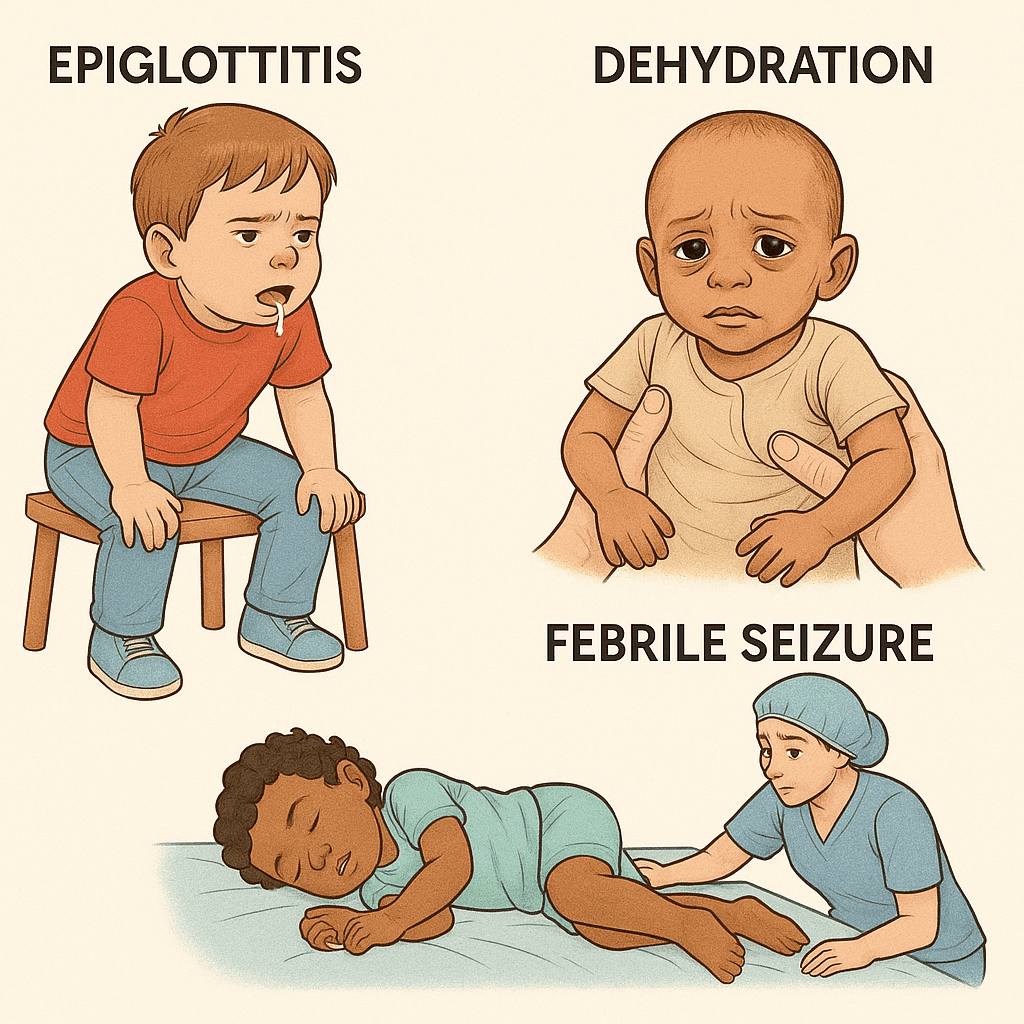
Pediatric Emergencies

When it comes to pediatric nursing, emergencies can escalate quickly. For every registered nurse (RN nurse), identifying red flags early is crucial for saving lives and improving outcomes. On the NCLEX, questions about pediatric emergencies often test both knowledge and prioritization. This guide breaks down three high-yield topics—epiglottitis, dehydration, and febrile seizures—with simplified nursing priorities … Read more

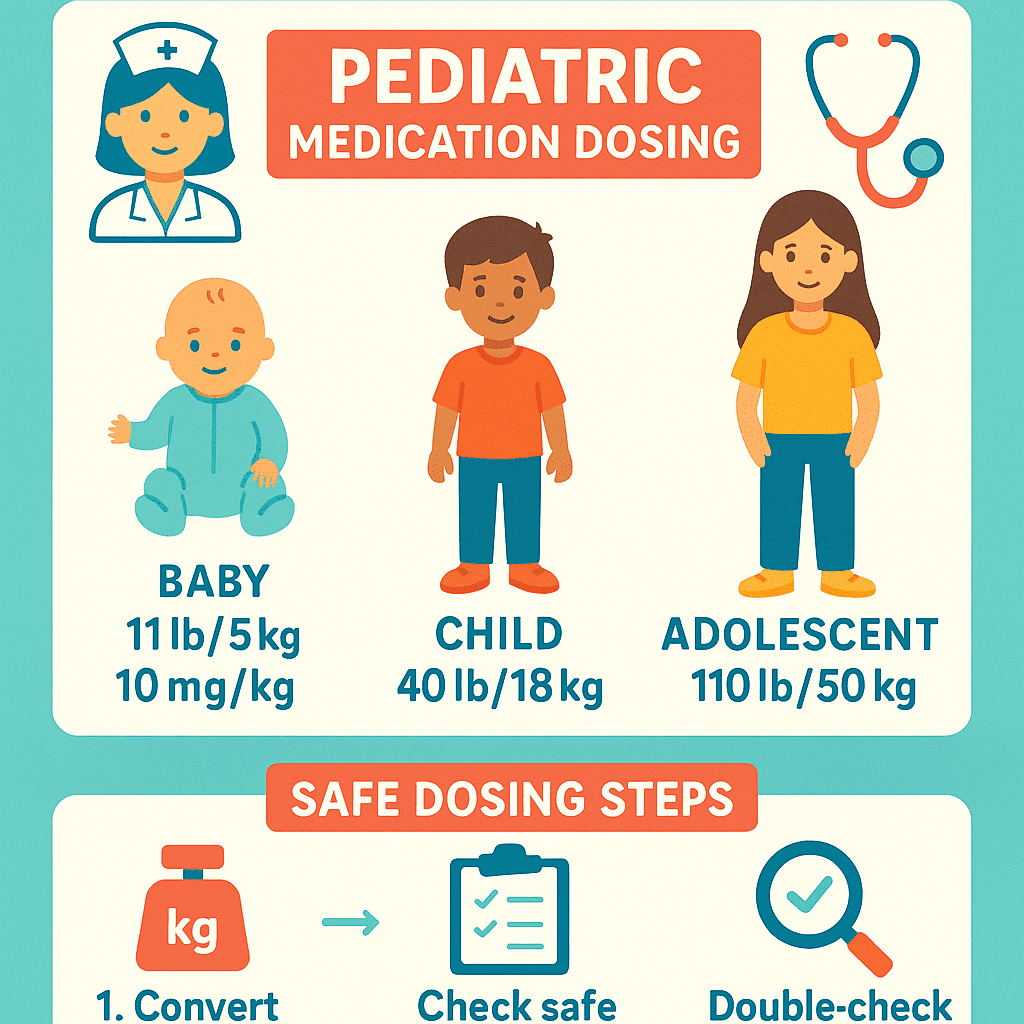
Pediatric Medication Dosing – Weight-Based Rules Simplified

Pediatric Medication Dosing

Medication dosing in pediatrics is very different from adult care. Unlike adults, where many doses are standardized, pediatric dosing is primarily weight-based. For nurses and nursing students preparing for the NCLEX, understanding these calculations is a must. A registered nurse (RN nurse) must be confident in calculating and double-checking every pediatric dose to avoid medication … Read more

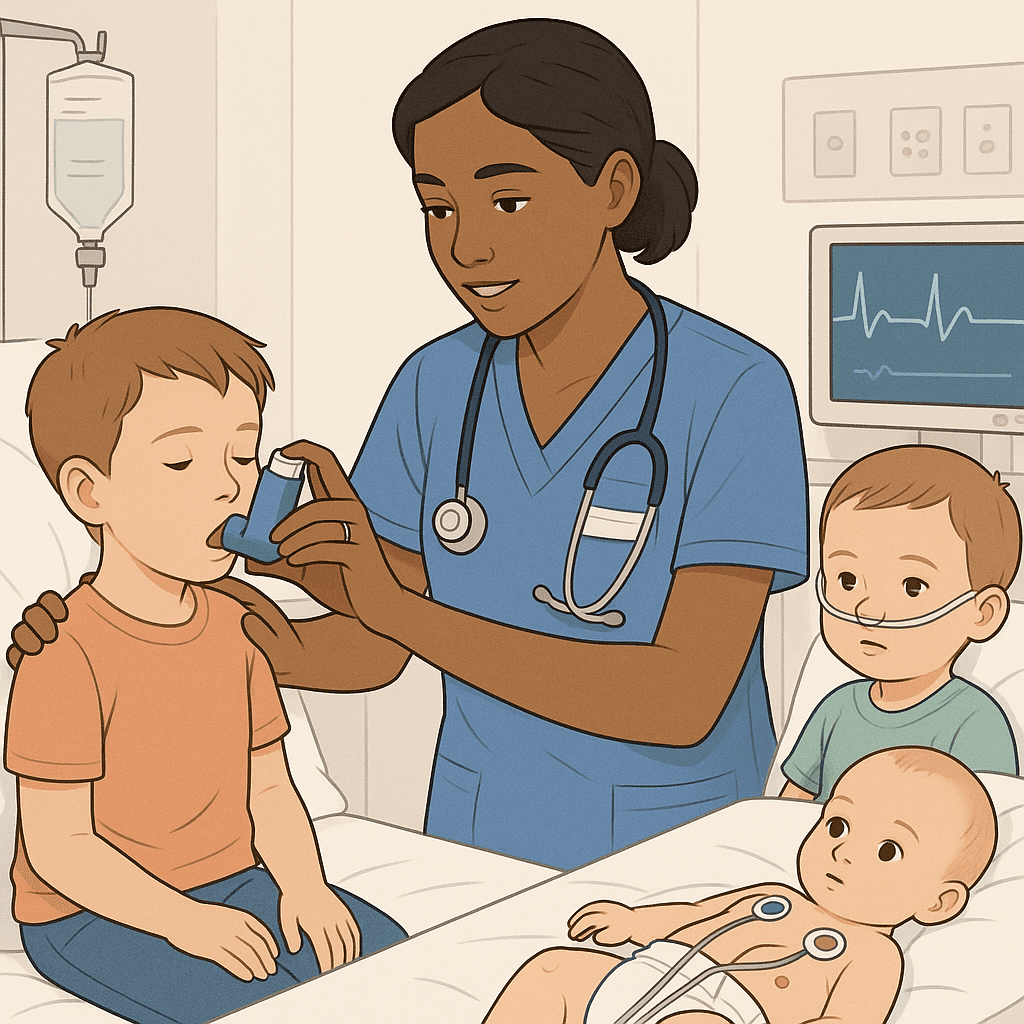
Common Pediatric Disorders – Asthma, RSV, Congenital Heart Defects

Common Pediatric Disorders

As a registered nurse (RN nurse) or nursing student preparing for the NCLEX, mastering common pediatric disorders is essential. Pediatric patients present unique challenges, and safe nursing care depends on recognizing signs, understanding treatments, and applying evidence-based practice. This guide breaks down three high-yield disorders – asthma, RSV, and congenital heart defects – with nursing … Read more

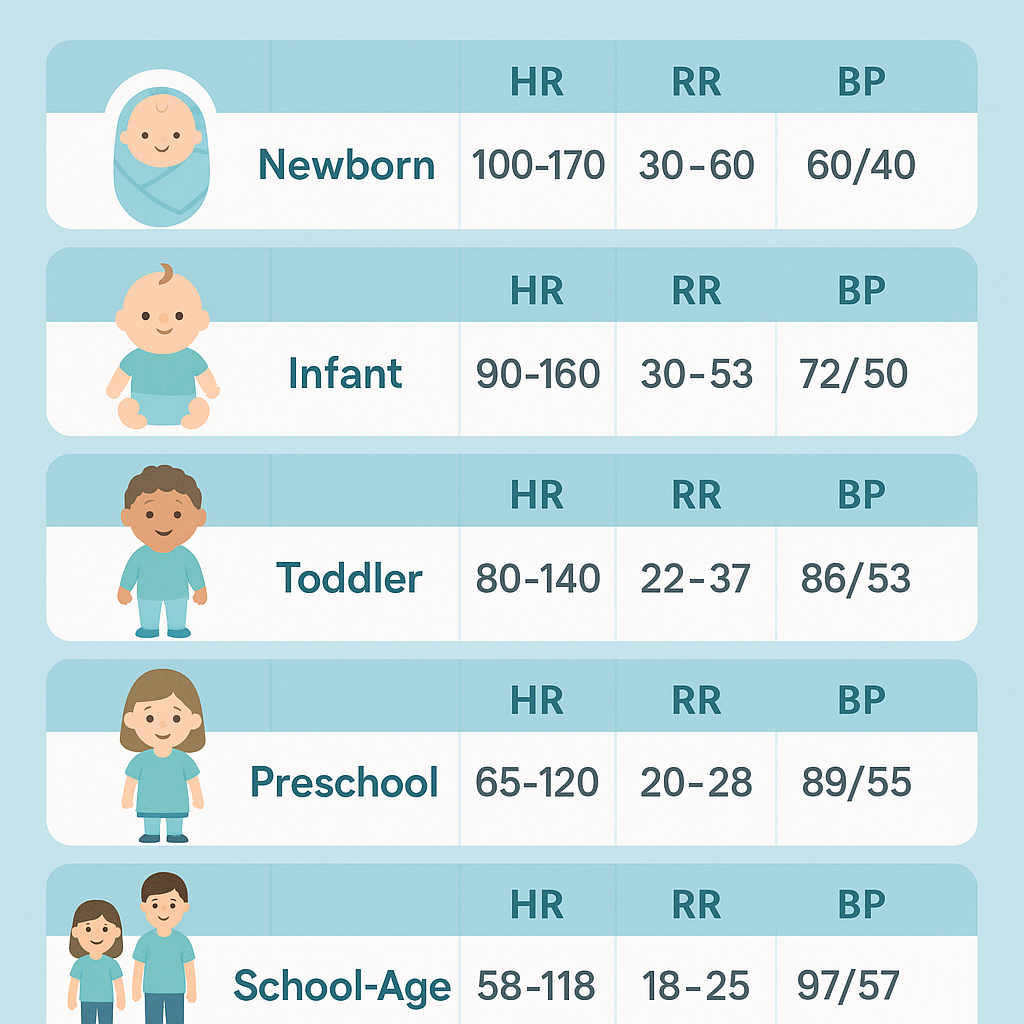
Pediatric Vital Signs Chart – Normal Ranges by Age

Pediatric Vital Signs Chart

Understanding pediatric vital signs is a must for every nurse and nursing student preparing for the NCLEX. Unlike adults, children’s heart rate, respiratory rate, and blood pressure vary greatly depending on their age and developmental stage. For a registered nurse (RN nurse) working in pediatrics, emergency, or med-surg, knowing these normal ranges helps identify early … Read more

Childhood Immunization Schedule Cheat sheet – Simplified Timeline

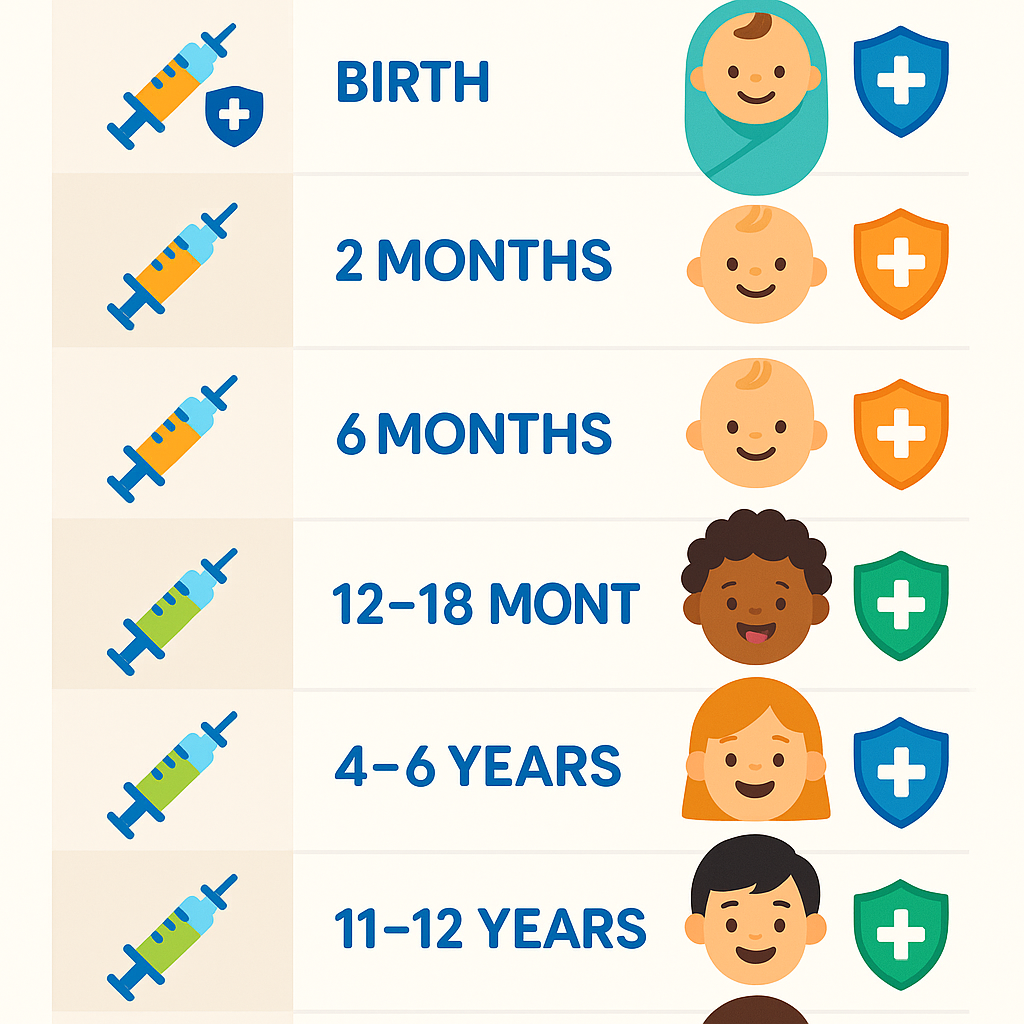
Childhood Immunization Schedule Cheat sheet

As a registered nurse (RN nurse) or nursing student preparing for the NCLEX, knowing the childhood immunization schedule is a must. Vaccinations are one of the most effective ways to protect children against serious diseases, and nurses play a critical role in educating families, administering vaccines safely, and monitoring for side effects. To make this … Read more

Growth & Development Milestones – What to Expect at Each Age

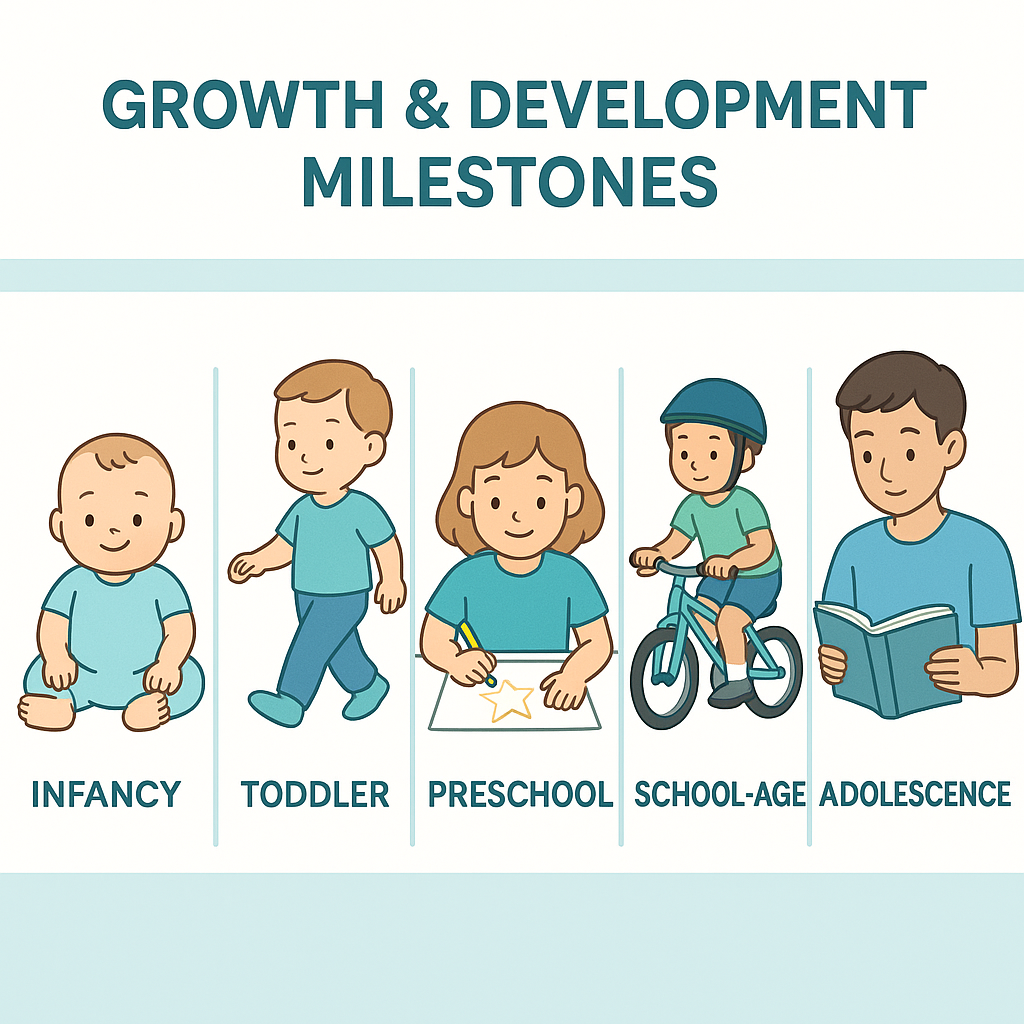
Growth & Development Milestones

Understanding growth and development milestones is one of the most important skills for any RN nurse, especially when preparing for the NCLEX or working in pediatrics. These milestones serve as a guide for nurses, parents, and healthcare providers to track whether a child’s physical, cognitive, social, and emotional development is on track. In nursing practice, … Read more

NCLEX “Hold or Give?” Scenarios – Practice with Critical Meds

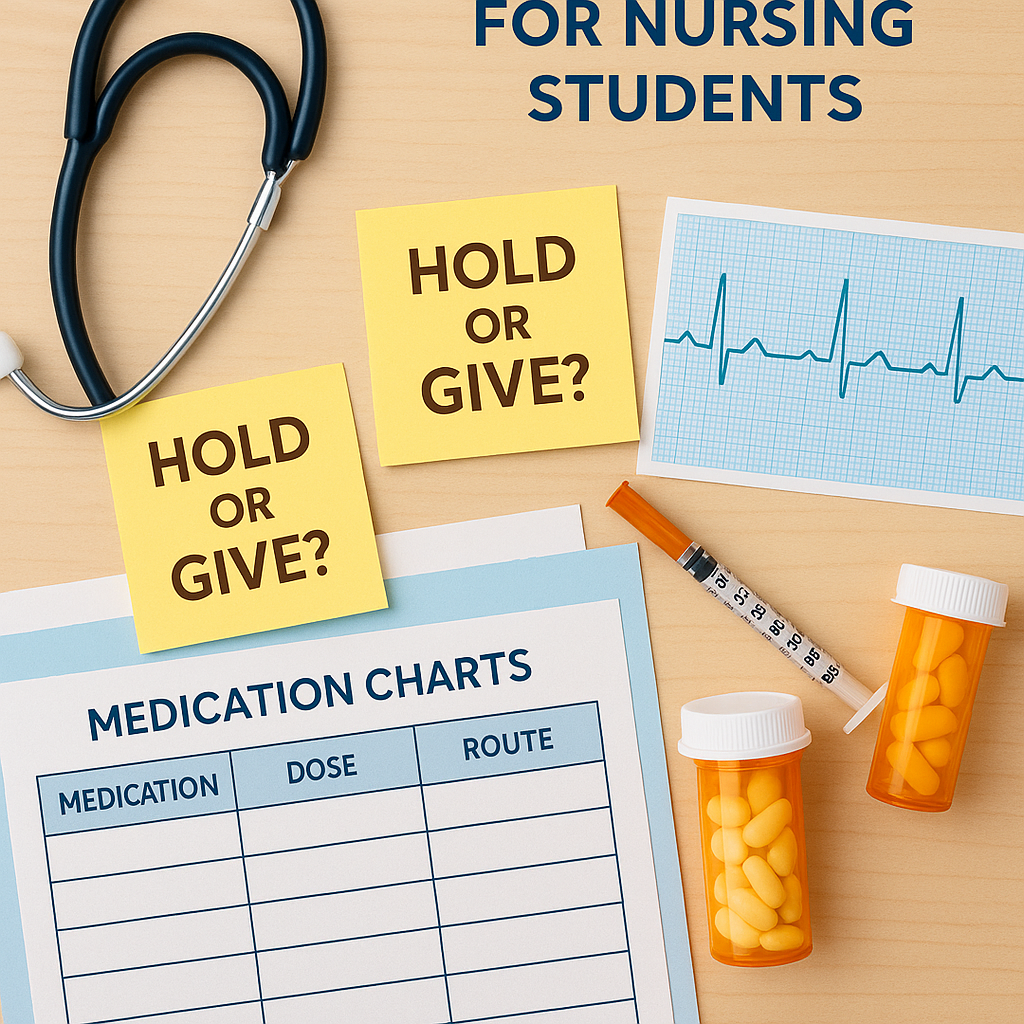
NCLEX Hold or Give

When it comes to medication administration, NCLEX questions often ask nurses to decide: Should you hold the medication or give it? These questions test your critical thinking skills as a future registered nurse (RN nurse). Missing a key detail could lead to dangerous outcomes for patients, which is why practicing these scenarios is essential for … Read more