Disseminated Intravascular Coagulation (DIC) Explained
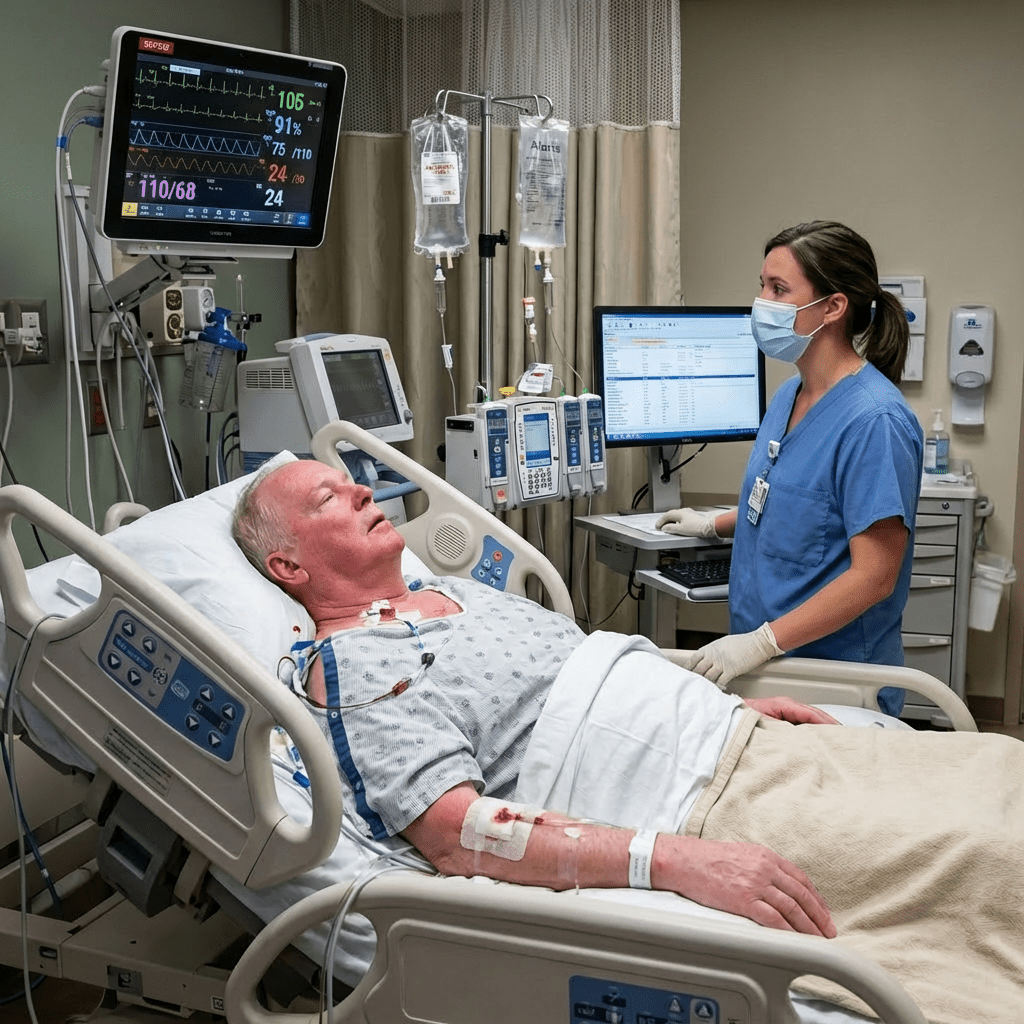
DIC explained

Disseminated Intravascular Coagulation (DIC) is a life-threatening hematologic emergency every nurse, registered nurse (RN nurse), and nursing student must understand. It frequently appears on the NCLEX because it tests critical thinking, emergency prioritization, and understanding of pathophysiology. DIC is complex — but when broken down clearly, it becomes manageable and logical. What Is Disseminated Intravascular … Read more

Compartment Syndrome: Early Recognition Saves Limbs

Compartment Syndrome Nursing Care

Compartment syndrome is a limb-threatening emergency that every nurse, registered nurse (RN nurse), and nursing student must recognize early. Delayed treatment can result in permanent nerve damage, muscle death, amputation, or even systemic complications. For NCLEX preparation and real-world nursing practice, understanding the early warning signs of compartment syndrome can truly save limbs — and … Read more

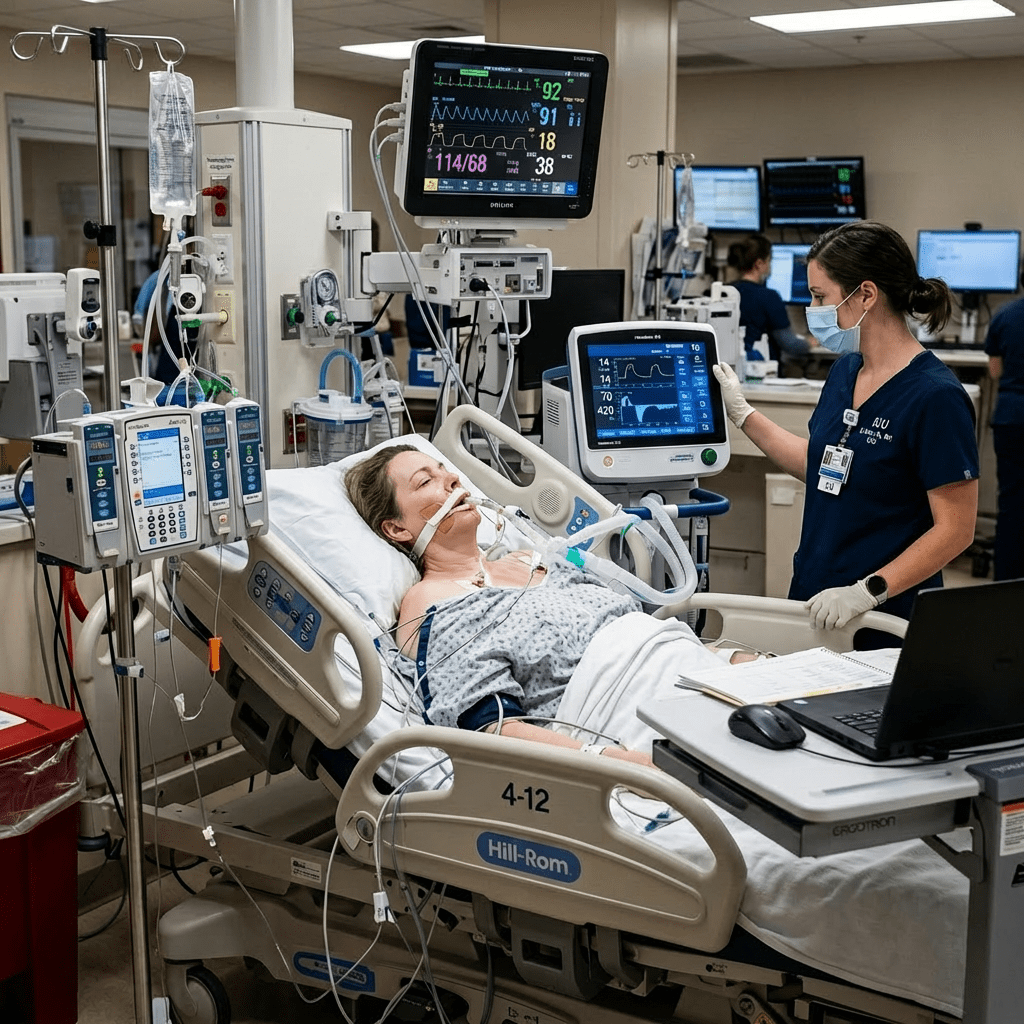
Pathophysiology and Nursing Care of Acute Respiratory Distress Syndrome (ARDS)

ARDS Pathophysiology

Acute Respiratory Distress Syndrome (ARDS) is a life-threatening form of respiratory failure that every nurse, registered nurse, and RN nurse must recognize early. It is heavily tested on the NCLEX, particularly in critical care, prioritization, oxygenation, and ventilation management scenarios. Understanding ARDS pathophysiology allows the nursing professional to anticipate complications, implement timely interventions, and improve … Read more

Legal & Ethical Considerations in Involuntary Admission: A Practical Guide for Nurses and NCLEX Success

Involuntary Admission

Involuntary admission is one of the most complex areas in psychiatric and emergency nursing. For every nurse, registered nurse, and RN nurse, understanding the legal and ethical framework behind involuntary hospitalization is essential for safe and lawful practice. This topic is frequently tested on the NCLEX, especially under mental health, patient rights, prioritization, and legal-ethical … Read more

Substance Withdrawal Protocols in Hospital Settings: A Complete Guide for Nurses and NCLEX Success

Substance Withdrawal Protocols

Substance withdrawal can rapidly become life-threatening in hospital settings. For every nurse, registered nurse, and RN nurse, understanding structured withdrawal protocols is essential for patient safety. Withdrawal management is heavily tested on the NCLEX, particularly in psychiatric, emergency, and medical-surgical nursing sections. A strong pharmacology and psychiatric section in any comprehensive nursing bundle should thoroughly … Read more

Antipsychotic-Induced Extrapyramidal Symptoms (EPS): A Complete NCLEX Guide for Nurses

Antipsychotic-Induced EPS

Antipsychotic medications are widely used in psychiatric and acute care settings — but they can cause serious movement disorders known as extrapyramidal symptoms (EPS). For every nurse, registered nurse, and RN nurse, early recognition of EPS is critical. This topic is heavily tested on the NCLEX, especially in psychiatric and pharmacology sections. A strong psychiatric … Read more

Risk Assessment Tools for Suicide Prevention: A Practical Guide for Nurses and NCLEX Success

Suicide Risk Assessment Tools

Suicide prevention is a critical responsibility in healthcare. For every nurse, registered nurse, and RN nurse, the ability to recognize warning signs and use structured risk assessment tools can save lives. Suicide risk assessment is heavily tested on the NCLEX, especially in psychiatric and emergency nursing scenarios. A comprehensive nursing bundle should always include suicide … Read more

Trauma-Informed Care in Emergency Settings: A Practical Guide for Nurses and NCLEX Success

Trauma-Informed Care

Emergency departments are fast-paced, unpredictable, and emotionally intense. For every nurse, registered nurse, and RN nurse, understanding trauma-informed care (TIC) is essential for providing safe, compassionate, and effective treatment. Trauma-informed care is increasingly tested on the NCLEX, especially in mental health, community health, and emergency nursing scenarios. Many modern study resources and comprehensive nursing bundle … Read more

Borderline Personality Disorder Crisis Management: A Practical Guide for Nurses and NCLEX Success

Borderline Personality Disorder

Crisis management in Borderline Personality Disorder (BPD) is one of the most challenging areas in psychiatric nursing. For every nurse, registered nurse, and RN nurse working in emergency or inpatient psychiatry, understanding how to respond calmly and effectively is critical. This topic frequently appears on the NCLEX, especially in mental health, therapeutic communication, and safety-based … Read more

Managing Acute Mania in Inpatient Psychiatry: A Practical NCLEX Guide for Nurses

Managing Acute Mania

Acute mania is a psychiatric emergency that requires structured, calm, and strategic care. For every nurse and registered nurse (RN nurse) working in inpatient psychiatry, understanding how to manage manic episodes safely is essential. Mania management is frequently tested on the NCLEX, especially in mental health and psychopharmacology sections of a comprehensive nursing bundle. :highlight … Read more