Nursing Role in Induction of Labor

nursing role in induction of labor

Induction of labor is a common obstetric procedure used when continuing pregnancy poses risks to the mother or baby. During induction, the nurse plays a critical role in patient preparation, medication administration, monitoring, and education. For nursing students, registered nurses, and RN nurses, understanding the nursing role in labor induction is essential for safe clinical … Read more

Teaching New Parents Safe Sleep Practices: A Nursing Guide

safe sleep practices nursing

Safe sleep education is a critical responsibility in nursing care for newborns. Teaching new parents how to create a safe sleep environment significantly reduces the risk of Sudden Infant Death Syndrome (SIDS) and other sleep-related infant deaths. For nursing students, registered nurses, and RN nurses, understanding how to teach safe sleep practices is essential for … Read more

Immediate Nursing Care After Delivery (First 2 Hours)

Immediate Nursing Care After Delivery

The first two hours after childbirth, often called the fourth stage of labor, are critical for both mother and newborn. During this time, the nurse plays a vital role in preventing complications, promoting bonding, and ensuring a safe transition after delivery. For nursing students, registered nurses, and RN nurses, mastering immediate post-delivery care is essential … Read more

Monitoring Mothers After Epidural Anesthesia: A Nursing Guide

Monitoring Mothers After Epidural Anesthesia

Epidural anesthesia is widely used during labor to provide effective pain relief. While it greatly improves maternal comfort, it also requires close monitoring by the nurse to prevent complications and ensure maternal and fetal safety. For nursing students, registered nurses, and RN nurses, understanding post-epidural care is essential for safe practice and NCLEX success. This … Read more

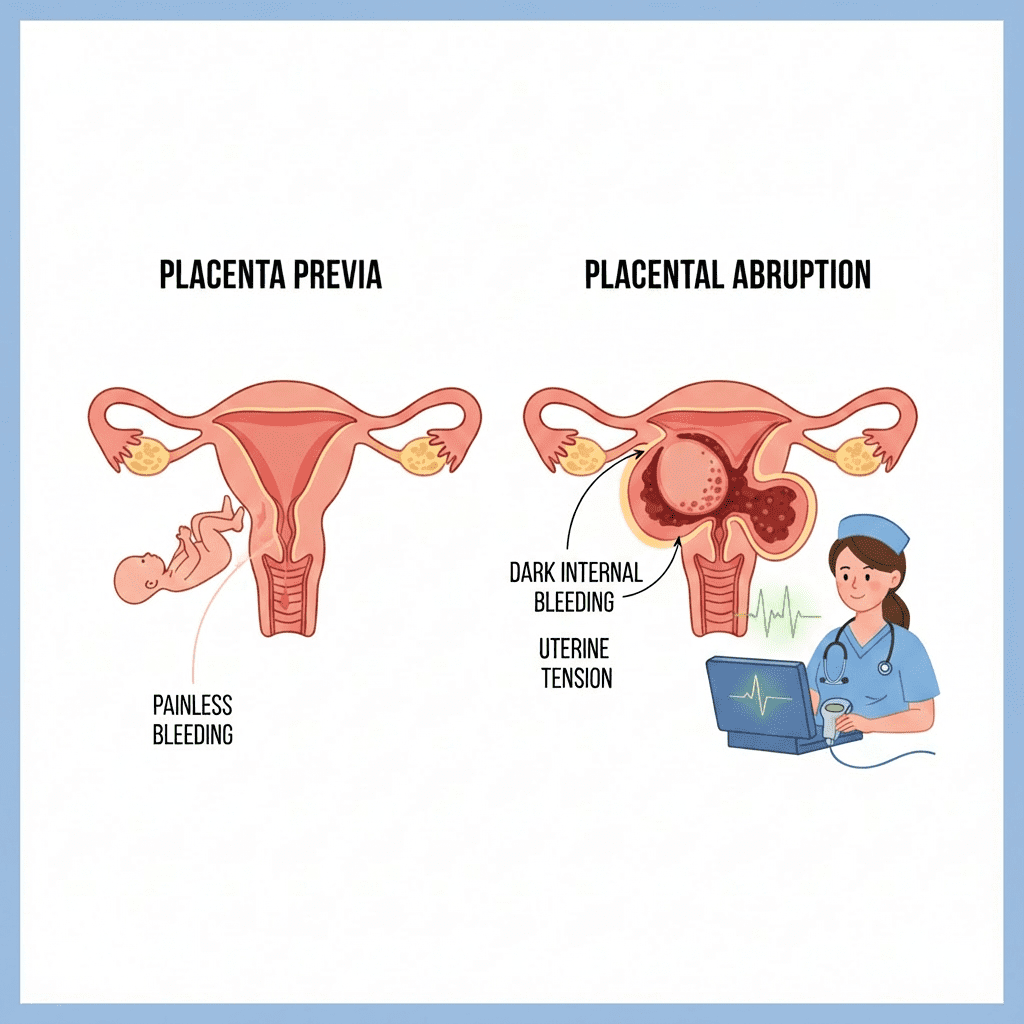
Nursing Care for Placenta Previa and Placental Abruption

Placenta Previa vs Abruption

Placenta previa and placental abruption are serious obstetric complications that require rapid assessment, close monitoring, and skilled nursing care. For every nurse and registered nurse, understanding the differences between these conditions is essential for safe maternal and fetal outcomes. These topics are also high-yield for NCLEX and frequently included in nursing bundles and maternity exams. … Read more

Managing Patients with Anemia: Nursing Focus

Managing patients with anemia nursing

Anemia is a common clinical condition that affects patients across all healthcare settings. It occurs when the body has a reduced number of red blood cells or insufficient hemoglobin, leading to decreased oxygen delivery to tissues. For every nurse and registered nurse, recognizing and managing anemia is an essential part of safe nursing practice and … Read more

Safe Mobility Strategies for High-Fall-Risk Patients

Safe mobility strategies

Patient falls are one of the most common and preventable safety events in healthcare settings. For high-fall-risk patients, safe mobility requires careful planning, teamwork, and continuous nursing assessment. Every nurse and registered nurse plays a critical role in reducing fall risk while promoting independence. This topic is frequently tested on the NCLEX, making it essential … Read more

Care of Patients with Nasogastric and PEG Tubes

NG and PEG Tube Care for Nurses

Enteral feeding tubes, including nasogastric (NG) tubes and percutaneous endoscopic gastrostomy (PEG) tubes, are commonly used to provide nutrition, hydration, and medications to patients who cannot eat orally. Proper tube care is a vital nursing responsibility and a frequently tested topic on the NCLEX. Every nurse and registered nurse must understand how to safely manage … Read more

Recognizing Sepsis in Post-Surgical Patients

Recognizing sepsis in post-surgical patients

Sepsis is a life-threatening medical emergency and a leading cause of morbidity and mortality in hospitalized patients. Post-surgical patients are at particularly high risk due to recent tissue trauma, invasive procedures, and potential exposure to pathogens. For every nurse and registered nurse, early recognition of sepsis after surgery is a critical nursing responsibility and a … Read more

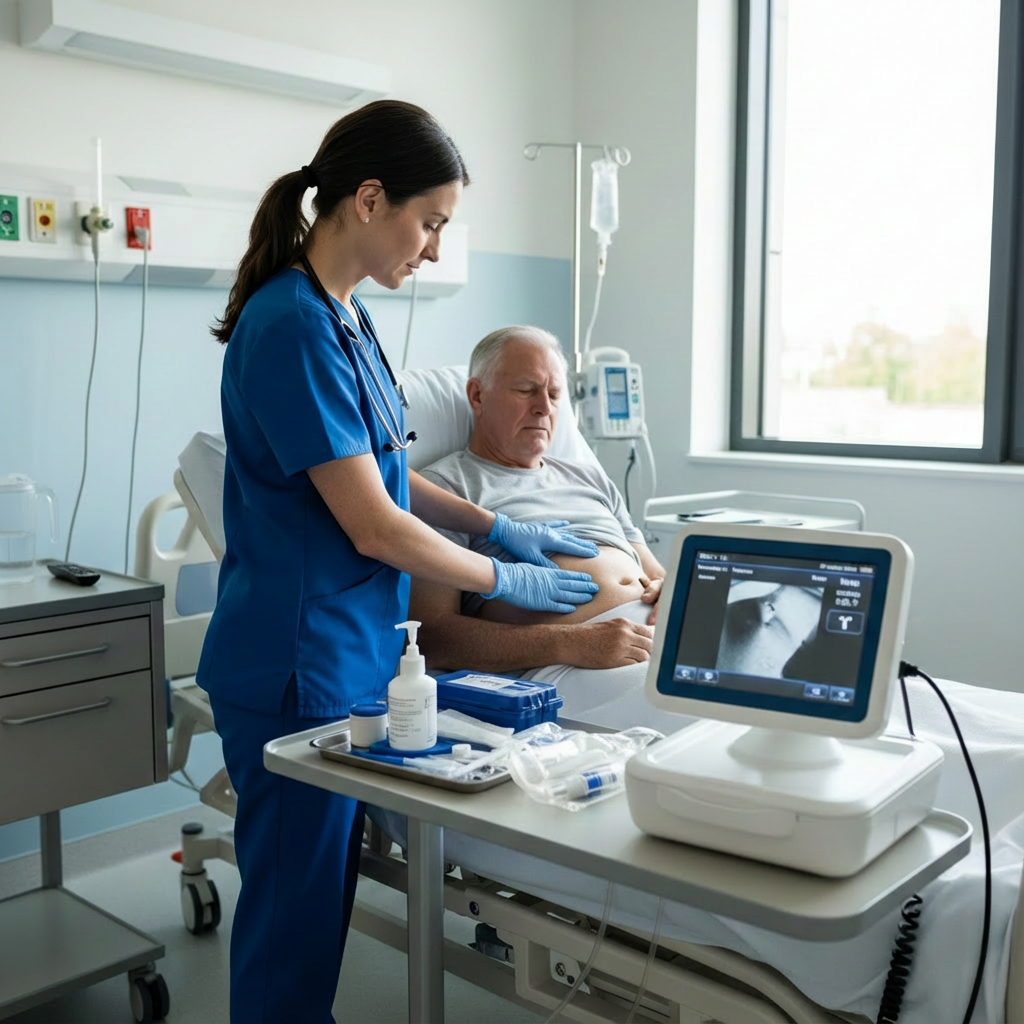
Nursing Interventions for Acute Urinary Retention

interventions for acute urinary retention

Acute urinary retention (AUR) is a sudden and often painful inability to empty the bladder. It is considered a urologic emergency that requires prompt nursing assessment and intervention. For every nurse and registered nurse, understanding how to recognize and manage acute urinary retention is essential for patient safety and NCLEX success. This guide explains key … Read more