
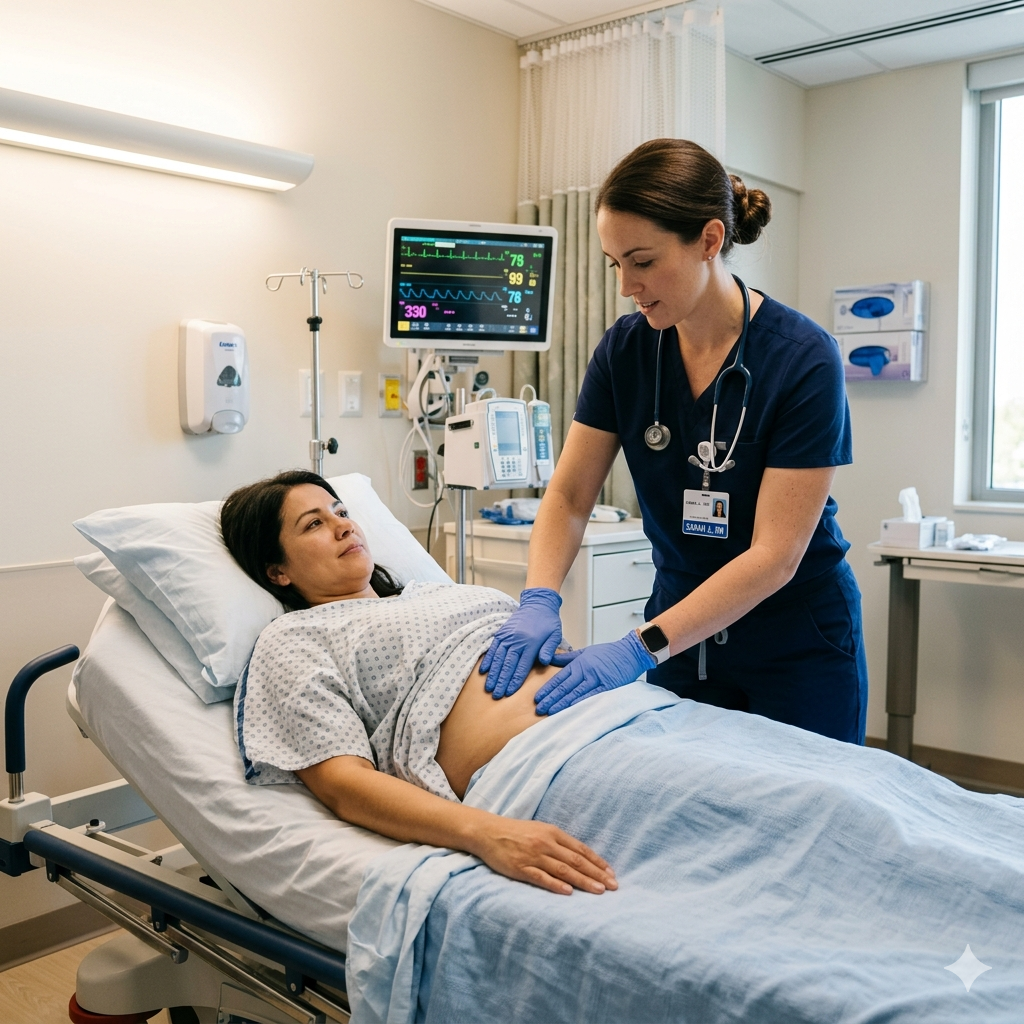
Chronic pelvic pain affects millions of patients worldwide, yet it remains one of the most underdiagnosed and undertreated conditions encountered in clinical practice. For the registered nurse, understanding the complexity of chronic pelvic pain nursing — from pathophysiology to multidisciplinary management — is essential for both the NCLEX exam and real-world patient care. This condition crosses multiple body systems and demands sharp assessment skills, patient advocacy, and evidence-based intervention. Whether caring for patients on a medical-surgical unit or in an outpatient gynecology clinic, the RN nurse must be prepared to recognize, assess, and manage this challenging syndrome effectively.
What Is Chronic Pelvic Pain? Key Definitions for Nurses
Chronic pelvic pain (CPP) is defined as persistent, non-cyclical pain located in the pelvis, anterior abdominal wall below the umbilicus, or lower back that lasts for six months or longer. It is not a single diagnosis but a syndrome — an umbrella term that encompasses a range of underlying conditions.
CPP affects approximately 15–20% of women of reproductive age, though it also occurs in men and can result from urological, musculoskeletal, or gastrointestinal causes. The condition significantly impairs quality of life, affecting daily functioning, sleep, mental health, and sexual health.
For NCLEX purposes, nurses must recognize that chronic pelvic pain is a multifactorial condition, meaning multiple etiologies often coexist in a single patient. Identifying overlapping syndromes is a hallmark of expert nursing assessment.
Common Causes and Underlying Syndromes
Understanding the etiology of CPP is critical for the RN nurse. The most frequently identified causes include:
Gynecological causes:
- Endometriosis — endometrial tissue growing outside the uterus, causing inflammation and adhesions
- Uterine fibroids — benign smooth muscle tumors causing pelvic pressure and pain
- Pelvic inflammatory disease (PID) — infection and scarring of pelvic organs from ascending bacterial infection
- Ovarian cysts and chronic ovarian pathology
- Adenomyosis — endometrial glands within the myometrium causing dysmenorrhea and bulk symptoms
Urological causes:
- Interstitial cystitis / bladder pain syndrome (IC/BPS) — a chronic bladder condition causing pelvic pressure and urinary urgency without infection
- Chronic urinary tract infections
Gastrointestinal causes:
- Irritable bowel syndrome (IBS) — frequently co-occurs with CPP, particularly in women with endometriosis
- Inflammatory bowel disease (IBD)
Musculoskeletal causes:
- Pelvic floor dysfunction — abnormal muscle tension or hypotonicity in pelvic floor muscles
- Levator ani syndrome — spasm of the levator ani muscles producing rectal and perineal pain
Psychosocial contributors:
- History of trauma, abuse, depression, and anxiety are strongly associated with CPP and must be sensitively assessed by the nursing team.
Nursing Assessment of Chronic Pelvic Pain
Thorough assessment is the foundation of chronic pelvic pain nursing. A registered nurse conducting a CPP assessment should use a systematic, body-system approach combined with holistic screening.
Key assessment components include:
- Pain history: Onset, location, quality, radiation, duration, aggravating and relieving factors, and relationship to the menstrual cycle, bowel habits, and bladder function
- Menstrual history: Cycle regularity, dysmenorrhea, menorrhagia, and intermenstrual bleeding
- Sexual history: Dyspareunia (pain with intercourse), which may indicate endometriosis, vaginismus, or pelvic floor dysfunction
- Urinary symptoms: Urgency, frequency, nocturia, or dysuria — pointing to IC/BPS or urological causes
- Bowel symptoms: Bloating, alternating constipation and diarrhea, or rectal pain
- Mental health screening: Depression and anxiety screening using validated tools (e.g., PHQ-9, GAD-7)
- Functional impact: The nurse should document how pain affects work, sleep, relationships, and daily activities
Use a validated pain scale (numeric 0–10 or visual analog scale) and document pain patterns consistently across shifts. Prior to the NCLEX exam, nursing students should review OLDCARTS (Onset, Location, Duration, Characteristics, Aggravating factors, Relieving factors, Treatment, Severity) as a systematic pain assessment framework.
Nursing Interventions and Interdisciplinary Management
Effective management of CPP requires interdisciplinary collaboration. The RN nurse plays a pivotal role in coordinating care and implementing both pharmacological and non-pharmacological strategies.
Pharmacological interventions:
- NSAIDs (e.g., ibuprofen, naproxen) — first-line for inflammatory and gynecological causes; administer with food and monitor renal function
- Hormonal therapy — oral contraceptive pills, progestins, or GnRH agonists (e.g., leuprolide) for endometriosis-related CPP; educate patients on side effects including bone density loss with long-term GnRH use
- Antidepressants — tricyclic antidepressants (TCAs) such as amitriptyline or SNRIs such as duloxetine are used for central sensitization and neuropathic pain components
- Gabapentinoids (gabapentin, pregabalin) — for neuropathic pelvic pain
- Topical anesthetics and trigger point injections — administered by advanced practice providers for localized pelvic floor tenderness
Non-pharmacological interventions:
- Pelvic floor physical therapy — a cornerstone of treatment for pelvic floor dysfunction; nurses should refer and educate patients on what to expect
- Cognitive behavioral therapy (CBT) — addresses the psychosocial dimensions of chronic pain and reduces pain catastrophizing
- Heat therapy — localized heat (heating pads) can reduce muscle spasm and dysmenorrhea
- Dietary modifications — a low-FODMAP diet may reduce IBS-associated pelvic pain
- Mindfulness and relaxation techniques — yoga, meditation, and diaphragmatic breathing support pain coping
Surgical interventions such as laparoscopy for endometriosis, hysterectomy, or adhesiolysis may be indicated in refractory cases. Preoperative and postoperative nursing care, including bowel preparation education, pain management, and ambulation, falls within the RN nurse’s scope.
Patient Education for Chronic Pelvic Pain
Patient education is a high-yield topic in both clinical practice and on the NCLEX. The nursing bundle of care for CPP patients must include structured, individualized teaching.
Key teaching points for the registered nurse to reinforce:
- Explain the multifactorial nature of CPP without dismissing the patient’s experience; validation is therapeutically important
- Medication adherence: Educate on scheduled dosing of NSAIDs (rather than PRN) during painful periods for greater anti-inflammatory effect
- Hormonal therapy side effects: Teach about mood changes, breakthrough bleeding, and the importance of not abruptly stopping GnRH agonists
- Signs of infection: Counsel patients to report fever, purulent discharge, or worsening pain acutely, as PID can be life-threatening if untreated
- Pelvic floor exercises: Clarify that standard Kegel exercises may be contraindicated in patients with hypertonic pelvic floor dysfunction — pelvic PT assessment guides the approach
- Mental health resources: Normalize referral to counseling as part of pain management, not a suggestion that pain is “in their head”
- Symptom journaling: Encourage patients to track pain, triggers, menstrual cycles, and bowel/bladder symptoms to assist the care team in identifying patterns
💡 NCLEX Tips for Chronic Pelvic Pain
- CPP is defined as pelvic pain lasting ≥6 months — memorize this definition for NCLEX questions
- Endometriosis is one of the most common causes of CPP in women of reproductive age; think “cyclic pelvic pain worsening with menstruation + infertility”
- When a patient with CPP reports urinary urgency and frequency with negative urine cultures, consider interstitial cystitis
- NSAIDs are more effective when taken on a scheduled basis during dysmenorrhea rather than PRN — a common NCLEX distractor
- Always screen CPP patients for history of trauma or abuse — this is a sensitive but essential component of holistic nursing assessment
Quick Reference: Common CPP Syndromes at a Glance
| Condition | Key Features | Primary Nursing Focus |
|---|---|---|
| Endometriosis | Cyclic pain, dyspareunia, infertility | Pain management, hormonal therapy education |
| Interstitial Cystitis | Urinary urgency/frequency, no infection | Bladder diary, dietary triggers, medication teaching |
| Pelvic Floor Dysfunction | Muscle spasm, dyspareunia, rectal pain | PT referral, avoid aggravating Kegels |
| PID | Fever, purulent discharge, acute + chronic pain | Antibiotic adherence, STI education, partner treatment |
| IBS with CPP | Alternating bowel habits, bloating | Low-FODMAP diet education, stress management |
| Uterine Fibroids | Pelvic pressure, menorrhagia, bulk symptoms | Pre/post-op teaching if surgical intervention planned |
Conclusion
Chronic pelvic pain syndromes present a clinical and educational challenge that every RN nurse must be prepared to face. Mastering chronic pelvic pain nursing means developing strong assessment skills, understanding overlapping diagnoses, delivering compassionate patient education, and facilitating interdisciplinary care. For NCLEX candidates, this topic emphasizes the nurse’s role in holistic pain assessment, safe medication administration, and patient advocacy — core competencies tested across multiple question formats.
To strengthen your preparation, explore the nursing bundle at rn-nurse.com/nursing-courses for comprehensive study resources, and practice applying these concepts with NCLEX-style questions at rn-nurse.com/nclex-qcm. The more you practice, the more confident you will feel — in both the exam room and at the bedside.