
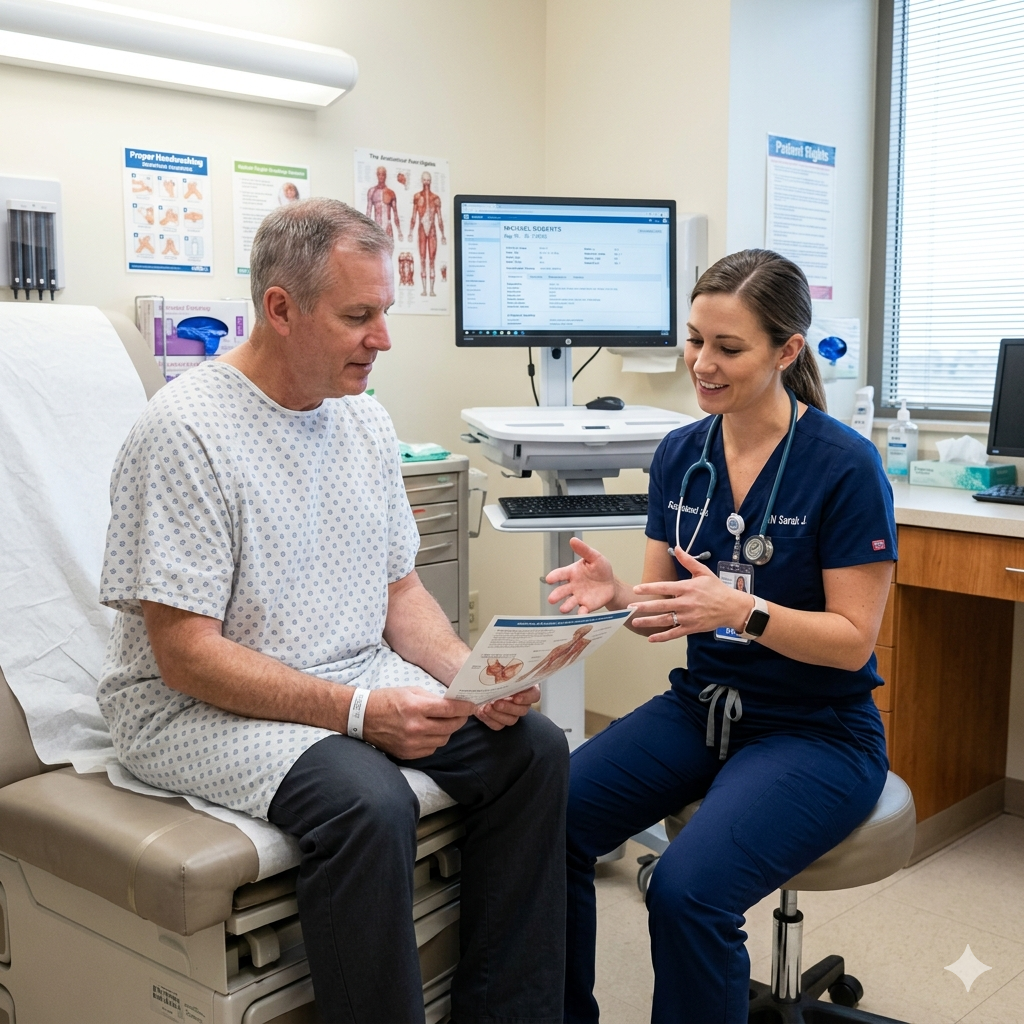
Erectile dysfunction (ED) affects an estimated 35–75% of men living with diabetes mellitus — a rate two to three times higher than in the general population. For the registered nurse, understanding the pathophysiologic mechanisms behind this complication is essential not only for NCLEX success but for delivering comprehensive, patient-centered care. Diabetes erectile dysfunction nursing goes far beyond documenting a symptom; it requires a working knowledge of how chronic hyperglycemia systematically damages both the vascular endothelium and peripheral nerve fibers that govern normal sexual function. This article breaks down those mechanisms, outlines targeted nursing interventions, and offers high-yield points to strengthen NCLEX readiness.
How Chronic Hyperglycemia Damages Vascular Tissue
Normal penile erection depends on robust arterial blood flow into the corpora cavernosa. In men with diabetes mellitus — particularly those with prolonged, poorly controlled blood glucose — several interrelated processes progressively compromise the vascular supply to erectile tissue.
Endothelial dysfunction is the earliest and most clinically significant vascular change. Chronic hyperglycemia reduces the bioavailability of nitric oxide (NO), a potent vasodilator produced by vascular endothelial cells. Without adequate NO, smooth muscle in penile arterioles cannot relax sufficiently to allow the blood engorgement required for erection.
Advanced glycation end-products (AGEs) accumulate when glucose molecules bind non-enzymatically to proteins. AGEs stiffen vascular walls, impair endothelial cell signaling, and accelerate atherosclerosis in small and medium-sized vessels — including the internal pudendal and cavernous arteries that supply the penis.
Oxidative stress compounds the damage. Excess reactive oxygen species generated by hyperglycemia further degrade NO and trigger inflammatory cascades that thicken arterial intima, narrow lumens, and reduce peak penile perfusion pressure.
For the RN nurse, the clinical takeaway is straightforward: any patient with longstanding or poorly controlled diabetes carries high risk for macrovascular and microvascular compromise that will impair erectile function — often before clinicians detect frank cardiovascular disease elsewhere.
Diabetic Neuropathy: The Neurologic Pathway to Erectile Dysfunction
While vascular disease drives a large proportion of diabetes-related ED, diabetic peripheral neuropathy and diabetic autonomic neuropathy contribute independently and significantly.
Erection is primarily a parasympathetic event. Preganglionic fibers from sacral spinal levels S2–S4 travel through the cavernous nerves to release acetylcholine and vasoactive intestinal peptide (VIP) at the penile smooth muscle. These neurotransmitters stimulate NO synthesis locally, initiating vascular relaxation and engorgement.
Chronic hyperglycemia damages these small-diameter autonomic fibers through:
- Polyol pathway activation: The body shunts excess glucose into the sorbitol pathway, leading to intracellular sorbitol and fructose accumulation that depletes myoinositol, impairs Na⁺/K⁺-ATPase activity, and ultimately causes axonal degeneration.
- Myelin sheath degradation: Schwann cell dysfunction reduces nerve conduction velocity along both sensory and autonomic fibers.
- Endoneurial ischemia: Microangiopathy of the vasa nervorum (the small vessels supplying nerve fibers) creates a hypoxic environment that accelerates axonal loss.
The result: impaired parasympathetic signaling blunts the neural trigger for NO release even when vascular anatomy remains relatively intact. Nursing students preparing for the NCLEX must recognize that both autonomic neuropathy and endothelial dysfunction can coexist in the same patient — amplifying the severity of ED.
Assessment: What the Nurse Should Document
Thorough nursing assessment is the foundation of safe, effective care for the patient with diabetes and ED. A registered nurse should approach this topic using structured, non-judgmental therapeutic communication to elicit accurate history.
Key assessment areas include:
- Duration and onset of erectile dysfunction — gradual onset suggests a vascular/neurologic etiology versus psychogenic ED, which tends to be sudden
- Glycemic control history: HbA1c trends, frequency of hypoglycemic episodes, and current glucose management regimen
- Cardiovascular risk factors: Hypertension, hyperlipidemia, smoking status, sedentary lifestyle — all of which potentiate vascular damage
- Medication review: Several antihypertensives (especially older beta-blockers and thiazides), antidepressants (SSRIs, TCAs), and antipsychotics carry ED as a known side effect — the nurse should flag and document each one
- Psychosocial factors: Depression and anxiety are highly prevalent in men with diabetes and independently contribute to sexual dysfunction
- Neurologic screening: Assessment for peripheral neuropathy symptoms — numbness, tingling, burning in the feet — correlates with the degree of autonomic nerve damage
Document all findings systematically. ED in diabetic patients often signals underlying cardiovascular disease; the nursing bundle of assessment, intervention, education, and referral is as important here as in any other chronic complication.
Nursing Interventions and Patient Education
Management of diabetes-related ED centers on optimizing glycemic control, reducing modifiable cardiovascular risk, and facilitating interdisciplinary care.
Glycemic optimization is the primary intervention. Sustained improvement in HbA1c (target < 7% per ADA guidelines for most adults) can slow progression of both endothelial dysfunction and autonomic neuropathy. The RN nurse plays a central role in reinforcing medication adherence, dietary modifications, and blood glucose monitoring technique.
Lifestyle modification education should address:
- Smoking cessation — nicotine causes vasoconstriction and accelerates endothelial damage
- Regular aerobic exercise — improves endothelial NO bioavailability and insulin sensitivity
- Weight management — visceral adiposity independently worsens endothelial function
- Alcohol moderation — heavy intake depresses the central nervous system pathways that initiate erection
Pharmacologic support: Nursing students should know that phosphodiesterase-5 (PDE-5) inhibitors (sildenafil, tadalafil, vardenafil) are first-line pharmacologic agents for diabetes-related ED. These drugs prevent the breakdown of cyclic GMP, prolonging smooth muscle relaxation. Critical nursing considerations include contraindication with nitrate medications (risk of severe hypotension) and caution in patients on alpha-blockers.
Referral coordination: The nurse facilitates referrals to urology, endocrinology, and mental health as appropriate. Psychogenic components of ED are common and may require counseling or therapy alongside medical treatment.
Quick Reference: Mechanisms of Diabetes-Related Erectile Dysfunction
| Mechanism | Pathway | Clinical Effect |
|---|---|---|
| Endothelial dysfunction | ↓ Nitric oxide bioavailability | Impaired arterial vasodilation |
| Advanced glycation end-products | Protein glycosylation, vascular stiffening | Atherosclerosis, ↓ penile perfusion |
| Oxidative stress | Reactive oxygen species, NO degradation | Endothelial inflammation, luminal narrowing |
| Autonomic neuropathy | Polyol pathway, myelin degradation | Impaired parasympathetic signaling |
| Endoneurial ischemia | Microangiopathy of vasa nervorum | Axonal loss, slowed nerve conduction |
| Psychogenic overlay | Depression, anxiety comorbidity | Central inhibition of erectile response |
💡 NCLEX Tips for Diabetes and Erectile Dysfunction
- ED in a diabetic patient is a microvascular and neuropathic complication — not purely psychological. Expect NCLEX to test this distinction.
- PDE-5 inhibitors + nitrates = absolute contraindication. This is a high-yield NCLEX pharmacology fact.
- Gradual onset of ED suggests organic (vascular/neurologic) cause; sudden onset suggests psychogenic etiology.
- Autonomic neuropathy is mediated through S2–S4 parasympathetic fibers — know your neuroanatomy for the exam.
- Improving HbA1c is both a treatment goal and a prevention strategy for all diabetic complications, including ED.
Psychological and Relational Dimensions of Care
No nursing article on erectile dysfunction is complete without addressing its profound psychological impact. Men with diabetes who develop ED frequently report significant decreases in self-esteem, relationship satisfaction, and quality of life. Depression in men with diabetes is roughly twice as prevalent as in the general population, and ED further increases depressive risk.
The registered nurse must apply therapeutic communication skills — open-ended questions, active listening, non-judgmental language — to create a safe environment where patients feel comfortable disclosing sexual health concerns. Many patients avoid raising the topic with their providers due to embarrassment; proactive, compassionate inquiry by nursing staff can be the key that opens the door to timely intervention.
The nurse should include partners in education sessions when the patient consents. Couples who receive education together demonstrate improved adherence to treatment and better psychosocial outcomes. This holistic approach reflects the standard of care expected of an RN nurse working in medical-surgical, primary care, or endocrine specialty settings — and NCLEX clinical judgment questions increasingly test it.
Conclusion
Diabetes erectile dysfunction nursing demands a clear understanding of both the vascular and neurologic mechanisms driving this common and underreported complication. Endothelial dysfunction driven by nitric oxide depletion, atherosclerotic changes accelerated by AGEs, and autonomic neuropathy from polyol pathway damage all converge to impair erectile function in men with diabetes. The registered nurse and RN nurse are uniquely positioned to identify this complication early, deliver evidence-based education, support glycemic optimization, and coordinate the interdisciplinary care that patients need.
Master these concepts through consistent study and practice. Explore the full nursing bundle at rn-nurse.com/nursing-courses/ and test your NCLEX readiness with targeted practice questions at rn-nurse.com/nclex-qcm/.