
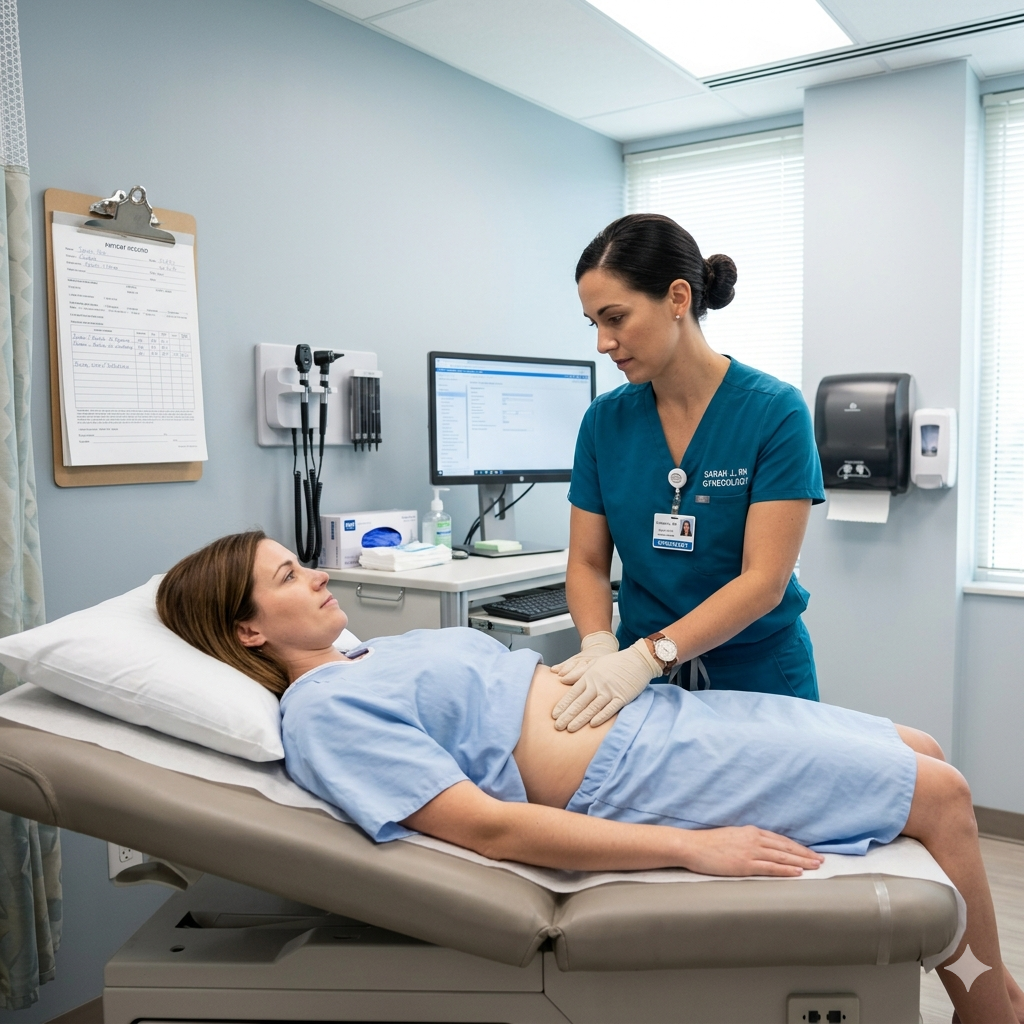
Endometriosis affects approximately 10% of reproductive-age women worldwide, making it one of the most underdiagnosed yet clinically significant conditions a registered nurse will encounter in OB/Maternity, medical-surgical, and primary care settings. Indeed, the hallmark presentation — chronic pelvic pain — stems from a complex cascade of inflammatory, hormonal, and neurological mechanisms that every RN nurse must understand to deliver competent, compassionate care. Because NCLEX places growing emphasis on women’s health and pain management, mastering endometriosis chronic pelvic pain pathophysiology is essential for both exam success and real-world clinical practice. Therefore, this nursing bundle of knowledge will sharpen your assessment skills and prepare you to anticipate and manage this condition with confidence.
Pathophysiology: How Endometriosis Causes Chronic Pelvic Pain
To begin, endometriosis is defined as the presence of endometrial-like tissue — glands and stroma — outside the uterine cavity. The most widely accepted theory of origin is retrograde menstruation, in which menstrual tissue flows backward through the fallopian tubes and subsequently implants on pelvic structures including the ovaries, peritoneum, bladder, and bowel.
Once implanted, these ectopic lesions respond to cyclical hormonal changes just as the native endometrium does — proliferating under estrogen and breaking down under progesterone withdrawal. As a result, repeated inflammation, bleeding, and healing within the pelvic cavity drives the chronic pain cycle through several distinct mechanisms:
- Prostaglandin release: Activated macrophages and mast cells within lesions secrete prostaglandins E2 and F2α, potent mediators of uterine cramping and inflammation.
- Cytokine-mediated sensitization: Consequently, elevated interleukin-1β (IL-1β), tumor necrosis factor-alpha (TNF-α), and interleukin-6 (IL-6) in peritoneal fluid lower pain thresholds both locally and systemically.
- Neurogenesis: Furthermore, ectopic lesions stimulate growth of sensory and sympathetic nerve fibers, creating direct neural pathways that amplify pain signaling — a process called peripheral sensitization.
- Adhesion formation: Finally, repeated inflammatory cycles generate fibrous adhesions that distort pelvic anatomy, restrict organ mobility, and produce traction-type pain during movement or intercourse.
Taken together, understanding these mechanisms allows the nurse to anticipate why pain often persists even after lesion removal and why multimodal management is always required.
Central Sensitization and Neurological Pain Amplification
Beyond the local inflammatory response, a critical concept for NCLEX and clinical practice is central sensitization — a state in which the central nervous system becomes hyperreactive to stimuli, amplifying pain signals far beyond what peripheral tissue damage alone would produce. Specifically, in endometriosis chronic pelvic pain, prolonged peripheral nociceptive input remodels the dorsal horn of the spinal cord, thereby lowering excitatory thresholds and impairing inhibitory pathways.
Clinically, central sensitization manifests in several recognizable ways:
- Allodynia: Pain triggered by stimuli that are normally non-painful (e.g., light touch over the abdomen)
- Hyperalgesia: An exaggerated pain response to mildly painful stimuli
- Referred pain: Discomfort radiating to the lower back, thighs, or rectum even when lesions are localized
For this reason, the RN nurse must recognize that central sensitization explains why patients often report pain levels that seem disproportionate to imaging findings or physical examination results. Accordingly, a thorough nursing assessment must treat the patient’s subjective pain report as the clinical priority — consistent with the principle that pain is what the patient says it is.
Nursing Assessment of the Patient with Chronic Pelvic Pain
Comprehensive assessment is the foundation of effective nursing care for endometriosis. To that end, a registered nurse should systematically gather the following information:
History:
- Onset, duration, and character of pain (cyclic vs. acyclic, sharp, dull, cramping)
- Dysmenorrhea (painful menstruation): Often severe and poorly controlled with OTC analgesics
- Dyspareunia (painful intercourse): Deep dyspareunia suggests posterior cul-de-sac or uterosacral ligament involvement
- Dyschezia (painful defecation): Indicates possible bowel endometriosis
- Bladder symptoms: Dysuria or urgency, which may suggest bladder lesions
- Infertility history — notably, endometriosis accounts for up to 50% of infertility cases
Physical Assessment:
- Vital signs; in particular, note pain-related elevations in heart rate and blood pressure
- Abdominal tenderness: Diffuse vs. localized, guarding, or rebound
- Document pain using a validated scale (Numeric Rating Scale 0–10 or Visual Analog Scale)
- Additionally, assess functional impact: sleep quality, activity tolerance, and psychosocial wellbeing
Psychosocial Screening: Chronic pain conditions carry a high burden of anxiety and depression. Therefore, the nurse must screen for mood disturbances using validated tools and initiate appropriate referrals. Moreover, pain that goes unvalidated by healthcare providers — a common and damaging experience for endometriosis patients — further compounds psychological suffering. As a result, therapeutic communication and active listening are not optional; they are core nursing competencies in this context.
Nursing Interventions and Pain Management Strategies
Nursing management of endometriosis-related chronic pelvic pain focuses on multimodal pain control, patient education, and coordination of care. Because no single intervention reliably resolves all pain, combining pharmacological and non-pharmacological strategies is standard practice.
Pharmacological Support:
- NSAIDs (e.g., ibuprofen, naproxen): First-line for dysmenorrhea; they inhibit prostaglandin synthesis directly. Administer with food and monitor renal function with long-term use.
- Hormonal therapies: Combined oral contraceptives, progestins, and GnRH agonists (e.g., leuprolide) suppress ovarian estrogen production, thereby reducing lesion activity. Consequently, the nurse must educate patients on side effects including hot flashes, bone density loss with long-term GnRH agonist use, and the need for add-back therapy.
- Analgesic adjuvants: For patients with central sensitization features, providers may additionally prescribe gabapentin or low-dose tricyclic antidepressants. In those cases, the nurse administers the medication, monitors therapeutic response, and documents side effects consistently.
Non-Pharmacological Interventions:
- Application of heat to the lower abdomen or back, which reduces muscle spasm and prostaglandin-mediated cramping
- Referral to pelvic floor physical therapy — a highly effective intervention for both peripheral and central pain components
- Mindfulness-based stress reduction and cognitive behavioral therapy, both of which have demonstrated efficacy in reducing central sensitization-related pain amplification
- Nutritional guidance: Anti-inflammatory dietary patterns such as the Mediterranean diet may also reduce overall prostaglandin load
In addition to direct patient care, the nurse plays a pivotal role in coordinating referrals. Furthermore, nurses must ensure patients understand that surgery (laparoscopic lesion excision) may reduce but not eliminate pain, particularly when central sensitization is already established.
Surgical Management: Perioperative Nursing Considerations
When conservative management is insufficient, laparoscopic surgery serves as both the gold standard for diagnosis (through direct visualization and biopsy of lesions) and a primary therapeutic intervention. Consequently, the registered nurse caring for the perioperative endometriosis patient must be prepared across all three phases of the surgical experience:
- Preoperative: Confirm informed consent, initiate bowel preparation if bowel endometriosis is suspected, complete a baseline pain assessment, and document the current analgesic regimen thoroughly.
- Intraoperative: Assist with positioning (Trendelenburg); moreover, anticipate CO₂ insufflation, which may cause referred shoulder tip pain postoperatively due to diaphragmatic irritation — educate patients about this before surgery so they are not alarmed afterward.
- Postoperative: Monitor closely for bleeding and urinary retention (particularly after bladder or ureterolysis procedures), and ensure adequate pain control is achieved. Additionally, resume hormonal therapy as prescribed to reduce the risk of recurrence.
Importantly, patient education must include realistic expectations: recurrence rates after conservative surgery approach 20–40% within five years. As a result, reinforcing the importance of ongoing hormonal suppression and regular follow-up is an essential component of discharge teaching.
💡 NCLEX Tips for Endometriosis and Chronic Pelvic Pain
- The classic triad of endometriosis: dysmenorrhea + dyspareunia + infertility — memorize this for NCLEX prioritization questions.
- Definitive diagnosis requires laparoscopy with biopsy — imaging (ultrasound, MRI) supports the diagnosis but does not confirm it.
- GnRH agonists cause a temporary surgical menopause — therefore, expect NCLEX questions on bone density monitoring and add-back estrogen therapy.
- A patient reporting shoulder pain after laparoscopy most likely has referred diaphragmatic pain from CO₂ — not a cardiac or musculoskeletal emergency.
- Because central sensitization means pain may persist despite normal imaging, never dismiss subjective pain reports; always advocate for the patient.
Quick Reference: Key Features of Endometriosis for Nursing Practice
| Feature | Clinical Detail |
|---|---|
| Definition | Ectopic endometrial-like tissue outside the uterus |
| Peak incidence | Reproductive-age women (15–49 years) |
| Primary pain mediators | Prostaglandins, IL-1β, TNF-α, nerve fiber growth |
| Pain types | Dysmenorrhea, dyspareunia, dyschezia, acyclic pelvic pain |
| Diagnostic gold standard | Laparoscopy with histological confirmation |
| First-line medical therapy | NSAIDs + combined oral contraceptives |
| Hormonal suppression agents | Progestins, GnRH agonists (e.g., leuprolide), danazol |
| Surgical approach | Laparoscopic lesion excision or ablation |
| Recurrence risk | 20–40% within 5 years post-surgery |
| Comorbid concerns | Depression, anxiety, infertility, central sensitization |
Conclusion
Endometriosis and the chronic pelvic pain it produces represent one of the most complex pain syndromes a nurse will manage across clinical settings. From peripheral prostaglandin-driven inflammation to central sensitization and neurological amplification, the mechanisms are layered — and, accordingly, nursing care must match that complexity with thorough assessment, multimodal interventions, and unwavering patient advocacy. Furthermore, a well-prepared RN nurse integrates pathophysiology, pharmacology, perioperative care, and psychosocial support into a cohesive plan that addresses the whole patient. As you build your nursing bundle for NCLEX and beyond, return consistently to these core mechanisms and clinical priorities — they are ultimately the foundation of high-quality women’s health care.
Ready to test your knowledge? Practice NCLEX-style questions on OB/Maternity and women’s health topics at https://rn-nurse.com/nclex-qcm/, or explore our full range of nursing courses at https://rn-nurse.com/nursing-courses/.