
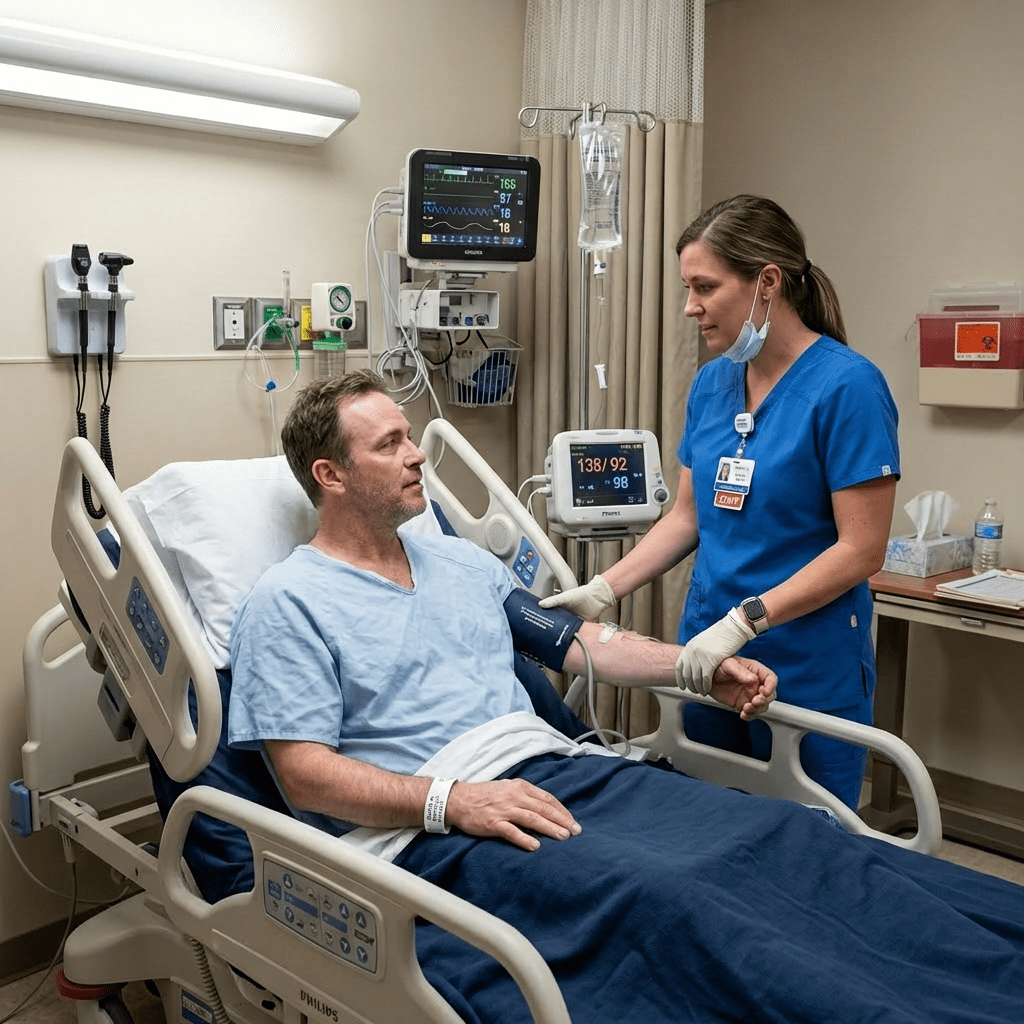
Substance withdrawal can rapidly become life-threatening in hospital settings. For every nurse, registered nurse, and RN nurse, understanding structured withdrawal protocols is essential for patient safety.
Withdrawal management is heavily tested on the NCLEX, particularly in psychiatric, emergency, and medical-surgical nursing sections. A strong pharmacology and psychiatric section in any comprehensive nursing bundle should thoroughly cover withdrawal prioritization and medication management.
:highlight
Why Withdrawal Protocols Matter in Hospitals
Patients admitted for unrelated medical conditions may still experience withdrawal during hospitalization.
Common scenarios include:
- Alcohol-dependent patients admitted for surgery
- Opioid-dependent patients hospitalized for injury
- Benzodiazepine users unable to access medication
- Polysubstance use history
The registered nurse must anticipate withdrawal risk during admission assessment.
General Nursing Assessment for Withdrawal
Every RN nurse should assess:
- Substance use history
- Last use timing
- Frequency and amount
- History of withdrawal seizures or delirium
- Co-occurring medical conditions
Early screening reduces complications.
Alcohol Withdrawal Protocol
Alcohol withdrawal is one of the most dangerous forms of withdrawal.
Onset:
6–24 hours after last drink
Early Symptoms:
- Tremors
- Anxiety
- Sweating
- Tachycardia
- Insomnia
Severe Complications:
- Seizures
- Delirium tremens (DTs)
- Hallucinations
- Severe hypertension
:highlight
CIWA-Ar Protocol
The Clinical Institute Withdrawal Assessment for Alcohol (CIWA-Ar) is commonly used in hospital settings.
It measures:
- Nausea
- Tremor
- Anxiety
- Agitation
- Hallucinations
- Headache
- Orientation
Higher scores indicate need for medication.
Medication Management
Common medications include:
- Lorazepam
- Diazepam
- Chlordiazepoxide
Benzodiazepines prevent seizures and delirium tremens.
The nurse must monitor:
- Respiratory status
- Sedation level
- Blood pressure
- Fall risk
Opioid Withdrawal Protocol
Opioid withdrawal is rarely fatal but extremely uncomfortable.
Symptoms:
- Muscle aches
- Runny nose
- Yawning
- Sweating
- Nausea
- Diarrhea
- Restlessness
COWS Protocol
The Clinical Opiate Withdrawal Scale (COWS) evaluates symptom severity.
Higher scores guide medication dosing.
Medication Options
Common medications include:
- Methadone
- Buprenorphine
- Clonidine
The registered nurse must assess:
- Blood pressure
- Withdrawal progression
- Medication response
Benzodiazepine Withdrawal Protocol
Benzodiazepine withdrawal can be life-threatening.
Symptoms:
- Anxiety
- Tremors
- Seizures
- Agitation
- Insomnia
Treatment involves gradual tapering using long-acting benzodiazepines.
The RN nurse must monitor for seizure activity.
Nursing Priorities in Withdrawal Management
For every nurse, priorities include:
✔ Airway and breathing
✔ Vital sign monitoring
✔ Seizure precautions
✔ Fall precautions
✔ Hydration and electrolyte balance
✔ Frequent reassessment
On the NCLEX, safety is always the first answer.
Fluid and Electrolyte Monitoring
Withdrawal may cause:
- Dehydration
- Electrolyte imbalance
- Hypoglycemia
The registered nurse should monitor:
- Intake and output
- Lab values
- Mental status changes
Withdrawal vs Intoxication (NCLEX Tip)
The NCLEX often tests the difference:
| Withdrawal | Intoxication |
|---|---|
| Opposite of drug effects | Direct drug effects |
| Hyperactivity (alcohol withdrawal) | CNS depression (alcohol intoxication) |
| Agitation | Sedation |
Recognizing the pattern is critical.
Documentation Responsibilities
The RN nurse must document:
- Assessment scale scores (CIWA, COWS)
- Medication administration
- Patient response
- Vital signs
- Safety measures implemented
Accurate documentation protects both patient and nurse.
Patient Education in Withdrawal Care
Before discharge, the nurse should:
- Provide addiction treatment resources
- Encourage follow-up care
- Discuss relapse prevention
- Reinforce medication adherence
Compassionate, nonjudgmental care improves outcomes.
NCLEX Practice Question
A patient admitted for pancreatitis reports heavy alcohol use and begins shaking 10 hours after admission. What is the nurse’s priority action?
A. Provide reassurance
B. Notify the provider and initiate CIWA protocol
C. Encourage fluids only
D. Allow patient to rest
Correct Answer: B
Early alcohol withdrawal requires structured protocol initiation.
Key Takeaways for Nurses and RN Nurses
✔ Assess substance history during admission
✔ Use structured tools like CIWA and COWS
✔ Monitor for seizures and autonomic instability
✔ Prioritize airway and safety
✔ Administer medications per protocol
✔ Document thoroughly
Substance withdrawal management is a high-yield topic in hospital-based nursing and a frequent focus on the NCLEX.