
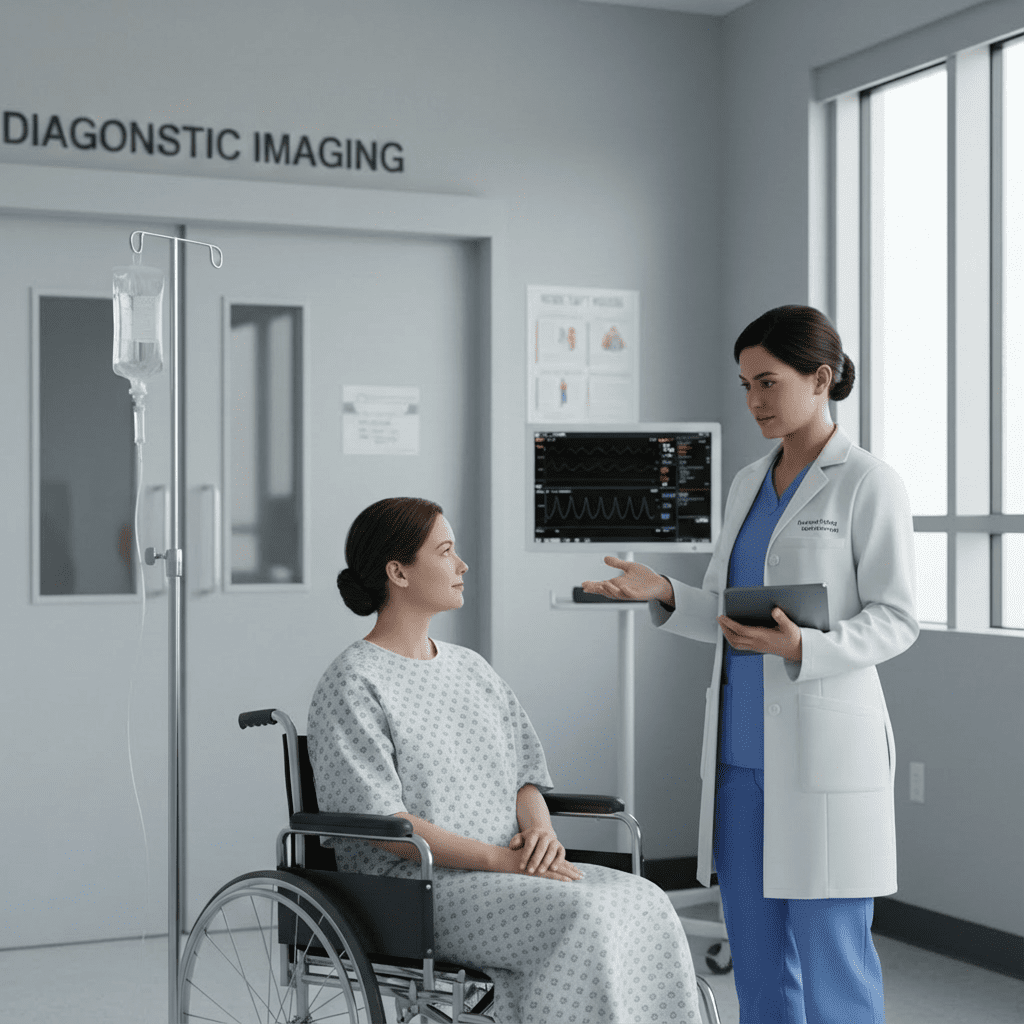
Preparing patients for diagnostic tests is a critical responsibility in nursing practice. Whether the test is a blood draw, imaging study, or invasive procedure, proper preparation ensures patient safety, accurate results, and reduced anxiety. For every nurse, registered nurse, or RN nurse, mastering this skill is essential for both clinical success and NCLEX readiness.
This article explains the nurse’s role in preparing patients for diagnostic tests, including patient education, safety checks, emotional support, and documentation—key areas frequently tested on the NCLEX exam.
Why Patient Preparation Matters in Nursing
Diagnostic tests guide diagnosis, treatment plans, and patient outcomes. Inadequate preparation can lead to:
- False or inaccurate results
- Procedure delays or cancellations
- Patient discomfort or complications
- Increased healthcare costs
From a nursing perspective, preparation reflects professional accountability and patient advocacy. NCLEX questions often focus on pre-test nursing responsibilities, making this topic essential for students using any nursing bundle.
The Nurse’s Role in Preparing Patients for Diagnostic Tests
A registered nurse acts as the bridge between the healthcare provider and the patient. Preparation includes physical, psychological, and educational components.
Key Nursing Responsibilities
- Verify provider orders
- Identify patient risks
- Educate the patient and family
- Ensure informed consent
- Perform safety checks
- Provide emotional support
Every RN nurse must individualize preparation based on the patient’s age, condition, and test type.
Step 1: Verifying the Diagnostic Test Order
Before any preparation begins, the nurse must confirm:
- Correct patient (two identifiers)
- Correct test
- Correct time and location
- Special instructions (NPO, medications, labs)
This step aligns with NCLEX safety principles and prevents medical errors.
Step 2: Assessing the Patient Before the Test
A thorough nursing assessment ensures patient readiness.
Assessment Includes:
- Allergies (contrast dye, iodine, latex)
- Current medications (anticoagulants, insulin)
- Medical history (kidney disease, pregnancy)
- Vital signs and baseline status
- Anxiety or knowledge deficits
NCLEX frequently tests the nurse’s assessment role before procedures, especially for contrast studies and invasive diagnostics.
Step 3: Educating the Patient and Family
Patient education is one of the most important nursing responsibilities.
What Nurses Should Teach:
- Purpose of the diagnostic test
- What to expect before, during, and after
- Required preparation (fasting, bowel prep, hydration)
- Possible sensations (pressure, warmth, noise)
- Post-test restrictions
Using simple language improves understanding and cooperation. Education is a core nursing competency emphasized in every nursing bundle.
Step 4: Preparing Patients Physically
Different tests require different physical preparations.
Common Examples:
- NPO status for endoscopy or surgery
- Bowel prep for colonoscopy
- Hydration before CT scans with contrast
- Medication adjustments (holding metformin, insulin timing)
The RN nurse must follow facility protocols and provider instructions precisely.
Step 5: Emotional Support and Anxiety Reduction
Many patients fear diagnostic tests due to pain, results, or unfamiliar equipment.
Nursing Interventions:
- Encourage questions
- Use therapeutic communication
- Provide reassurance without false promises
- Allow family presence when appropriate
NCLEX questions often test therapeutic communication techniques, especially before stressful procedures.
Step 6: Informed Consent and Legal Responsibilities
For invasive diagnostic tests, informed consent is required.
The Nurse’s Role:
- Verify that consent is signed
- Ensure the patient understands the procedure
- Notify the provider if the patient has questions
Nurses do not obtain consent, but they are responsible for verifying it—an important NCLEX legal concept.
Step 7: Safety Checks Before the Test
Safety is a top priority in nursing care.
Pre-Test Safety Measures:
- Remove jewelry or metal objects
- Confirm pregnancy status
- Establish IV access if needed
- Perform time-out procedures
Failure to complete safety checks is a common NCLEX trap question.
Preparing Patients for Common Diagnostic Tests
Blood Tests
- Verify fasting requirements
- Identify veins and assess hydration
- Explain possible bruising
Imaging Tests (X-ray, CT, MRI)
- Screen for metal implants
- Assess contrast allergies
- Educate about noise or enclosed spaces
Endoscopy
- Enforce strict NPO status
- Explain sedation effects
- Monitor gag reflex post-procedure
Cardiac Tests (ECG, Stress Test)
- Avoid caffeine if required
- Explain electrode placement
- Monitor vital signs closely
Understanding these differences strengthens clinical judgment, a key NCLEX focus.
Documentation: A Critical Nursing Responsibility
Accurate documentation protects both the patient and the registered nurse.
Document:
- Patient education provided
- Preparation steps completed
- Patient response and understanding
- Any delays or complications
Documentation is often overlooked by students but heavily tested on the NCLEX exam.
NCLEX Tips: Diagnostic Test Preparation
- Always assess before teaching
- Safety comes before comfort
- Verify consent before invasive tests
- Hold medications only if ordered
- Use therapeutic communication
Many nursing bundle resources include practice questions on this topic because it is high-yield for the NCLEX.
Why This Skill Matters for Nursing Students and RN Nurses
Preparing patients for diagnostic tests builds trust, improves outcomes, and prevents errors. Whether you are a nursing student, graduate nurse, or experienced RN nurse, mastering this skill strengthens your confidence and clinical performance.
This topic connects assessment, safety, education, communication, and legal nursing responsibilities—everything the NCLEX loves to test.
Final Thoughts
Preparing patients for diagnostic tests is a foundational nursing skill that combines knowledge, compassion, and precision. By mastering proper preparation techniques, every nurse and registered nurse enhances patient safety and diagnostic accuracy while reinforcing professional nursing standards.