
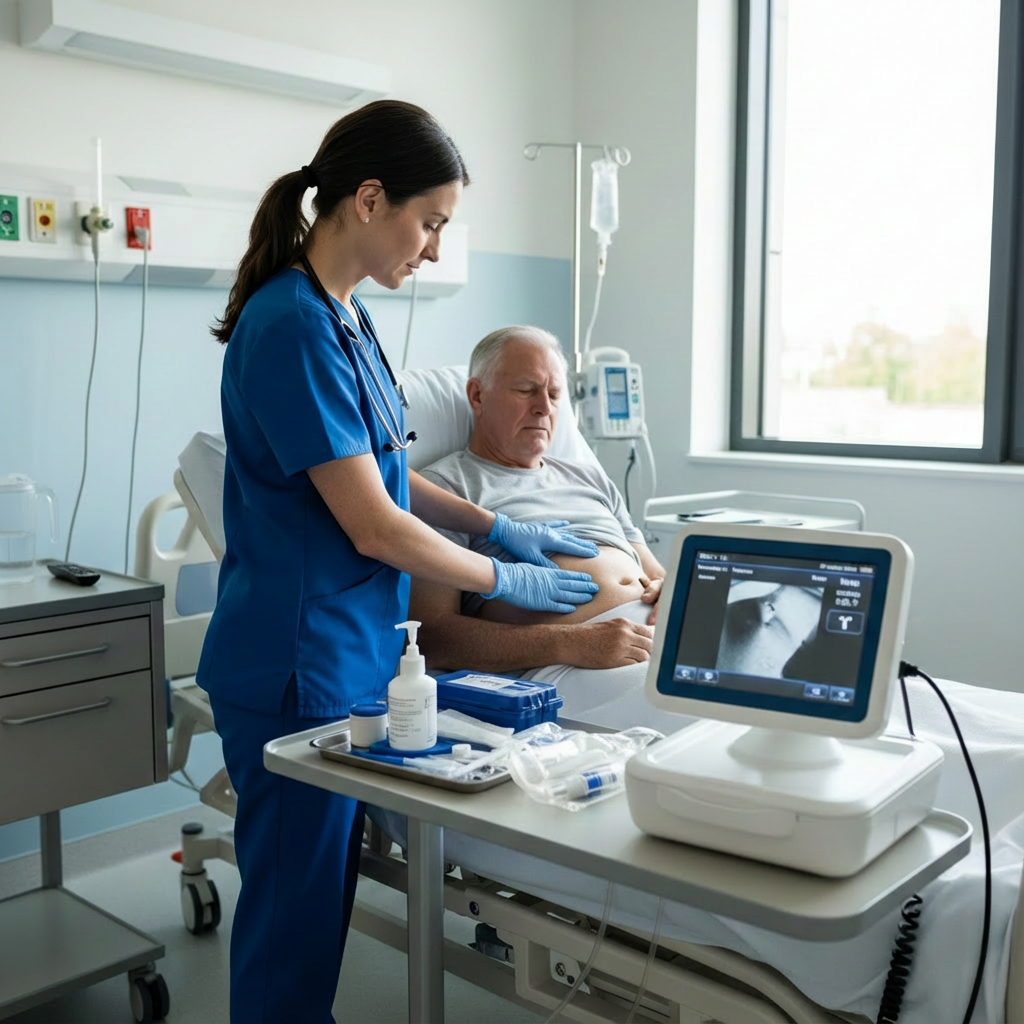
Acute urinary retention (AUR) is a sudden and often painful inability to empty the bladder. It is considered a urologic emergency that requires prompt nursing assessment and intervention. For every nurse and registered nurse, understanding how to recognize and manage acute urinary retention is essential for patient safety and NCLEX success.
This guide explains key nursing interventions for acute urinary retention, common causes, assessment priorities, and NCLEX-focused nursing care.
What Is Acute Urinary Retention?
Acute urinary retention occurs when urine rapidly accumulates in the bladder and cannot be expelled. Unlike chronic retention, acute retention develops suddenly and causes significant discomfort.
Common causes include:
- Benign prostatic hyperplasia (BPH)
- Postoperative anesthesia effects
- Anticholinergic or opioid medications
- Neurologic disorders (spinal cord injury, stroke)
- Urinary tract obstruction or trauma
From an NCLEX nursing perspective, acute urinary retention always requires immediate intervention.
Key Signs and Symptoms Nurses Must Recognize
A skilled RN nurse should assess for:
- Inability to urinate
- Severe suprapubic pain or pressure
- Bladder distention
- Restlessness or anxiety
- Decreased urine output
- Overflow incontinence (in some cases)
Early recognition allows the nursing team to prevent complications such as bladder rupture or kidney damage.
Nursing Assessment Priorities
Before initiating interventions, the nurse should perform a focused assessment.
Assessment includes:
- Palpating and inspecting the suprapubic area
- Monitoring intake and output
- Assessing last void time
- Reviewing medications
- Checking for neurologic deficits
Additionally, a bladder scanner is commonly used in modern nursing practice to confirm urinary retention.
Nursing Interventions for Acute Urinary Retention
1. Prompt Bladder Decompression
The priority nursing intervention is bladder decompression.
- Insert a urinary catheter as ordered
- Use sterile technique
- Monitor urine output closely
- Document volume drained
⚠️ NCLEX Tip: Sudden drainage of a large urine volume may cause hypotension—monitor vital signs carefully.
2. Pain Management and Comfort Measures
Because acute retention is painful, the registered nurse should:
- Assess pain level regularly
- Administer prescribed analgesics
- Provide emotional reassurance
- Position the patient comfortably
Pain relief improves cooperation with care and reduces anxiety.
3. Monitor for Complications
After catheterization, ongoing nursing care is essential.
Monitor for:
- Hematuria
- Signs of urinary tract infection
- Post-obstructive diuresis
- Changes in blood pressure
Accurate documentation supports continuity of care and patient safety.
4. Medication Review and Education
Many cases of acute urinary retention are medication-related.
The RN nurse should:
- Review anticholinergics, opioids, and alpha-agonists
- Educate patients about medication side effects
- Collaborate with the healthcare provider for adjustments
Medication awareness is a common focus in NCLEX questions.
5. Promote Normal Voiding When Possible
If catheterization is delayed or avoided, nursing interventions may include:
- Encouraging privacy
- Running water to stimulate voiding
- Applying warm compresses to the suprapubic area
- Assisting with upright positioning
These noninvasive techniques may help in mild cases.
Patient Education and Discharge Teaching
Education is a vital part of nursing care.
Teach patients to:
- Recognize early symptoms of retention
- Avoid delaying urination
- Maintain adequate hydration
- Follow up with urology if needed
Patient teaching improves long-term outcomes and reduces recurrence.
NCLEX Focus: Acute Urinary Retention
For the NCLEX, remember:
- Acute urinary retention is an emergency
- Catheterization is the priority intervention
- Monitor for hypotension after bladder decompression
- Know medication causes and postoperative risks
These points are commonly reinforced in any high-quality nursing bundle.
Why This Topic Matters for Nurses
Acute urinary retention is frequently encountered in hospitals, surgical units, and long-term care settings. A confident registered nurse who understands proper assessment and intervention can prevent serious complications and improve patient comfort.
Mastering this topic strengthens clinical judgment and prepares every RN nurse for real-world practice and exam success.