Preventing ICU-Acquired Weakness

Preventing ICU-acquired weakness

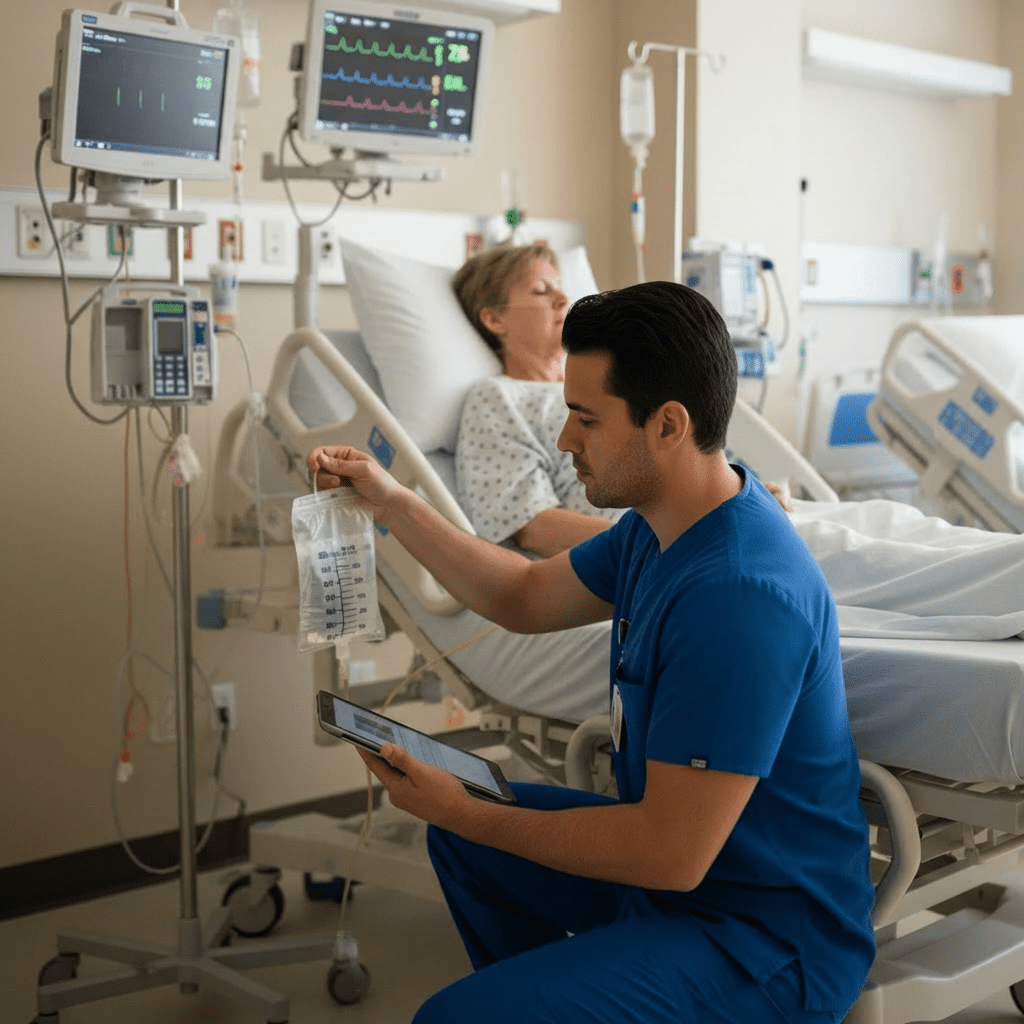
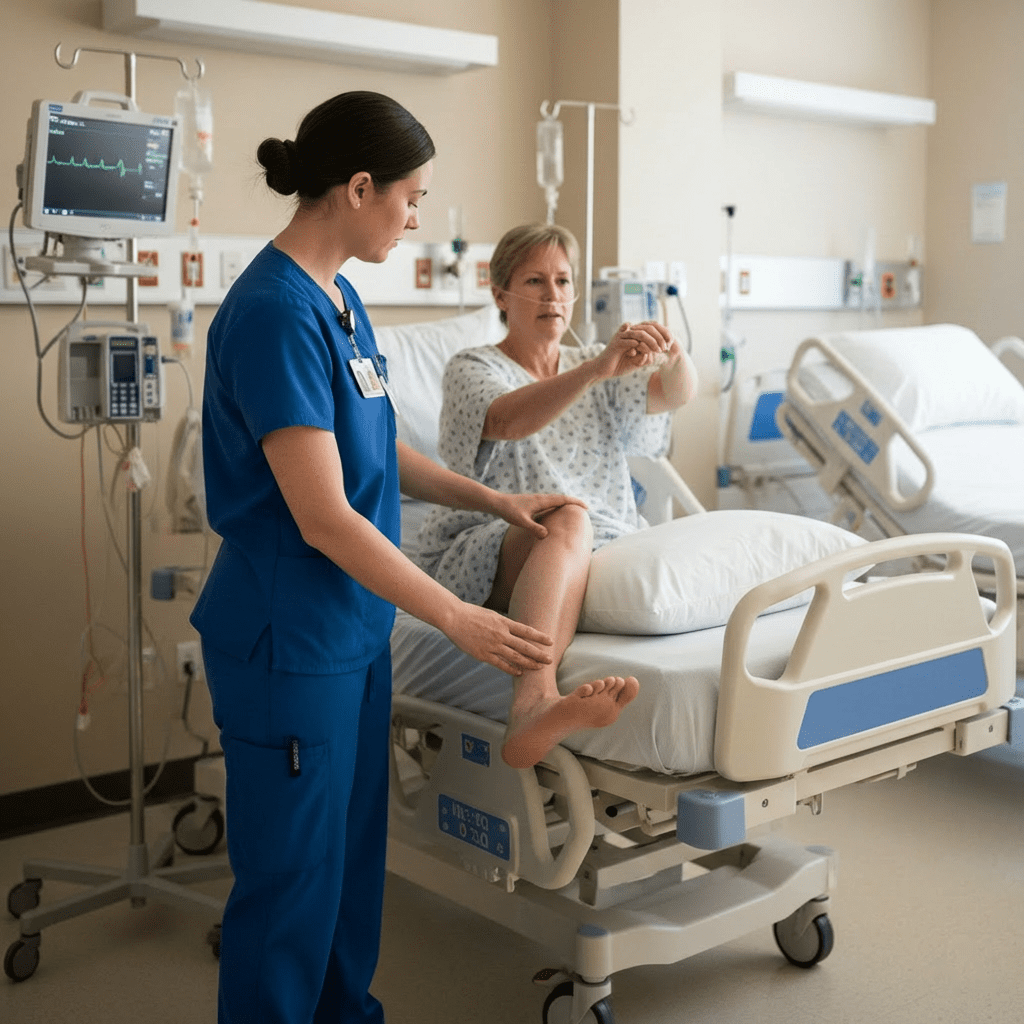
ICU-acquired weakness (ICU-AW) is a common but often underrecognized complication in critically ill patients. It leads to muscle loss, delayed recovery, prolonged mechanical ventilation, and extended hospital stays. Because nurses spend the most time at the bedside, the nurse plays a key role in prevention, early recognition, and daily interventions. For this reason, ICU-acquired weakness … Read more

ICU Nutrition: Enteral vs Parenteral Feeding

ICU nutrition enteral vs parenteral feeding

Nutrition support is a critical part of care in the Intensive Care Unit (ICU). Critically ill patients often cannot meet their nutritional needs orally due to mechanical ventilation, altered consciousness, or severe illness. For this reason, nurses play a central role in managing enteral and parenteral feeding, monitoring for complications, and ensuring safe delivery of … Read more

Recognizing Deteriorating Patients Early: A Nursing & NCLEX Guide

Recognizing deteriorating patients early

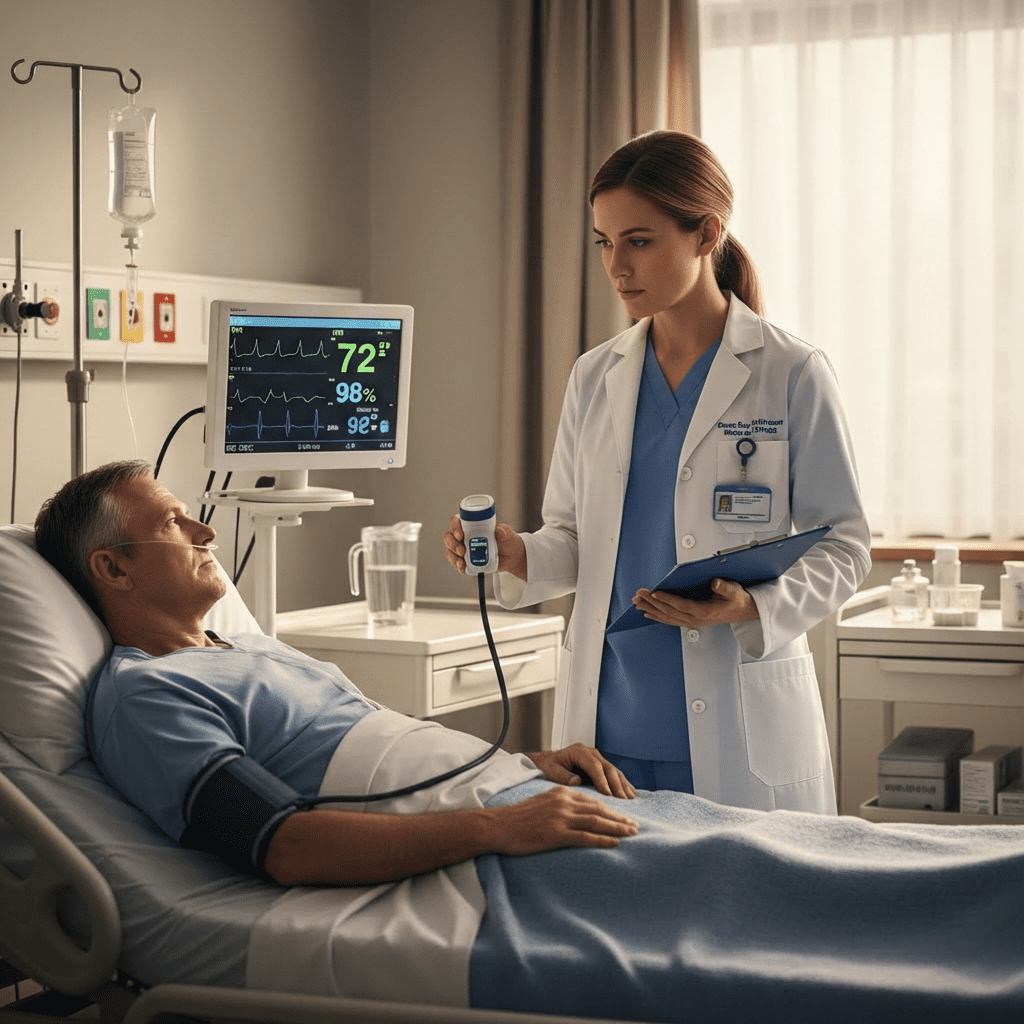
Recognizing deteriorating patients early is a critical nursing responsibility that directly saves lives. Every nurse and registered nurse (RN nurse) must be able to identify subtle changes in a patient’s condition before a medical emergency occurs. Because early deterioration often presents with mild or nonspecific signs, prompt recognition and intervention are essential. Therefore, this topic … Read more

Basic Oxygen Therapy Monitoring: A Nursing & NCLEX Guide

Basic oxygen therapy monitoring

Basic oxygen therapy monitoring is a fundamental nursing responsibility that directly impacts patient safety. Every nurse and registered nurse (RN nurse) must know how to administer oxygen correctly and, more importantly, how to monitor patients receiving oxygen therapy. Because oxygen is considered a medication, improper monitoring can lead to serious complications. Therefore, this topic is … Read more

Preventing Hospital-Acquired Infections: A Nursing & NCLEX Guide

Preventing hospital-acquired infections

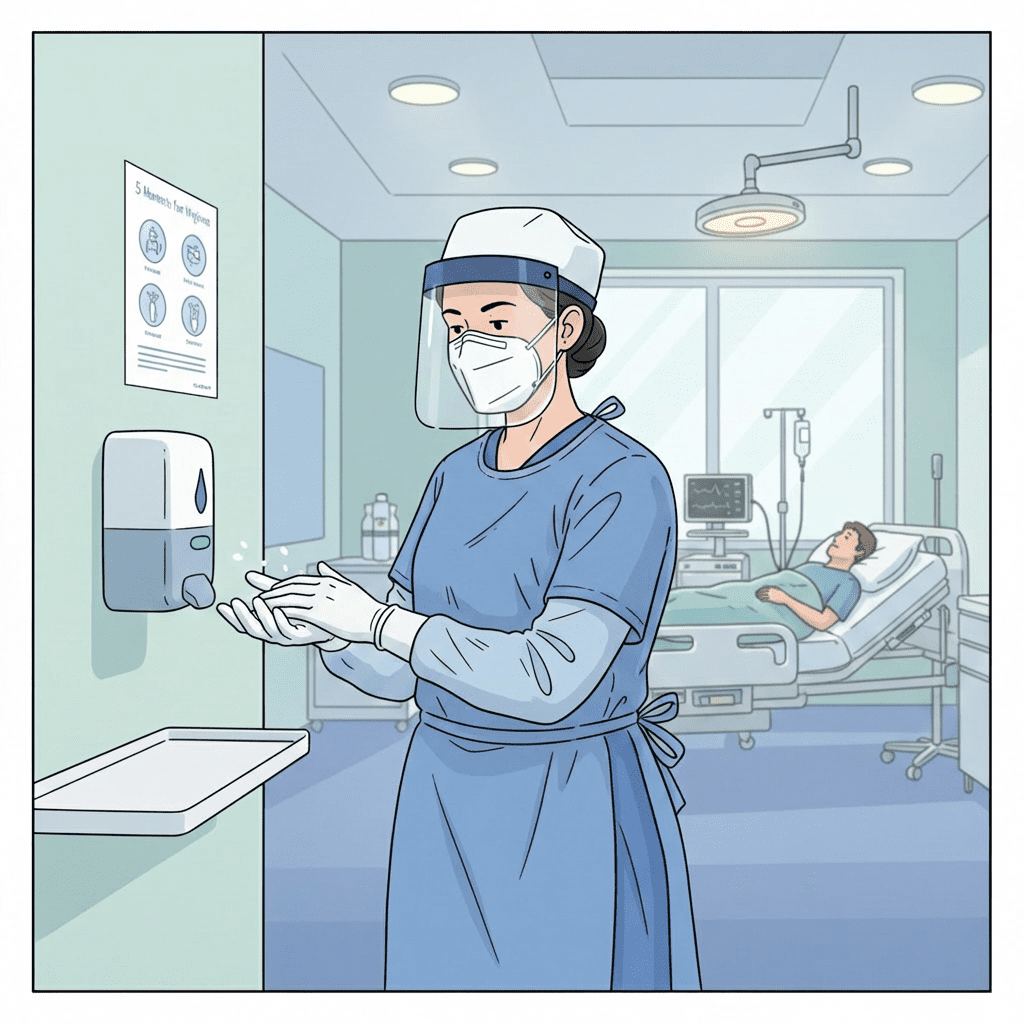
Preventing hospital-acquired infections (HAIs) is one of the most important responsibilities in nursing practice. Every nurse and registered nurse (RN nurse) plays a vital role in protecting patients from infections that develop during hospitalization. Because HAIs increase morbidity, length of stay, and healthcare costs, infection prevention is a major focus of nursing education and a … Read more

Preparing Patients for Discharge Teaching: A Nursing & NCLEX Guide

Discharge teaching in nursing

Preparing patients for discharge teaching is a core responsibility of every nurse and registered nurse (RN nurse). As healthcare settings continue to shorten hospital stays, effective discharge education becomes even more critical. Without proper teaching, patients are more likely to experience complications, medication errors, and readmissions. Therefore, discharge teaching is heavily emphasized in nursing education … Read more

Patient Identification and Medication Safety: A Nursing & NCLEX Guide

Patient identification and medication safety

Patient identification and medication safety are fundamental pillars of safe nursing practice. In modern clinical environments, every nurse and registered nurse (RN nurse) must correctly verify patient identity before administering medications, treatments, or procedures. When identification errors occur, the consequences can be serious and may include medication errors, adverse events, and patient harm. For this … Read more

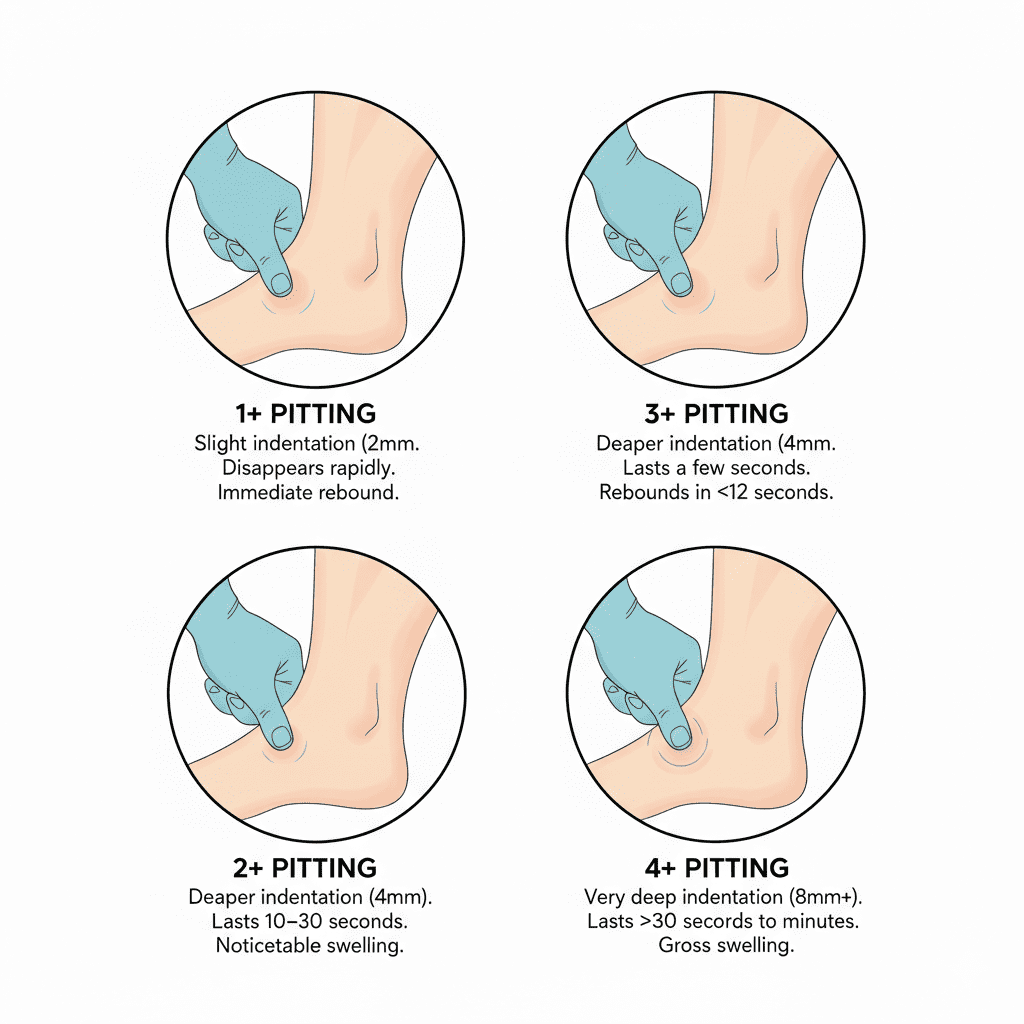
Measuring and Managing Edema: A Nursing Guide for NCLEX Success

Measuring and Managing Edema

Edema is a common clinical finding that every nurse and registered nurse (RN nurse) must be able to assess, measure, and manage safely. It frequently appears in patients with heart failure, kidney disease, liver disorders, trauma, pregnancy, and post-surgical conditions. Because of its importance in patient assessment, edema is heavily tested on the NCLEX, making … Read more

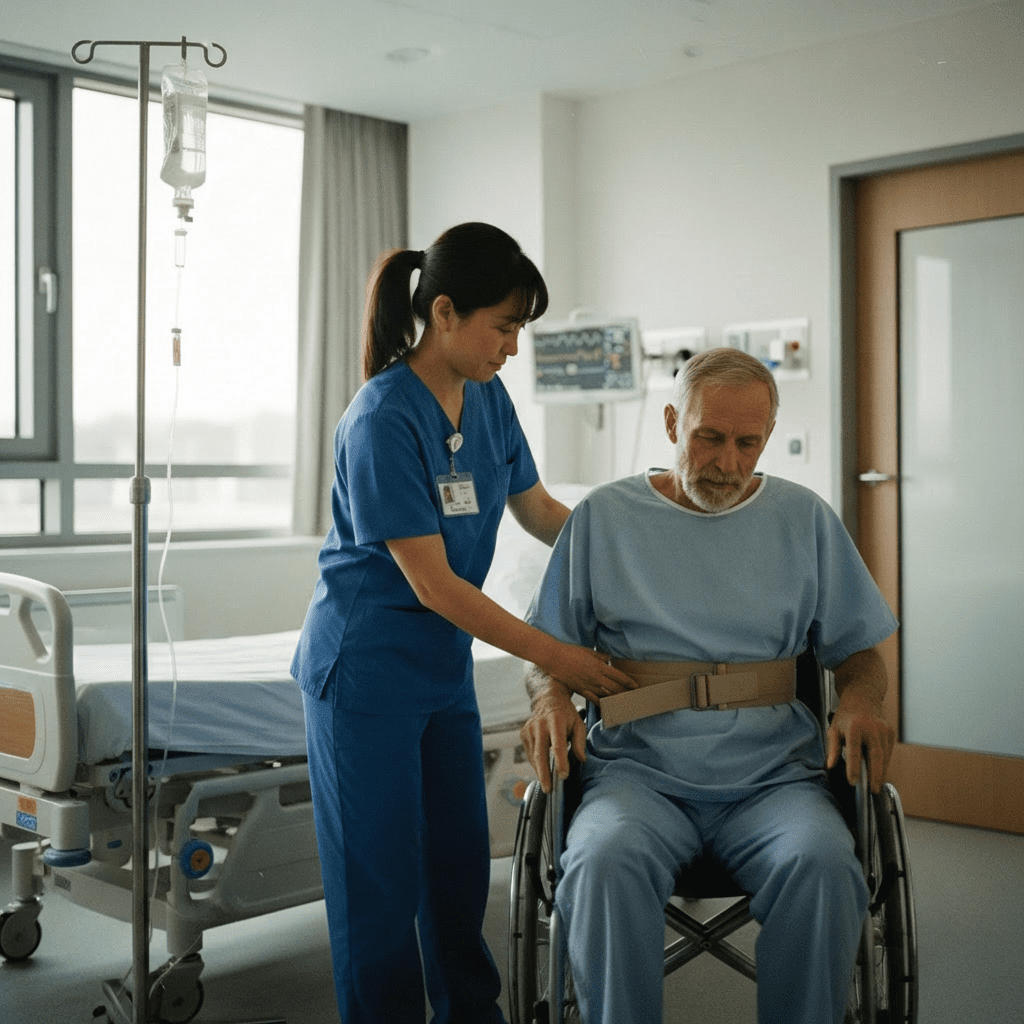
Safe Patient Transfers and Positioning: A Nursing Guide

Safe patient transfers and positioning

Safe patient transfers and positioning are core responsibilities for every nurse. These skills protect patients from injury while also preventing musculoskeletal strain in the registered nurse. For the NCLEX, questions about transfers, body mechanics, and positioning appear often because they directly affect patient safety and nursing practice. This guide reviews essential nursing principles, common transfer … Read more