ST Elevation vs Depression: What It Means for Nurses

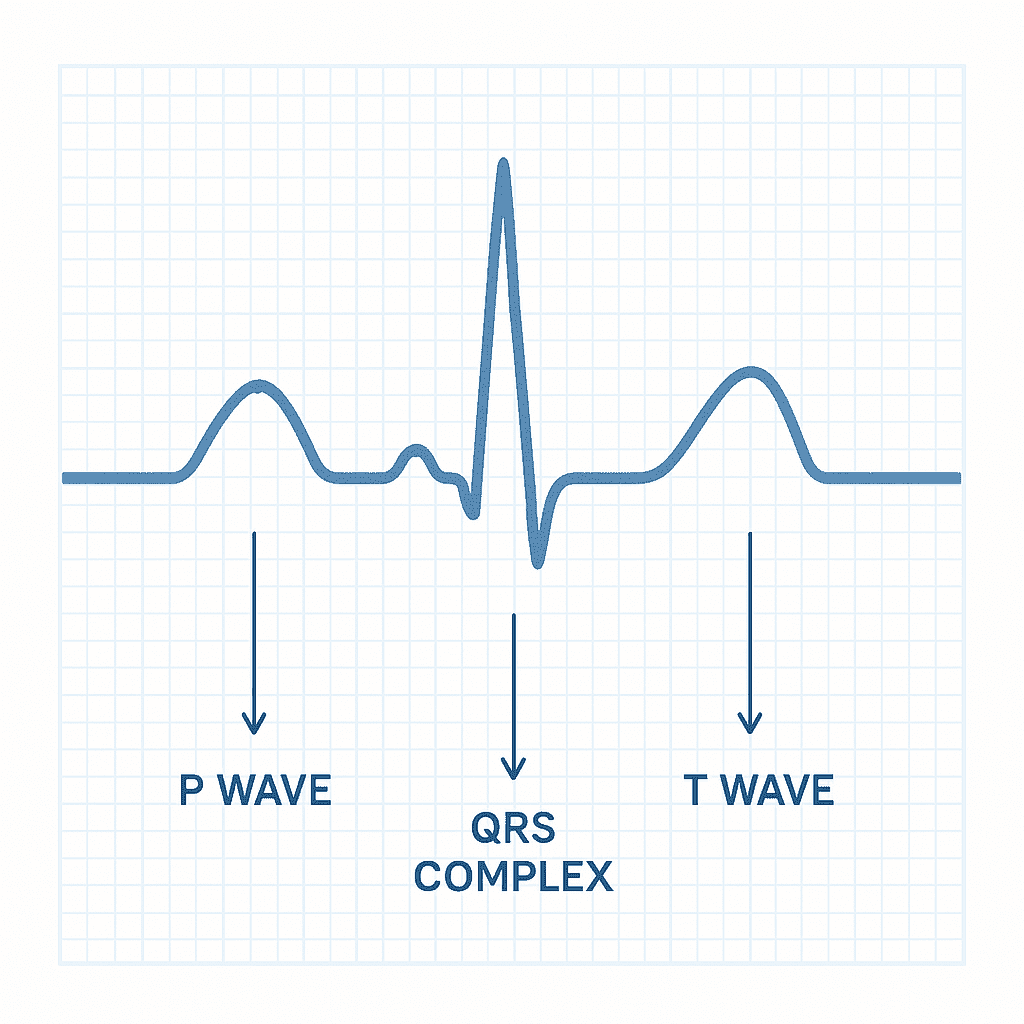
ST Elevation vs Depression

Electrocardiogram (EKG/ECG) interpretation is one of the most tested NCLEX topics. For a registered nurse (RN nurse), recognizing ST elevation vs ST depression can mean the difference between saving a life and missing a critical diagnosis. This guide breaks down the basics for nursing students, new graduates, and any nurse preparing for the NCLEX or … Read more
Artifact on EKG Strips: Causes and How Nurses Fix It

Artifact on EKG strips nursing

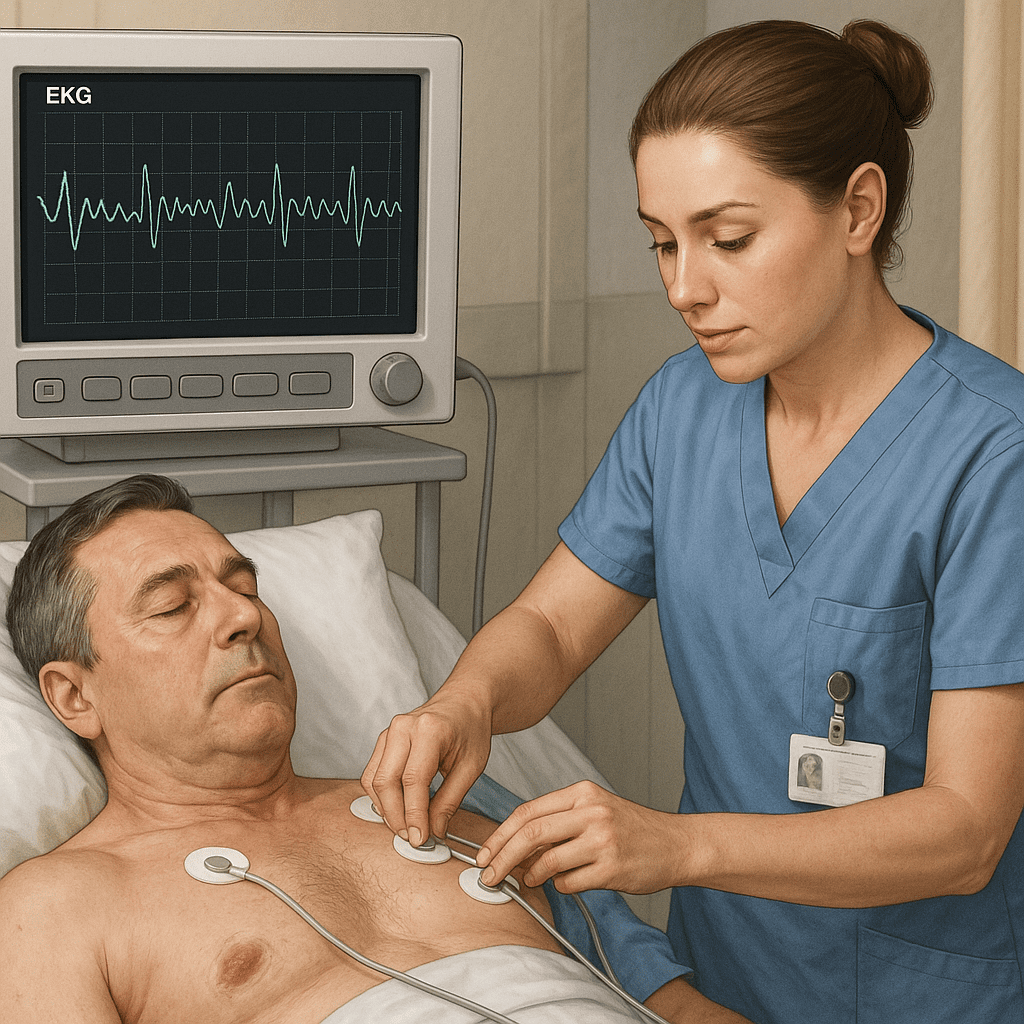
Electrocardiogram (EKG or ECG) interpretation is a critical skill for every RN nurse, registered nurse, and nursing student preparing for the NCLEX. While many EKG readings show real cardiac activity, sometimes unusual markings appear on the strip that are not caused by the patient’s heart. These are known as artifacts, and they can confuse both … Read more

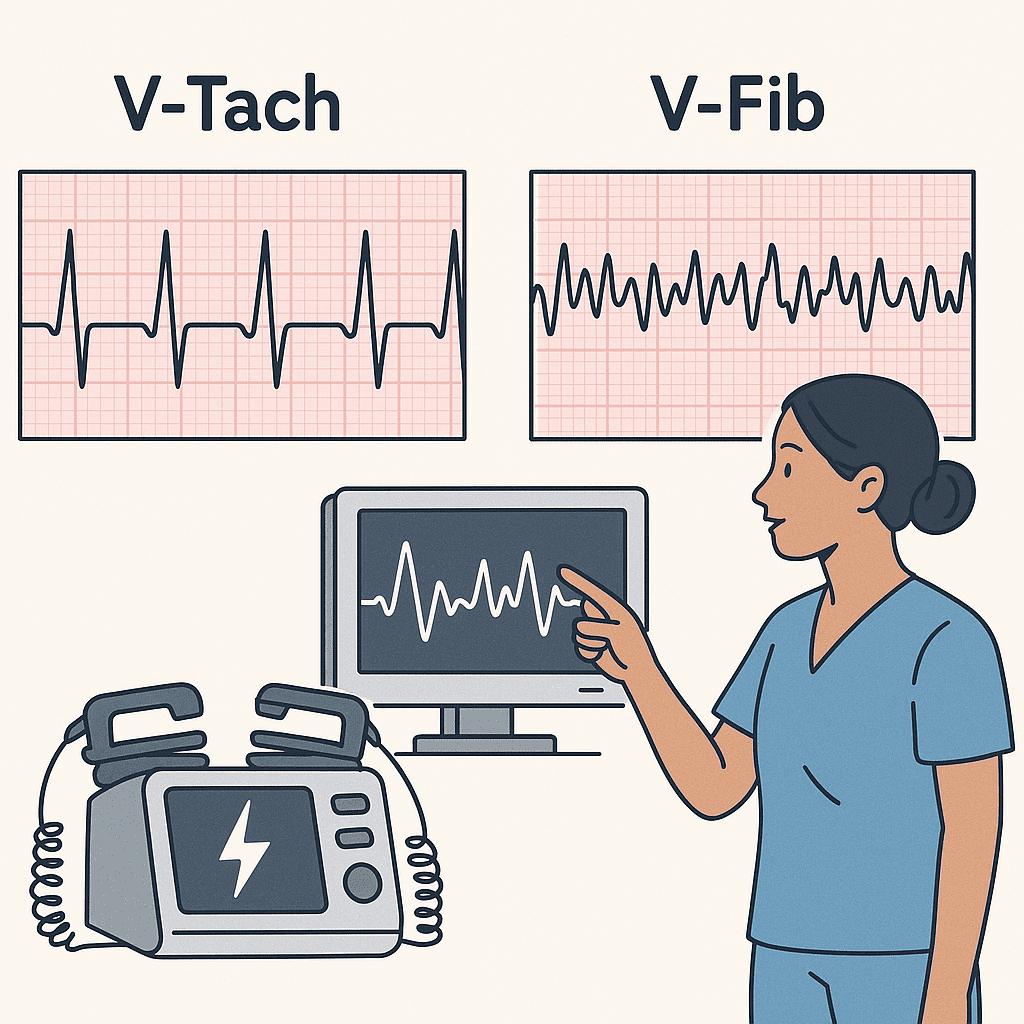
V-Tach vs V-Fib: How to Recognize and Respond

V-Tach vs V-Fib

V-Tach vs V-Fib: How to Recognize and Respond For every nurse, RN nurse, or nursing student preparing for the NCLEX, cardiac arrhythmias are a must-know. Among the most critical are ventricular tachycardia (V-Tach) and ventricular fibrillation (V-Fib). Both rhythms can be life-threatening; therefore, a quick and accurate response is essential in both clinical practice and … Read more

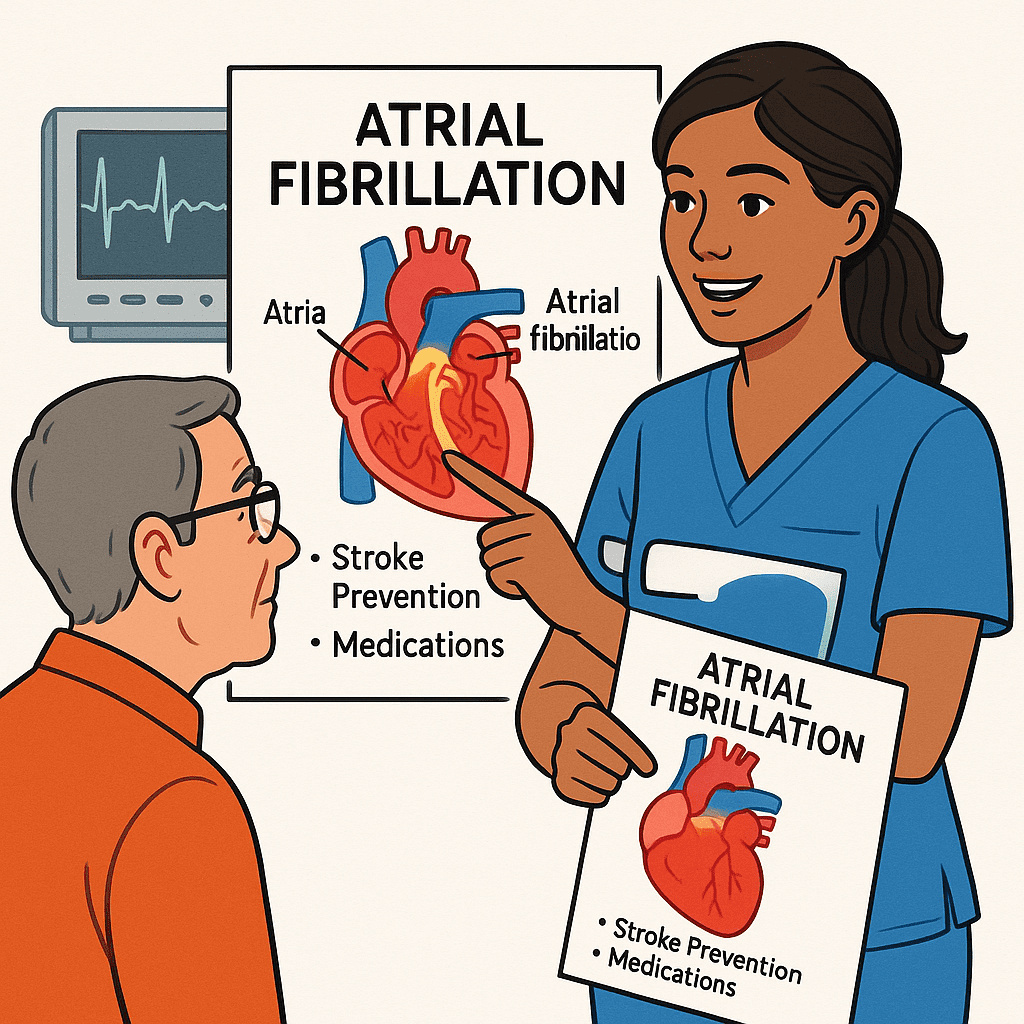
Atrial Fibrillation Nursing: Risks, Medications, and Interventions

Atrial fibrillation nursing

Atrial fibrillation (AFib) is one of the most common cardiac arrhythmias, and it’s a critical concept for every nurse and registered nurse (RN nurse) to understand—especially when preparing for the NCLEX. As AFib directly affects cardiac output and increases the risk of life-threatening complications, nursing students must master its assessment, medications, and interventions. This guide … Read more

Family Teaching Guides – Explaining Conditions to Parents in Simple Words

Family Teaching Guides for Nurses

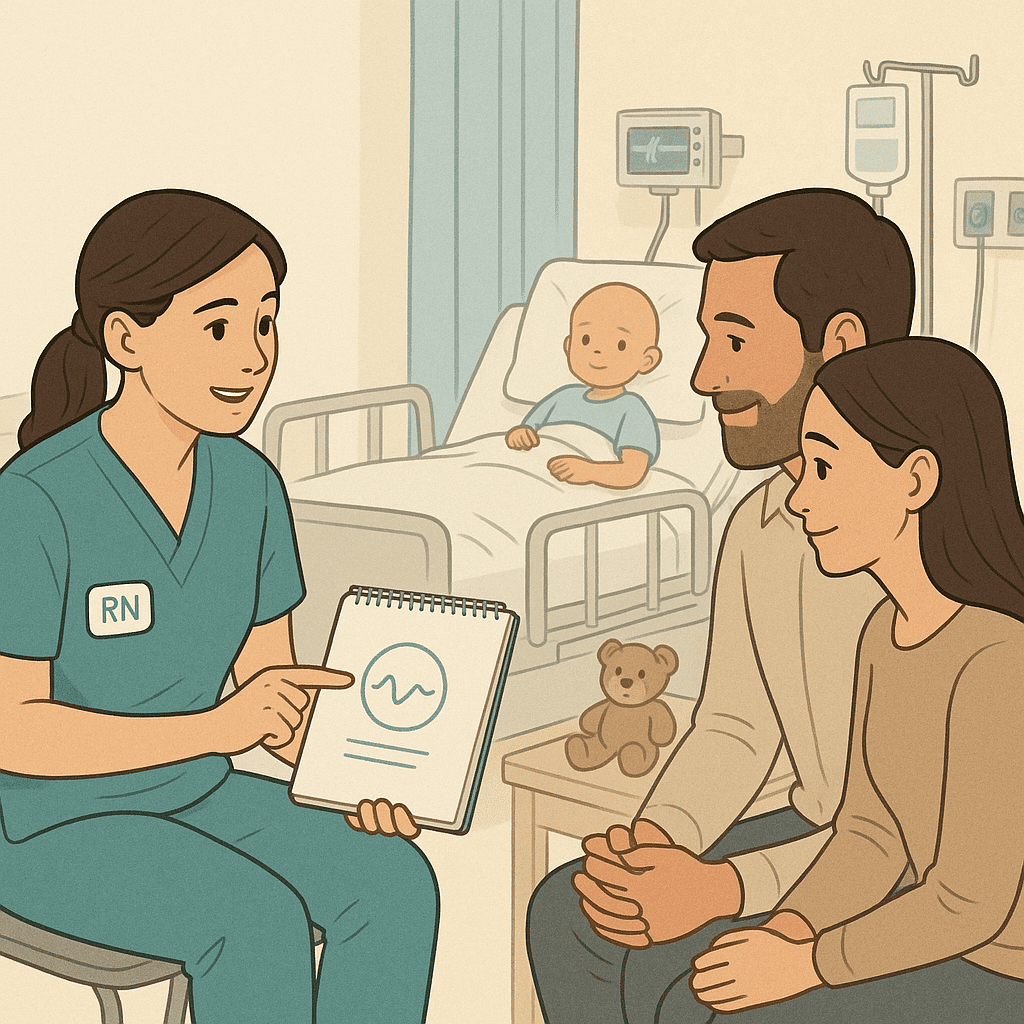
Effective nursing care is not just about treating patients; it’s also about guiding families through the health journey. Parents and caregivers often feel overwhelmed when their child or loved one is diagnosed with a condition. As an RN nurse or registered nurse, your ability to break down medical terms into simple, understandable language is essential … Read more

Pediatric Emergencies – Epiglottitis, Dehydration, Febrile Seizures

Pediatric Emergencies

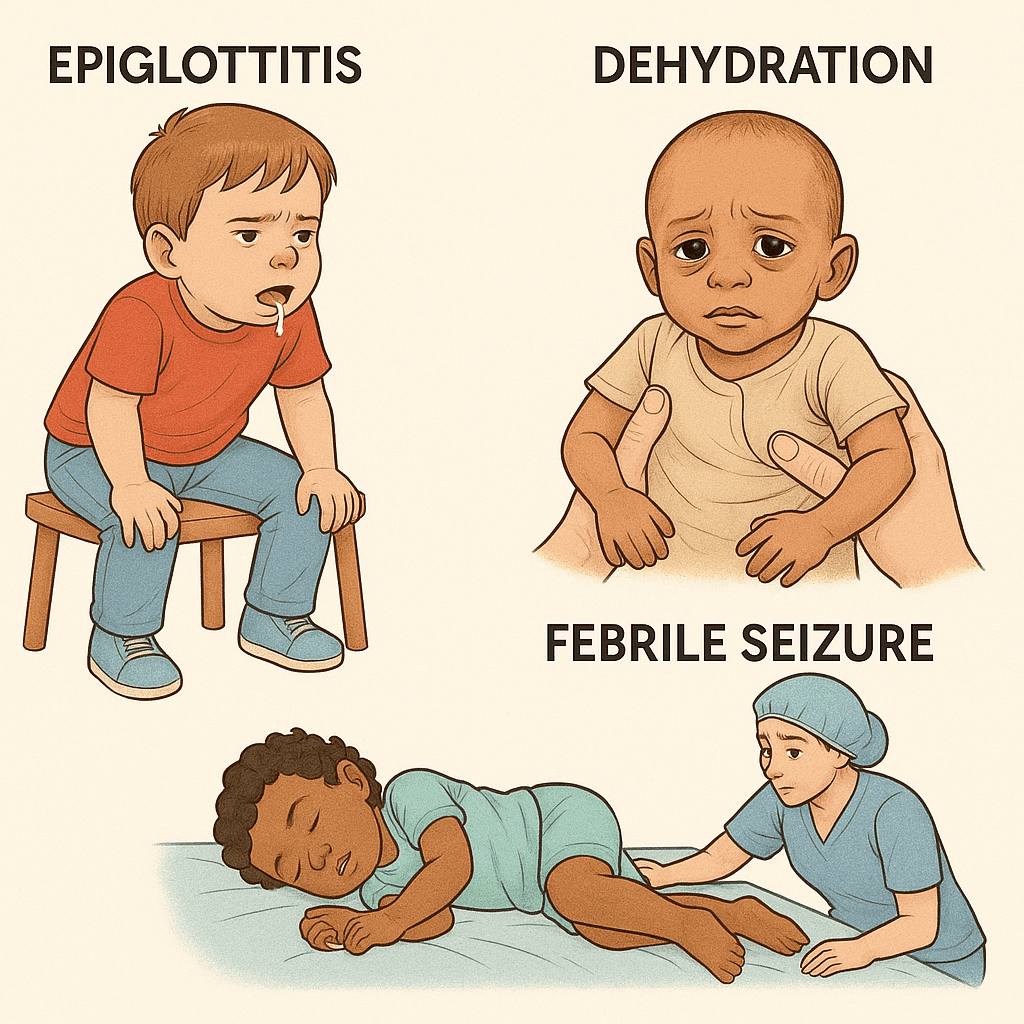
When it comes to pediatric nursing, emergencies can escalate quickly. For every registered nurse (RN nurse), identifying red flags early is crucial for saving lives and improving outcomes. On the NCLEX, questions about pediatric emergencies often test both knowledge and prioritization. This guide breaks down three high-yield topics—epiglottitis, dehydration, and febrile seizures—with simplified nursing priorities … Read more