Preterm Premature Rupture of Membranes (PPROM): Nursing Assessment and Management

PPROM nursing management

Preterm Premature Rupture of Membranes (PPROM) is a serious obstetric condition that occurs when the amniotic sac ruptures before 37 weeks of pregnancy and before the onset of labor. Because the protective membrane surrounding the fetus breaks early, both the mother and fetus are at increased risk for infection, preterm birth, and other complications. For … Read more

Magnesium Sulfate Toxicity Monitoring: A Nursing Safety Guide

Magnesium Sulfate Toxicity

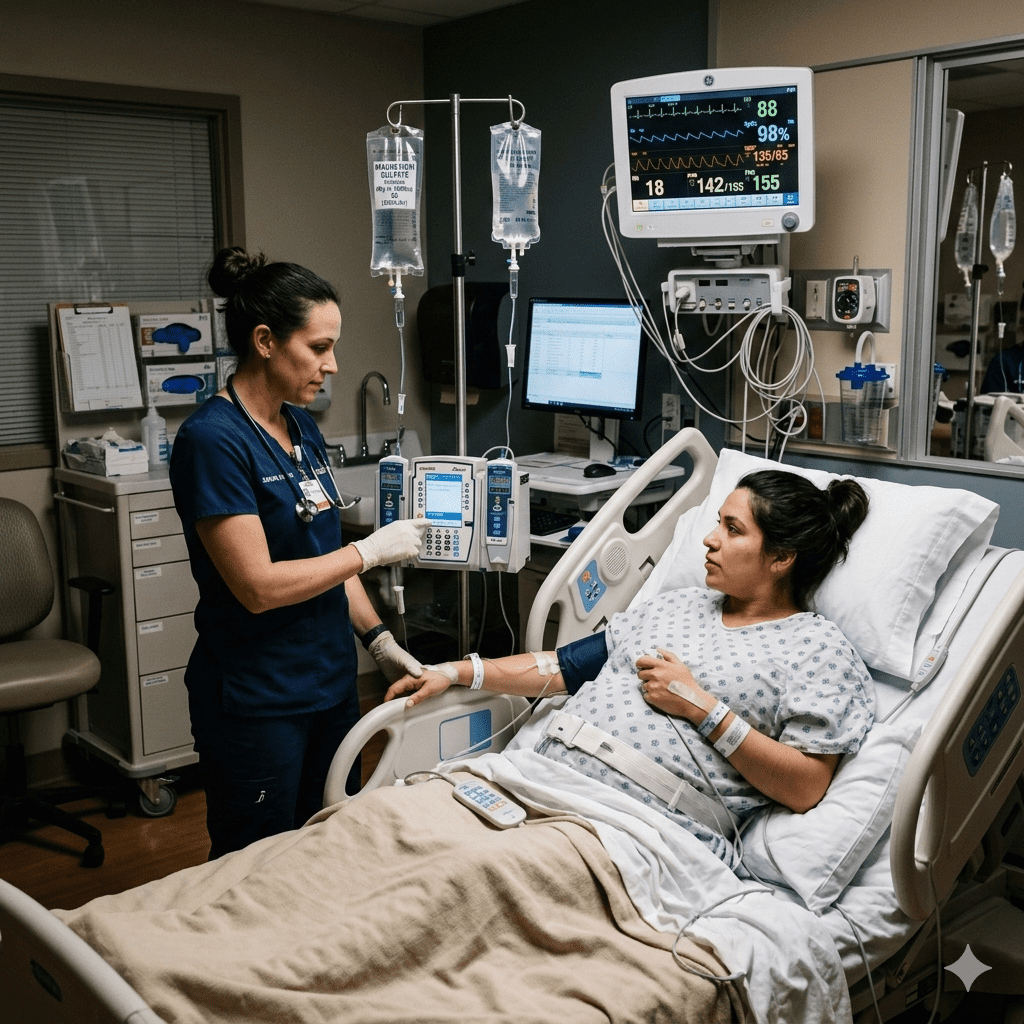
Magnesium sulfate is a commonly used medication in maternal and critical care nursing, especially for the treatment and prevention of seizures in patients with severe preeclampsia and eclampsia. While highly effective, magnesium sulfate has a narrow therapeutic range, meaning that careful monitoring is essential to prevent toxicity. For every registered nurse, understanding how to recognize … Read more

Amniotic Fluid Embolism Recognition: A Critical Guide for Nurses

Amniotic Fluid Embolism

Amniotic fluid embolism (AFE) is a rare but life-threatening obstetric emergency that requires rapid recognition and immediate intervention. Although uncommon, it can lead to sudden cardiovascular collapse, respiratory failure, and severe bleeding. Because these events occur quickly, the registered nurse plays a crucial role in early recognition and emergency response. For NCLEX preparation, amniotic fluid … Read more

Shoulder Dystocia: Emergency Nursing Actions

Shoulder Dystocia Emergency

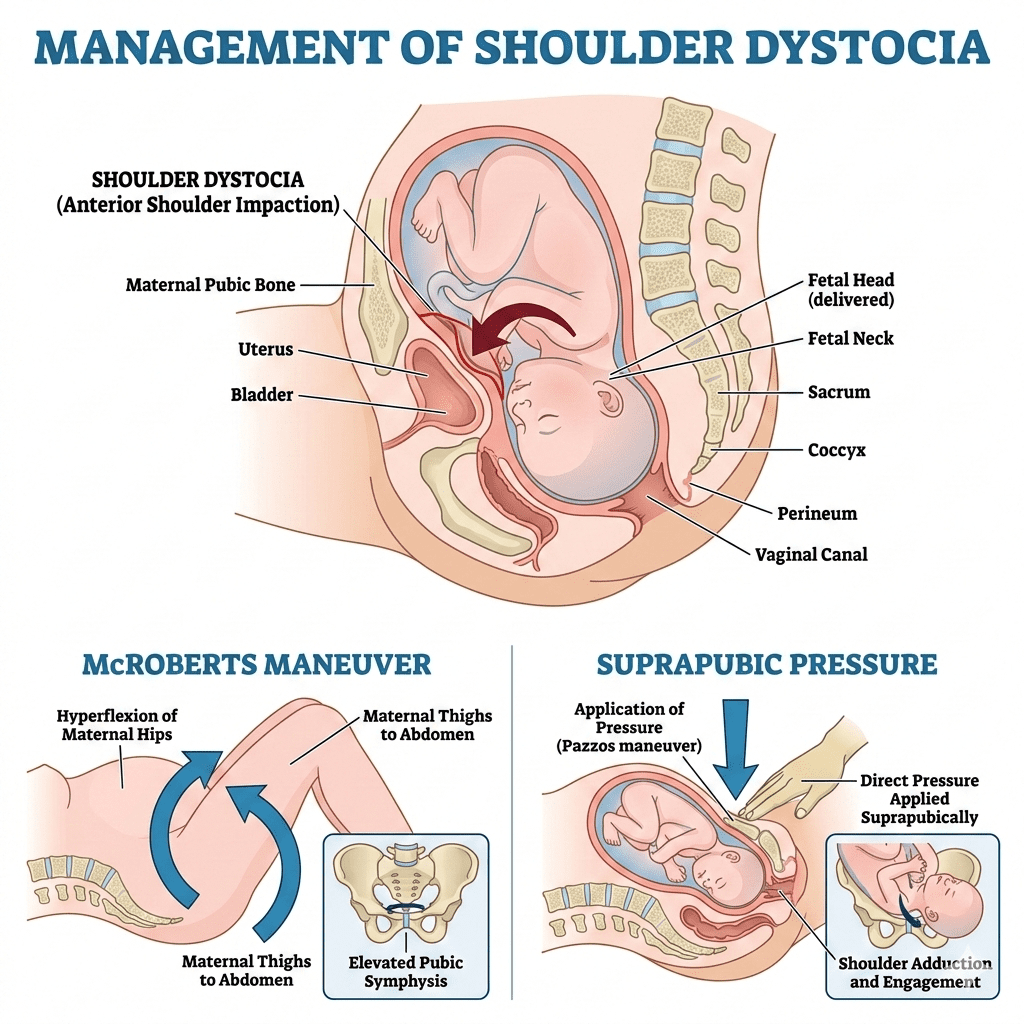
Shoulder dystocia is a serious obstetric emergency that occurs during vaginal delivery when the baby’s shoulders become lodged behind the mother’s pelvic bone after the head has been delivered. This situation requires rapid recognition and immediate intervention to prevent injury to both the mother and newborn. For a registered nurse working in labor and delivery, … Read more

Fetal Heart Rate Variability: A Deep Analysis for Nurses

Fetal Heart Rate Variability

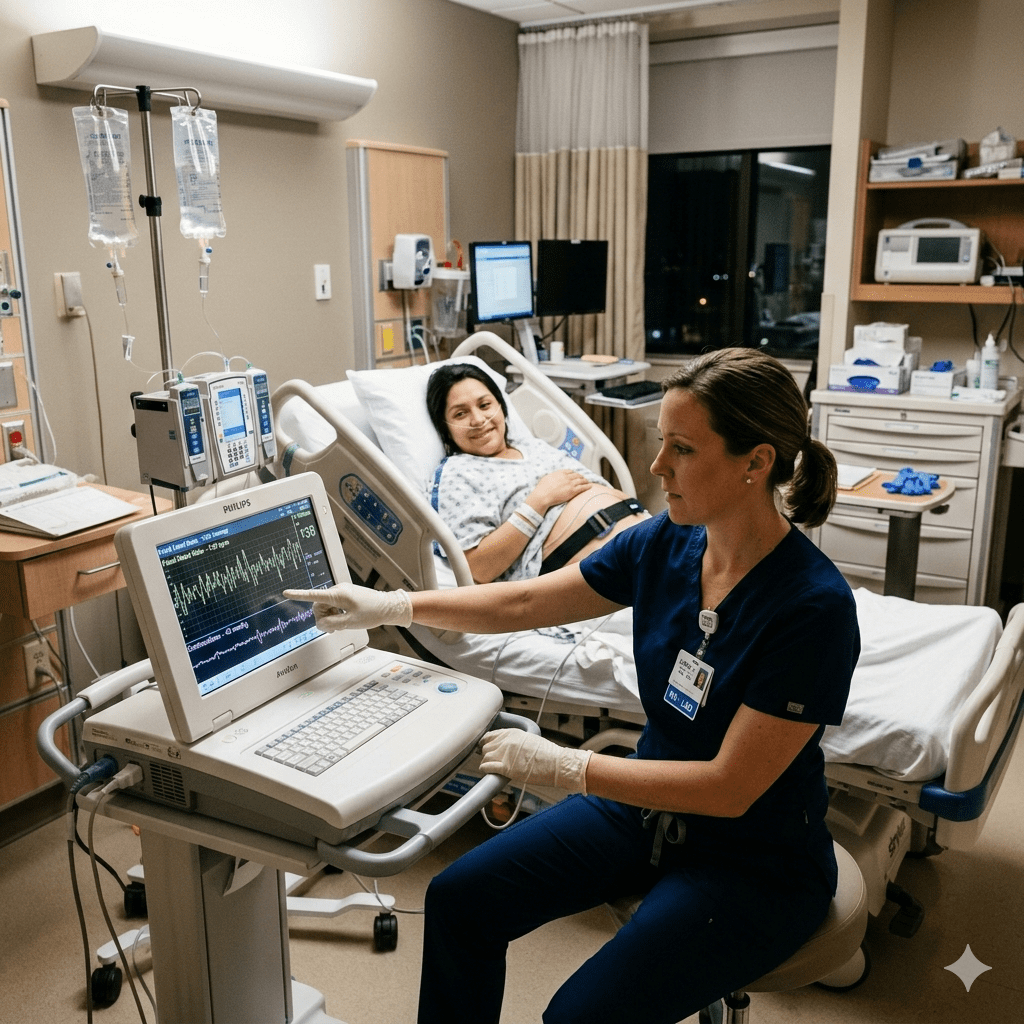
Fetal heart rate (FHR) monitoring is a cornerstone of intrapartum nursing care. Among the most important elements of fetal monitoring is fetal heart rate variability, which reflects the balance between the fetal sympathetic and parasympathetic nervous systems. Understanding variability allows a registered nurse to assess fetal well-being and recognize early signs of distress during labor. … Read more

Umbilical Cord Blood Gas Interpretation: A Nursing Guide for Newborn Assessment

Umbilical cord blood gas interpretation

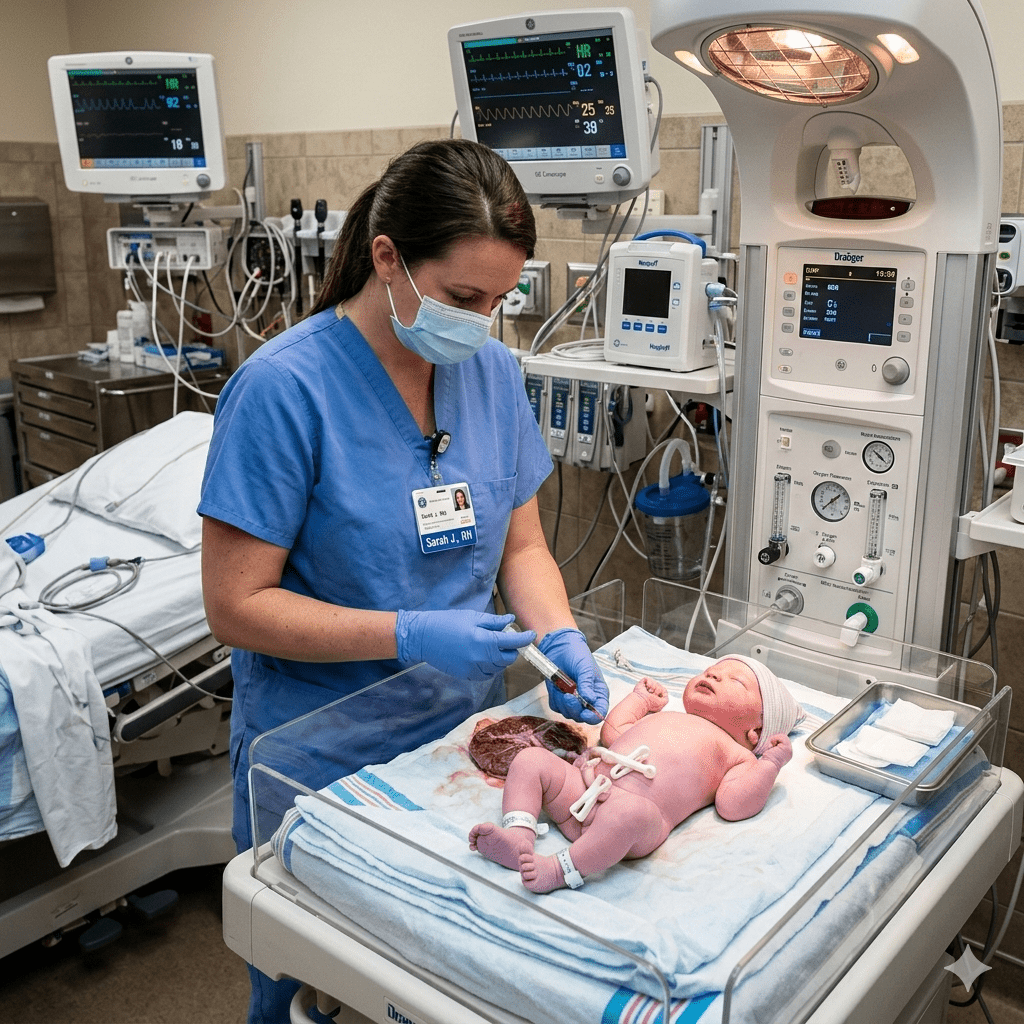
Umbilical cord blood gas analysis is an important diagnostic tool used immediately after birth to evaluate a newborn’s oxygenation, ventilation, and acid–base status. Understanding how to interpret these values is essential for every registered nurse, especially those working in labor and delivery, neonatal intensive care units (NICU), and maternal-child health settings. For NCLEX preparation, umbilical … Read more

HELLP Syndrome Pathophysiology and Emergency Nursing Care

HELLP Syndrome Pathophysiology

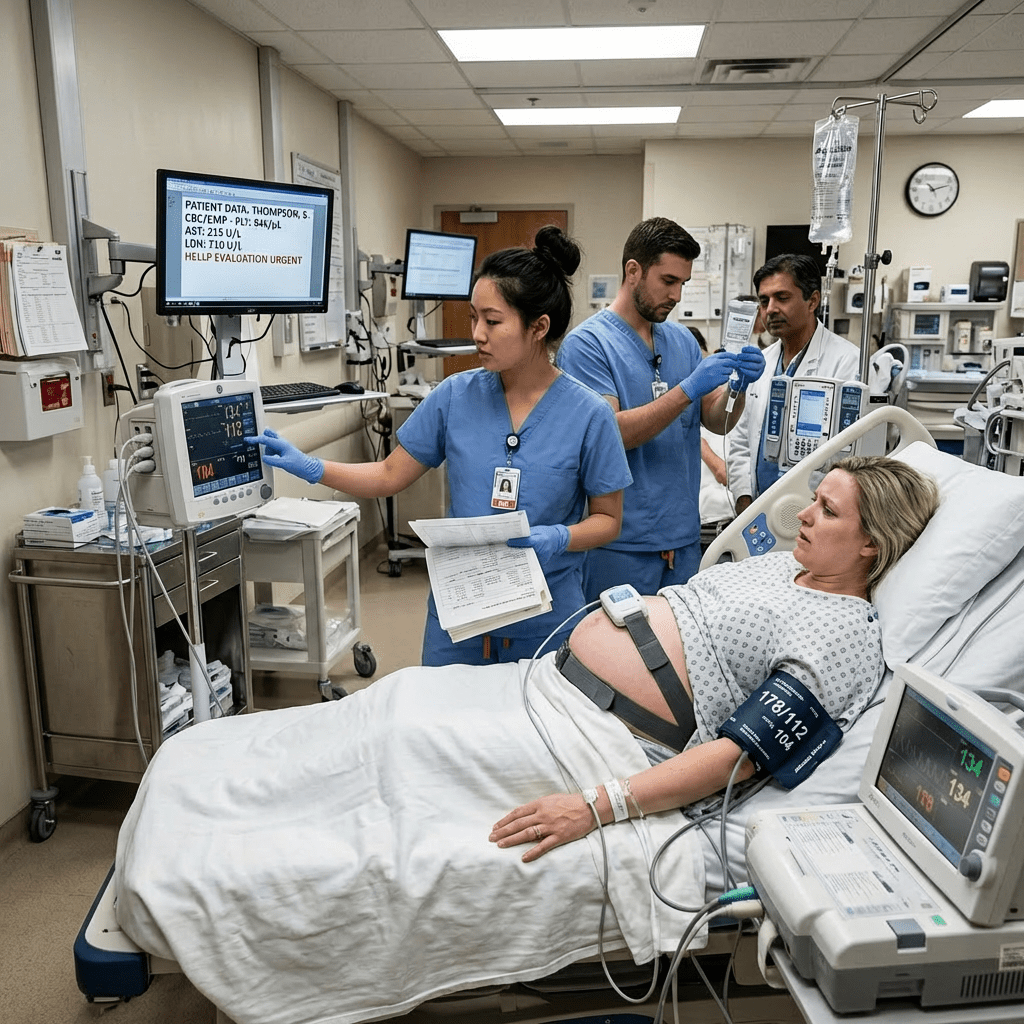
HELLP syndrome is a severe and life-threatening complication of pregnancy that requires immediate medical attention. The condition is considered a variant of severe preeclampsia and can rapidly progress to serious maternal and fetal complications. For every nurse and registered nurse (RN nurse) working in obstetric, emergency, or critical care settings, recognizing HELLP syndrome early is … Read more

Postoperative Pulmonary Complications Prevention: A Nursing Guide

Postoperative Pulmonary Complications

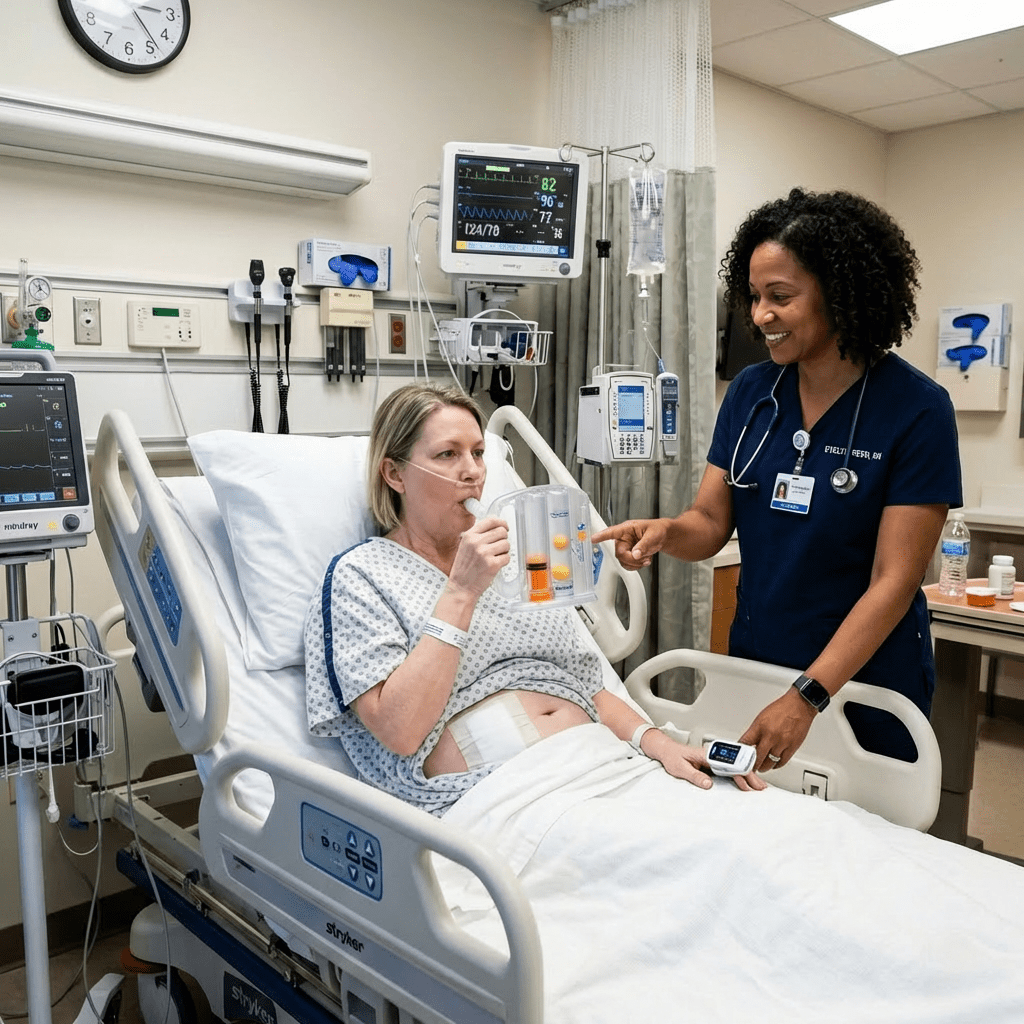
Postoperative pulmonary complications (PPCs) are among the most common and serious complications following surgery. These complications can increase hospital stays, raise healthcare costs, and significantly affect patient recovery. For every nurse and registered nurse (RN nurse) involved in postoperative care, preventing respiratory complications is a critical responsibility. For nursing students preparing for the NCLEX, understanding … Read more

Thyroid Storm vs Myxedema Coma: Nursing Recognition and Management

Thyroid Storm vs Myxedema Coma

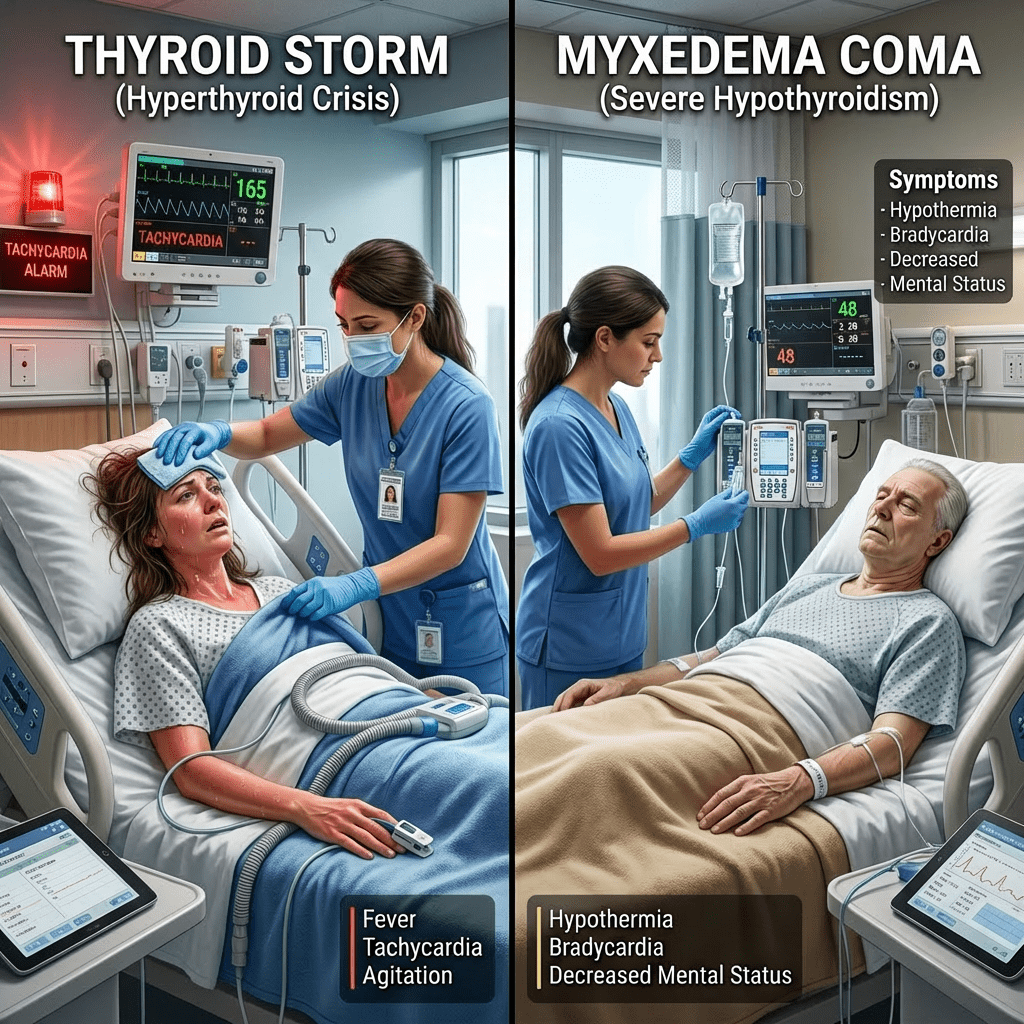
Thyroid emergencies are among the most dangerous endocrine conditions encountered in clinical practice. Two of the most critical are thyroid storm and myxedema coma, which represent opposite extremes of thyroid hormone imbalance. Thyroid storm occurs when thyroid hormone levels become dangerously high, while myxedema coma results from severe hypothyroidism. For every nurse, especially those preparing … Read more

GI Varices and Portal Hypertension Nursing Management

GI Varices and Portal Hypertension

Gastrointestinal (GI) varices are a life-threatening complication of portal hypertension, a condition most commonly associated with advanced liver disease such as cirrhosis. When pressure in the portal venous system rises, blood is redirected through smaller collateral veins in the esophagus, stomach, and intestines. These fragile veins enlarge and form varices, which can rupture and cause … Read more