
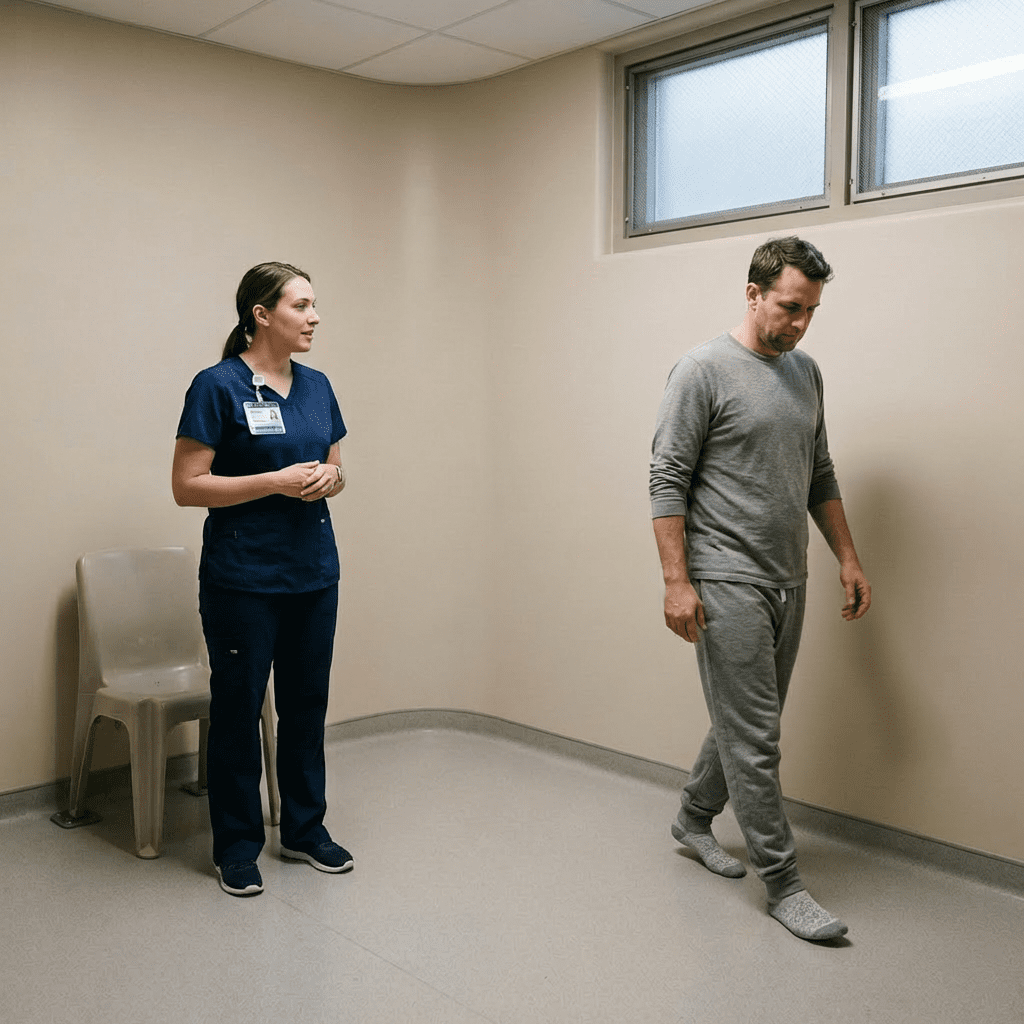
Acute mania is a psychiatric emergency that requires structured, calm, and strategic care. For every nurse and registered nurse (RN nurse) working in inpatient psychiatry, understanding how to manage manic episodes safely is essential.
Mania management is frequently tested on the NCLEX, especially in mental health and psychopharmacology sections of a comprehensive nursing bundle.
:highlight
Whether you are a nursing student preparing for the NCLEX or an experienced RN nurse in a psychiatric unit, this guide will simplify what you need to know.
What Is Acute Mania?
Acute mania is a severe episode of bipolar disorder characterized by:
- Elevated or irritable mood
- Decreased need for sleep
- Rapid, pressured speech
- Grandiosity
- Impulsivity
- Poor judgment
- Increased goal-directed activity
In inpatient nursing settings, mania can escalate quickly and become dangerous.
Why Acute Mania Requires Inpatient Care
Hospitalization is often necessary when patients:
- Pose a danger to themselves
- Engage in risky behavior
- Are severely sleep-deprived
- Show psychotic symptoms
- Cannot care for themselves
For the registered nurse, early recognition prevents harm.
Nursing Priorities in Acute Mania
1️⃣ Ensure Safety First
Safety is always the top priority in psychiatric nursing.
- Remove harmful objects
- Monitor for impulsive behavior
- Set clear behavioral limits
- Maintain close observation
Manic patients may act without thinking, increasing injury risk.
2️⃣ Reduce Environmental Stimulation
Patients with mania are easily overstimulated.
Nursing Interventions:
- Provide a quiet room
- Limit group activities initially
- Reduce noise and bright lights
- Offer simple, short instructions
On the NCLEX, questions often focus on reducing stimuli rather than confrontation.
3️⃣ Promote Rest and Sleep
Sleep deprivation worsens mania.
RN Nurse Strategies:
- Establish structured bedtime routines
- Administer prescribed medications
- Limit caffeine
- Encourage relaxation techniques
Even a few hours of rest can significantly improve symptoms.
4️⃣ Provide Clear, Simple Communication
Manic patients may have:
- Flight of ideas
- Distractibility
- Pressured speech
Communication Tips for Nurses:
- Use short, direct sentences
- Repeat instructions if needed
- Avoid lengthy explanations
- Stay calm and firm
This structured approach is commonly tested on the NCLEX.
Medication Management in Acute Mania
Medication is central to inpatient treatment.
Mood Stabilizers
- Lithium
- Valproate
Antipsychotics
- Haloperidol
- Risperidone
- Olanzapine
Benzodiazepines
- Lorazepam (for agitation)
For the registered nurse, monitoring side effects is critical. Lithium levels, liver function, and sedation levels must be assessed regularly.
Medication monitoring is a core section of most psychiatric nursing bundle resources.
Setting Limits Without Power Struggles
Manic patients may:
- Interrupt others
- Invade personal space
- Demand special privileges
The RN nurse should:
- Set consistent limits
- Avoid arguing
- Reinforce unit rules calmly
- Redirect behavior respectfully
Consistency among the nursing team is key.
Nutrition and Hydration Monitoring
Patients in mania often forget to eat.
Nursing Actions:
- Offer high-calorie finger foods
- Provide fluids regularly
- Monitor weight
- Assess hydration status
Simple meals that require minimal focus are best.
Managing Psychosis in Mania
Some patients experience:
- Delusions
- Hallucinations
- Severe agitation
The nurse should:
- Avoid validating delusions
- Avoid direct confrontation
- Focus on reality-based statements
- Administer prescribed antipsychotics
Psychosis combined with mania increases risk of harm.
De-escalation Techniques
If agitation escalates:
- Use calm tone
- Maintain non-threatening posture
- Offer PRN medication
- Ensure backup support
Physical restraints are last-resort interventions and follow strict facility policies.
This ethical consideration is frequently included in NCLEX scenarios.
NCLEX Practice Question
A patient with acute mania is pacing rapidly and speaking loudly. What is the nurse’s best response?
A. “Please calm down immediately.”
B. “Let’s go to a quiet room to talk.”
C. “You are disturbing others.”
D. Ignore the behavior.
Correct Answer: B
Reducing environmental stimulation is the priority.
Key Takeaways for Nurses and RN Nurses
For every registered nurse:
- Safety is the first priority
- Reduce environmental stimulation
- Promote sleep and rest
- Provide clear, simple communication
- Monitor medication effects closely
- Maintain consistent limit-setting
Managing acute mania requires structure, patience, and clinical judgment. Mastering these interventions strengthens your psychiatric nursing skills and improves your performance on the NCLEX.