
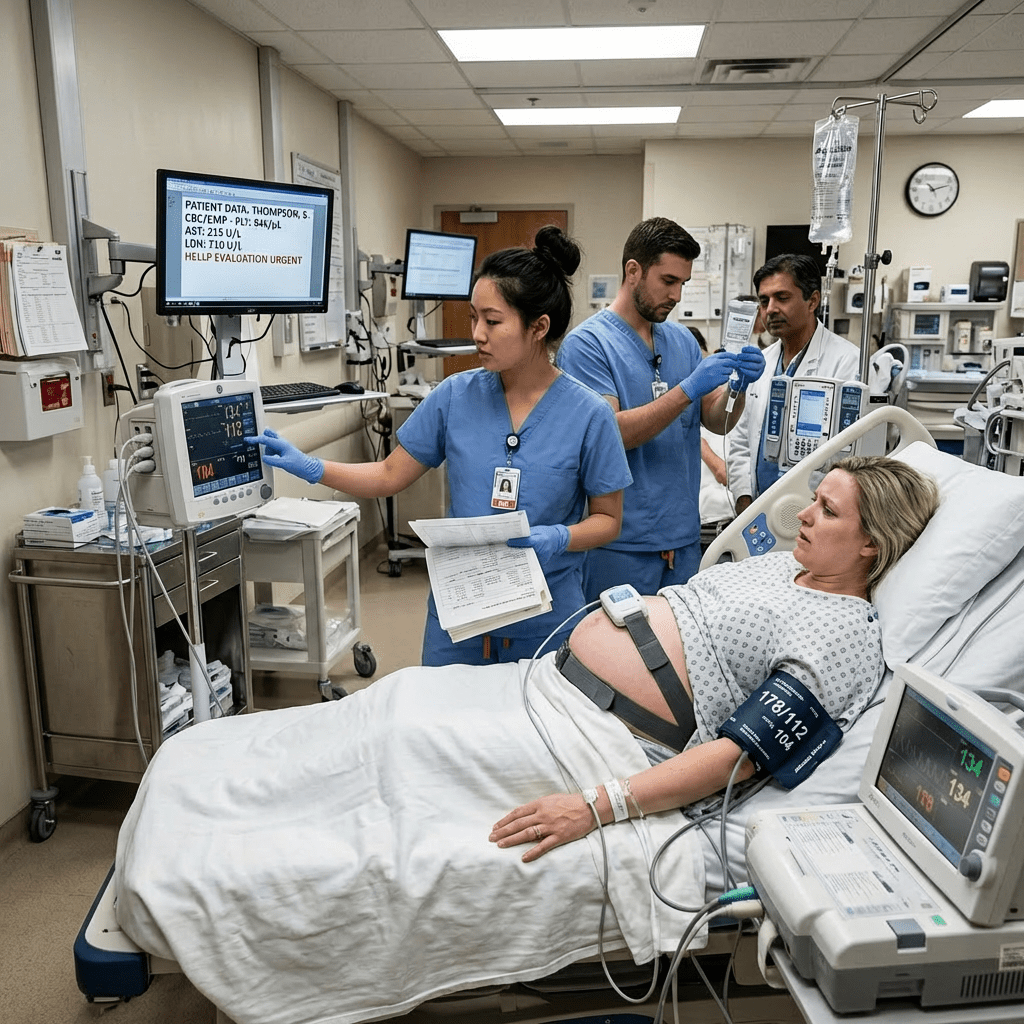
HELLP syndrome is a severe and life-threatening complication of pregnancy that requires immediate medical attention. The condition is considered a variant of severe preeclampsia and can rapidly progress to serious maternal and fetal complications. For every nurse and registered nurse (RN nurse) working in obstetric, emergency, or critical care settings, recognizing HELLP syndrome early is essential.
For nursing students preparing for the NCLEX, HELLP syndrome is an important topic because it combines knowledge from maternal health, pathophysiology, and emergency nursing care. Many nursing bundle study guides emphasize this condition due to its high risk and frequent appearance in NCLEX-style clinical scenarios.
Prompt recognition and effective nursing interventions can significantly improve outcomes for both the mother and the baby.
What Is HELLP Syndrome?
HELLP syndrome is an acronym that describes the main clinical features of the disorder:
H – Hemolysis
EL – Elevated Liver enzymes
LP – Low Platelet count
This condition typically develops during the third trimester of pregnancy, although it may also occur shortly after delivery.
HELLP syndrome affects the liver, blood cells, and clotting system, making it a medical emergency that requires rapid diagnosis and treatment. A skilled registered nurse must be able to recognize the warning signs and initiate emergency care.
Pathophysiology of HELLP Syndrome
The exact cause of HELLP syndrome is not fully understood, but it is believed to involve endothelial damage, abnormal blood vessel function, and systemic inflammation.
Hemolysis
Hemolysis occurs when red blood cells are destroyed as they pass through damaged blood vessels. This leads to:
- Anemia
- Fatigue
- Decreased oxygen delivery to tissues
A RN nurse should monitor laboratory values such as hemoglobin and hematocrit to detect hemolysis.
Elevated Liver Enzymes
Damage to the liver occurs due to reduced blood flow and microvascular injury. This causes liver cells to release enzymes into the bloodstream.
Common lab findings include elevated:
- AST
- ALT
- LDH
Patients may experience right upper quadrant abdominal pain, a key symptom that nurses should never ignore.
Low Platelet Count
Platelets are essential for blood clotting. In HELLP syndrome, platelet levels drop significantly due to increased destruction and consumption.
Low platelet levels increase the risk of:
- Severe bleeding
- Disseminated intravascular coagulation (DIC)
Monitoring platelet counts is a critical responsibility for every registered nurse caring for high-risk obstetric patients.
Risk Factors for HELLP Syndrome
Certain pregnant individuals have a higher risk of developing HELLP syndrome.
Risk factors include:
- Preeclampsia
- Previous history of HELLP syndrome
- Maternal age over 35
- Multiple pregnancies
- Chronic hypertension
Recognizing these risk factors allows nurses to closely monitor high-risk patients and detect complications early.
Signs and Symptoms
HELLP syndrome symptoms can appear suddenly and may resemble other conditions.
Common symptoms include:
- Severe headache
- Nausea and vomiting
- Right upper abdominal pain
- Fatigue
- Swelling (edema)
- High blood pressure
- Visual disturbances
Because symptoms may initially appear mild, early recognition by a RN nurse is extremely important.
Diagnostic Evaluation
Healthcare providers diagnose HELLP syndrome using laboratory tests and clinical findings.
Important laboratory tests include:
- Complete blood count (CBC)
- Liver enzyme tests (AST and ALT)
- Platelet count
- Lactate dehydrogenase (LDH)
- Peripheral blood smear
Typical findings include hemolysis, elevated liver enzymes, and thrombocytopenia.
Understanding these diagnostic indicators is an important concept for NCLEX nursing exams.
Complications of HELLP Syndrome
Without rapid treatment, HELLP syndrome can lead to severe complications.
Possible complications include:
- Liver rupture
- Placental abruption
- Kidney failure
- Pulmonary edema
- Stroke
- Disseminated intravascular coagulation (DIC)
Both maternal and fetal outcomes depend on early recognition and prompt medical intervention.
A knowledgeable registered nurse plays a key role in identifying these complications.
Emergency Nursing Assessment
Immediate assessment is essential when HELLP syndrome is suspected.
Important nursing assessments include:
- Monitoring blood pressure
- Assessing abdominal pain
- Evaluating neurological status
- Monitoring fetal heart rate
- Checking laboratory results
Frequent assessment allows the RN nurse to detect rapid deterioration and alert the healthcare team.
Emergency Nursing Interventions
HELLP syndrome requires urgent treatment to stabilize the patient and protect the fetus.
Blood Pressure Control
Antihypertensive medications may be administered to reduce dangerously high blood pressure.
The nurse must monitor blood pressure frequently and watch for signs of worsening hypertension.
Seizure Prevention
Magnesium sulfate is commonly used to prevent seizures associated with severe preeclampsia.
A registered nurse must monitor for signs of magnesium toxicity, including:
- Respiratory depression
- Decreased reflexes
- Low urine output
This topic often appears in NCLEX obstetric nursing questions.
Fluid and Hemodynamic Monitoring
Close monitoring of fluid balance is essential.
Nurses should assess:
- Urine output
- Intake and output
- Signs of pulmonary edema
Maintaining adequate circulation helps prevent organ damage.
Preparation for Delivery
Delivery of the baby is often the definitive treatment for HELLP syndrome.
The healthcare team may decide to perform:
- Induction of labor
- Emergency cesarean section
The RN nurse must prepare the patient for possible rapid delivery and provide emotional support.
Patient Education and Support
Pregnancy complications can be frightening for patients and families.
Nurses should provide:
- Clear explanations about the condition
- Emotional reassurance
- Education about postpartum monitoring
Supportive communication is an important part of professional nursing care.
NCLEX Tips for Nurses
When studying for the NCLEX, remember the key components of HELLP syndrome:
H – Hemolysis
EL – Elevated Liver Enzymes
LP – Low Platelets
Common NCLEX clues include:
- Pregnant patient with right upper quadrant pain
- Elevated liver enzymes
- Decreased platelet count
- Symptoms of severe preeclampsia
Many nursing bundle study materials highlight HELLP syndrome as a critical obstetric emergency nurses must recognize quickly.
Conclusion
HELLP syndrome is a serious obstetric complication that requires rapid recognition and intervention. Early detection by a skilled registered nurse can prevent life-threatening complications for both the mother and the fetus.
Understanding the pathophysiology, symptoms, diagnostic findings, and emergency nursing interventions is essential for every nurse and RN nurse working in maternal or emergency care.
For NCLEX preparation, mastering this topic strengthens clinical reasoning and prepares nursing students to respond confidently to obstetric emergencies. Comprehensive study tools such as a nursing bundle and regular NCLEX practice questions can help nurses build confidence in managing complex maternal health conditions.