Magnesium’s Role in Cardiac Electrical Stability
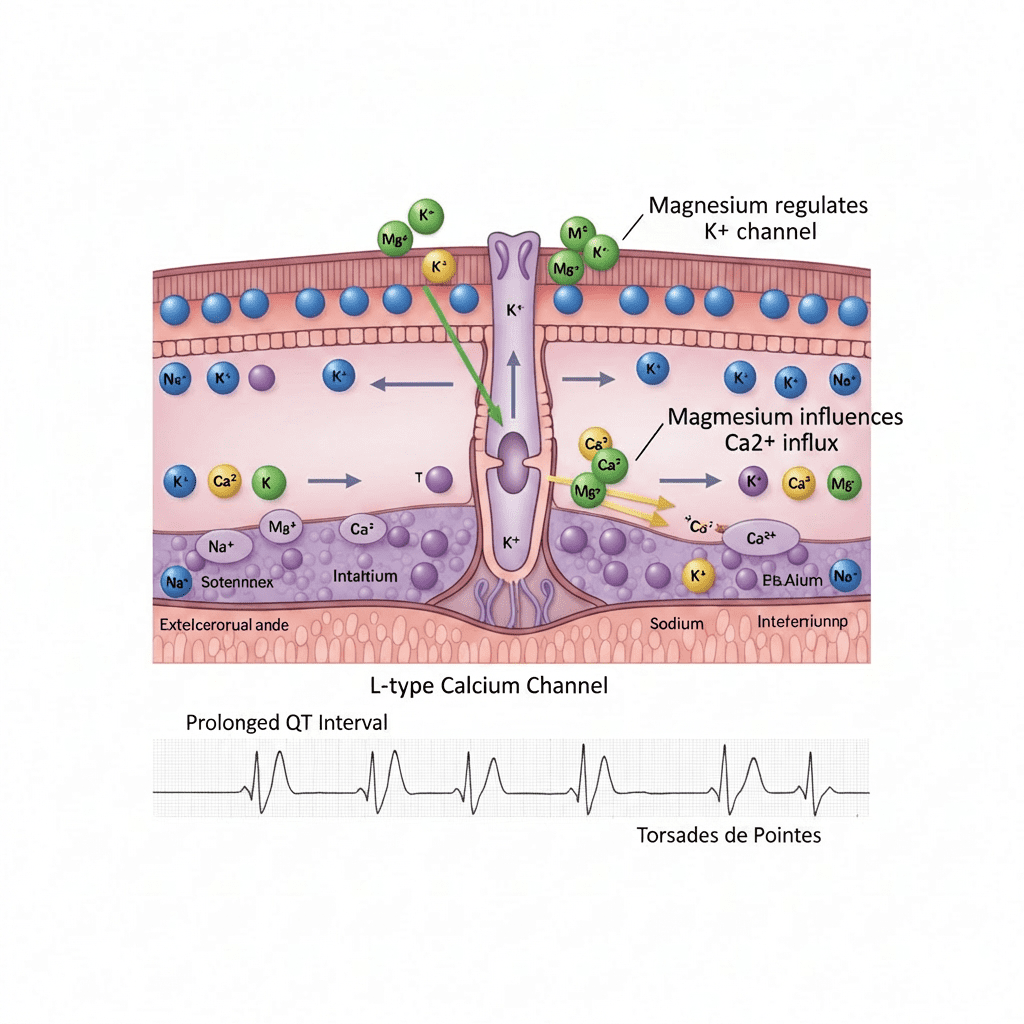
Magnesium’s Role in Cardiac Electrical

Magnesium is often overlooked compared to potassium and calcium, yet it plays a critical role in maintaining cardiac electrical stability. For every nurse, especially the ICU registered nurse (RN nurse), understanding magnesium’s impact on the heart is essential for preventing life-threatening arrhythmias. Because electrolyte imbalances and ECG interpretation are heavily tested on the NCLEX, mastering … Read more
Potassium Shifts in Acid-Base Disorders (Deep Explanation)

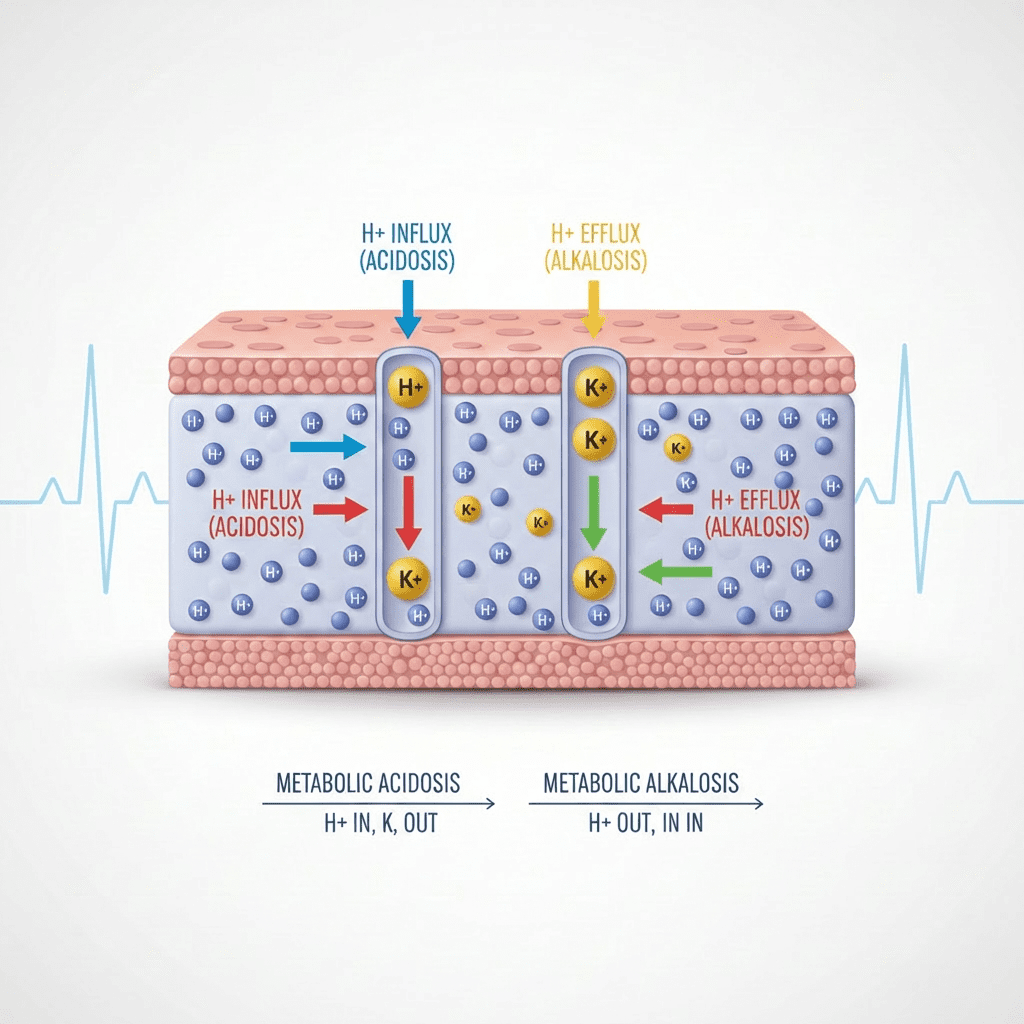
Potassium Shifts in Acid-Base

Potassium imbalances are among the most dangerous electrolyte disturbances encountered in clinical practice. For every nurse, especially the ICU registered nurse (RN nurse), understanding why potassium shifts during acid-base disorders is critical for preventing cardiac complications. Because potassium and acid-base balance are heavily tested on the NCLEX, mastering these mechanisms strengthens both exam readiness and … Read more

Cellular Mechanisms Behind Sodium Imbalances

Cellular Mechanisms Behind Sodium Imbalances

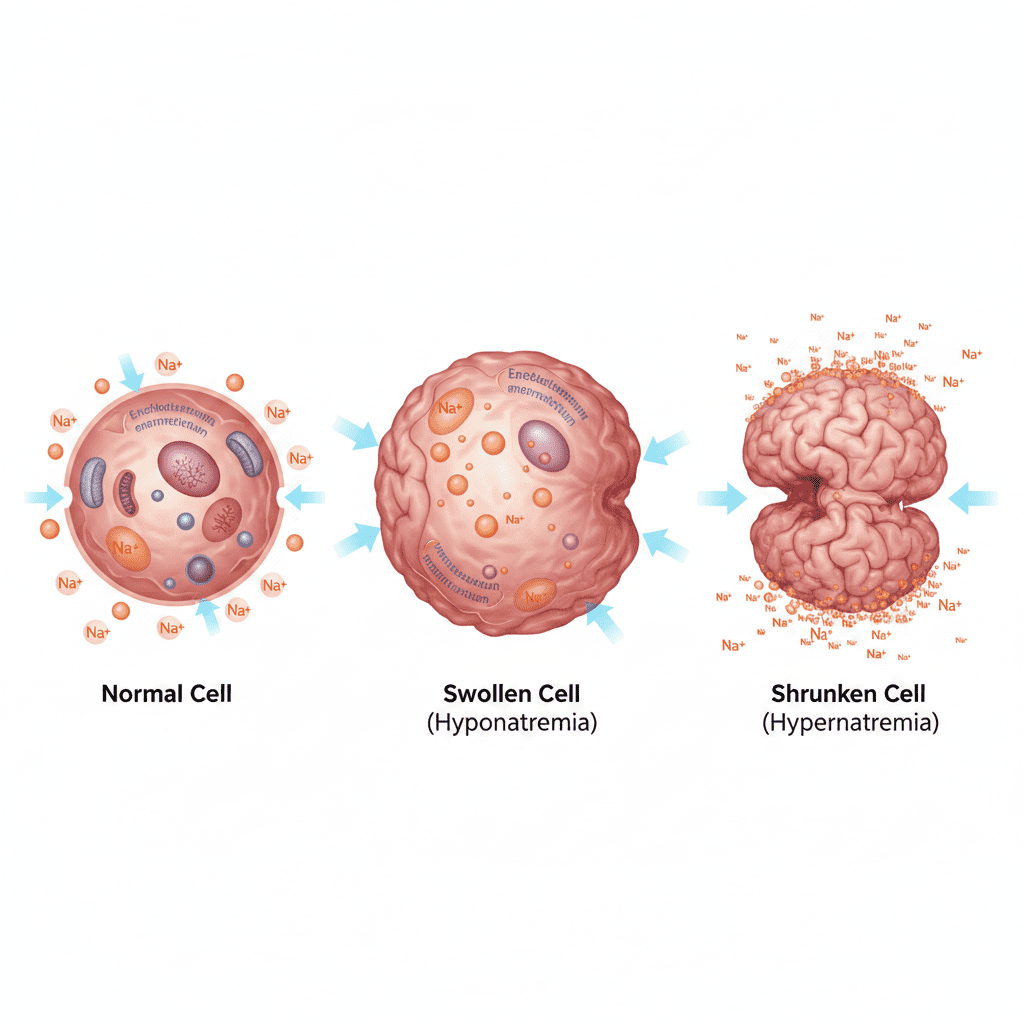
Sodium imbalances are among the most common electrolyte disorders encountered in clinical practice. For every nurse, especially the registered nurse (RN nurse) working in acute care, understanding the cellular mechanisms behind sodium shifts is essential for safe patient management. Because hyponatremia and hypernatremia are heavily tested on the NCLEX, mastering the underlying physiology strengthens both … Read more

Recognizing and Managing ICU Delirium Using CAM-ICU

Recognizing and Managing ICU Delirium

ICU delirium is a common yet often underrecognized complication in critically ill patients. For every nurse, especially the ICU registered nurse (RN nurse), early recognition and management of delirium are essential to improving outcomes. Because cognitive changes, neurological assessment, and prioritization are heavily tested on the NCLEX, understanding the Confusion Assessment Method for the ICU … Read more

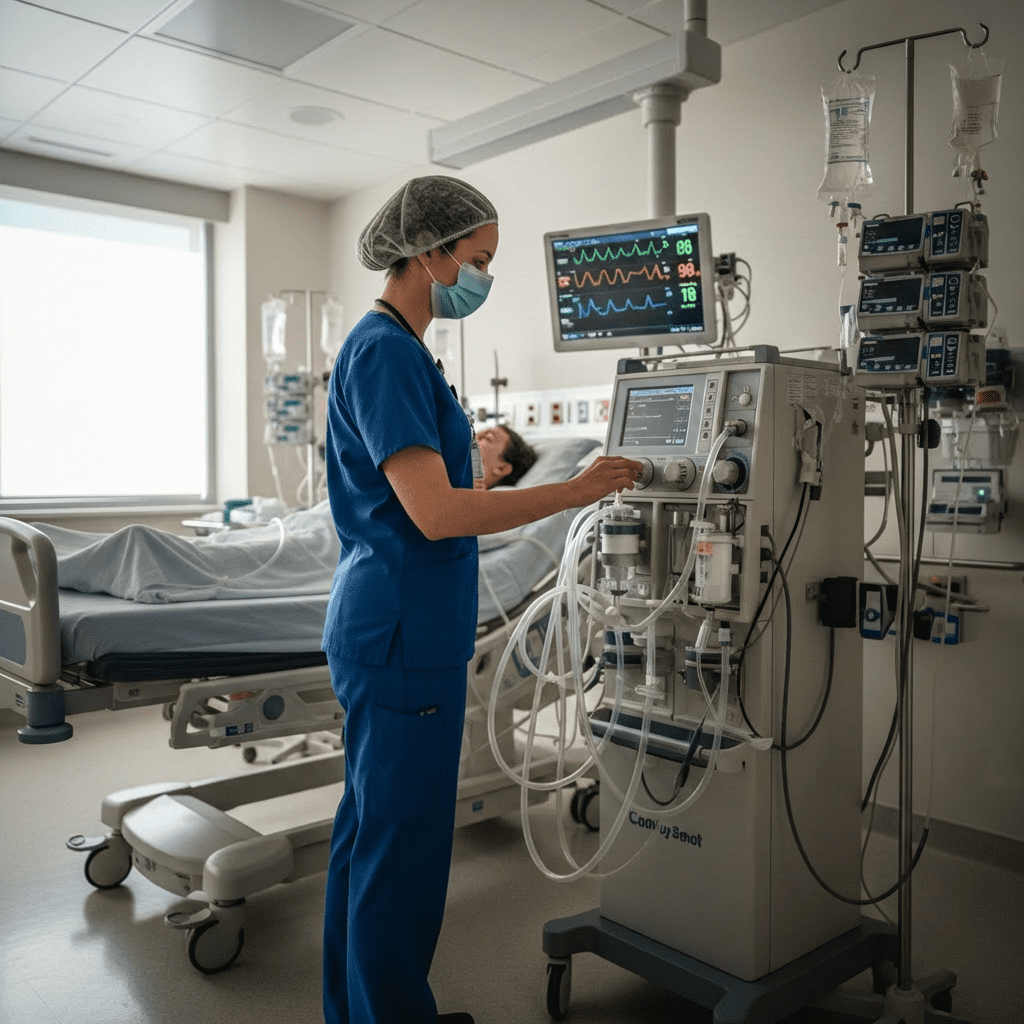
Continuous Renal Replacement Therapy (CRRT) Nursing Monitoring

Continuous Renal Replacement Therapy

Continuous Renal Replacement Therapy (CRRT) is a life-saving intervention used in critically ill patients with acute kidney injury (AKI) who are hemodynamically unstable. For every nurse, especially the ICU registered nurse (RN nurse), understanding CRRT monitoring is essential for patient safety and optimal outcomes. Because fluid balance, electrolyte management, and renal failure are heavily tested … Read more

Massive Transfusion Protocol (MTP) and Coagulopathy Management

Massive Transfusion Protocol

Massive hemorrhage is a life-threatening emergency requiring rapid, coordinated intervention. For every nurse, especially the critical care registered nurse (RN nurse), understanding the Massive Transfusion Protocol (MTP) is essential for saving lives. Because hemorrhage management and shock are high-yield topics on the NCLEX, mastering MTP and coagulopathy management strengthens both exam preparation and real-world nursing … Read more

Intracranial Pressure Waveforms and Neuro ICU Monitoring

Intracranial Pressure Waveforms

Intracranial pressure (ICP) monitoring is a cornerstone of Neuro ICU care. For every nurse, especially the critical care registered nurse (RN nurse), understanding ICP waveforms is essential for early detection of neurological deterioration. Because neuro assessment and increased ICP management are frequently tested on the NCLEX, mastering waveform interpretation strengthens both clinical judgment and exam … Read more

Septic Shock Bundle: 1-Hour Protocol Breakdown for Nurses

Septic Shock 1-Hour Bundle

Septic shock is a life-threatening emergency that requires immediate recognition and rapid intervention. For every nurse, especially the ICU registered nurse (RN nurse), understanding the 1-hour septic shock bundle is critical to improving survival outcomes. Because sepsis management is heavily tested on the NCLEX, mastering this protocol is essential for both exam success and safe … Read more

Targeted Temperature Management After Cardiac Arrest

Targeted Temperature Management

Targeted Temperature Management (TTM) is a critical post–cardiac arrest intervention that significantly impacts neurological outcomes and survival. For every nurse, especially the ICU registered nurse (RN nurse), understanding TTM is essential for delivering evidence-based nursing care. Because post–cardiac arrest management is heavily tested on the NCLEX, mastering TTM concepts is vital both for exam success … Read more

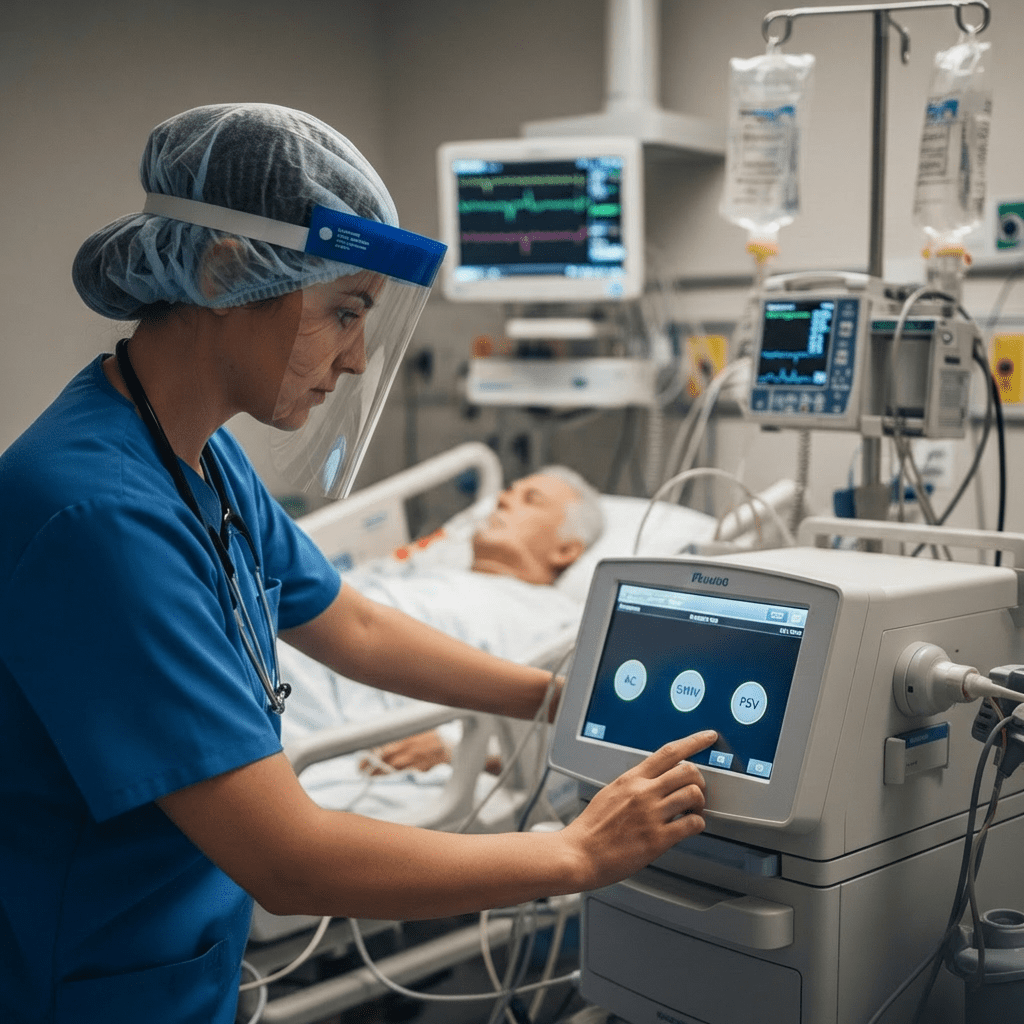
Mechanical Ventilation Modes (AC, SIMV, PSV) and Nursing Implications

Mechanical ventilation modes

Mechanical ventilation is a life-saving intervention commonly used in critical care. For every ICU nurse, understanding ventilator modes such as Assist-Control (AC), Synchronized Intermittent Mandatory Ventilation (SIMV), and Pressure Support Ventilation (PSV) is essential for safe patient management. In addition, ventilator settings and interpretation are frequently tested on the NCLEX, making this topic crucial for … Read more