ICU Documentation: What Matters Most

ICU documentation

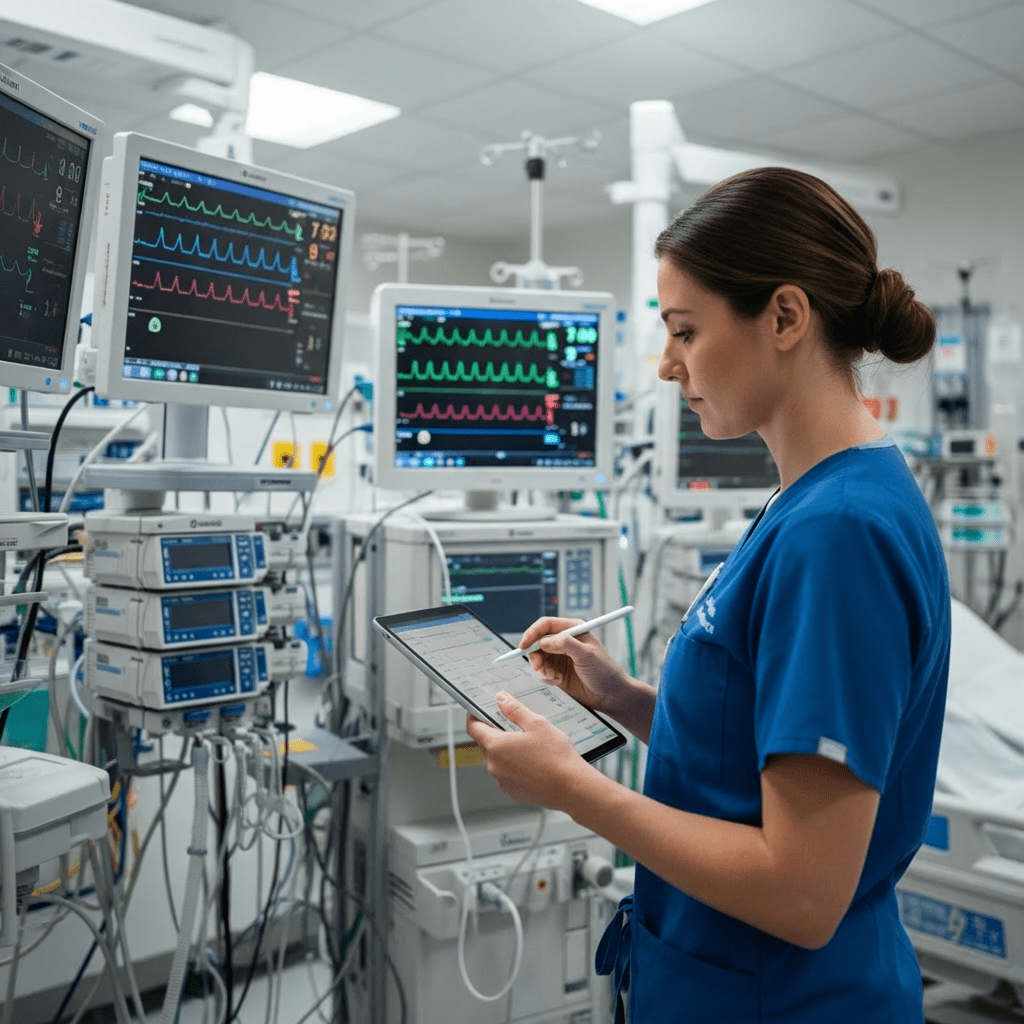
Accurate ICU documentation is one of the most critical responsibilities of a nurse working in critical care. In the Intensive Care Unit, patients are unstable, treatments change rapidly, and decisions must be made quickly. Therefore, clear and timely nursing documentation ensures patient safety, supports clinical decisions, and protects the registered nurse (RN nurse) legally and … Read more

Managing Family Stress in the ICU

Managing Family Stress in the ICU

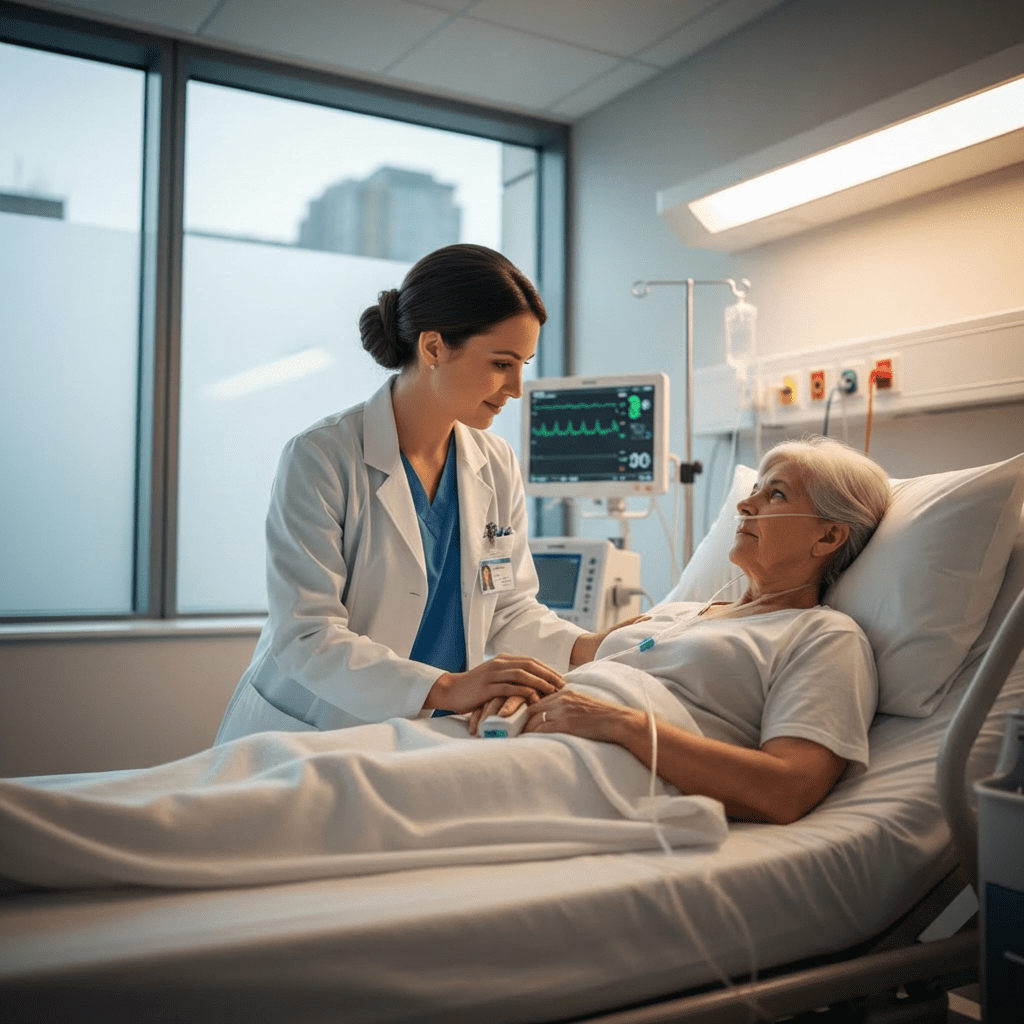
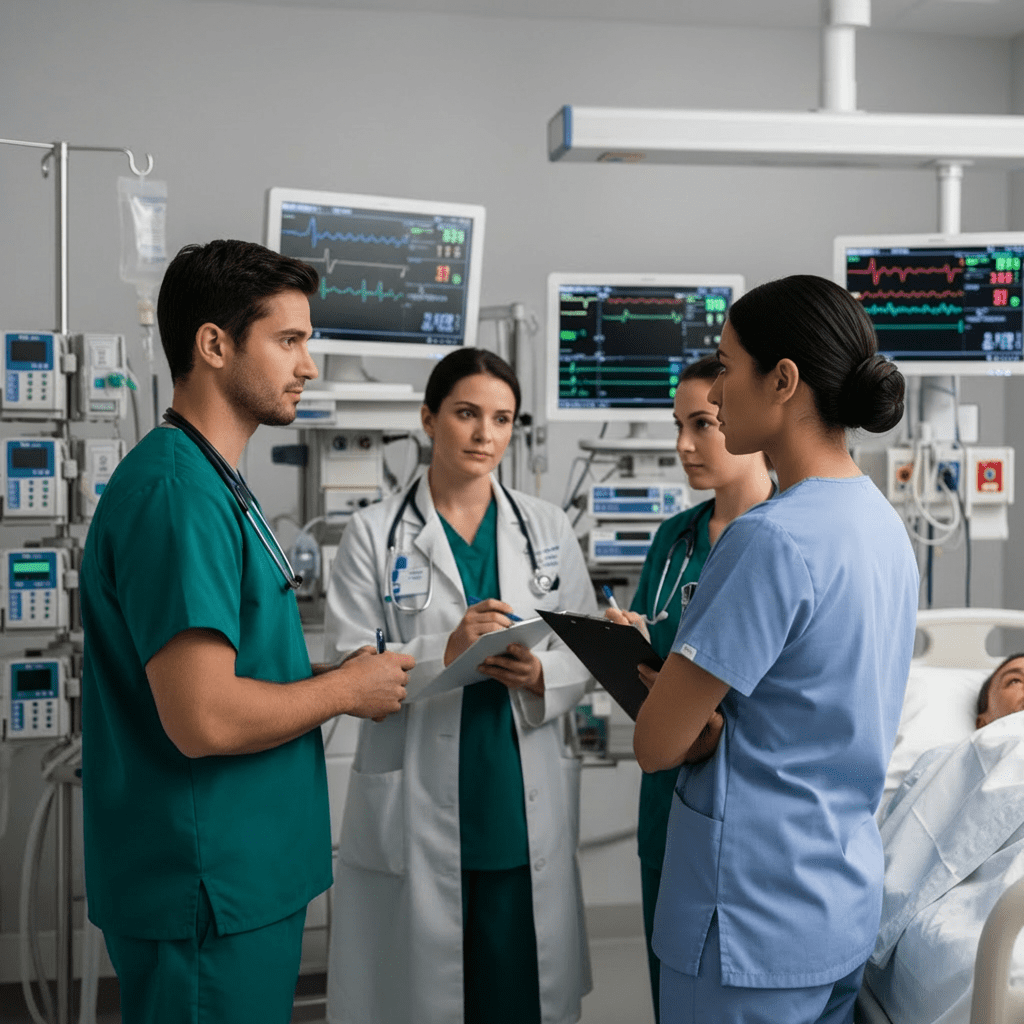
The Intensive Care Unit (ICU) is a highly stressful environment not only for patients but also for their families. Sudden illness, unfamiliar equipment, and uncertain outcomes can overwhelm loved ones. In this setting, the nurse plays a vital role in recognizing and managing family stress. Because of its impact on patient care and communication, this … Read more

Ethical Challenges in Critical Care

Ethical challenges in critical care

Critical care units are fast-paced, high-stakes environments where life-saving decisions are made every day. In these settings, ethical challenges are common and often complex. Because nurses are at the bedside continuously, the nurse plays a central role in identifying, addressing, and advocating through ethical dilemmas. For this reason, ethical challenges in critical care are frequently … Read more

Nursing Role During Rapid Response Calls

Nursing role during rapid response calls

Rapid Response Teams (RRTs) exist to identify and treat clinical deterioration before a cardiac or respiratory arrest occurs. However, the success of a rapid response call depends heavily on the nurse at the bedside. For this reason, the nursing role during rapid response calls is a major focus in nursing education, nursing bundles, and the … Read more

Monitoring Urine Output in Shock States

Monitoring urine output in shock states

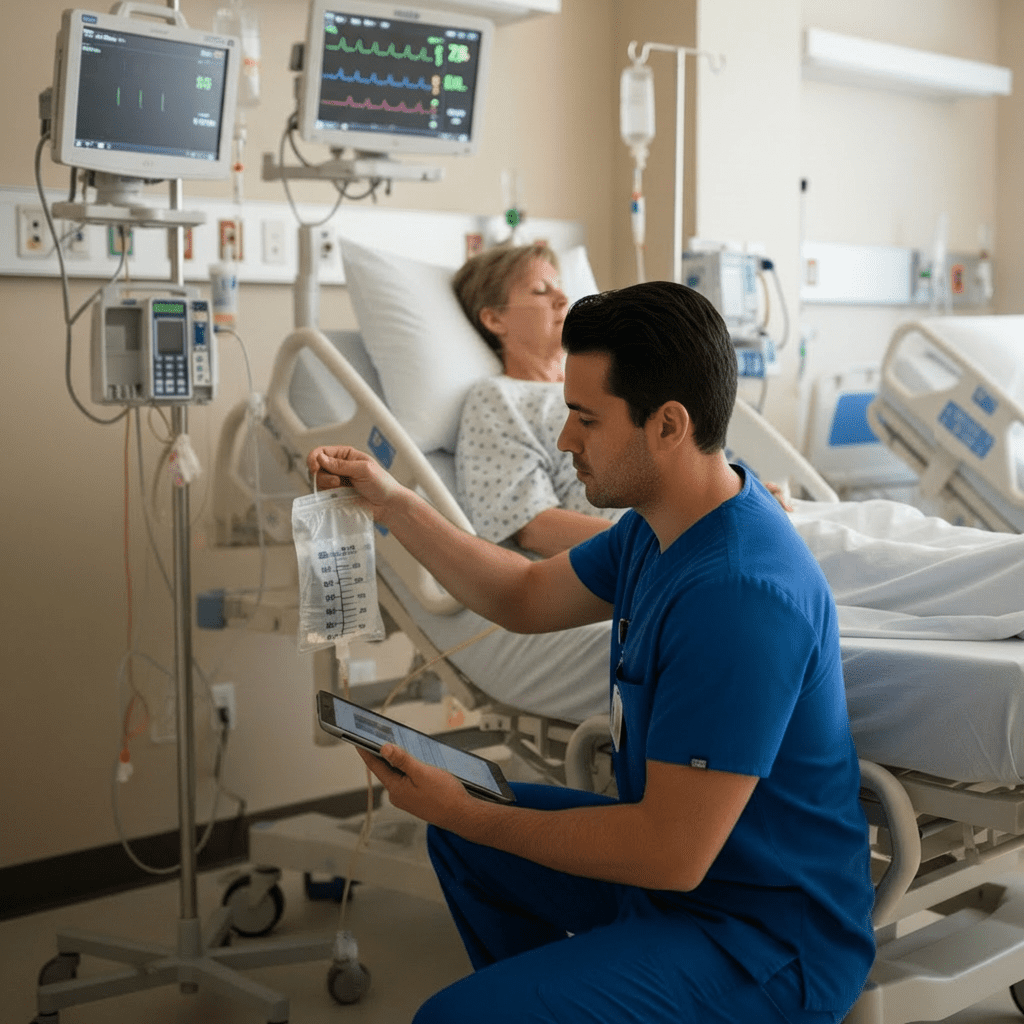
In critical care and emergency settings, urine output is a key indicator of organ perfusion and circulatory status. During shock states, the kidneys are among the first organs affected by decreased blood flow. For this reason, monitoring urine output is a vital nursing responsibility and a frequently tested concept on the NCLEX. This article explains … Read more

Preventing ICU-Acquired Weakness

Preventing ICU-acquired weakness

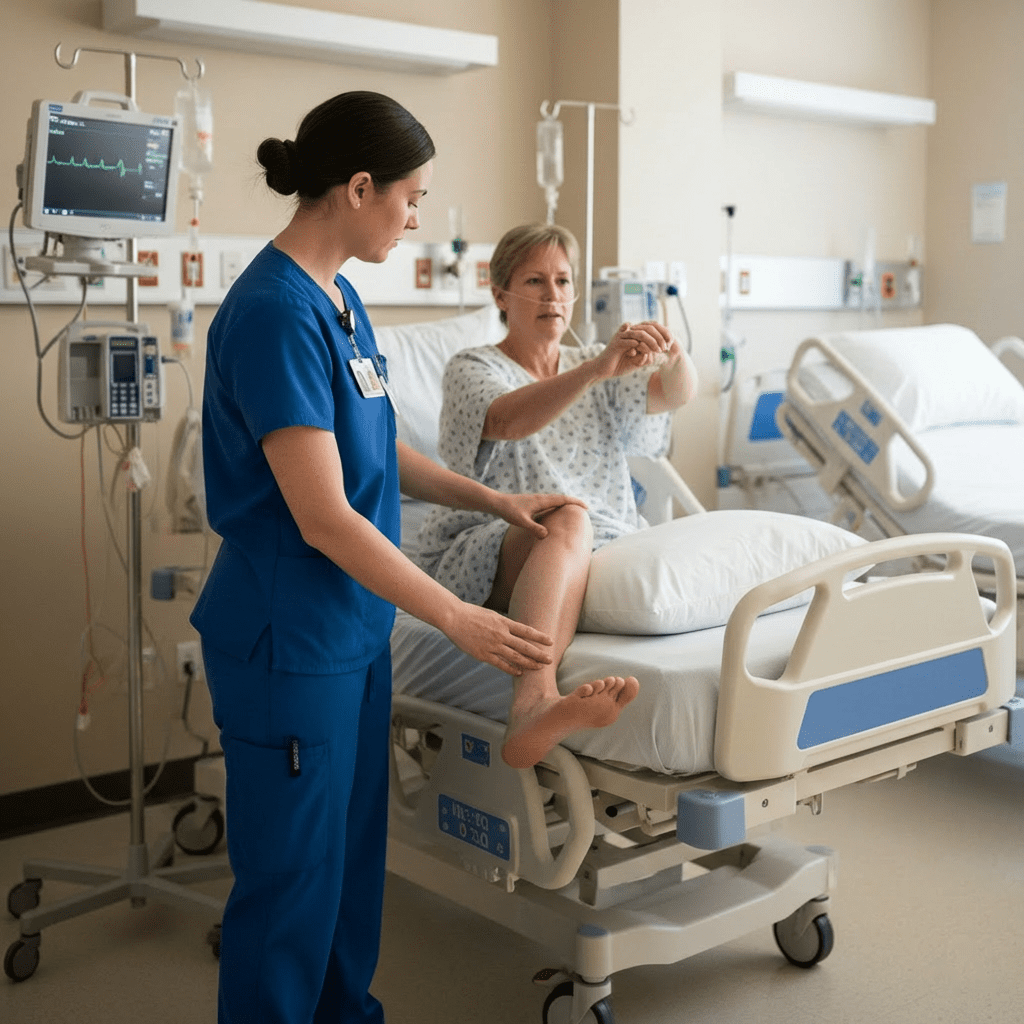
ICU-acquired weakness (ICU-AW) is a common but often underrecognized complication in critically ill patients. It leads to muscle loss, delayed recovery, prolonged mechanical ventilation, and extended hospital stays. Because nurses spend the most time at the bedside, the nurse plays a key role in prevention, early recognition, and daily interventions. For this reason, ICU-acquired weakness … Read more

ICU Nutrition: Enteral vs Parenteral Feeding

ICU nutrition enteral vs parenteral feeding

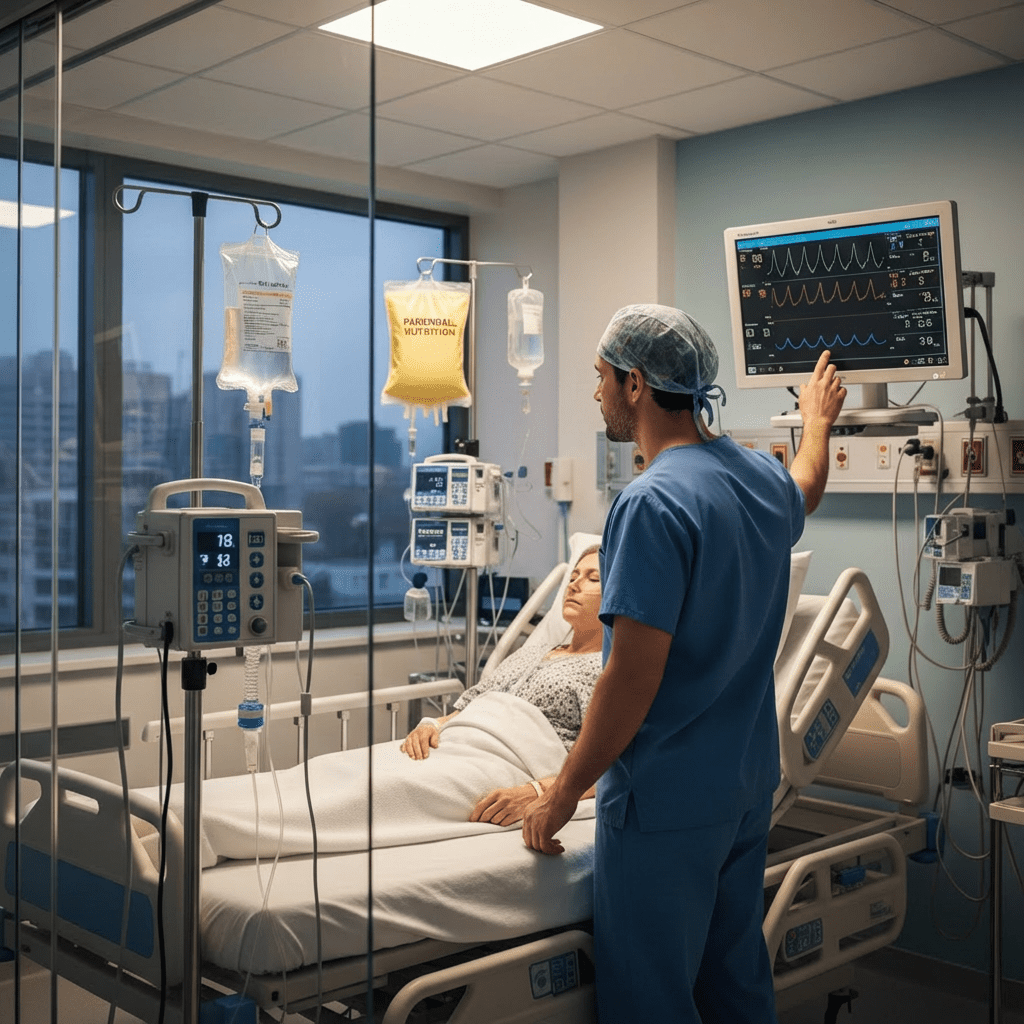
Nutrition support is a critical part of care in the Intensive Care Unit (ICU). Critically ill patients often cannot meet their nutritional needs orally due to mechanical ventilation, altered consciousness, or severe illness. For this reason, nurses play a central role in managing enteral and parenteral feeding, monitoring for complications, and ensuring safe delivery of … Read more

Recognizing Deteriorating Patients Early: A Nursing & NCLEX Guide

Recognizing deteriorating patients early

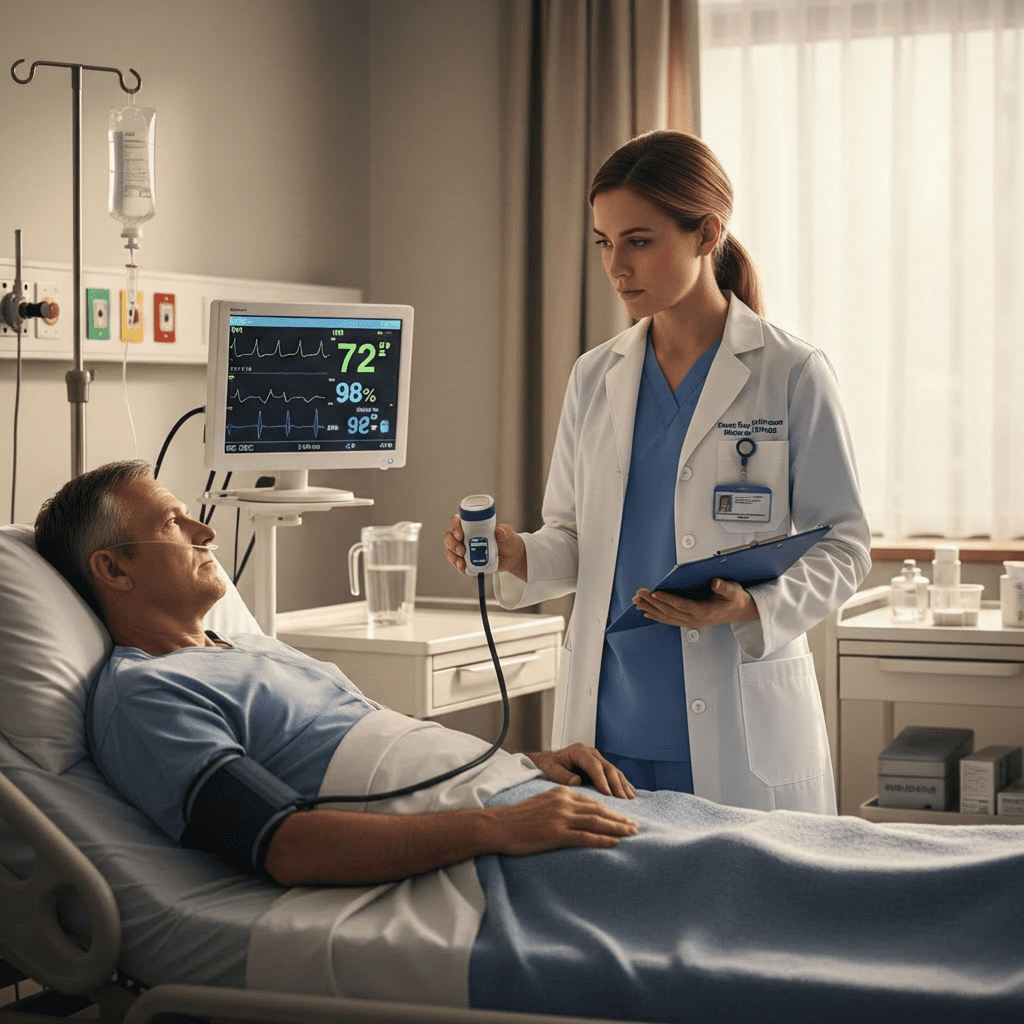
Recognizing deteriorating patients early is a critical nursing responsibility that directly saves lives. Every nurse and registered nurse (RN nurse) must be able to identify subtle changes in a patient’s condition before a medical emergency occurs. Because early deterioration often presents with mild or nonspecific signs, prompt recognition and intervention are essential. Therefore, this topic … Read more

Basic Oxygen Therapy Monitoring: A Nursing & NCLEX Guide

Basic oxygen therapy monitoring

Basic oxygen therapy monitoring is a fundamental nursing responsibility that directly impacts patient safety. Every nurse and registered nurse (RN nurse) must know how to administer oxygen correctly and, more importantly, how to monitor patients receiving oxygen therapy. Because oxygen is considered a medication, improper monitoring can lead to serious complications. Therefore, this topic is … Read more

Preventing Hospital-Acquired Infections: A Nursing & NCLEX Guide

Preventing hospital-acquired infections

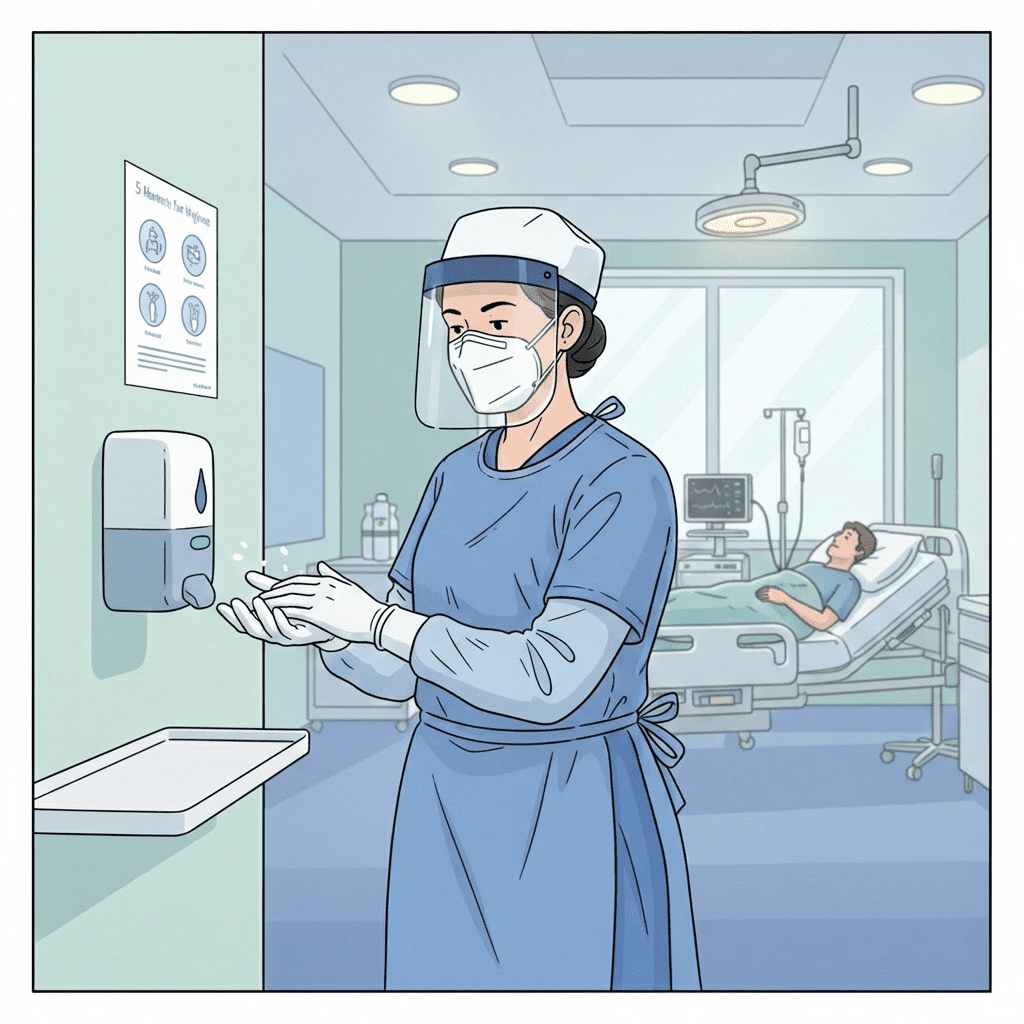
Preventing hospital-acquired infections (HAIs) is one of the most important responsibilities in nursing practice. Every nurse and registered nurse (RN nurse) plays a vital role in protecting patients from infections that develop during hospitalization. Because HAIs increase morbidity, length of stay, and healthcare costs, infection prevention is a major focus of nursing education and a … Read more