🩺 ICU Drips Explained: Vasopressors, Sedatives, and Analgesics

ICU drips

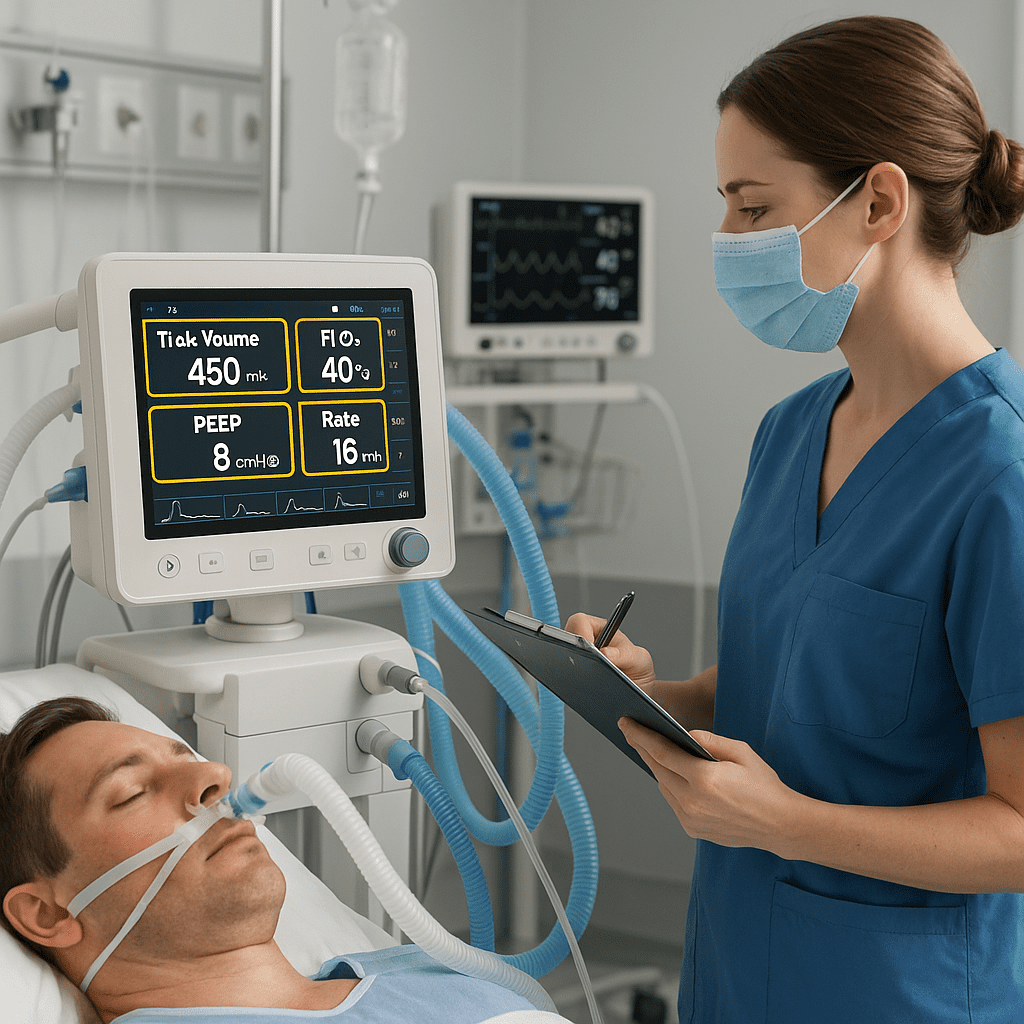
Critical care nursing requires more than just compassion — it demands precision, vigilance, and a deep understanding of the medications that keep patients alive. In the Intensive Care Unit (ICU), continuous IV drips (infusions) are used to maintain blood pressure, manage pain, and ensure patient comfort during life-threatening conditions. This guide simplifies the most important … Read more
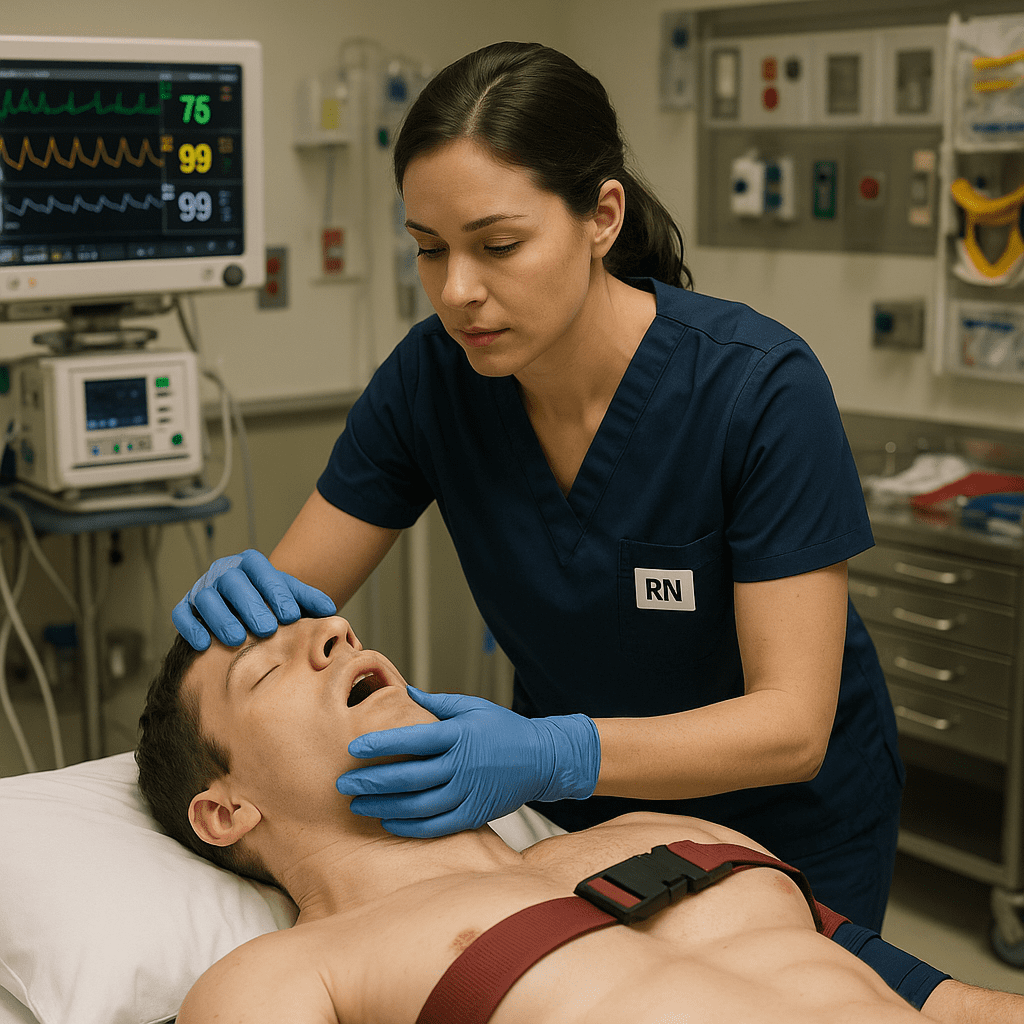
Burns: Rule of Nines and Fluid Resuscitation Nursing Guide

Burns

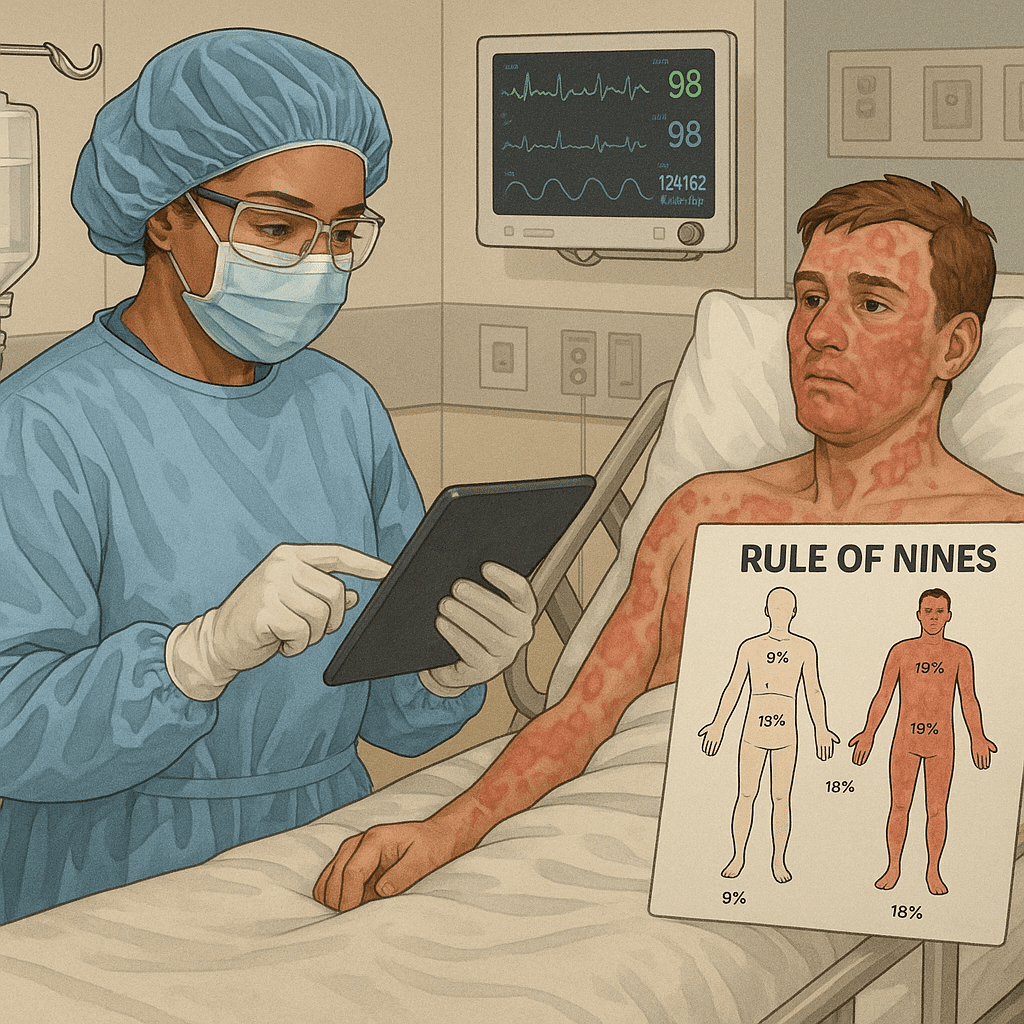
🧠 Introduction Burn injuries are among the most critical conditions nurses encounter, requiring rapid assessment and precise interventions. For any RN nurse or registered nurse preparing for the NCLEX, mastering the Rule of Nines and fluid resuscitation principles is essential. This guide simplifies burn assessment and management, helping nursing students and professionals apply evidence-based care … Read more

Trauma Nursing: The ABCDE Approach Simplified for RN Nurses

Trauma Nursing ABCDE Approach

When it comes to trauma care, nurses are the first line of defense in saving lives. The ABCDE approach—Airway, Breathing, Circulation, Disability, and Exposure—is the foundation of trauma nursing and a critical topic tested on the NCLEX. Every registered nurse (RN nurse) and nursing student should master this method to rapidly assess and stabilize trauma … Read more

Septic Shock: The Nurse’s Role in Early Recognition

septic shock

Septic shock is one of the most critical conditions that every RN nurse must recognize early. For both NCLEX preparation and real-life nursing practice, understanding the signs, symptoms, and nursing interventions for sepsis can save lives. This guide breaks down septic shock in a simple way — perfect for your nursing bundle study materials. 🧠 … Read more

ARDS: Acute Respiratory Distress Syndrome Nursing Simplified

ARDS nursing simplified

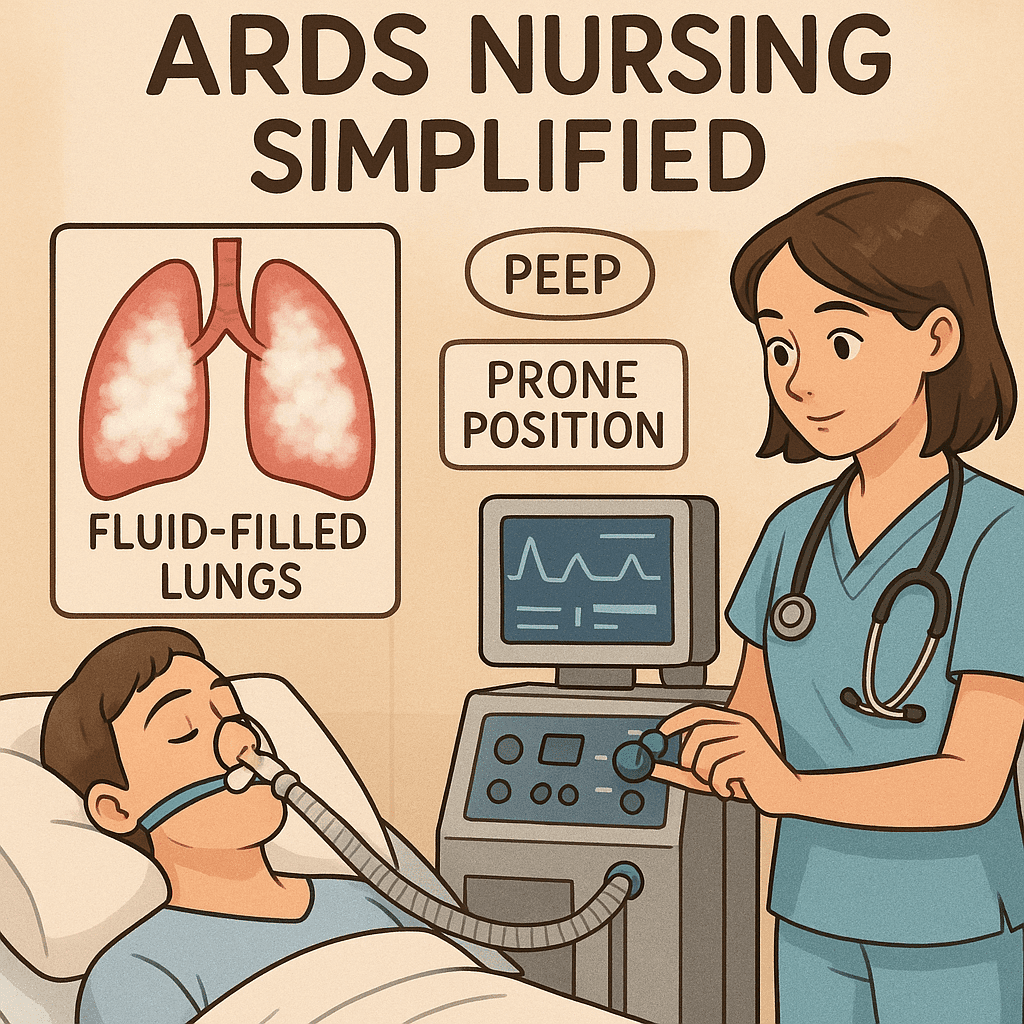
Acute Respiratory Distress Syndrome (ARDS) is one of the most critical respiratory conditions that every registered nurse (RN nurse) must understand. It’s not only a frequent cause of ICU admissions but also a high-yield topic on the NCLEX. For nursing students and practicing nurses, ARDS can seem overwhelming — but when broken down into simple … Read more

12-Lead EKG Simplified: Which Lead Sees Which Part of the Heart

12-lead EKG simplified

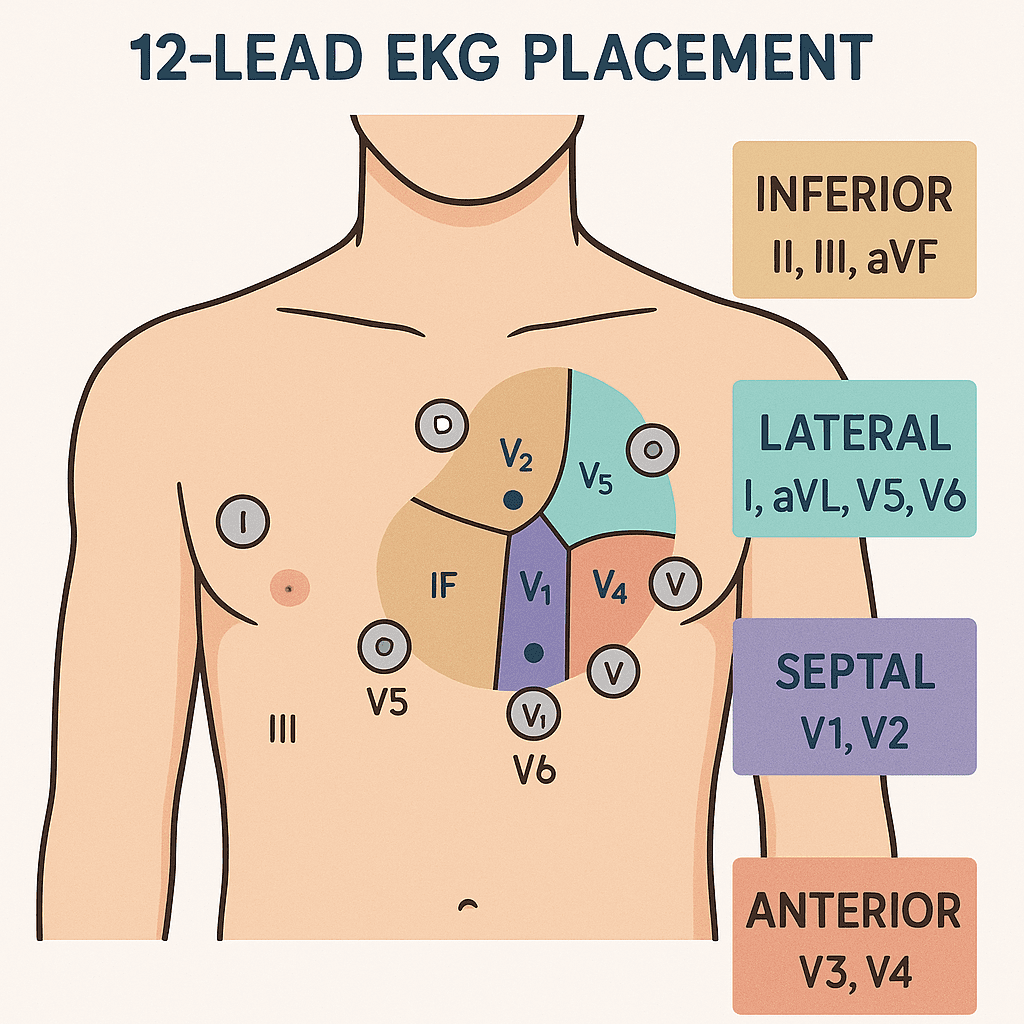
Electrocardiograms (EKGs) are one of the most tested skills on the NCLEX and a critical responsibility for every nurse and registered nurse (RN nurse) at the bedside. Understanding the 12-lead EKG and which lead corresponds to which part of the heart helps in recognizing ischemia, infarction, and arrhythmias early. For nursing students and graduates, this … Read more

Pacemaker Strips: Recognizing Spikes and Nursing Care

Pacemaker Strips

For nursing students preparing for the NCLEX and for every registered nurse (RN nurse) at the bedside, understanding pacemaker strips is a critical skill. Nurses often encounter patients with pacemakers in telemetry units, critical care, and even medical-surgical floors. Recognizing pacemaker spikes and providing the right nursing care ensures both patient safety and accurate documentation. … Read more

ST Elevation vs Depression: What It Means for Nurses

ST Elevation vs Depression

Electrocardiogram (EKG/ECG) interpretation is one of the most tested NCLEX topics. For a registered nurse (RN nurse), recognizing ST elevation vs ST depression can mean the difference between saving a life and missing a critical diagnosis. This guide breaks down the basics for nursing students, new graduates, and any nurse preparing for the NCLEX or … Read more