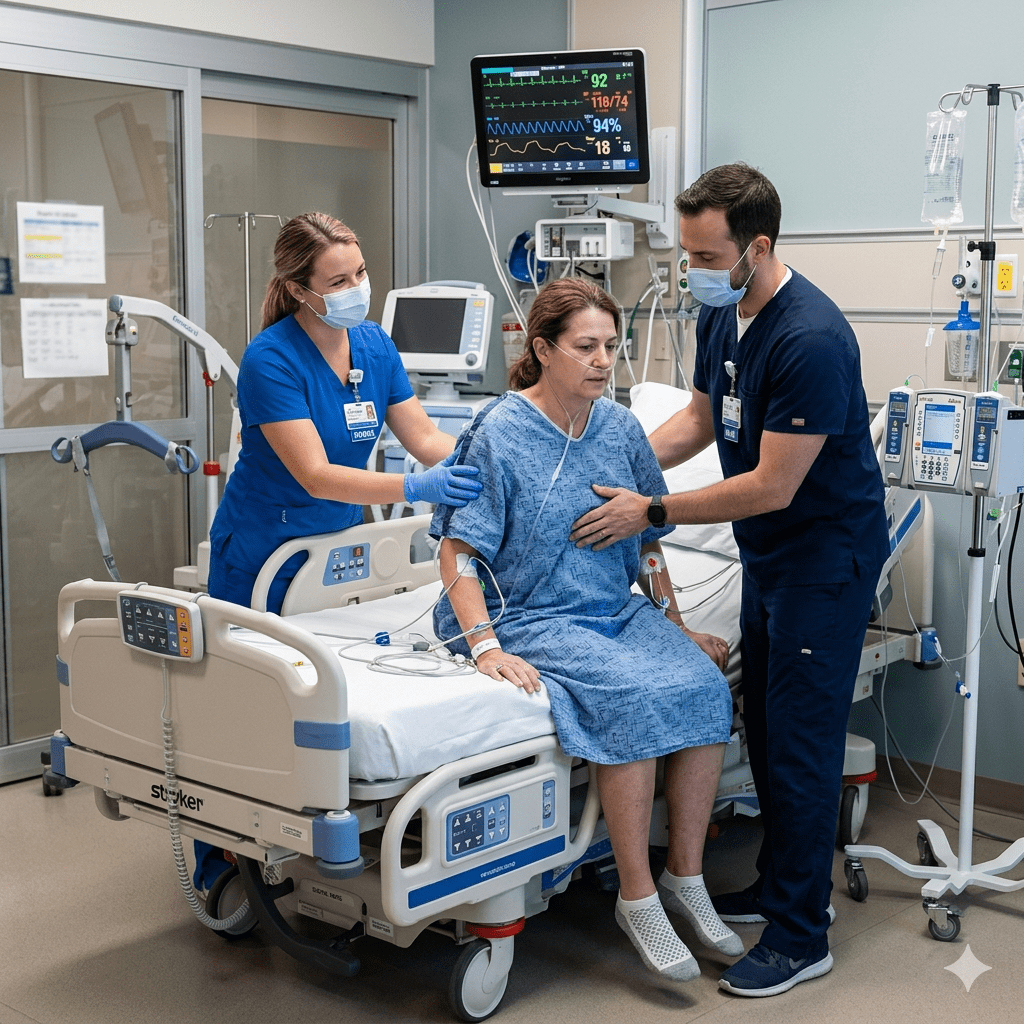
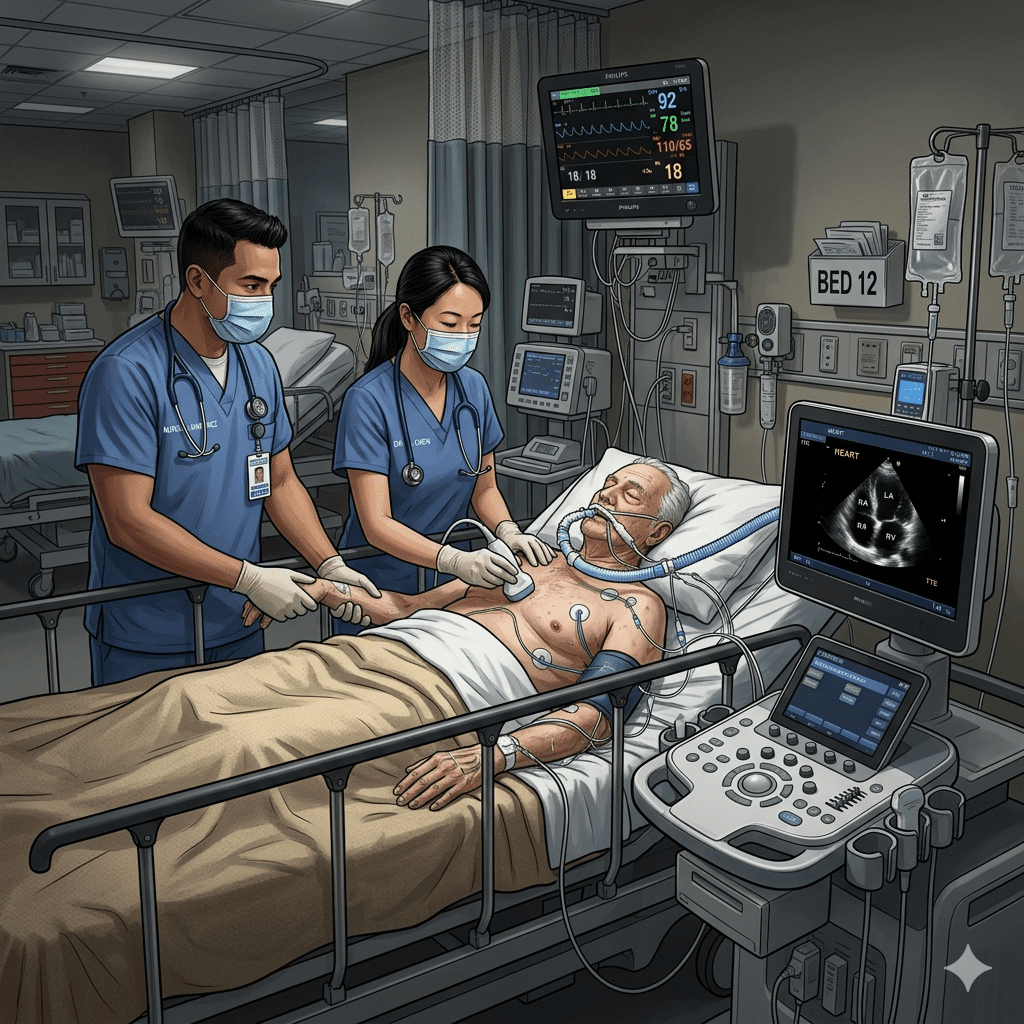
Caring for Patients with Peripheral Artery Disease: A Nursing Guide

Peripheral Artery Disease nursing

Peripheral Artery Disease (PAD) is a chronic circulatory condition that significantly increases the risk of limb ischemia, infection, and cardiovascular events. Effective nursing care focuses on early detection, symptom management, and patient education. For every nurse, especially a registered nurse (RN nurse) preparing for the NCLEX, understanding PAD is essential for safe clinical practice. This … Read more

Acute vs Chronic Pain: Nursing Assessment Differences

Acute vs chronic pain

Pain is one of the most common reasons patients seek healthcare, and accurate assessment is a fundamental nursing responsibility. Understanding the differences between acute and chronic pain helps every nurse deliver appropriate care. For a registered nurse (RN nurse) preparing for the NCLEX, distinguishing between these two types of pain is essential for both exams … Read more

Managing Patients with Ascites: Nursing Priorities

Managing patients with ascites

Ascites is a common complication of liver disease and other serious conditions. Effective management requires strong assessment skills, close monitoring, and patient education. For every nurse, especially a registered nurse (RN nurse) preparing for the NCLEX, understanding nursing priorities for ascites is essential for safe patient care. This article explains ascites, key nursing assessments, and … Read more

Recognizing Early Signs of Internal Bleeding: A Nursing Guide

Early signs of internal bleeding

Internal bleeding is a medical emergency that can progress rapidly and become life-threatening. Early recognition is a critical nursing responsibility. For every nurse, especially a registered nurse (RN nurse) preparing for the NCLEX, understanding subtle warning signs can save lives. This article explains early signs of internal bleeding, nursing assessment priorities, and NCLEX-relevant interventions in … Read more

Nursing Care for Patients with Ileostomy and Colostomy

Nursing care for ileostomy and colostomy

Caring for patients with an ileostomy or colostomy is an essential skill in medical-surgical nursing. These patients require physical care, emotional support, and thorough education to adapt safely to life with an ostomy. For every nurse, especially a registered nurse (RN nurse) preparing for the NCLEX, understanding ostomy care is critical for patient safety and … Read more

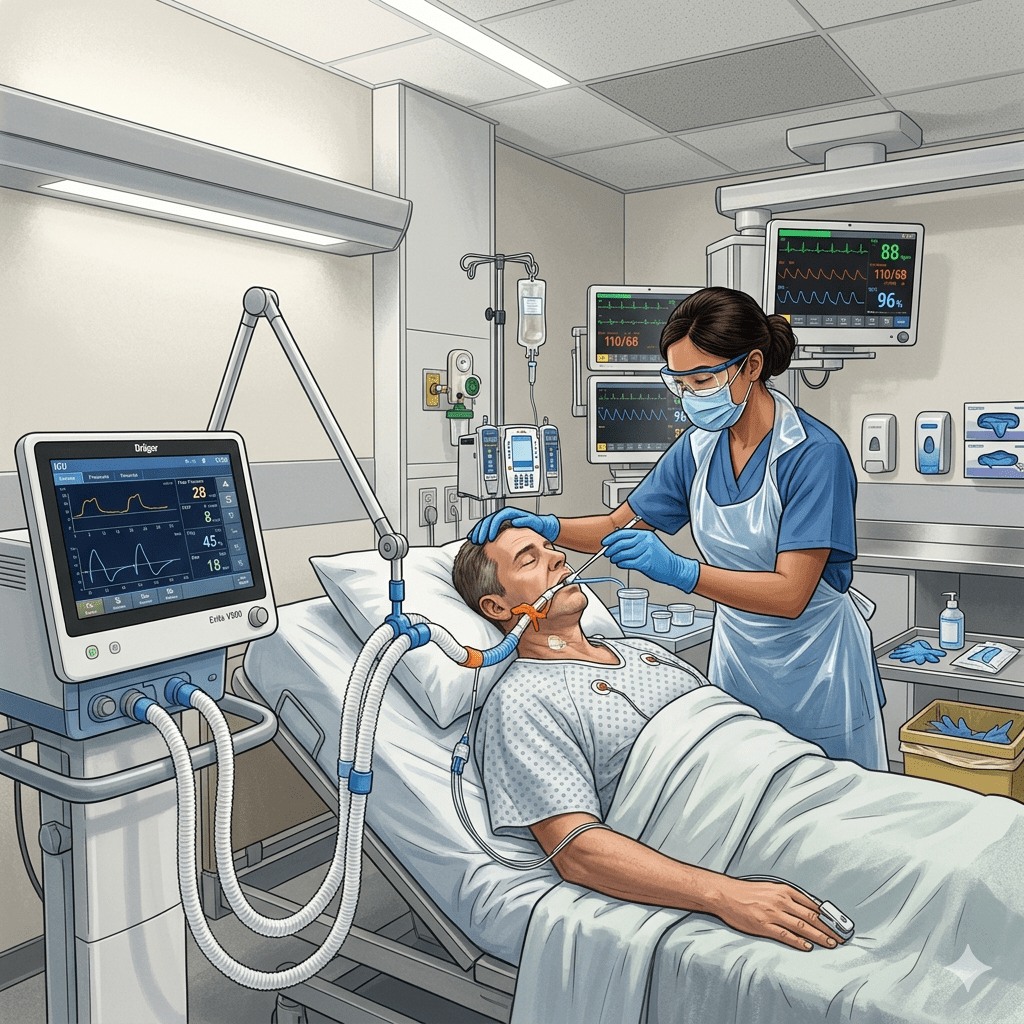
Caring for Patients with ARDS: A Nursing Guide for Safe and Effective Care

Caring for patients with ARDS

Acute Respiratory Distress Syndrome (ARDS) is a life-threatening condition that requires rapid assessment, close monitoring, and skilled nursing care. For every nurse working in ICU, emergency, or step-down units—and for every registered nurse (RN nurse) preparing for the NCLEX—understanding ARDS is essential. This article simplifies ARDS pathophysiology, treatment, and nursing responsibilities to help nurses provide … Read more

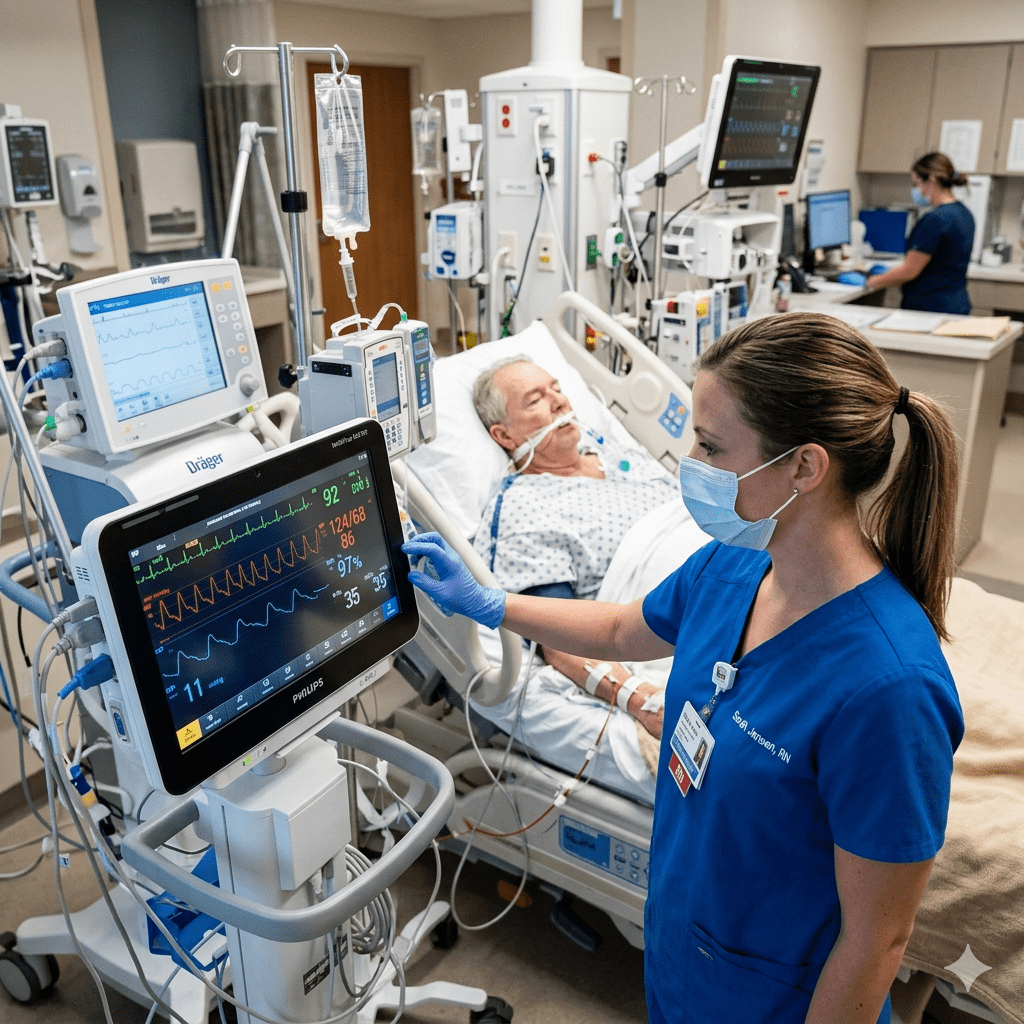
Hemodynamic Monitoring: Line Types and Meanings (Made Simple for Nurses)

Hemodynamic Monitoring

Hemodynamic monitoring is a critical skill every nurse working in ICU, ER, or step-down units must understand. For the registered nurse (RN nurse) preparing for the NCLEX, knowing line types, waveforms, and what they measure can make a big difference in patient outcomes. This guide breaks down hemodynamic monitoring in a simple, practical way for … Read more

Managing Patients on Vasopressors

Managing patients on vasopressors

Vasopressors are powerful medications used to support blood pressure and maintain organ perfusion in critically ill patients. Managing patients on vasopressors is a high-priority nursing responsibility and a common topic on the NCLEX. Every nurse, especially a registered nurse or RN nurse working in acute or critical care, must understand how these medications work and … Read more

Nutrition Basics for Bedridden Patients

Nutrition basics for bedridden patients

Proper nutrition is essential for patients who are confined to bed. Bedridden patients are at higher risk for malnutrition, dehydration, pressure injuries, and delayed healing. For every nurse and registered nurse, understanding nutrition basics is a key nursing responsibility. Nutrition care is also frequently tested on the NCLEX, making this topic important for all RN … Read more