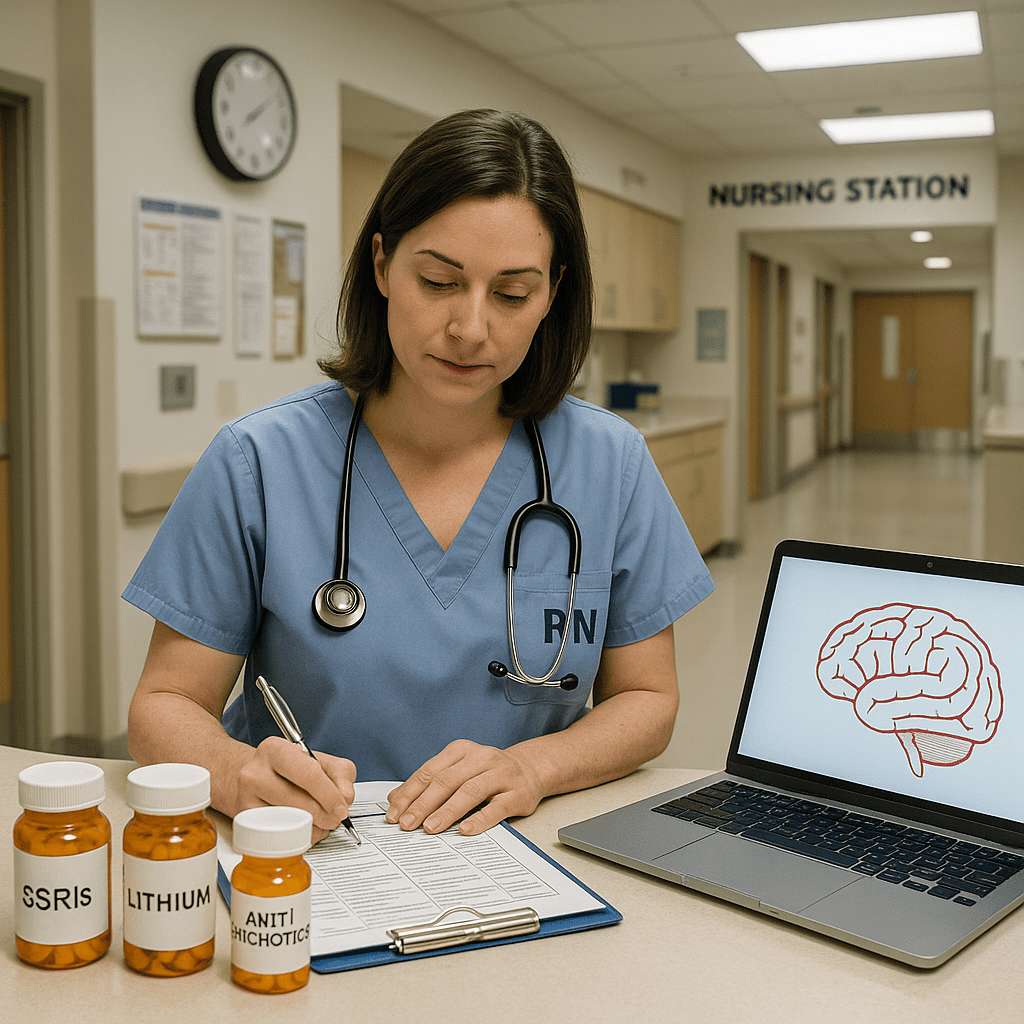
Self-Care for Mental Health Nurses: A Critical Guide for RNs and NCLEX Success

Self-Care Tips

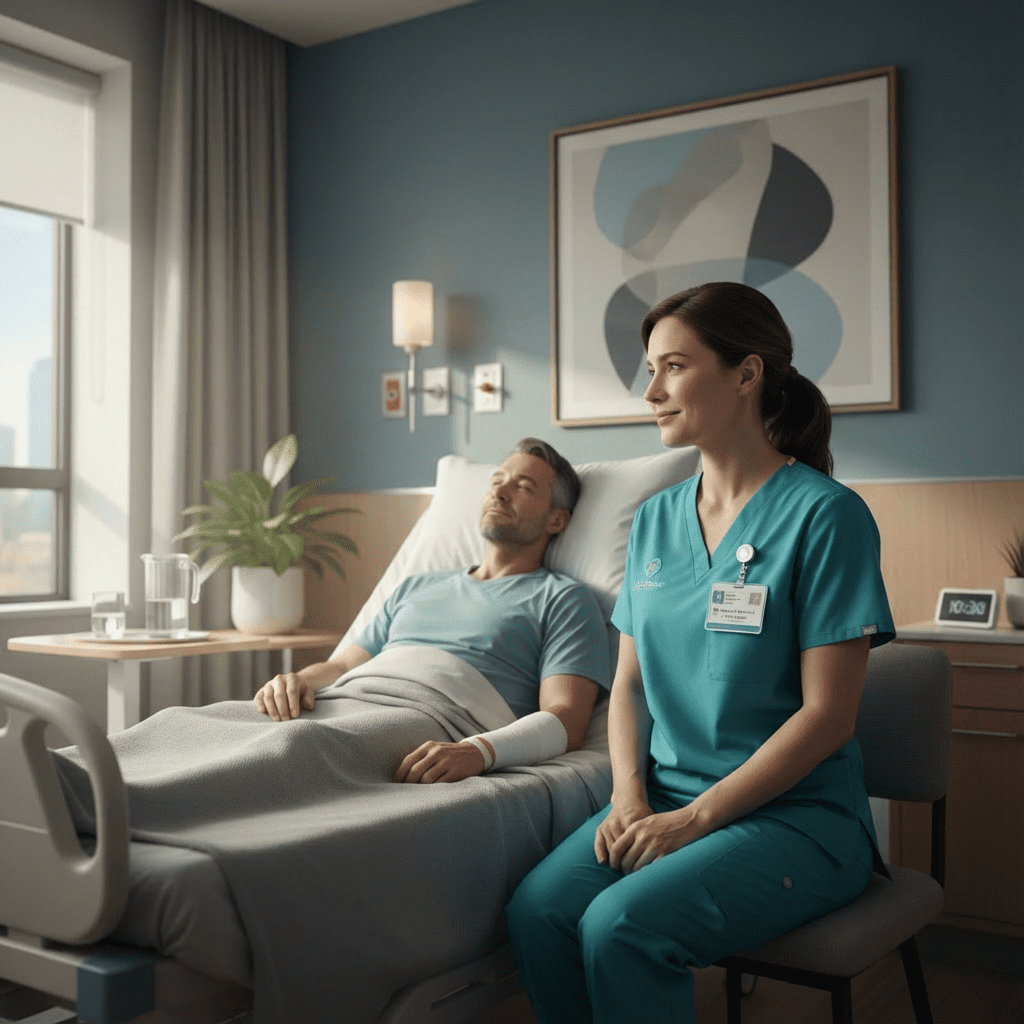
Mental health nursing is one of the most rewarding yet emotionally demanding fields in healthcare. Every registered nurse (RN nurse) working in psychiatric settings supports patients through crisis, trauma, and complex emotional needs. Because of this, self-care is not optional—it is an essential component of safe, effective nursing practice and is heavily emphasized in NCLEX … Read more

Building Trust with Psychiatric Patients: A Critical Skill for Every Nurse

Building Trust

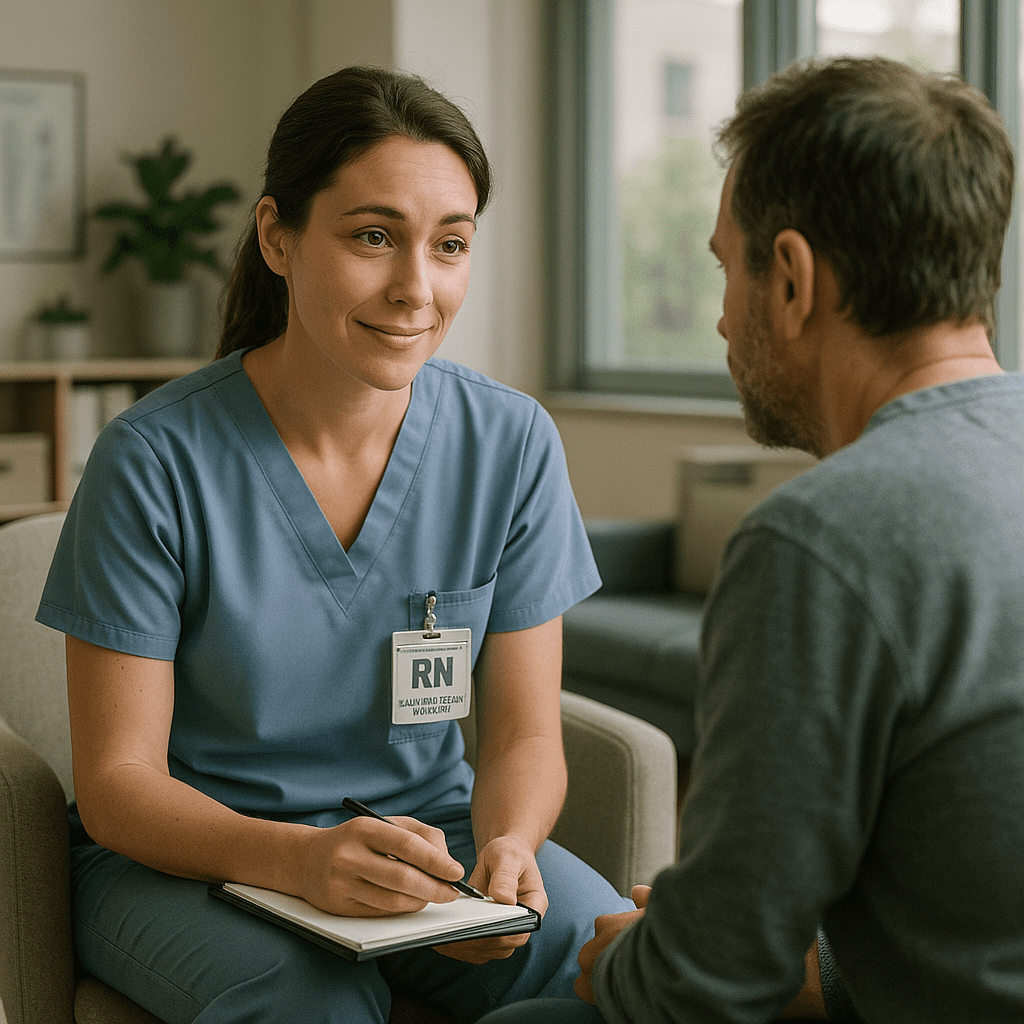
Building trust with psychiatric patients is one of the most essential responsibilities for any RN nurse or registered nurse working in mental health settings. Whether preparing for the NCLEX, improving bedside practice, or studying through a nursing bundle, mastering therapeutic communication and trust-building strategies is vital. Psychiatric patients often feel vulnerable, misunderstood, or fearful, so … Read more

How to Build Trust Quickly With Patients: Nursing Guide

build trust

Building trust with patients is one of the most essential skills every registered nurse (RN nurse) must master. Whether preparing for the NCLEX or improving bedside care, establishing trust helps create a strong therapeutic relationship, enhances patient cooperation, and improves overall outcomes. This guide explores effective communication techniques, empathy-driven care, and actionable nursing tips to … Read more

How to Build Therapeutic Relationships With Psychiatric Patients

Therapeutic Relationships

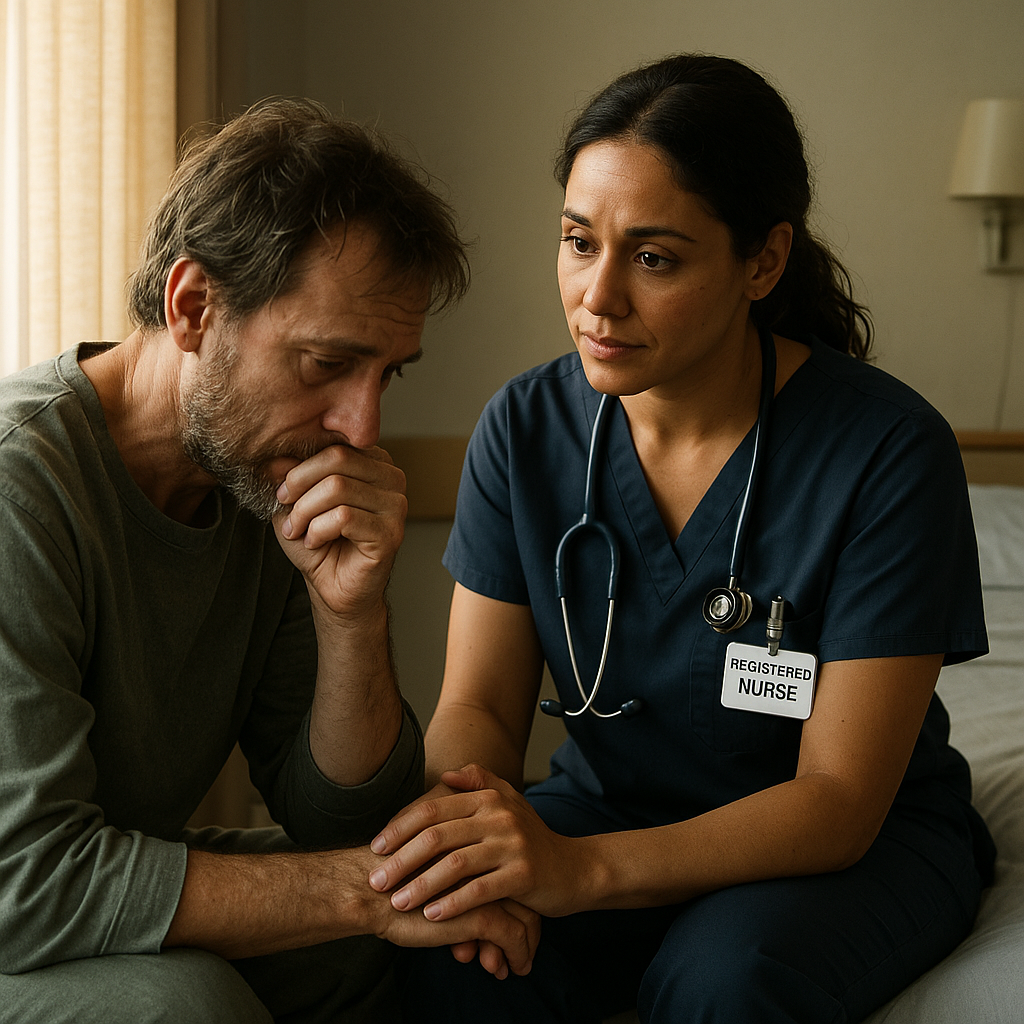
Building a therapeutic relationship is one of the most important — and rewarding — skills in psychiatric nursing. It forms the foundation of trust, healing, and effective communication between a registered nurse (RN) and their patient. In mental health care, patients may struggle with fear, mistrust, or emotional instability. The nurse’s role is to create … Read more

Therapeutic Milieu in Mental Health Nursing Explained

Therapeutic Milieu

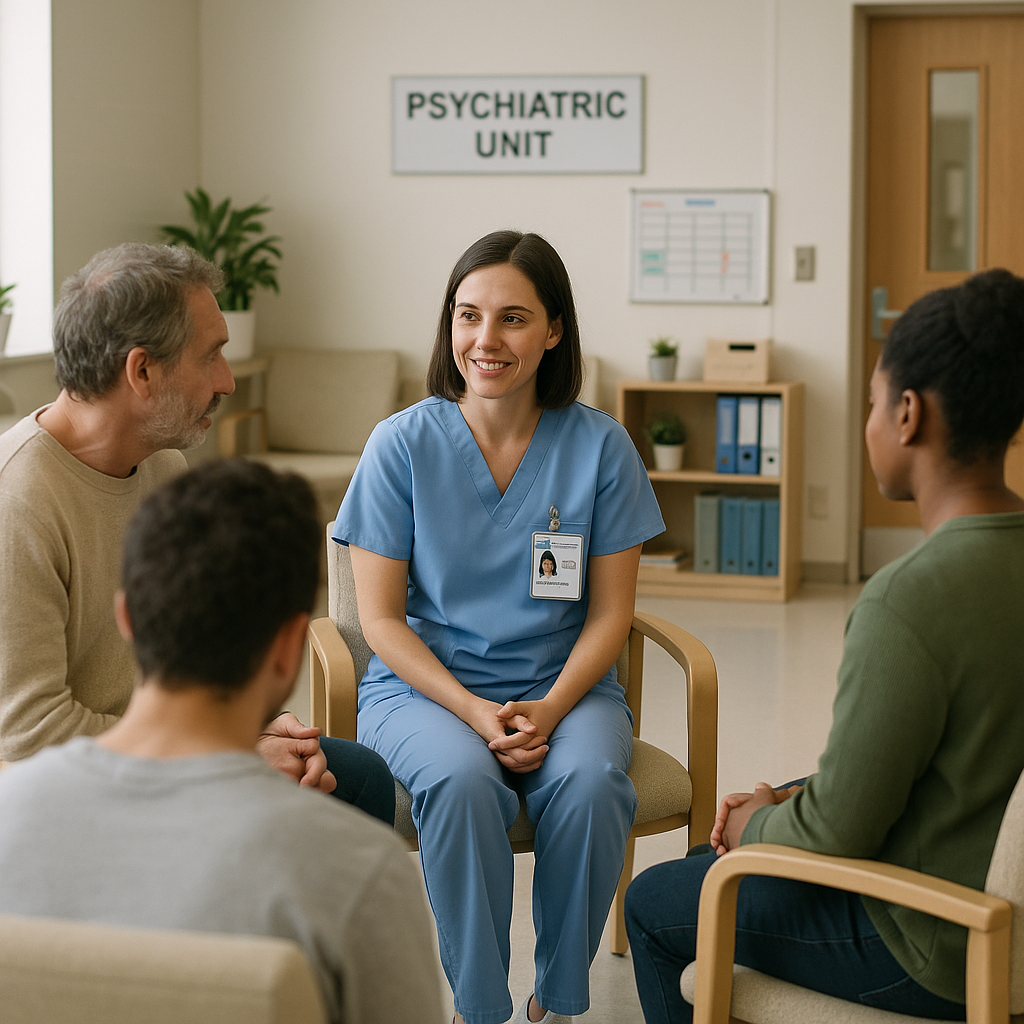
In mental health nursing, the therapeutic milieu is the foundation of effective patient care. It refers to creating a safe, structured, and supportive environment that promotes healing and emotional stability. Whether you’re a registered nurse (RN) working in a psychiatric unit or a nursing student preparing for the NCLEX, understanding this concept is essential for … Read more

Crisis Intervention Nursing: De-escalation Techniques Every Nurse Must Know

Crisis Intervention

Crisis intervention is one of the most critical skills in nursing, especially for those working in psychiatric, emergency, or behavioral health settings. As a registered nurse (RN nurse), knowing how to handle an agitated or aggressive patient safely and effectively can prevent harm and build trust. In this guide, we’ll break down what crisis intervention … Read more

Psychotropic Medications: Nursing Must-Knows

Psychotropic Medications

Psychotropic medications are essential in treating mental health disorders such as depression, anxiety, bipolar disorder, and schizophrenia. Every registered nurse (RN) must understand how these drugs work, their side effects, and how to monitor patients safely — both for NCLEX success and real-world practice. 💊 What Are Psychotropic Medications? Psychotropic medications are drugs that affect … Read more

Substance Withdrawal Nursing: Alcohol vs Opioids

Substance Withdrawal Nursing

Substance withdrawal can be life-threatening if not managed properly, and nurses are often the first to identify and respond to these crises. Understanding the key differences between alcohol withdrawal and opioid withdrawal is essential for every RN nurse, registered nurse, and nursing student preparing for the NCLEX. In this nursing guide, we’ll break down the … Read more

Schizophrenia Nursing: Positive vs Negative Symptoms

Schizophrenia Nursing

Understanding schizophrenia is essential for every nurse preparing for the NCLEX or working in mental health. This complex disorder affects how a person thinks, feels, and behaves — often leading to a loss of contact with reality. In nursing practice, distinguishing between positive and negative symptoms helps the registered nurse (RN) plan appropriate interventions, provide … Read more