Cultural Competence in Nursing: Caring for Diverse Patients

Cultural Competence

In today’s multicultural healthcare environment, being a registered nurse (RN) means caring for patients from diverse backgrounds with unique beliefs, languages, and values. Cultural competence in nursing is essential for providing safe, respectful, and individualized care — and it’s a major focus on the NCLEX exam and in clinical practice. 🌍 What Is Cultural Competence … Read more

Pain Management: Pharmacologic vs Non-Pharmacologic Approaches

Pain Management

Pain is one of the most common reasons patients seek medical care. For every nurse and registered nurse (RN nurse), understanding how to manage pain effectively is a vital skill — both in clinical practice and on the NCLEX exam. Pain management combines pharmacologic (medication-based) and non-pharmacologic (non-drug) interventions to help patients achieve comfort and … Read more

Documentation Do’s and Don’ts for Nurses

do’s and don’ts

Accurate and timely documentation is one of the most critical responsibilities of every nurse. It’s not just about writing notes — it’s a legal record, a communication tool, and a reflection of your nursing care quality. Whether you’re a registered nurse (RN) working at the bedside or studying for the NCLEX, mastering documentation is a … Read more

Wound Healing Stages and Nursing Care

Wound healing

Every nurse knows that understanding wound healing is a crucial part of patient care. Whether you’re preparing for the NCLEX, studying from a nursing bundle, or working as a registered nurse (RN) in a clinical setting, knowing how wounds heal and how to provide the right nursing care can make all the difference in patient … Read more

Safe Patient Handling: Preventing Nurse Back Injuries

Safe patient handling

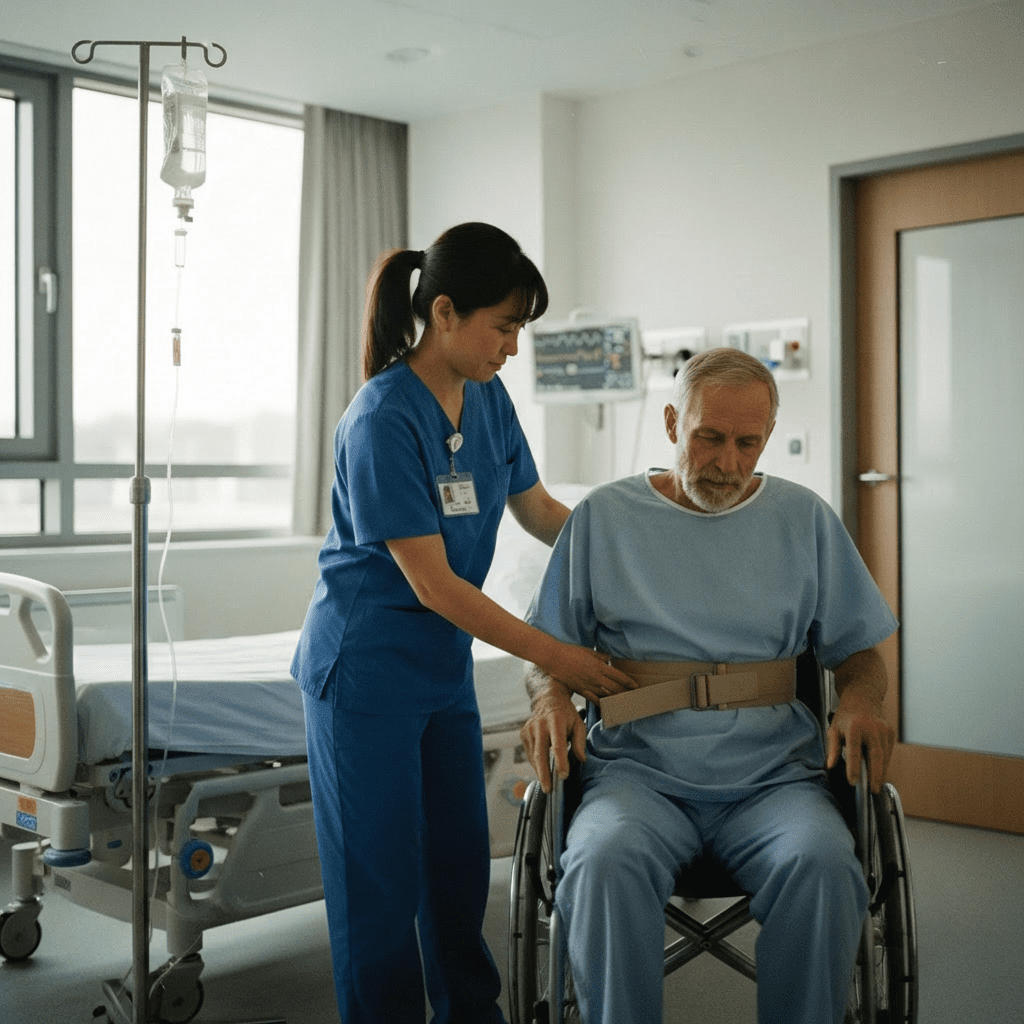
Back injuries are one of the most common occupational hazards in the nursing profession. Every registered nurse (RN nurse) faces the challenge of lifting, transferring, or repositioning patients daily — all of which increase the risk of musculoskeletal injuries. Learning safe patient handling techniques is not only crucial for nursing practice but also an important … Read more

Vital Signs Nursing Tips: Accuracy and Interpretation

Vital Signs

Monitoring vital signs is one of the most essential responsibilities in nursing. Whether you’re a student nurse, a registered nurse (RN), or preparing for the NCLEX, mastering accurate measurement and correct interpretation of vital signs is crucial for ensuring patient safety and effective care. 🌡️ What Are the Vital Signs? Vital signs reflect the body’s … Read more

Infection Control: Standard vs Transmission-Based Precautions (NCLEX Nursing Guide)

Infection Control

Infection control is one of the most essential topics for nurses and a frequent question on the NCLEX. Understanding Standard Precautions and Transmission-Based Precautions helps every registered nurse (RN) prevent healthcare-associated infections and ensure patient and staff safety. This simplified guide breaks down the types, PPE use, and real-world nursing applications you need to know. … Read more