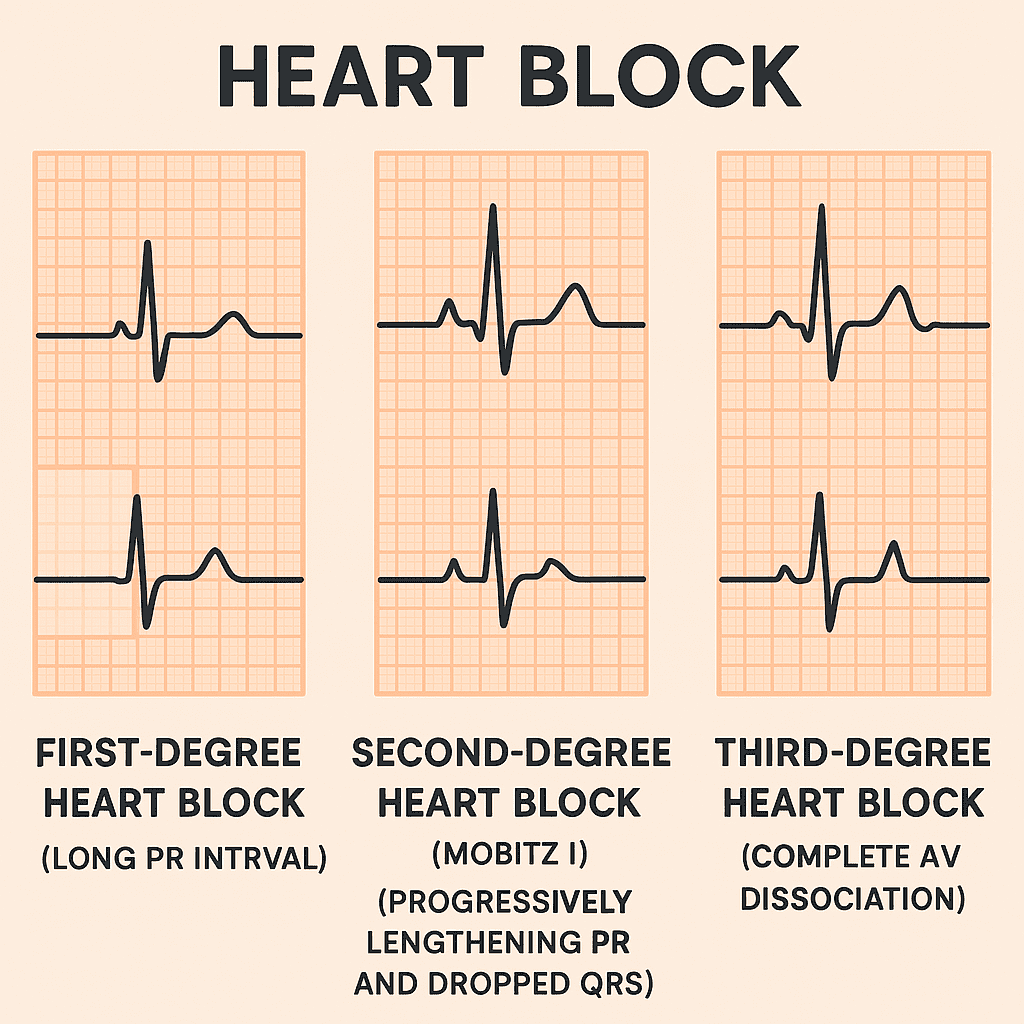
Post-Cardiac Catheterization Nursing Care: A Complete Guide for RNs
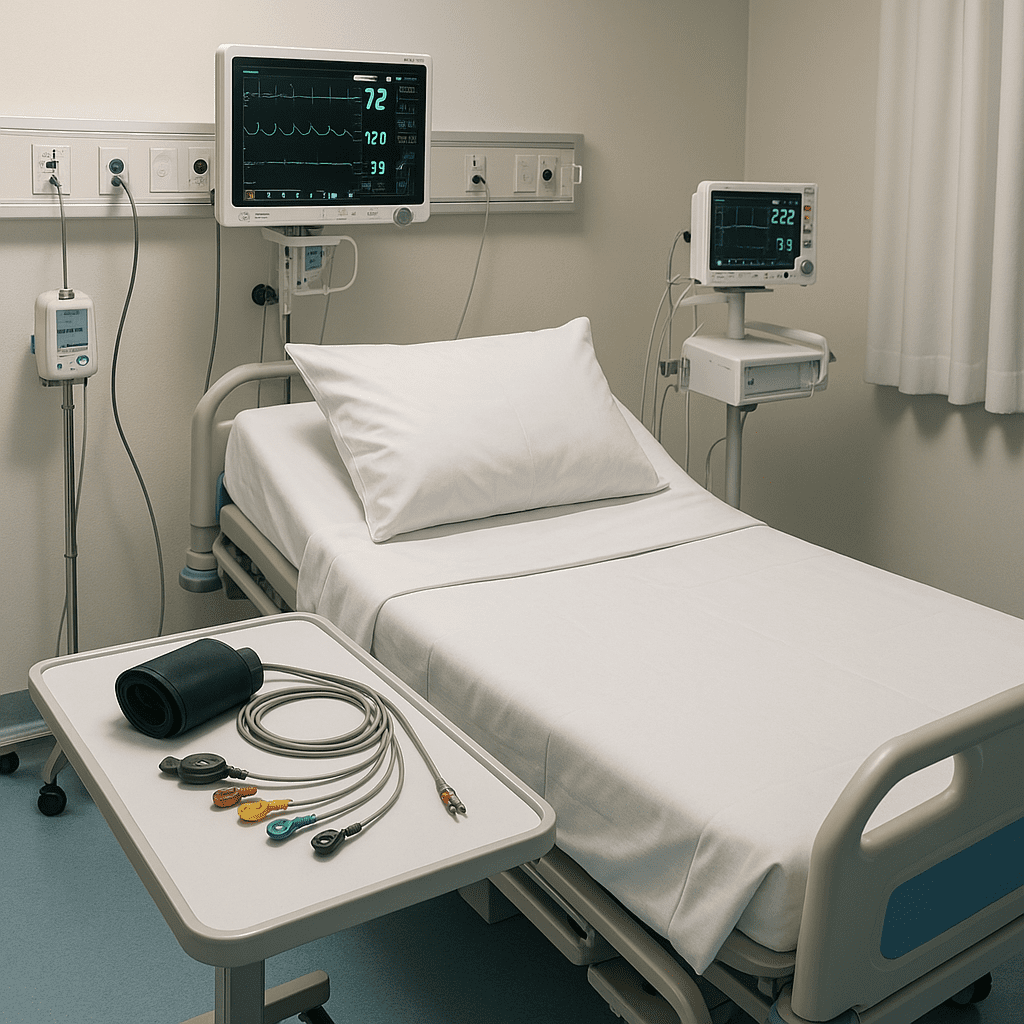
Cardiac Catheterization

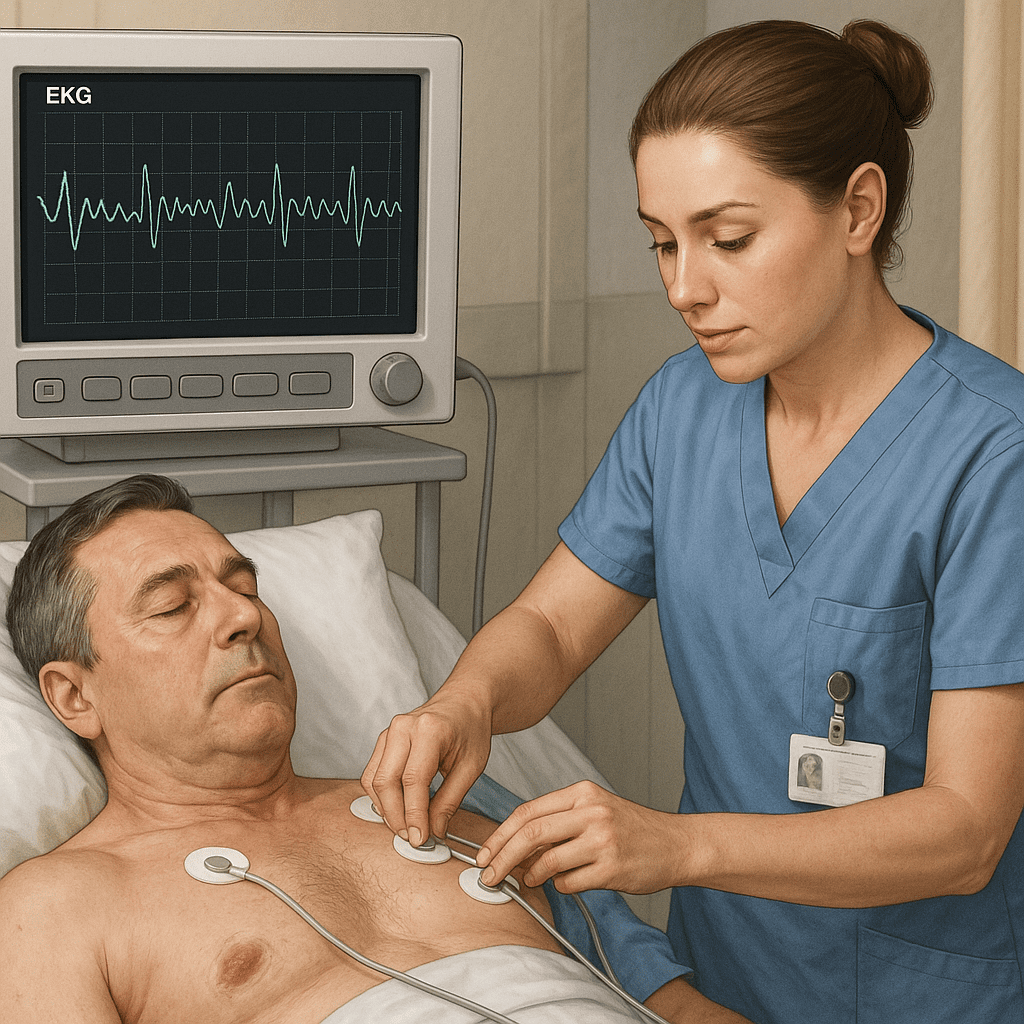
Caring for patients after cardiac catheterization is one of the most essential responsibilities for a registered nurse (RN) in cardiovascular care. This procedure, commonly used for diagnosing and treating heart conditions, requires careful post-procedure monitoring to prevent complications. For those preparing for the NCLEX or reviewing cardiac care concepts within a nursing bundle, understanding post-cardiac … Read more
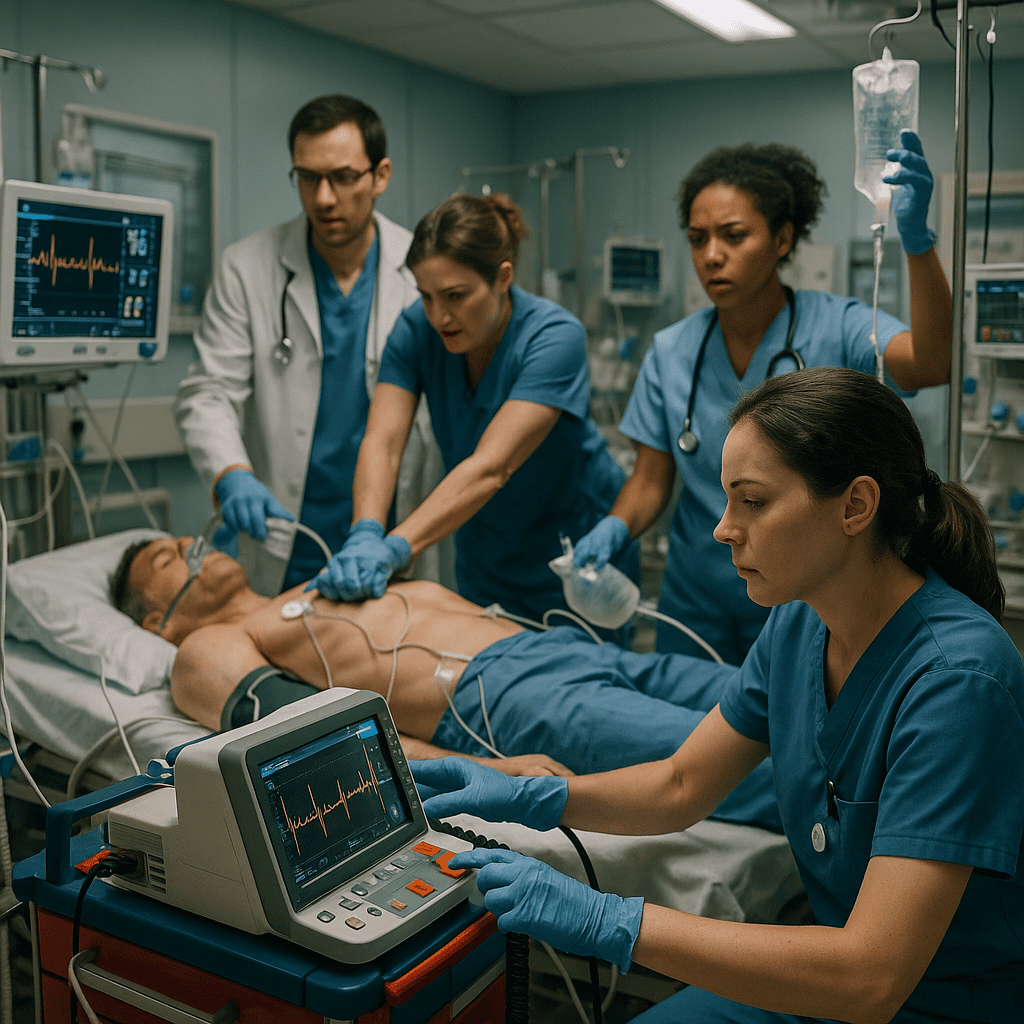
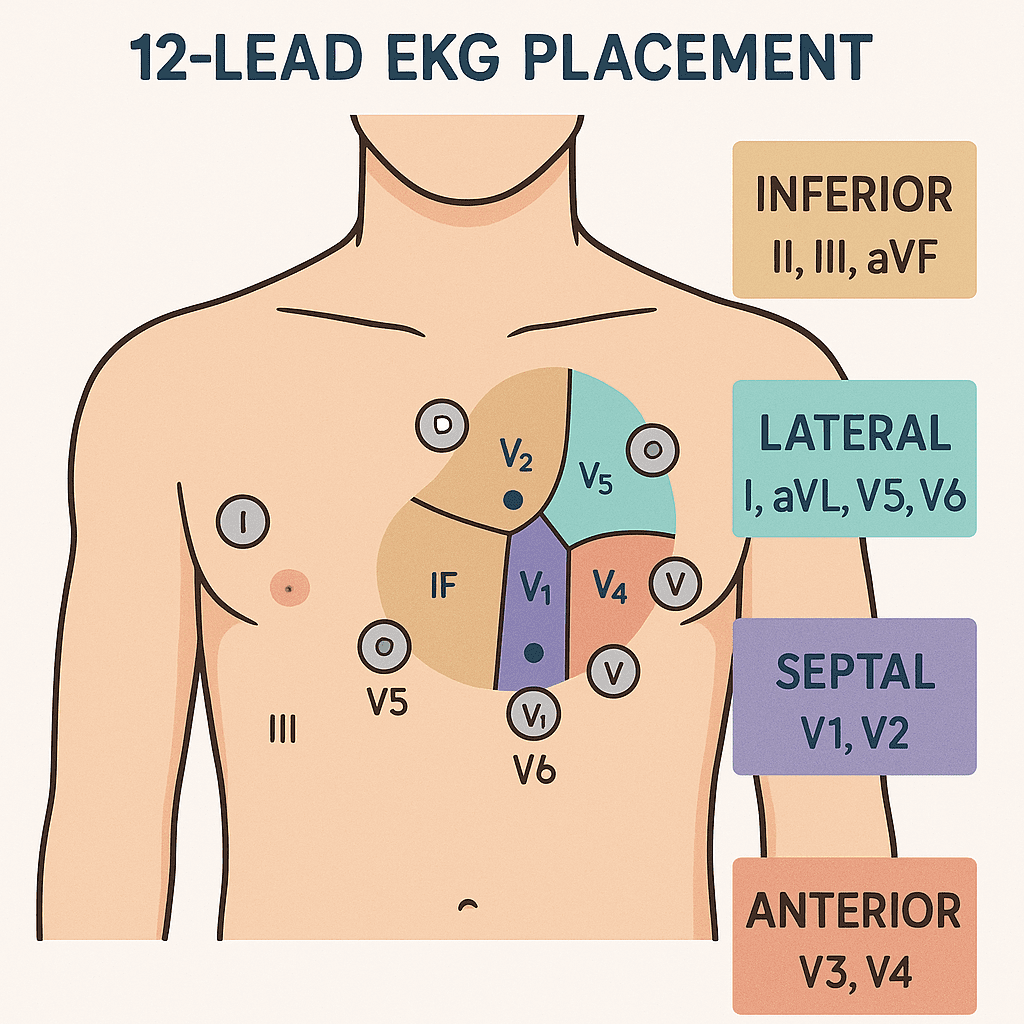
12-Lead EKG Simplified: Which Lead Sees Which Part of the Heart

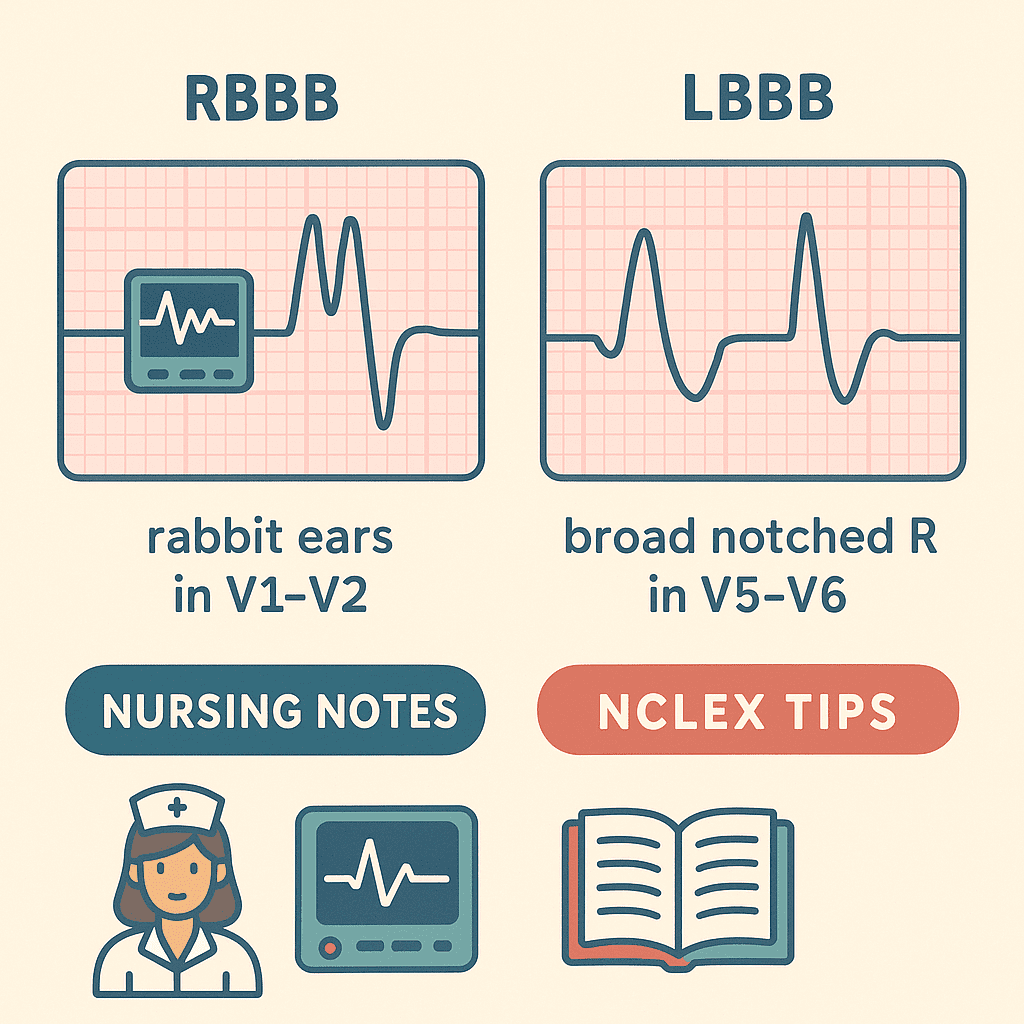
12-lead EKG simplified

Electrocardiograms (EKGs) are one of the most tested skills on the NCLEX and a critical responsibility for every nurse and registered nurse (RN nurse) at the bedside. Understanding the 12-lead EKG and which lead corresponds to which part of the heart helps in recognizing ischemia, infarction, and arrhythmias early. For nursing students and graduates, this … Read more

Pacemaker Strips: Recognizing Spikes and Nursing Care

Pacemaker Strips

For nursing students preparing for the NCLEX and for every registered nurse (RN nurse) at the bedside, understanding pacemaker strips is a critical skill. Nurses often encounter patients with pacemakers in telemetry units, critical care, and even medical-surgical floors. Recognizing pacemaker spikes and providing the right nursing care ensures both patient safety and accurate documentation. … Read more

V-Tach vs V-Fib: How to Recognize and Respond

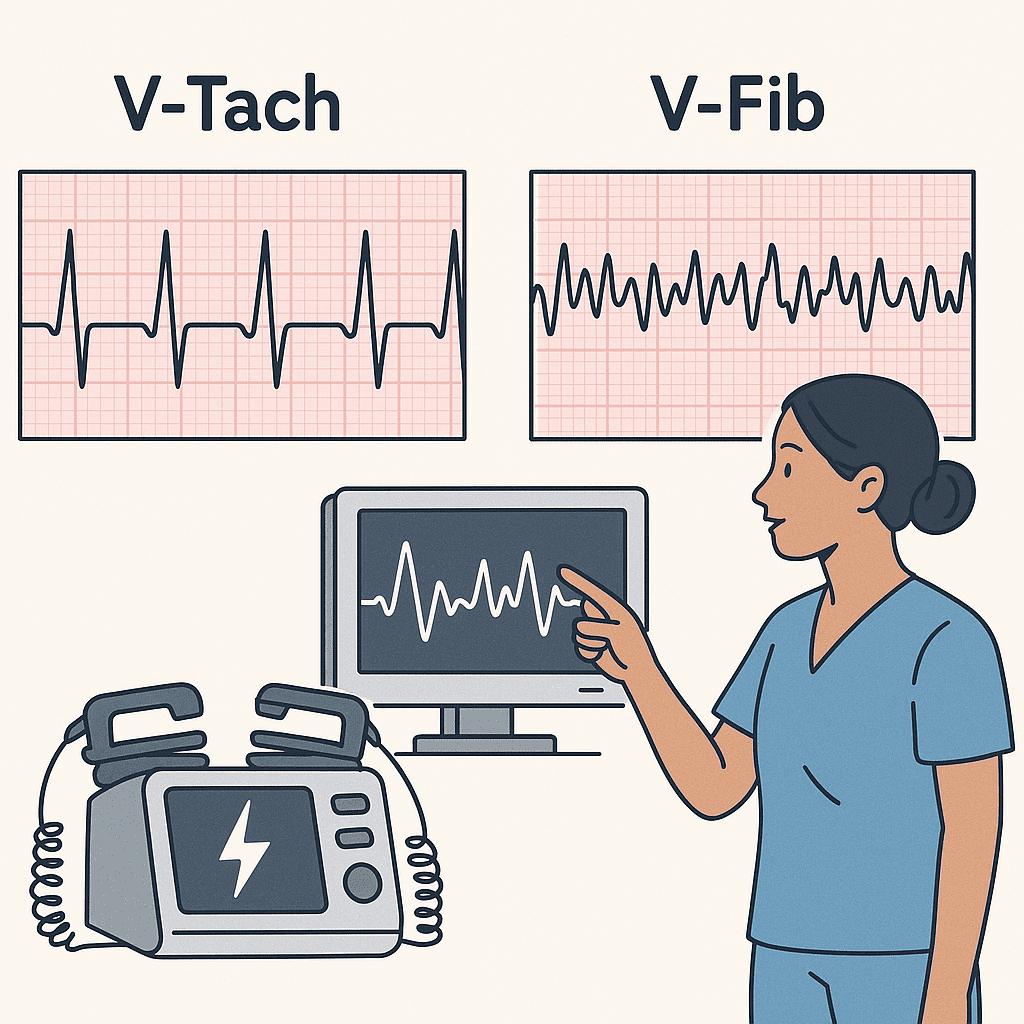
V-Tach vs V-Fib

V-Tach vs V-Fib: How to Recognize and Respond For every nurse, RN nurse, or nursing student preparing for the NCLEX, cardiac arrhythmias are a must-know. Among the most critical are ventricular tachycardia (V-Tach) and ventricular fibrillation (V-Fib). Both rhythms can be life-threatening; therefore, a quick and accurate response is essential in both clinical practice and … Read more

Atrial Fibrillation Nursing: Risks, Medications, and Interventions

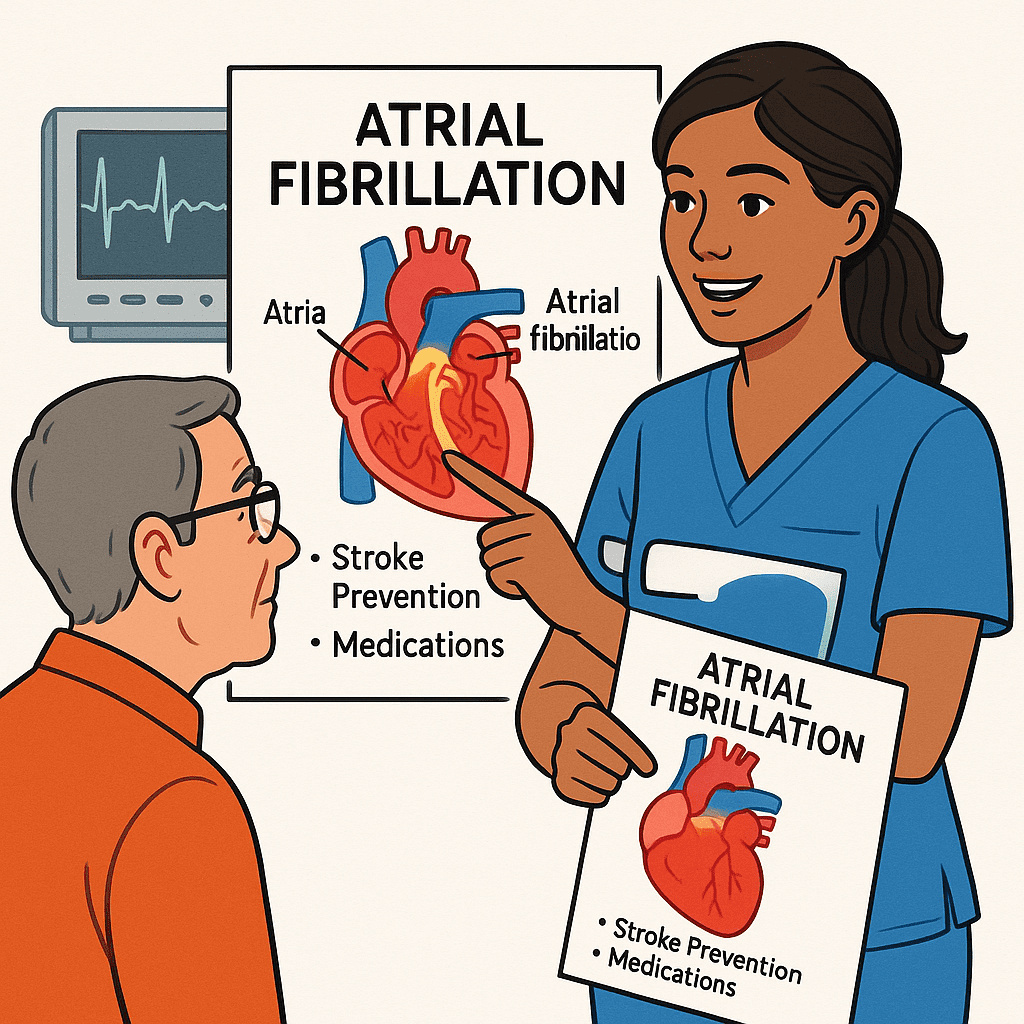
Atrial fibrillation nursing

Atrial fibrillation (AFib) is one of the most common cardiac arrhythmias, and it’s a critical concept for every nurse and registered nurse (RN nurse) to understand—especially when preparing for the NCLEX. As AFib directly affects cardiac output and increases the risk of life-threatening complications, nursing students must master its assessment, medications, and interventions. This guide … Read more