Sepsis Management: Early Recognition and Nursing Actions

Sepsis Management

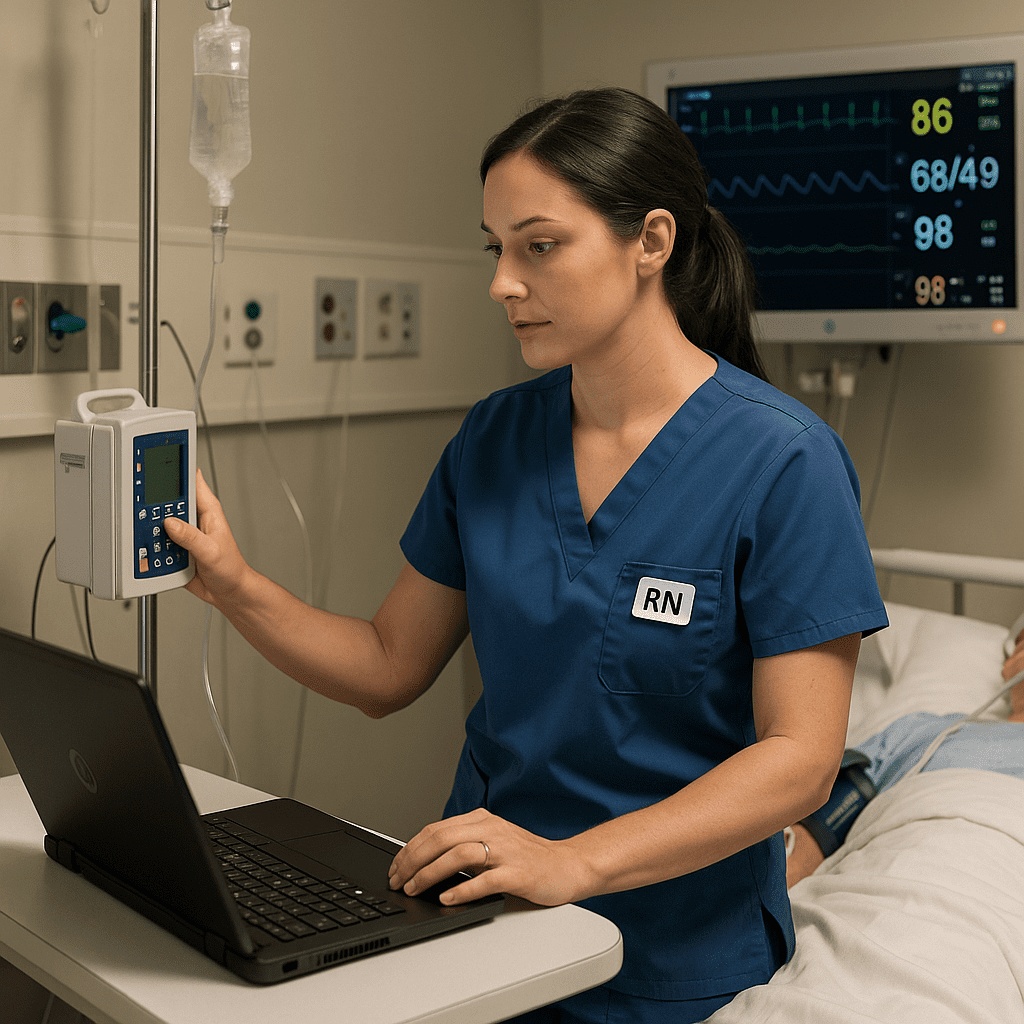
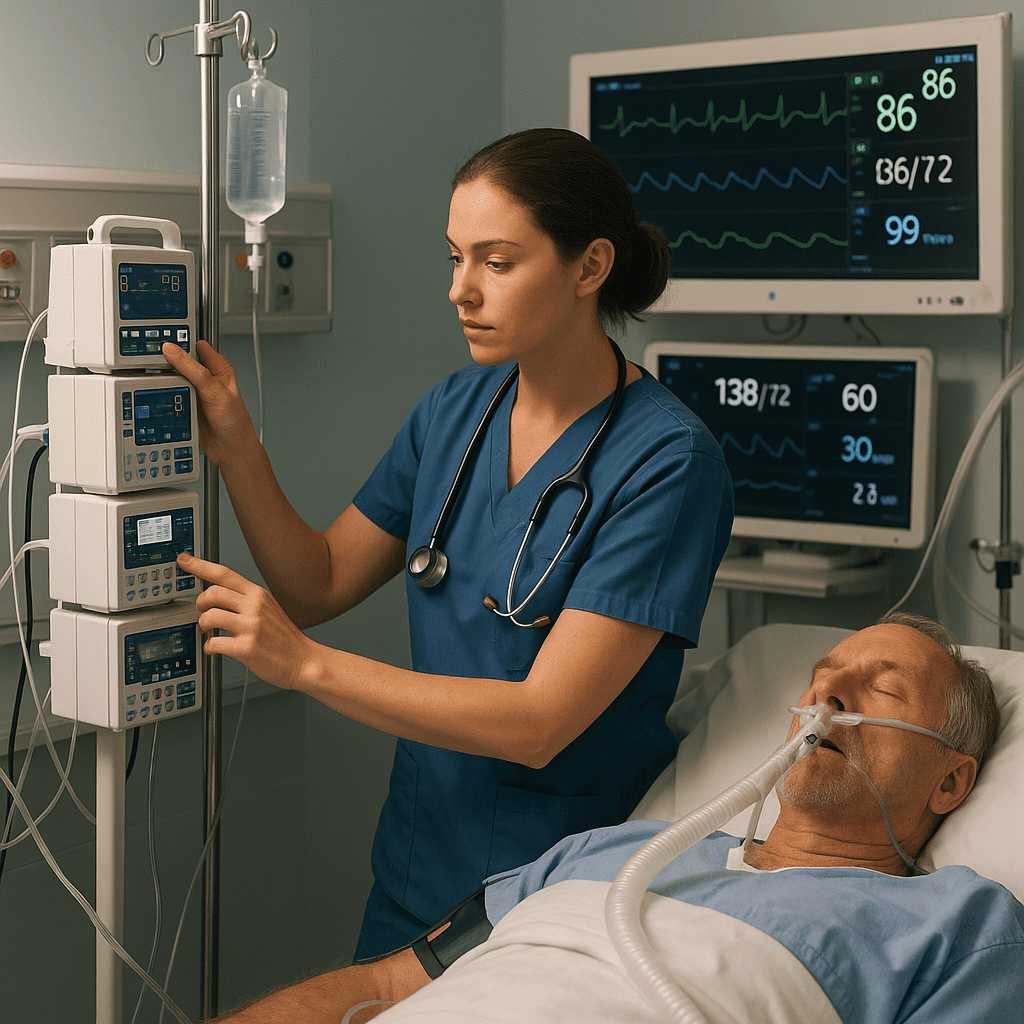
Sepsis is a life-threatening condition that requires immediate and skilled intervention. For every registered nurse (RN), understanding how to recognize the early signs of sepsis and initiate prompt nursing actions can make the difference between recovery and fatal outcomes. This is a critical topic in both clinical practice and the NCLEX, making it essential knowledge … Read more

Nursing Responsibilities Before Administering Antihypertensives: NCLEX Nursing Guide

Antihypertensives

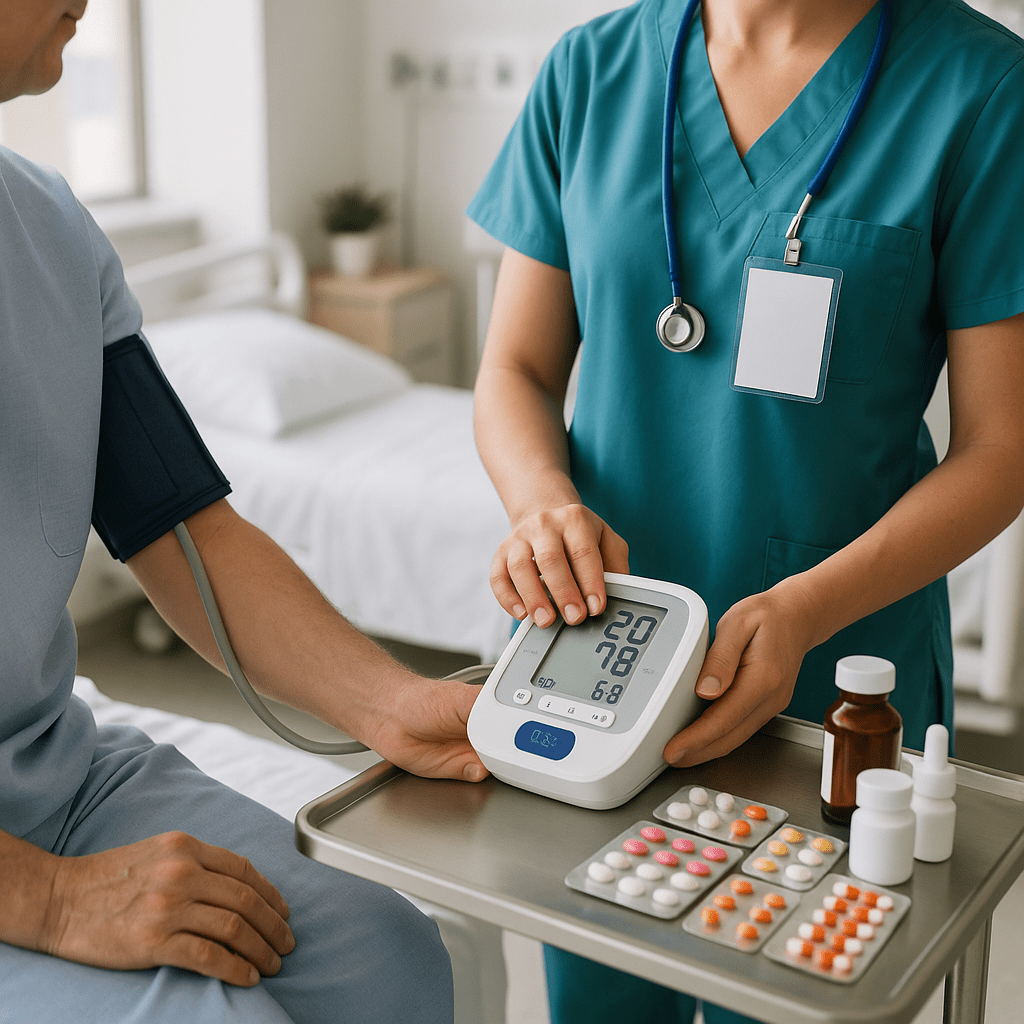
Antihypertensives are among the most commonly administered medications in healthcare settings. For every registered nurse (RN) and nursing student, understanding the nursing responsibilities before administering antihypertensive medications is crucial — both for safe patient care and for success on the NCLEX. This guide covers key assessments, precautions, and documentation steps nurses must take to ensure … Read more

How to Monitor for Signs of Multi-Organ Failure: A Complete Nursing Guide

multi-organ failure

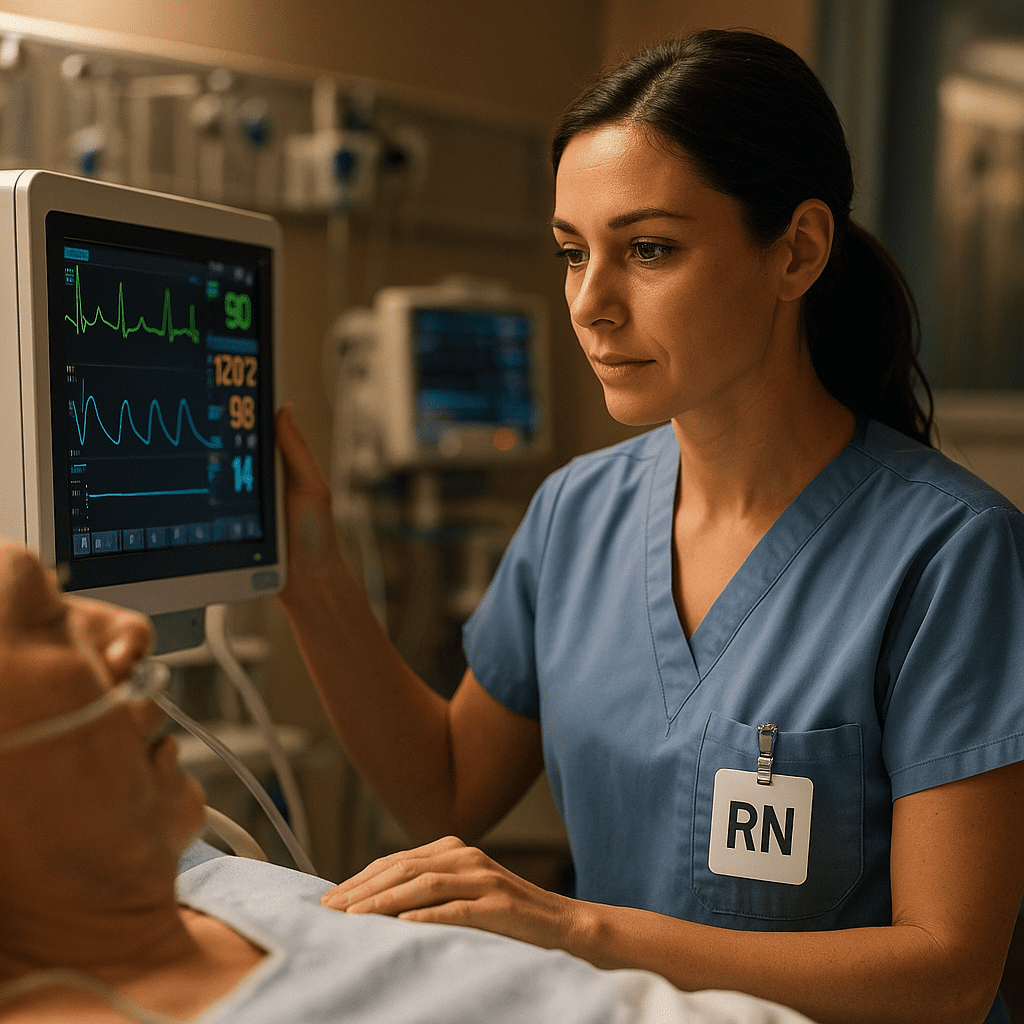
Multi-organ failure (MOF), also known as multiple organ dysfunction syndrome (MODS), is a life-threatening condition that occurs when two or more organ systems fail. For every registered nurse (RN nurse), early detection through careful monitoring is essential to improve patient outcomes. Understanding how to identify the warning signs and perform timely interventions is not only … Read more

The Role of the Nurse in ICU Family Support

ICU

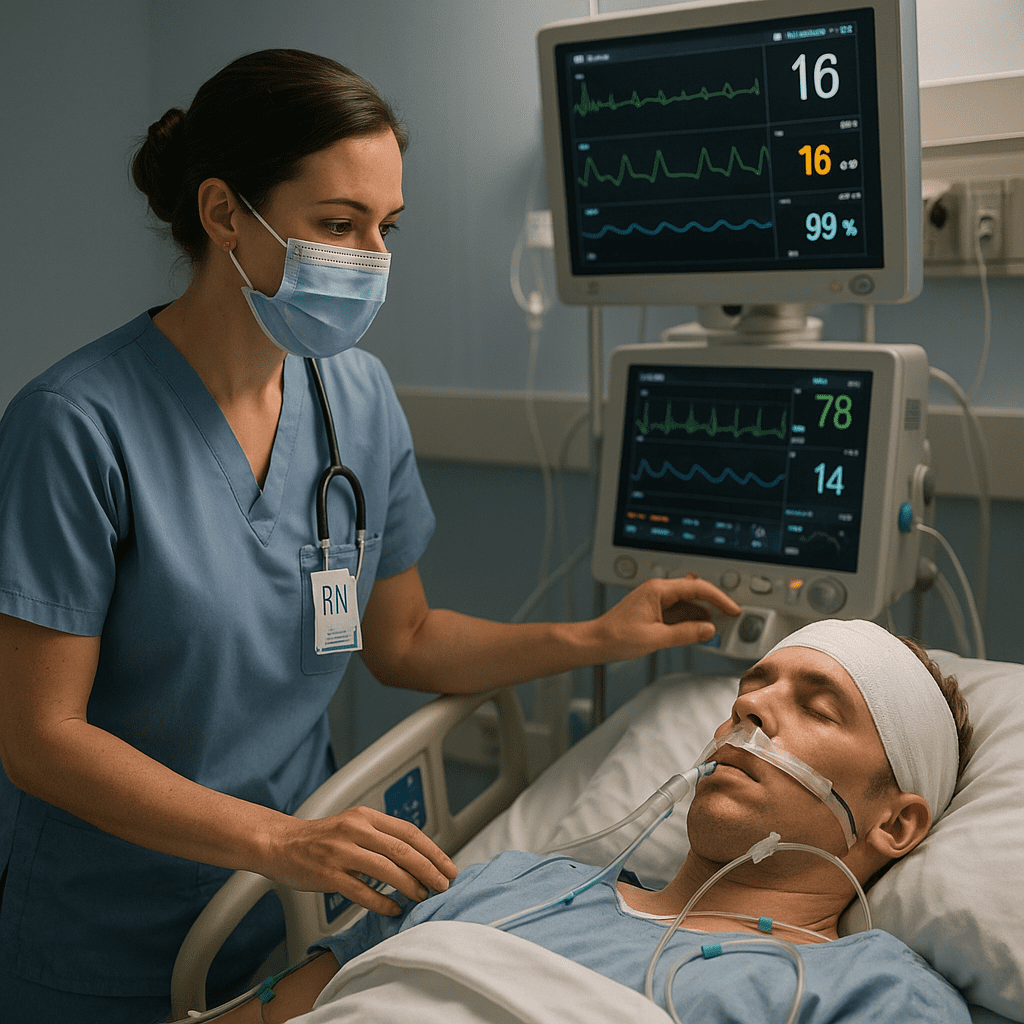
Caring for patients in the Intensive Care Unit (ICU) extends far beyond technical skills and medical procedures. One of the most essential aspects of critical care nursing is providing emotional and informational support to the patient’s family. For every registered nurse (RN nurse), understanding how to effectively communicate, educate, and comfort families during times of … Read more

🧠 Head Injury Nursing: ICP Monitoring and Priorities

Head Injury Nursing

Understanding the Basics Head injuries are among the most critical emergencies nurses encounter. For every RN nurse and registered nurse preparing for the NCLEX, understanding Intracranial Pressure (ICP) monitoring and nursing priorities is essential. Managing patients with head trauma requires quick recognition, accurate assessment, and immediate intervention to prevent secondary brain injury. What Is Intracranial … Read more

🩺 ICU Drips Explained: Vasopressors, Sedatives, and Analgesics

ICU drips

Critical care nursing requires more than just compassion — it demands precision, vigilance, and a deep understanding of the medications that keep patients alive. In the Intensive Care Unit (ICU), continuous IV drips (infusions) are used to maintain blood pressure, manage pain, and ensure patient comfort during life-threatening conditions. This guide simplifies the most important … Read more

Burns: Rule of Nines and Fluid Resuscitation Nursing Guide

Burns

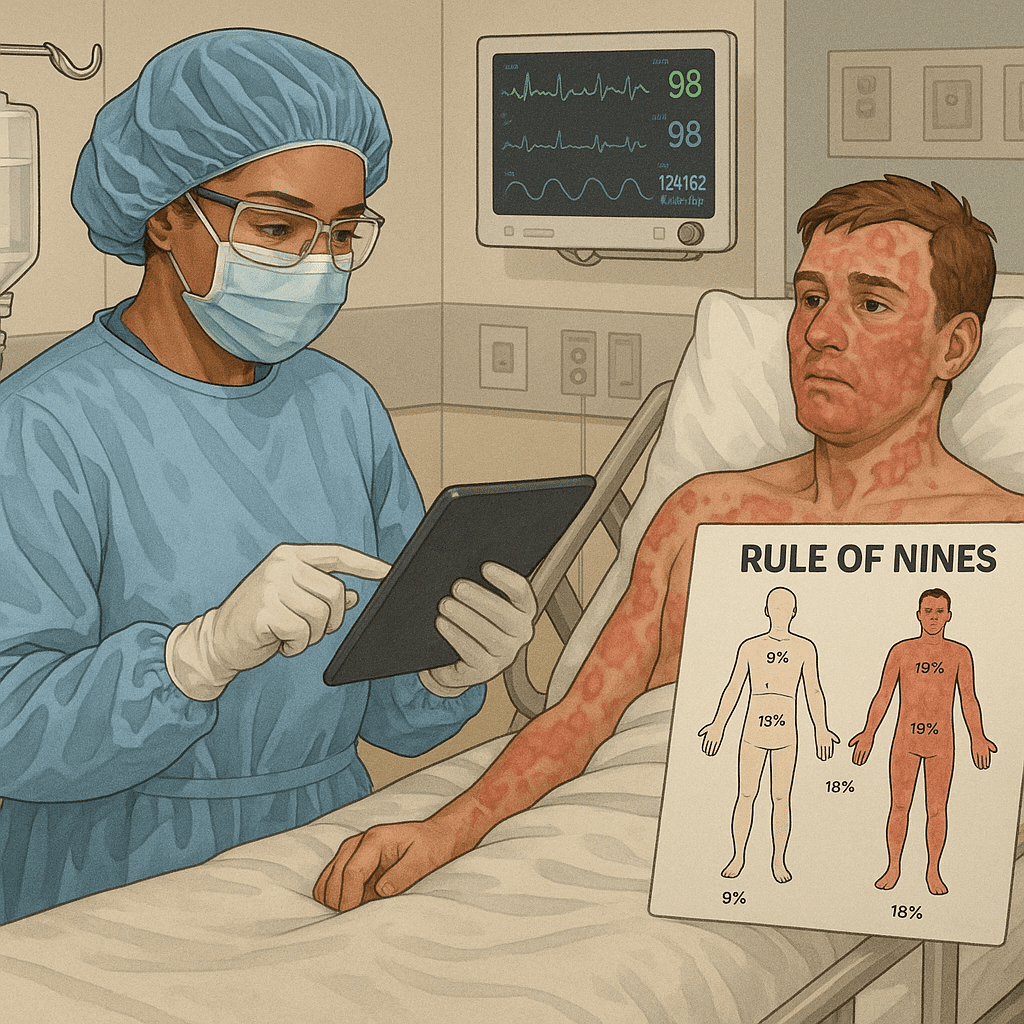
🧠 Introduction Burn injuries are among the most critical conditions nurses encounter, requiring rapid assessment and precise interventions. For any RN nurse or registered nurse preparing for the NCLEX, mastering the Rule of Nines and fluid resuscitation principles is essential. This guide simplifies burn assessment and management, helping nursing students and professionals apply evidence-based care … Read more

Trauma Nursing: The ABCDE Approach Simplified for RN Nurses

Trauma Nursing ABCDE Approach

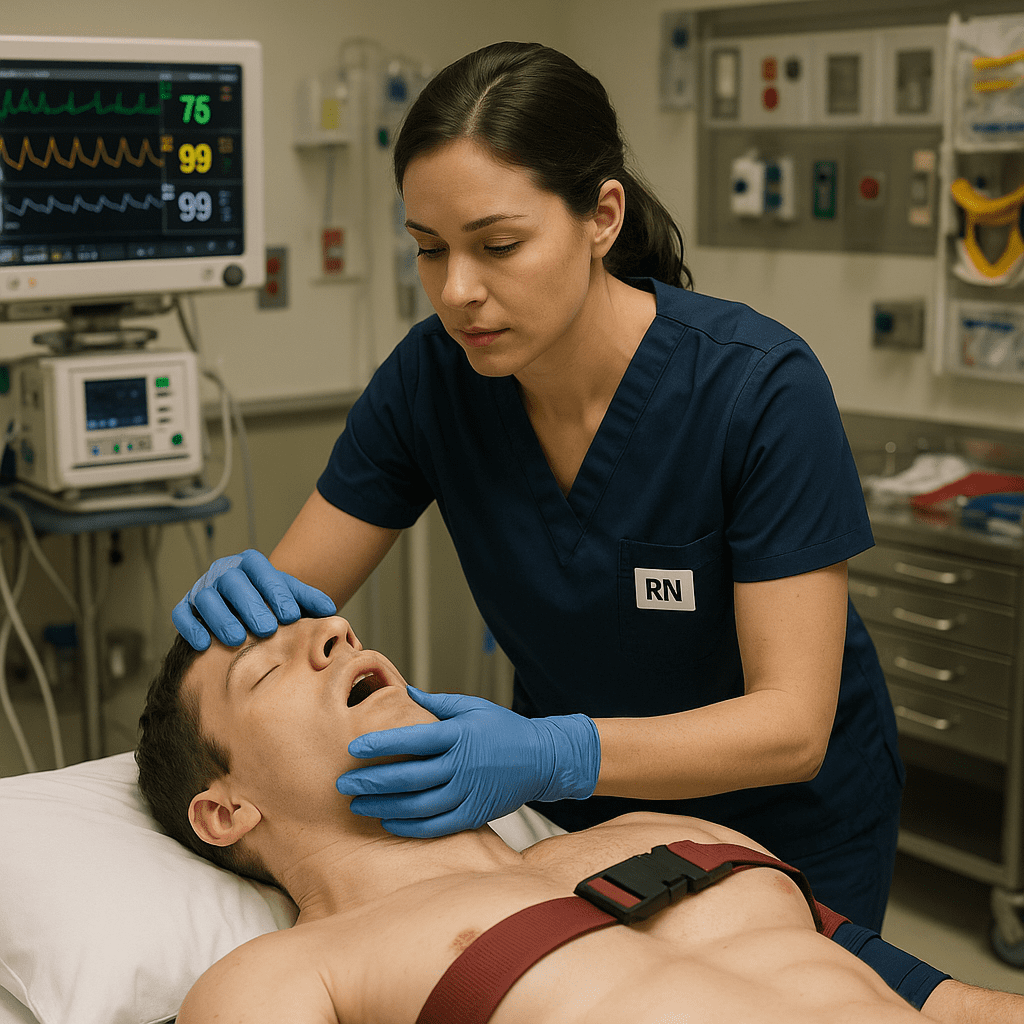
When it comes to trauma care, nurses are the first line of defense in saving lives. The ABCDE approach—Airway, Breathing, Circulation, Disability, and Exposure—is the foundation of trauma nursing and a critical topic tested on the NCLEX. Every registered nurse (RN nurse) and nursing student should master this method to rapidly assess and stabilize trauma … Read more