Step-by-Step Analysis of Complex Rhythms: A Complete Nurse’s Guide
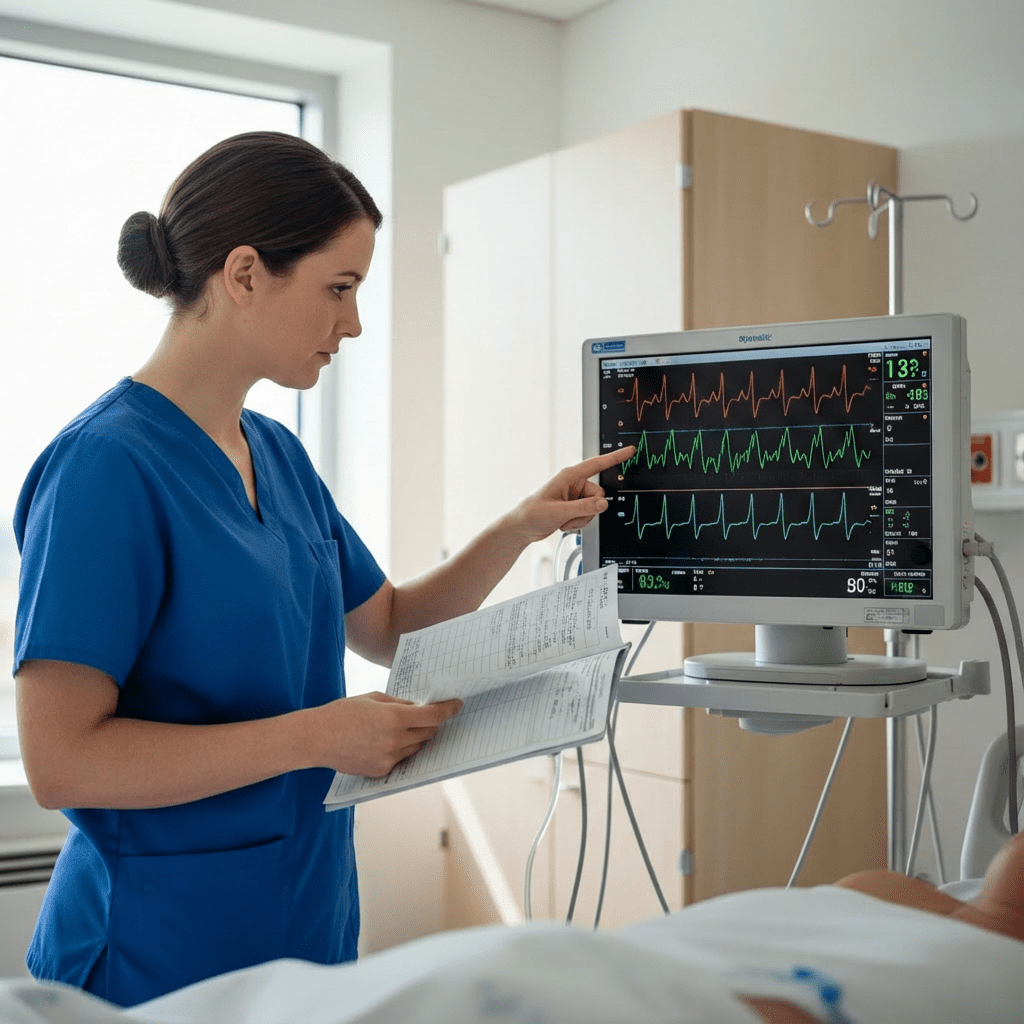
Complex Rhythm

Cardiac rhythm interpretation is one of the most essential skills for any registered nurse, especially those working in emergency, telemetry, and critical care. Complex rhythms can seem intimidating at first, but with the right step-by-step approach, every RN nurse can confidently identify abnormalities and take fast, appropriate action. This breakdown is designed to support your … Read more


Sodium Disorders in Heart Failure Patients: A Complete Nursing Guide

Sodium Disorders

Sodium disorders are extremely common in patients with heart failure, and every nurse, registered nurse, and RN nurse must understand how to assess, monitor, and intervene. Whether you’re preparing for the NCLEX, updating your nursing knowledge, or using a nursing bundle to study fluid and electrolyte imbalances, this guide will help simplify everything you need … Read more

Potassium Shifts in Diabetic Emergencies: What Every Nurse Must Know

Potassium Shifts

Potassium balance plays a life-saving role during diabetic emergencies. Conditions such as diabetic ketoacidosis (DKA) and hyperosmolar hyperglycemic state (HHS) cause dramatic potassium shifts that can quickly lead to fatal cardiac arrhythmias. For this reason, every nurse, registered nurse, and RN nurse must understand how potassium behaves in these emergencies to provide safe, effective nursing … Read more

Magnesium’s Role in Neuromuscular Function: A Nursing Essential

Magnesium’s Role

Magnesium is often called the “forgotten electrolyte,” yet it plays a critical role in neuromuscular stability, cardiac conduction, and metabolic balance. For every nurse, registered nurse, and RN nurse, understanding magnesium’s effects on muscles and nerves is essential for safe nursing care and success on the NCLEX. This guide breaks down magnesium physiology, clinical manifestations, … Read more

ST-Segment Monitoring for Ischemia: What Every Nurse Must Know

ST-Segment Monitoring

Early recognition of ischemia can save a patient’s life, and the ST segment is one of the most important parts of the EKG for identifying cardiac injury. For every registered nurse, especially those preparing for the NCLEX, understanding ST-segment monitoring is essential. Whether you work in critical care, telemetry, emergency medicine, or use a nursing … Read more

EKG Signs of Hyperkalemia and Hypokalemia: A Simple Guide for Nurses

Hyperkalemia vs Hypokalemia

Electrolyte imbalances—especially hyperkalemia and hypokalemia—are common and dangerous conditions every nurse must recognize quickly. For NCLEX success and safe practice, knowing the EKG changes linked to abnormal potassium levels is essential. Whether you are a registered nurse, an RN nurse student, or using a nursing bundle to study, this guide breaks everything down in simple … Read more

Neonatal Jaundice: Nursing Assessment and Phototherapy

Neonatal Jaundice

Neonatal jaundice is one of the most common conditions seen in newborn care. Because bilirubin levels can rise quickly, every nurse, especially a registered nurse (RN nurse) working in postpartum, NICU, pediatrics, or community health, must know how to assess jaundice and initiate timely interventions. Moreover, neonatal jaundice frequently appears in NCLEX exam questions, which … Read more

School Health Nursing: Daily Responsibilities Every RN Nurse Should Know

Nurse Daily Responsibilities

School health nursing plays a critical role in keeping students safe, healthy, and ready to learn. A registered nurse working in a school environment becomes a frontline caregiver, educator, and advocate for children’s health. For the NCLEX, school nursing topics often appear in community health and pediatrics sections, making it important for every nurse and … Read more

Caring for Children with Seizure Disorders: A Complete Nursing Guide

Seizure Disorders

Seizure disorders are one of the most common neurological conditions in pediatrics. Because seizures can occur suddenly and progress quickly, every nurse, especially a pediatric registered nurse or RN nurse, must understand how to respond safely and effectively. This knowledge is also essential for students preparing for the NCLEX, where seizure management frequently appears in … Read more

Pediatric Burns: First Aid and Hospital Care – A Complete Nursing Guide

Pediatric Burns

Burn injuries are one of the most serious pediatric emergencies. For any nurse, especially a pediatric registered nurse or an RN nurse preparing for the NCLEX, understanding the correct first aid steps and hospital management is essential. Pediatric burns can escalate quickly, and early nursing interventions make a huge difference in healing, pain control, and … Read more