
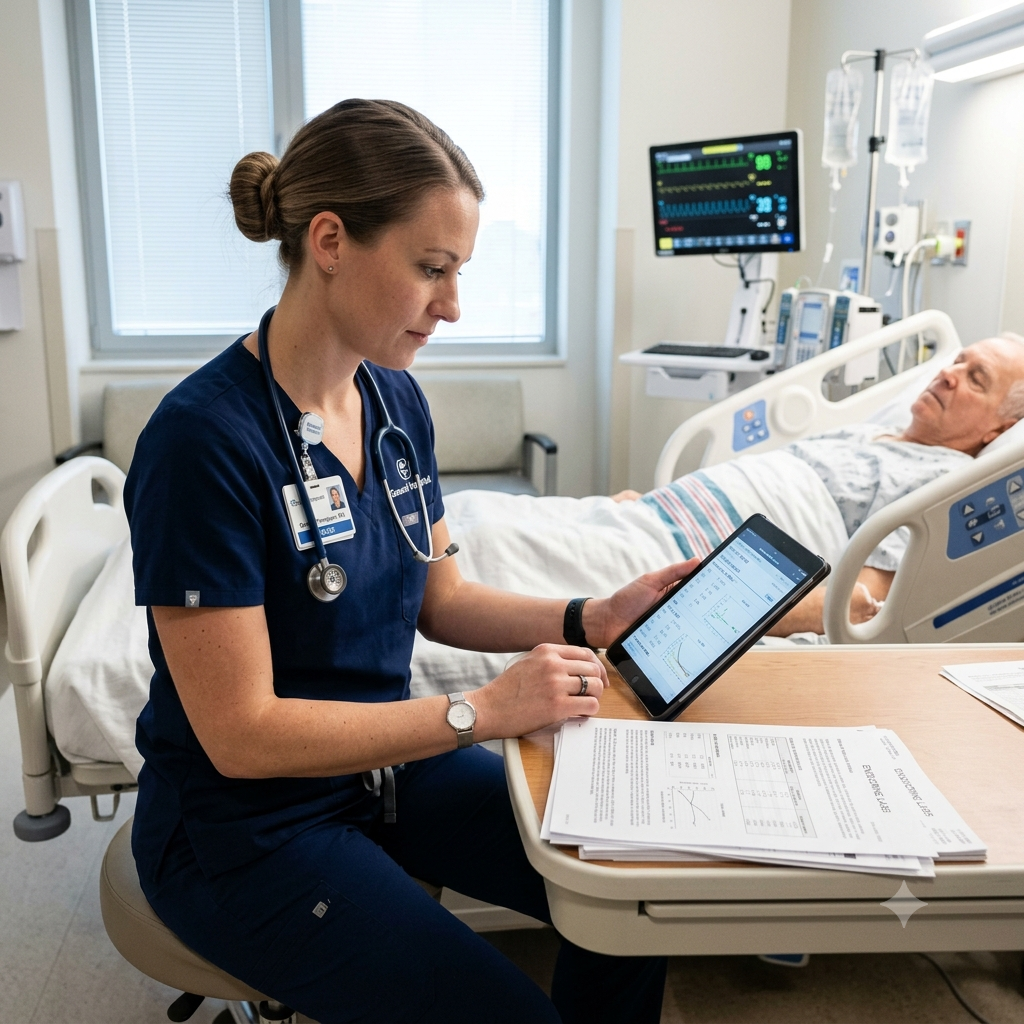
Male Hypogonadism: Nursing Management and NCLEX Review for the Registered Nurse
Male hypogonadism is an endocrine disorder characterized by the failure of the testes to produce adequate levels of testosterone, sperm, or both. For nursing students and practicing RN nurses, understanding this condition is essential — not only for NCLEX preparation, but also for delivering competent, evidence-based patient care in medical-surgical and outpatient endocrine settings. Recognizing the subtle and overt clinical signs, interpreting relevant laboratory data, and providing thorough patient education are core competencies the registered nurse must master. Furthermore, with hypogonadism increasingly identified across age groups, male hypogonadism nursing management is a clinical priority that bridges pharmacology, patient education, and holistic assessment.
Pathophysiology: Understanding the Hypothalamic-Pituitary-Gonadal Axis
The foundation of male hypogonadism lies in disruption of the hypothalamic-pituitary-gonadal (HPG) axis. Under normal physiology, the hypothalamus releases gonadotropin-releasing hormone (GnRH), which in turn stimulates the anterior pituitary to secrete luteinizing hormone (LH) and follicle-stimulating hormone (FSH). Subsequently, LH drives the Leydig cells of the testes to produce testosterone, while FSH supports spermatogenesis.
Hypogonadism is classified into two primary types:
- Primary hypogonadism (hypergonadotropic): The defect originates in the testes. As a result, the pituitary compensates by secreting elevated LH and FSH. Causes include Klinefelter syndrome (47,XXY karyotype), orchitis, testicular torsion, radiation, and chemotherapy.
- Secondary hypogonadism (hypogonadotropic): In contrast, the defect lies in the hypothalamus or pituitary. Consequently, LH and FSH are low or normal despite low testosterone. Causes include Kallmann syndrome, hyperprolactinemia, pituitary tumors, obesity, and chronic opioid use.
Nurses must understand this distinction because treatment approaches differ significantly between the two classifications. Moreover, accurate classification guides the entire plan of care.
Clinical Manifestations: What the Nurse Will Assess
Recognizing the clinical presentation of male hypogonadism is a priority nursing assessment skill. Importantly, manifestations vary depending on the age of onset.
Prepubertal onset may present with:
- Delayed or absent puberty
- Small testes and phallus
- Lack of secondary sex characteristics (sparse facial/body hair, high-pitched voice)
- Gynecomastia
- Tall stature with long limbs (eunuchoid proportions)
Postpubertal onset, on the other hand, may include:
- Decreased libido and erectile dysfunction
- Fatigue and decreased energy
- Loss of muscle mass and increased adiposity
- Osteoporosis or decreased bone mineral density
- Depression, cognitive changes, and decreased motivation
- Infertility
- Hot flashes and sweating episodes (in severe cases)
- Reduced testicular volume
During nursing assessment, the RN nurse should ask about energy levels, sexual function, mood changes, and any history of chemotherapy, radiation, or pituitary disorders. In addition, a thorough medication history is essential — chronic opioid or glucocorticoid use are known contributors to secondary hypogonadism.
Diagnostic Criteria and Laboratory Interpretation
The nurse plays a key role in preparing patients for diagnostic evaluation and interpreting results in collaboration with the healthcare team. Therefore, familiarity with the relevant laboratory panel is critical.
Key laboratory findings in hypogonadism:
| Lab Test | Normal Range | Finding in Hypogonadism |
|---|---|---|
| Total Testosterone (morning) | 300–1,000 ng/dL | Low (< 300 ng/dL on 2 separate readings) |
| LH | 1.5–9.3 IU/L | High (primary) or Low/Normal (secondary) |
| FSH | 1.6–8.0 IU/L | High (primary) or Low/Normal (secondary) |
| Prolactin | < 20 ng/mL | Elevated if pituitary adenoma present |
| SHBG (Sex Hormone Binding Globulin) | 13–71 nmol/L | May alter free testosterone interpretation |
| Bone Density (DEXA scan) | T-score ≥ −1.0 | May be reduced in chronic hypogonadism |
Testosterone levels should be drawn in the morning (between 7–10 AM), as diurnal variation causes levels to peak early and decline throughout the day. Furthermore, two separate low readings on different days are required for diagnosis. For this reason, the registered nurse should educate patients on the importance of proper specimen timing before the blood draw is scheduled.
Nursing Interventions for Male Hypogonadism Management
Effective male hypogonadism nursing management encompasses both pharmacological and non-pharmacological interventions. Together, these strategies address the full spectrum of the patient’s clinical and psychosocial needs.
1. Facilitate Hormone Replacement Therapy (HRT)
Testosterone replacement therapy (TRT) is the primary pharmacological treatment for hypogonadism when fertility is not an immediate goal. Several available formulations exist, each with distinct nursing considerations:
- Intramuscular (IM) injections: Testosterone cypionate or enanthate, administered every 1–4 weeks
- Transdermal gels or patches: Applied daily to clean, dry skin (shoulders, upper arms, or abdomen)
- Buccal tablets: Placed between the gum and upper lip twice daily
- Subcutaneous pellets: Implanted every 3–6 months
Regardless of the formulation chosen, the nurse must educate patients on proper application technique. This is especially important for transdermal gels, since secondary transfer to women and children is a serious safety concern. Therefore, patients must wash hands thoroughly after application and keep the site covered.
2. Monitor for Adverse Effects and Contraindications
TRT is contraindicated in patients with prostate cancer, breast cancer, or untreated sleep apnea. In addition, nurses should actively monitor for:
- Erythrocytosis (elevated hematocrit > 54%) — increases clotting risk
- Acne and oily skin
- Fluid retention and edema
- Worsening of benign prostatic hyperplasia (BPH) symptoms
- Mood changes or aggression
If any of these adverse effects arise, the nurse should notify the provider promptly and document findings thoroughly.
3. Address Bone Health
Chronic hypogonadism significantly increases the risk of osteoporosis. Consequently, the RN nurse should encourage:
- Weight-bearing and resistance exercise
- Adequate calcium (1,000–1,200 mg/day) and vitamin D (600–800 IU/day) intake
- DEXA scan monitoring as ordered
4. Provide Psychosocial Support
Depression, anxiety, and sexual dysfunction profoundly affect quality of life in men with hypogonadism. Therefore, the nurse should screen for depression using validated tools, provide a therapeutic, non-judgmental environment, and refer to mental health services when indicated. Additionally, exploring the patient’s concerns about masculinity and fertility requires sensitivity and patient-centered communication throughout the care relationship.
Patient Education: What Every Nurse Must Teach
Patient education is a cornerstone of male hypogonadism nursing management. Moreover, thorough teaching directly impacts treatment adherence and long-term outcomes. Nurses must ensure patients understand:
- Medication adherence: Consistent use of TRT is essential; moreover, abrupt discontinuation can cause rapid symptom return
- Safe handling of transdermal testosterone: Never allow skin-to-skin contact with women or children until the gel is fully absorbed and the site is covered
- Follow-up labs: Hematocrit, PSA (prostate-specific antigen), and testosterone levels must be monitored regularly — typically at 3 months initially, then annually thereafter
- Lifestyle modifications: Weight reduction, regular aerobic and resistance exercise, limiting alcohol, and avoiding opioids where possible can naturally support testosterone levels
- Fertility considerations: Because TRT suppresses sperm production, patients desiring fertility should be referred to a reproductive endocrinologist. Alternatives such as clomiphene citrate or gonadotropin therapy may be used instead to preserve spermatogenesis
Finally, encourage patients to keep a symptom diary and report any signs of cardiovascular events, worsening urinary symptoms, or mood changes promptly.
💡 NCLEX Tips for Male Hypogonadism
- Testosterone levels must be drawn in the morning — afternoon values are unreliable due to diurnal variation; furthermore, two separate low readings are required to confirm the diagnosis.
- Primary vs. secondary hypogonadism: In primary hypogonadism, LH and FSH are HIGH because the pituitary compensates. In secondary, however, LH and FSH are LOW or normal since the problem is upstream.
- TRT is contraindicated in prostate cancer — therefore, always assess PSA before initiating therapy.
- Transdermal gel transfer to women and children is a priority safety concern; as a result, patient teaching on proper application and hand hygiene is non-negotiable.
- Erythrocytosis (hematocrit > 54%) is a key adverse effect of TRT — consequently, it requires dose reduction or temporary discontinuation.
Special Considerations: Fertility, Aging, and Comorbidities
When fertility is the patient’s primary concern, TRT is not the appropriate treatment, because exogenous testosterone suppresses the HPG axis and halts spermatogenesis. Instead, pharmacological agents such as human chorionic gonadotropin (hCG), clomiphene citrate, or FSH injections may be used to stimulate endogenous testosterone production while simultaneously preserving sperm production.
Late-onset hypogonadism (LOH) — sometimes called andropause — occurs in aging men and presents with a gradual decline in testosterone rather than a sudden deficiency. Additionally, comorbidities including type 2 diabetes, metabolic syndrome, and obesity significantly contribute to low testosterone in older men. For this reason, the nursing bundle approach — combining pharmacological management with lifestyle counseling — is particularly effective in this population. Notably, weight loss alone has been shown to raise testosterone levels meaningfully in obese men, even before pharmacological therapy is initiated.
Conclusion
Male hypogonadism is a multifaceted endocrine condition that demands skilled nursing assessment, accurate interpretation of laboratory findings, and individualized patient education. For the registered nurse preparing for the NCLEX or working in clinical practice, understanding the HPG axis, distinguishing primary from secondary hypogonadism, and managing testosterone replacement therapy safely are all essential competencies. Furthermore, the RN nurse is uniquely positioned to support patients through the physical and emotional challenges of this diagnosis — from initiating treatment to monitoring for adverse effects and reinforcing lifestyle modifications over time.
Strengthen your endocrine and pharmacology knowledge with the nursing bundle at rn-nurse.com/nursing-courses/, and challenge yourself with NCLEX-style practice questions at rn-nurse.com/nclex-qcm/ to master high-yield content like this for exam day.