
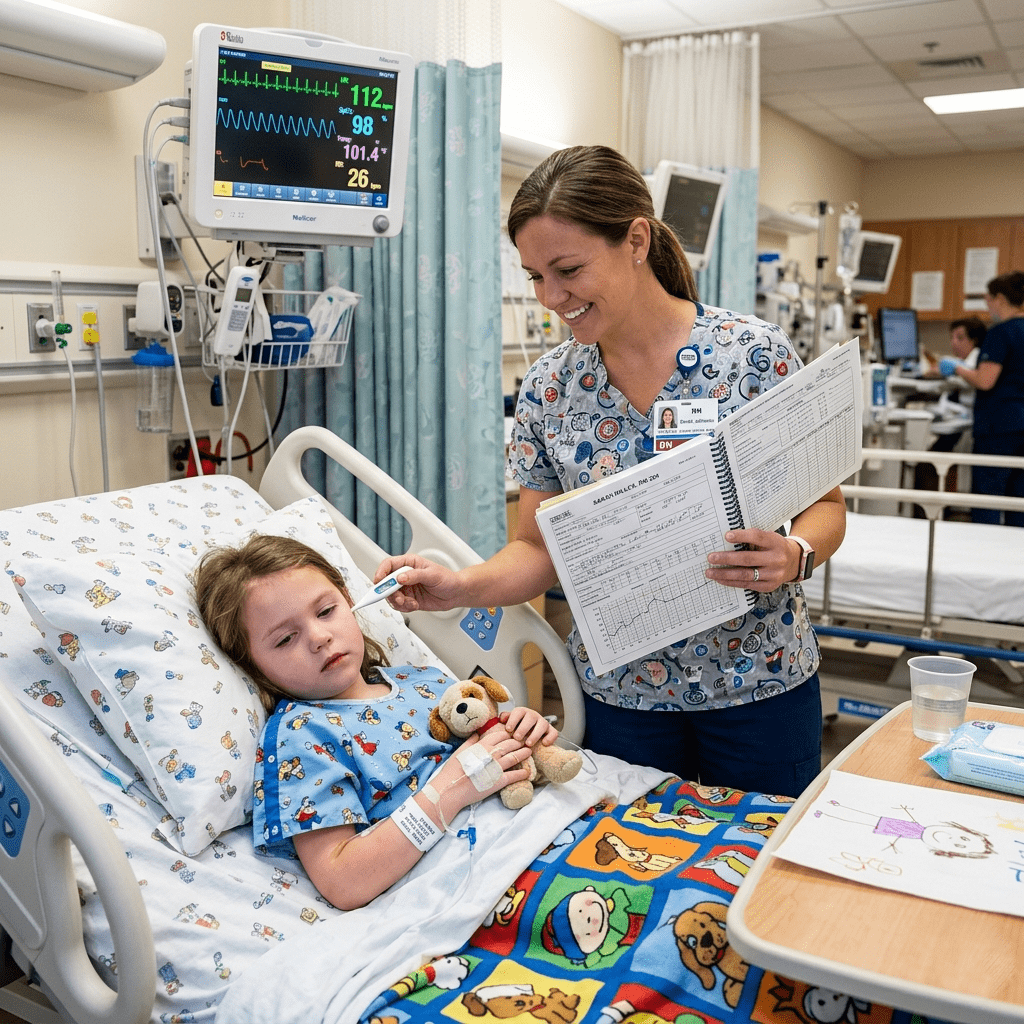
Neonatal Abstinence Syndrome (NAS) is a group of withdrawal symptoms that occur in newborns who were exposed to certain substances, especially opioids, during pregnancy. After birth, the baby no longer receives the substance through the placenta, which leads to withdrawal symptoms.
For a registered nurse, understanding NAS is essential because these infants often require close monitoring, specialized care, and supportive interventions. Additionally, NAS is an important topic for NCLEX preparation, since it involves pediatric assessment, pharmacologic management, and family-centered nursing care.
In many hospitals, NAS management follows a structured nursing bundle approach, allowing the RN nurse and healthcare team to assess symptoms, provide supportive care, and administer medications when necessary.
What Is Neonatal Abstinence Syndrome?
Neonatal Abstinence Syndrome occurs when a newborn experiences withdrawal symptoms after exposure to drugs during pregnancy. The condition most commonly results from maternal opioid use, but it can also occur with exposure to other substances.
During pregnancy, drugs pass from the mother to the fetus through the placenta. As a result, the fetus becomes dependent on the substance. However, once the baby is born and the drug supply stops, the newborn’s nervous system reacts with withdrawal symptoms.
Because of this sudden change, the registered nurse must carefully observe newborns for early signs of withdrawal.
Common Causes of NAS
Several substances may cause NAS. However, opioids are the most common cause.
Common substances associated with NAS include:
- Prescription opioids
- Heroin
- Methadone
- Buprenorphine
- Certain antidepressants
- Benzodiazepines
Therefore, nurses working in maternity and neonatal units must assess maternal history and prenatal exposure to identify infants at risk.
Signs and Symptoms of NAS
Symptoms of NAS typically appear within 24 to 72 hours after birth, although they may occur later depending on the substance involved.
Common symptoms include:
Neurological Symptoms
- Irritability
- Excessive crying
- Tremors
- Sleep disturbances
- Increased muscle tone
Gastrointestinal Symptoms
- Poor feeding
- Vomiting
- Diarrhea
- Poor weight gain
Autonomic Nervous System Symptoms
- Sweating
- Fever
- Rapid breathing
- Nasal congestion
Because symptoms may vary in severity, the RN nurse must perform frequent assessments using standardized scoring systems.
NAS Assessment Tools
Healthcare providers often use scoring systems to measure withdrawal severity.
One of the most widely used tools is the Finnegan Neonatal Abstinence Scoring System.
This scoring tool evaluates symptoms such as:
- Crying patterns
- Tremors
- Feeding difficulties
- Sleep patterns
- Respiratory rate
The registered nurse typically performs NAS scoring every 3 to 4 hours, helping determine whether treatment is required.
Nursing Management of NAS
Nursing care plays a critical role in managing infants with NAS. In fact, supportive nursing interventions are often the first line of treatment.
Hospitals commonly follow a NAS nursing bundle, which standardizes patient monitoring and care.
Non-Pharmacologic Interventions
Non-pharmacologic care is essential and may reduce the need for medication.
Common interventions include:
- Swaddling the infant
- Reducing environmental stimulation
- Providing a quiet, dimly lit environment
- Encouraging skin-to-skin contact
- Supporting breastfeeding when appropriate
These interventions help calm the infant and reduce withdrawal symptoms.
Pharmacologic Treatment
If symptoms become severe, medication may be required.
Common medications include:
- Morphine
- Methadone
- Buprenorphine
These medications help control withdrawal symptoms and are gradually tapered as the infant improves.
The RN nurse must carefully monitor medication dosing and observe for improvement or adverse effects.
Nursing Responsibilities
The registered nurse plays a central role in NAS management.
Key nursing responsibilities include:
Continuous Assessment
Frequent monitoring of symptoms using NAS scoring systems is essential.
Feeding Support
Infants with NAS may have difficulty feeding, so nurses must monitor intake and weight gain.
Comfort Measures
Providing a calm environment helps reduce stress and improve outcomes.
Family Education
Parents should be educated about NAS, withdrawal symptoms, and supportive care.
Using structured nursing bundle protocols ensures consistent care and improves neonatal outcomes.
Complications of NAS
If not properly managed, NAS may lead to complications.
Potential complications include:
- Dehydration
- Feeding difficulties
- Seizures
- Developmental delays
Early recognition and intervention by the registered nurse are essential to prevent these complications.
NCLEX Tips for Neonatal Abstinence Syndrome
For NCLEX preparation, remember these key concepts:
- NAS results from prenatal drug exposure
- Symptoms often begin 24–72 hours after birth
- The Finnegan scoring system is commonly used for assessment
- First-line treatment includes non-pharmacologic nursing care
Understanding these principles helps nursing students and RN nurses answer pediatric and neonatal NCLEX questions more effectively.
Conclusion
Neonatal Abstinence Syndrome is an important condition in neonatal nursing practice. Infants exposed to drugs during pregnancy may develop withdrawal symptoms that require close observation and supportive care.
The registered nurse plays a critical role in early detection, symptom assessment, and implementation of nursing interventions. Through careful monitoring, family education, and adherence to evidence-based nursing bundle protocols, healthcare teams can improve outcomes for newborns affected by NAS.
For both clinical nursing practice and NCLEX success, understanding NAS is essential knowledge for every RN nurse involved in neonatal and pediatric care.