
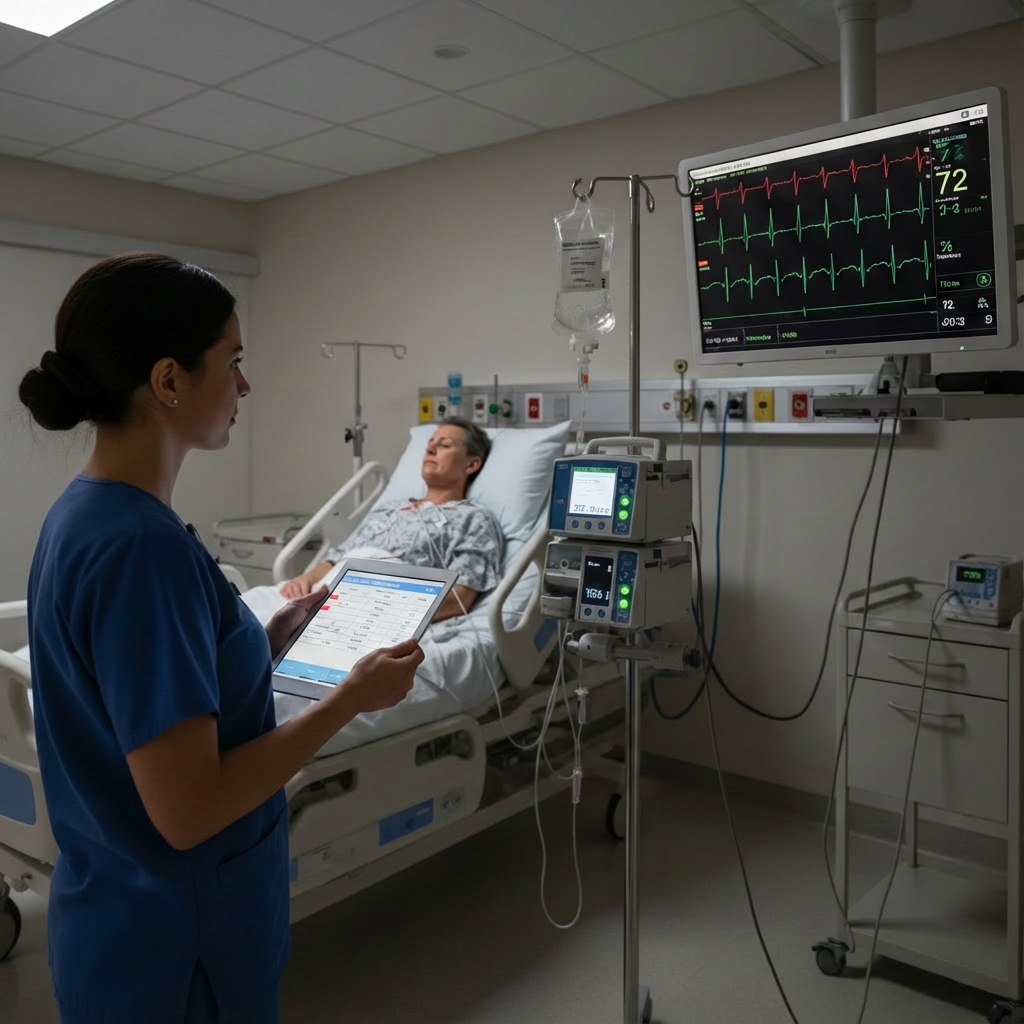
Rapid correction of electrolyte imbalances can be just as dangerous as leaving an imbalance untreated. Although restoring normal electrolyte levels remains essential, correcting them too quickly often triggers serious neurologic, cardiac, and respiratory complications. For this reason, every nurse and registered nurse (RN nurse) must actively recognize early warning signs of rapid electrolyte correction. Importantly, this topic appears frequently on the NCLEX and receives strong emphasis in many nursing bundle resources.
Why Rapid Electrolyte Correction Is Dangerous
Electrolytes regulate fluid movement, nerve conduction, and cardiac function. When electrolyte levels shift too rapidly, the body fails to adapt in time. As a result, cells swell or shrink, which leads directly to tissue injury.
Moreover, aggressive correction disrupts osmotic balance, particularly in the brain. Consequently, neurologic injury develops even when laboratory values appear normal. Therefore, nurses must prioritize controlled correction over rapid normalization.
Electrolytes Most Associated With Rapid Correction Complications
Certain electrolytes create higher risks during rapid correction. For example, sodium, potassium, calcium, and magnesium commonly cause severe complications.
Because each electrolyte affects different organ systems, nurses must tailor monitoring and nursing care to the specific imbalance. Additionally, nurses should anticipate complications based on the electrolyte involved rather than relying solely on lab numbers.
Neurologic Warning Signs Nurses Must Identify
Neurologic symptoms often appear first. Therefore, early identification remains critical.
Nurses should closely assess for:
- Sudden confusion or agitation
- Headache or dizziness
- Decreased level of consciousness
- Seizures
In severe cases, rapid sodium correction triggers osmotic demyelination syndrome (ODS), a life-threatening condition heavily tested on the NCLEX. As a result, nurses must treat neurologic changes as urgent findings.
Cardiac Complications of Rapid Electrolyte Correction
Electrolytes directly control cardiac conduction. When levels change abruptly, the heart responds with dangerous rhythm disturbances.
Common nursing warning signs include:
- Palpitations
- Bradycardia or tachycardia
- Irregular heart rhythm
- EKG changes such as QT prolongation
Therefore, nurses often initiate continuous cardiac monitoring during IV electrolyte therapy. In addition, nurses should immediately report rhythm changes to prevent deterioration.
Respiratory and Neuromuscular Complications
Rapid electrolyte shifts also impair muscle function. As a result, respiratory compromise develops quickly.
Nurses should monitor for:
- Muscle twitching or spasms
- Generalized weakness
- Decreased respiratory rate
- Shallow or labored breathing
If respiratory status declines, nurses must intervene immediately. Otherwise, respiratory failure may occur.
Electrolyte-Specific Patterns Nurses Should Recognize
Rapid Sodium Correction
- Confusion
- Slurred speech
- Quadriplegia
- Seizures
Rapid Potassium Correction
- Severe arrhythmias
- Cardiac arrest
Rapid Calcium or Magnesium Correction
- Hypotension
- Bradycardia
- Respiratory depression
Notably, NCLEX questions frequently highlight these patterns within nursing bundle electrolyte sections. Therefore, nurses should memorize these associations.
Nursing Assessment and Monitoring Priorities
Safe electrolyte correction depends on continuous nursing assessment. First, nurses monitor serum electrolyte levels at prescribed intervals. Next, nurses perform frequent neurologic checks.
In addition, nurses must:
- Observe cardiac rhythm continuously
- Track intake and output carefully
- Verify IV infusion rates before and during administration
Meanwhile, nurses should always use infusion pumps to prevent accidental rapid delivery.
Nursing Interventions When Complications Appear
When complications appear, rapid nursing action becomes essential. Depending on severity, nurses should:
- Stop or slow the infusion per provider order
- Notify the provider immediately
- Maintain airway and oxygenation
- Prepare emergency medications or equipment
Prompt nursing intervention prevents permanent injury and reduces mortality.
Patient Education: A Critical Nursing Role
Patient education significantly improves safety and cooperation. Through clear explanations, nurses help patients understand why electrolyte correction must progress slowly.
Patients should learn to:
- Report new neurologic symptoms immediately
- Alert nurses to chest discomfort or weakness
- Follow lab monitoring schedules
These education points commonly appear on the NCLEX and reflect real-world nursing priorities.
NCLEX Focus: Key Safety Concepts
For NCLEX success, remember:
- Rapid correction causes severe neurologic injury
- Sodium correction always requires gradual adjustment
- Cardiac monitoring prevents sudden deterioration
- Assessment always precedes intervention
By mastering these principles, nurses strengthen both clinical judgment and exam performance.
Why This Topic Matters for Nurses
Preventing complications from rapid electrolyte correction requires constant vigilance and strong clinical reasoning. Whether you are a nursing student or an experienced RN nurse, early recognition of warning signs protects patients and saves lives.
Final Takeaway
Electrolyte correction must remain controlled and deliberate. Through proactive monitoring, timely assessment, and consistent patient education, nurses play a critical role in preventing life-threatening complications related to rapid electrolyte correction.